
Englander pellet stove troubleshooting requires checking the hopper, burn pot, and exhaust path to restore heating. Most issues stem from maintenance gaps rather than mechanical failure, as these stoves rely on clean airflow. If you notice a “no fuel” error, low flame, or smoke, these steps help identify blockages without specialized tools. Always ensure the stove is cool before touching internal parts. If you see electrical damage or the unit fails to ignite, contact a professional.
Englander Pellet Stove Troubleshooting
The most common cause for operational failure is restricted airflow. Pellet stoves are precision machines that require a specific mix of wood pellets and air to burn correctly. When ash accumulates in the burn pot, it blocks the small holes where air enters, causing the fire to starve and eventually go out. This varies by model — check the label on your unit for specific ash-cleaning intervals, as some high-output stoves need cleaning every twenty-four hours of use.
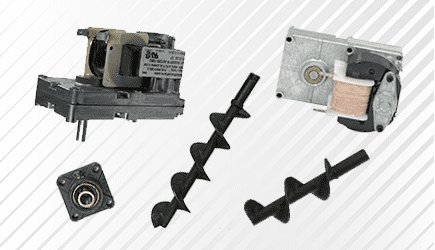
A second cause is poor fuel quality. If the pellets are damp, they swell and crumble into sawdust. This “fines” or dust clogs the auger, which is the metal screw that moves fuel from the hopper into the fire. If the auger can’t turn, the stove will display an error code or simply stop producing heat.
Finally, venting issues cause the system to shut down for safety. Pellet stoves use a vacuum switch to ensure that smoke is moving out of the chimney. If the exhaust pipe has a buildup of creosote or ash, the air pressure inside the stove changes. The safety sensor detects this change and cuts power to the auger to prevent smoke from backing up into your living room. You can find technical guidance on maintaining these vent systems through the official Englander Stove support documentation.
Safety: Inside a mains-powered machine, the parts behind the outer cover can hold a dangerous electrical charge even after it has been unplugged — that’s why they sit behind a cover. Opening the housing, or testing or replacing anything behind it, is a job for a qualified technician, never a home repair.
Clear the burn pot
This fix is for stoves that ignite but fail to stay lit or produce a weak, yellow flame. You must perform this while the stove is cold to avoid burns. Open the main door and remove the burn pot insert. Use a stiff wire brush to clear every single hole in the pot. If even one hole is clogged with hard, baked-on carbon, the airflow will remain uneven.
If the burn pot is clean but the flame remains weak, check the area beneath the pot for loose ash that may have fallen during your cleaning. A small shop vacuum is the best tool for this. However, don’t use a standard household vacuum, as it lacks the fine-particle filter needed to catch ash and will blow dust back into your room. If you don’t have a vacuum rated for ash, use a soft brush to sweep the debris into a metal container. This process isn’t for those who are uncomfortable handling soot or who lack the physical ability to reach into the stove housing. If you find cracks in the metal of the burn pot, don’t attempt a repair; replace the part to ensure safe operation.
Reset the fuel feed
This fix is for stoves that have a full hopper but show an error indicating no fuel is reaching the fire. First, unplug the unit to ensure safety. Locate the auger tube at the bottom of the hopper. You’ll often find a clump of sawdust or a jammed pellet preventing the auger from rotating. Use a long, blunt tool to gently stir the pellets in the hopper and dislodge any bridges or jams near the entry point of the auger.
If the auger appears completely stuck, don’t force it. If X happens (the auger is jammed by a solid object like a stone), don’t try to pry it with metal tools; if Y happens (the auger is simply clogged with dust), a gentle stir is usually enough to break the jam. This costs you time because you then have to empty the hopper entirely to clear the blockage. If you see the auger motor turning but the screw itself doesn’t move, the shear pin may be broken. This is a mechanical repair that requires specific replacement parts from the manufacturer.
Inspect the exhaust venting

This fix is for stoves that produce excessive smoke or trigger “vacuum switch” errors. The exhaust path is the most critical safety feature of your stove. Look at the exterior vent cap to ensure it isn’t blocked by snow, ice, or debris. If the exterior looks clear, the obstruction is likely inside the pipe.
Only perform this check if you have the proper safety equipment, including a mask to protect against fine ash. If you aren’t confident in your ability to disassemble and reassemble the flue pipes, don’t attempt this. You should hire a professional chimney sweep who is trained in pellet stove systems. A professional will have the specialized brushes and vacuum tools required to remove creosote safely. If you attempt this yourself and fail to seal the pipe connections correctly, you risk carbon monoxide leaking into your home. This isn’t for a beginner; if you’re unsure about the condition of your pipes, call a local technician.
What not to do
- Never use a liquid lighter fluid to help the stove ignite, as this creates a dangerous flare-up that can melt internal sensors.
- Don’t leave the hopper lid open while the stove is running, because the pressure change can confuse the sensors and cause the fire to burn unevenly.
- Avoid burning wood pellets that are damp or stored in a humid garage, as this causes rapid ash buildup and clogs the auger motor.
- Never try to bypass the safety sensors by disconnecting wires, as these are the only things preventing your stove from overheating or leaking smoke.
- Don’t use a standard household vacuum to clean the ash, as the fine particles will quickly destroy the motor and blow soot back into your living area.
How to stop it happening again
Consistent maintenance prevents most emergency troubleshooting situations.
| If you’re doing this | Do this instead | Why |
|---|---|---|
| Storing pellets in a shed | Store pellets indoors | Keeps fuel dry and efficient |
Frequently asked questions
Can I use wood pellets meant for grills in my stove?
No, you should only use fuel specifically labeled for pellet stoves. Grill pellets often contain different binders or flavor-enhancing oils that can create excessive sludge in the burn pot and damage the auger motor.
Why is my stove making a loud grinding noise?
The noise usually indicates that a foreign object, like a small stone or a piece of metal, has entered the auger. Turn the stove off immediately and unplug it, then inspect the hopper and the auger area to remove the obstruction before it breaks the motor.
How long should the fire take to start?
Most stoves take between five and fifteen minutes to establish a flame after you press the start button. If your stove fails to start after two cycles, stop and inspect the burn pot for ash or the igniter for debris.
Is it safe to leave the stove running while I sleep?
Yes, it’s safe to leave the stove running overnight if it has been properly maintained and the venting is clear. Ensure your home has working smoke and carbon monoxide detectors in the same room as the stove for your protection.
What happens if I lose power during a burn cycle?
The stove will shut down safely, but smoke may linger in the firebox because the exhaust fan will stop moving air. Open a window for ventilation if you notice a faint smell of smoke in the room until the unit cools down.
Final Thoughts
Keeping your stove clean doesn’t just improve performance; it’ll also extend the life of your appliance for many winters to come. If you’ve finished these checks and the heat still isn’t right, don’t hesitate to reach out to a local technician. They’re happy to help you get everything running safely again.
Related guides
- Carrier Furnace Manual Troubleshooting: Fix Common Heating Issues in 2026
- Breckwell Pellet Stove Troubleshooting: Fix Common Issues in 2026