
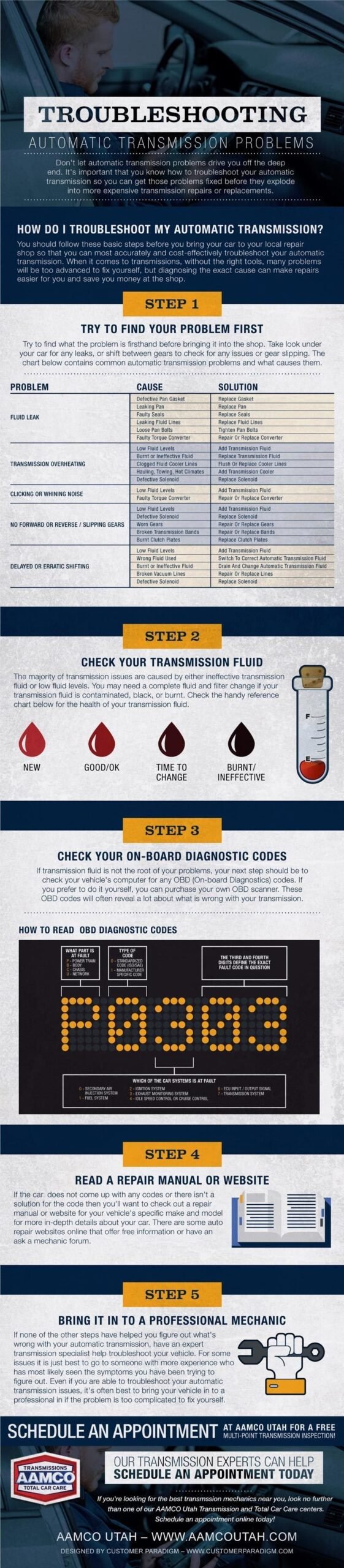
Automatic Transmission Troubleshooting begins by checking your fluid to address slipping, rough shifting, or delayed engagement. If the fluid is low, dark, or smells burnt, the system lacks necessary hydraulic pressure. If the fluid is bright red, the issue likely involves electronic or internal mechanical components. Always park on level ground for an accurate dipstick reading, or consult a professional if your vehicle uses a sealed system.
Automatic Transmission Troubleshooting: Common Causes
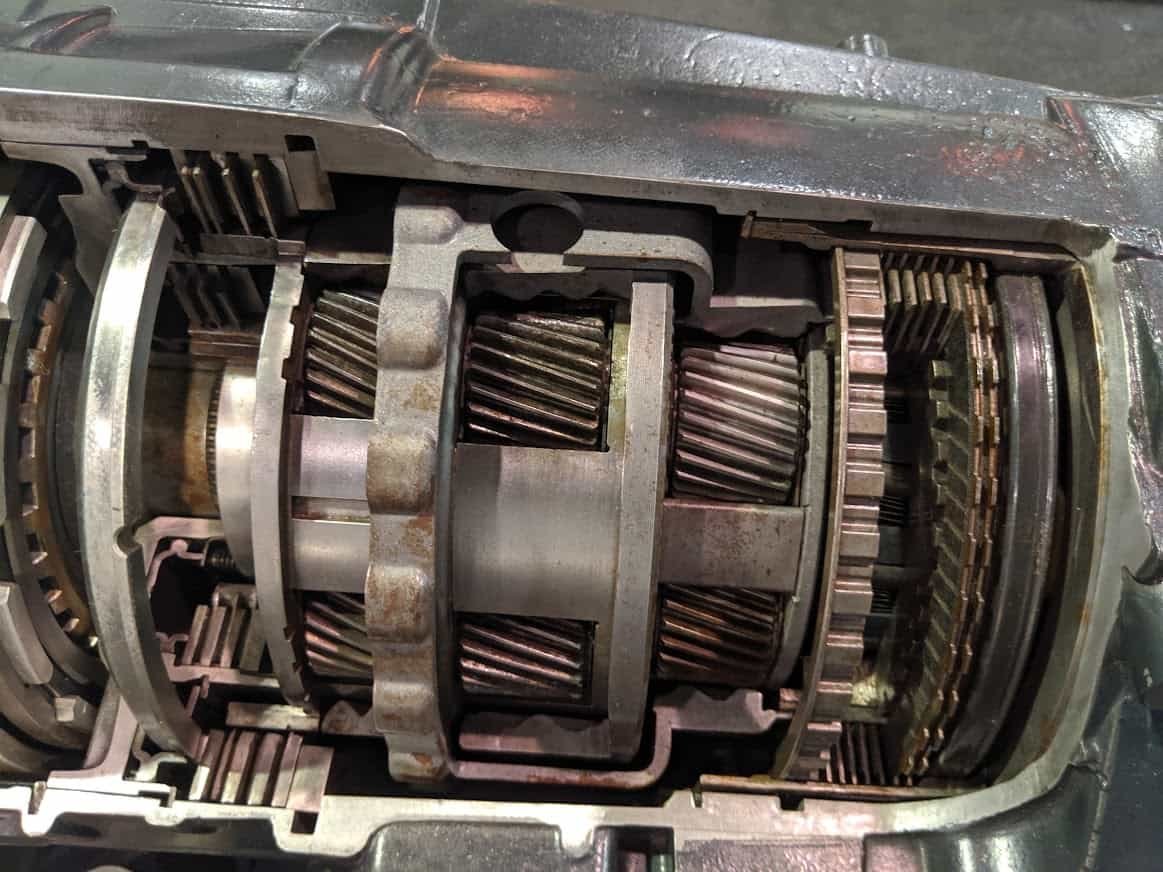
Automatic transmissions are complex hydraulic systems that rely on pressurized fluid to engage gears and manage heat. When the fluid breaks down, it loses its ability to lubricate parts and transfer power effectively. One common cause is simple fluid degradation over time. As the fluid circulates, it collects tiny metal shavings and debris from internal components. If this debris builds up, it can clog the valve body or filter, leading to delayed shifts or a feeling that the car is “hunting” for the right gear.
Another cause is overheating. If you frequently tow heavy loads or drive in stop-and-go traffic, the transmission fluid temperature can rise significantly. High heat causes the fluid to oxidize and lose its viscosity. When the fluid becomes too thin, the internal seals and clutches can’t grip properly, which you experience as a slip or a sudden loss of power during acceleration.
Finally, sensor failure is a frequent culprit in modern vehicles. The transmission control module monitors various sensors to decide when to shift. If a speed sensor or a throttle position sensor sends incorrect data, the computer may command the transmission to shift at the wrong time or stay in a lower gear. This isn’t a mechanical failure of the gears themselves but a communication breakdown. If the transmission warning light appears on your dashboard, the computer has stored a specific error code that a mechanic must read.
Check your fluid levels
This fix is for drivers who notice rough shifting or a slight delay when moving from park to drive. First, ensure the engine is at operating temperature and the car is on flat ground. With the engine running, pull the dipstick, wipe it clean with a lint-free cloth, and reinsert it fully. Pull it out again to check the level against the marks.
If the level is low, add the manufacturer-specified transmission fluid in small amounts. Never overfill, as too much fluid causes foaming, which creates air bubbles that interfere with hydraulic pressure. If the fluid is dark brown or smells burnt, don’t just top it off. The transmission likely needs a fluid and filter change to remove the contaminated material.
This fix isn’t for people with sealed transmission systems. If your vehicle lacks a dipstick, you can’t check the level yourself. You must take the car to a professional who has the specialized lift and diagnostic tools to access the fill port from underneath. If you attempt to open a sealed transmission without the right equipment, you risk burning yourself on hot components or causing a leak that ruins the system. If the fluid looks clean but the problem persists, the issue is likely mechanical or electronic, and adding more fluid won’t help.
Reset the control module
This fix works if your transmission is shifting erratically due to a software glitch or a “learned” bad driving pattern. Many modern transmissions are adaptive, meaning they adjust shift points based on your driving style. If the computer has stored incorrect data, a simple reset can restore normal operation.
This clears the temporary memory of the transmission control module. Reconnect the terminal and start the engine. During your first few miles of driving, drive gently to allow the computer to re-learn your driving habits and recalibrate the shift points.
This fix is for owners who suspect a software issue after experiencing “clunky” shifts or hesitation. It isn’t for vehicles with mechanical failures like grinding noises or total loss of drive. If you hear metallic grinding, the damage is already done, and a reset won’t fix broken parts. If your car has a complex security system, disconnecting the battery may trigger an anti-theft lockout, so check your owner’s manual before you pull the cable.
Seek professional diagnostic services
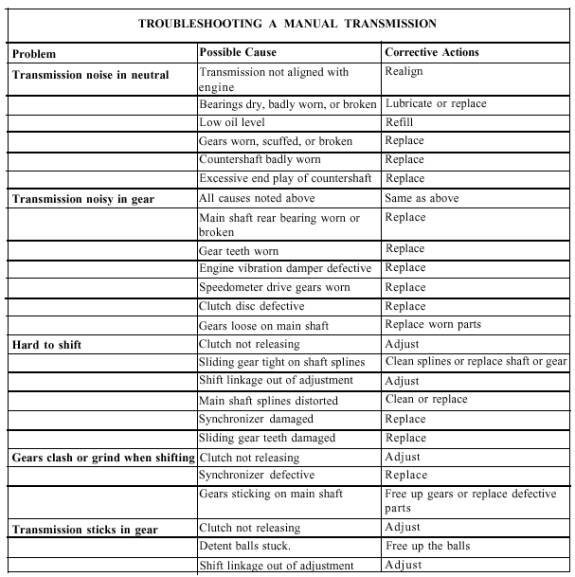
If the previous fixes fail, you’re likely dealing with internal wear or a failed electronic component. At this stage, professional help is the only way to avoid catastrophic damage. A technician will use a scan tool to pull diagnostic trouble codes from your vehicle’s computer. These codes point to specific valves, solenoids, or sensors that are malfunctioning.
It’s worth the time and money to get a professional diagnosis when you experience slipping, as slipping generates extreme heat that destroys the transmission in a very short time. Replacing a faulty sensor is much cheaper than rebuilding the entire unit. However, if the technician finds that the internal clutches are worn out, you face a trade-off. A full rebuild is expensive, and for some older vehicles, the cost might exceed the car’s total value. Always ask for a written estimate before authorizing repairs. If you notice a red puddle under your car, don’t drive it to the shop. Have it towed, as driving with low fluid will quickly destroy the remaining functional parts.
What not to do
- Don’t add “stop-leak” additives to your transmission fluid. These chemicals can swell internal seals temporarily but often clog the fine passages in the valve body, leading to permanent failure.
- Don’t ignore a flashing transmission light. This light means the computer has detected a serious fault; continuing to drive forces the transmission to operate in a “limp mode” that causes high internal stress.
- Don’t use generic transmission fluid if your car requires a specific synthetic blend. Using the wrong fluid type can cause the clutches to slip, as different fluids have different friction properties required for specific clutch materials.
- Don’t attempt to adjust internal bands or valves unless you’re a trained mechanic. These components require precise torque settings; one turn too far can prevent the car from shifting into any gear at all.
How to stop it happening again
Regular maintenance is the most effective way to prevent transmission issues. Most problems start small and grow into expensive repairs when ignored.
| If you’re doing this | Do this instead | Why |
|---|---|---|
| Ignoring small leaks | Fix the seal immediately | Low fluid causes heat and wear |
| Towing beyond capacity | Check your tow rating | Overloading burns the fluid |
| Shifting into gear while moving | Come to a full stop | Prevents stress on the gears |
| Skipping fluid changes | Follow the service manual | Cleans out debris and metal bits |
Frequently asked questions
Can I drive with a slipping transmission?
No, you shouldn’t drive a vehicle with a slipping transmission. Slipping occurs when internal clutches fail to grip, creating intense friction and heat that rapidly destroys seals and components. Continuing to drive will turn a minor repair into a total transmission failure, so pull over and call for a tow.
Why does my transmission shift hard?
Hard shifting is often caused by low fluid levels or a malfunctioning pressure control solenoid. When the hydraulic pressure is inconsistent, the transmission can’t cushion the gear engagement. If the fluid level is correct, the computer may be receiving false data from a throttle position sensor, causing it to command high pressure shifts. Check your fluid level first, as it’s the simplest factor to fix.
How long does an automatic transmission last?
A well-maintained transmission typically lasts between one hundred fifty thousand and two hundred thousand miles. This figure varies by model; check the label on your transmission or your owner’s manual for specific service intervals. If you live in a hot climate or do a lot of city driving, your fluid will degrade faster than the manual suggests.
Is it safe to change transmission fluid myself?
Yes, it’s safe if your vehicle has a dipstick and a drain plug, provided you use the exact fluid specified in your manual. Never perform this task on a hot engine, and ensure you have a large enough catch pan to prevent spills. If your car uses a sealed system without a dipstick, don’t attempt this, as you can’t verify the fill level correctly without specialized equipment.
What happens if I overfill the transmission?
Overfilling causes the transmission fluid to foam and create air bubbles. Since air is compressible, it prevents the transmission from building the necessary hydraulic pressure to engage gears. This leads to slipping, erratic shifting, and potential damage to the internal seals. If you accidentally added too much, you must remove the excess fluid until it reaches the proper mark on the dipstick.
Final Thoughts
Don’t ignore these warning signs, as small problems often turn into expensive repairs if they’re left alone. You shouldn’t hesitate to schedule an inspection with a trusted mechanic if the shifting doesn’t improve. Getting a quick professional opinion today will help you stay safe and keep your car running smoothly for years.
Related guides