
You can resolve most performance issues through basic Daewoo Air Conditioner Troubleshooting by checking the air filters, power supply, and thermostat settings before calling a technician. The most common cause of cooling failure is a clogged filter that blocks air movement. If the unit still fails to cool after cleaning the filter, the issue likely requires professional service.
Daewoo Air Conditioner Troubleshooting
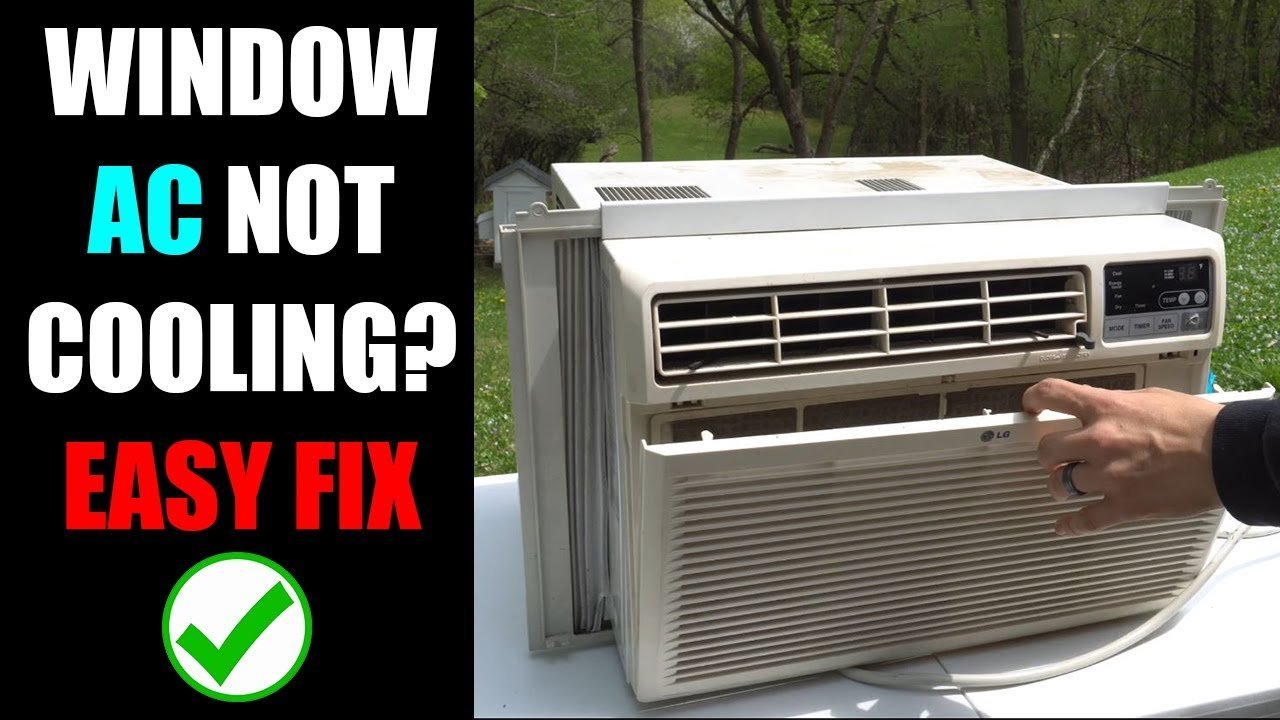
Air conditioners rely on a consistent flow of air to move heat from your room to the outdoors. When this flow is restricted, the temperature inside the unit drops too low, causing moisture in the air to turn into ice on the internal coils. This layer of ice acts as an insulator, stopping the cooling process entirely.
Another frequent reason for failure involves the thermostat. If the sensor doesn’t correctly read the room temperature, the unit may shut off too early or fail to start the cooling cycle. This often happens if the unit is placed near a heat source like a lamp or a window that gets direct sunlight. The thermostat senses this local heat and assumes the whole room is warm, even if the rest of the space is comfortable.
Electrical issues also play a significant role. If your power supply is unstable or the breaker has tripped, the system may show lights but fail to engage the compressor. Proper maintenance of these components is essential to ensure the unit operates efficiently without drawing excessive power. If you notice the unit humming but the fan doesn’t spin, the start capacitor may be failing. Because a capacitor can hold a lethal charge even when the unit is unplugged, never attempt to open the housing or touch internal electrical components yourself. If you suspect an internal electrical failure, contact a certified HVAC technician to handle the repair safely.
Clean the intake filters
This fix is for users who notice weak airflow or ice buildup on the front face of the unit. First, power off the unit and remove the front panel or the filter tray located behind the intake grille. If you see a thick layer of dust or lint, the airflow is restricted. Use a vacuum with a soft brush attachment to remove loose debris, then wash the filter in warm, soapy water. Let it air dry completely before sliding it back into place.
If your filter is made of a thin mesh, handle it gently to avoid tearing the material. If the filter is damaged or the mesh is frayed, it won’t catch dust effectively, which could lead to dirt buildup on the internal coils. In this case, you must order a replacement filter that matches your specific model number. If you’re unsure of the model, check the label on the side of the unit. Don’t try to run the unit without a filter, as this will allow dust to enter the system and cause permanent damage to the blower fan. Once the clean and dry filter is reinstalled, turn the unit on and set the fan to high. If the airflow feels strong and the air begins to cool after ten minutes, the problem is solved. If the airflow remains weak after cleaning, the issue may be a blockage in the ductwork or a failing fan motor, which requires professional inspection.
Adjust the thermostat settings
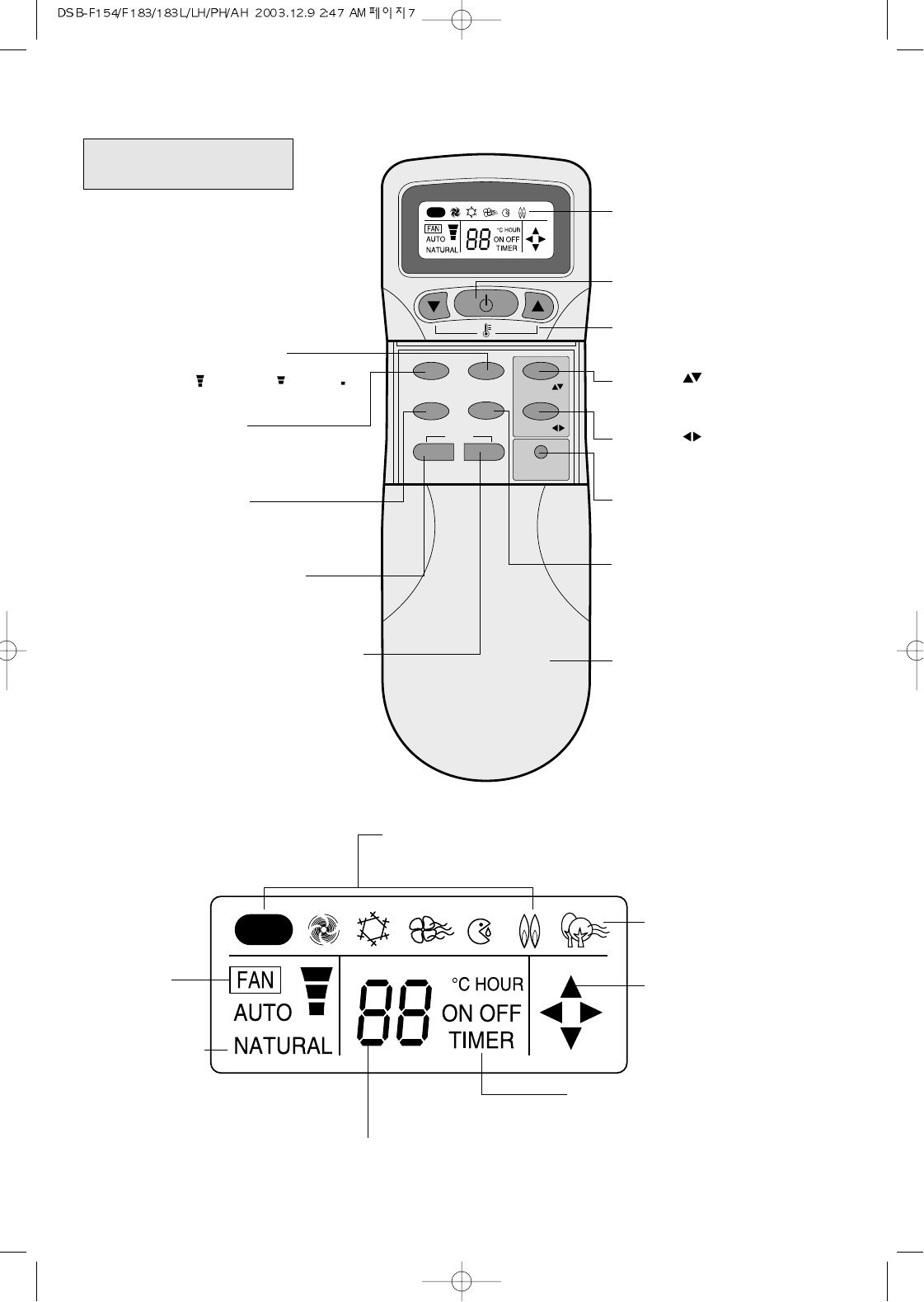
This fix is for units that cycle on and off too frequently or fail to reach the desired temperature. First, ensure the unit isn’t blocked by heavy curtains or furniture, as these items trap cold air and trick the sensor. Set your remote control to “Cool” mode and adjust the temperature to five degrees below the current room temperature.
If your unit has an “Energy Saver” or “Eco” mode, try switching it to “Cool” or “Fan Only” mode. Eco modes often turn the fan off completely when the compressor stops, which can make the room feel stale. If you’re in a very humid climate, ensure the fan is set to “Auto” so the unit can remove moisture from the air effectively. If the unit still doesn’t cool, check the remote control batteries. A low-power signal can cause the unit to receive erratic commands. Replace the batteries and reset the remote to the default settings. If the unit remains unresponsive to the remote, check the manual override button usually located under the front panel. If the unit responds to the manual button but not the remote, you need a replacement remote control. If it responds to neither, the internal control board may be faulty. This is a common trade-off: manual controls are a reliable backup, but they can’t provide the full range of settings that a working remote offers.
Inspect the power supply
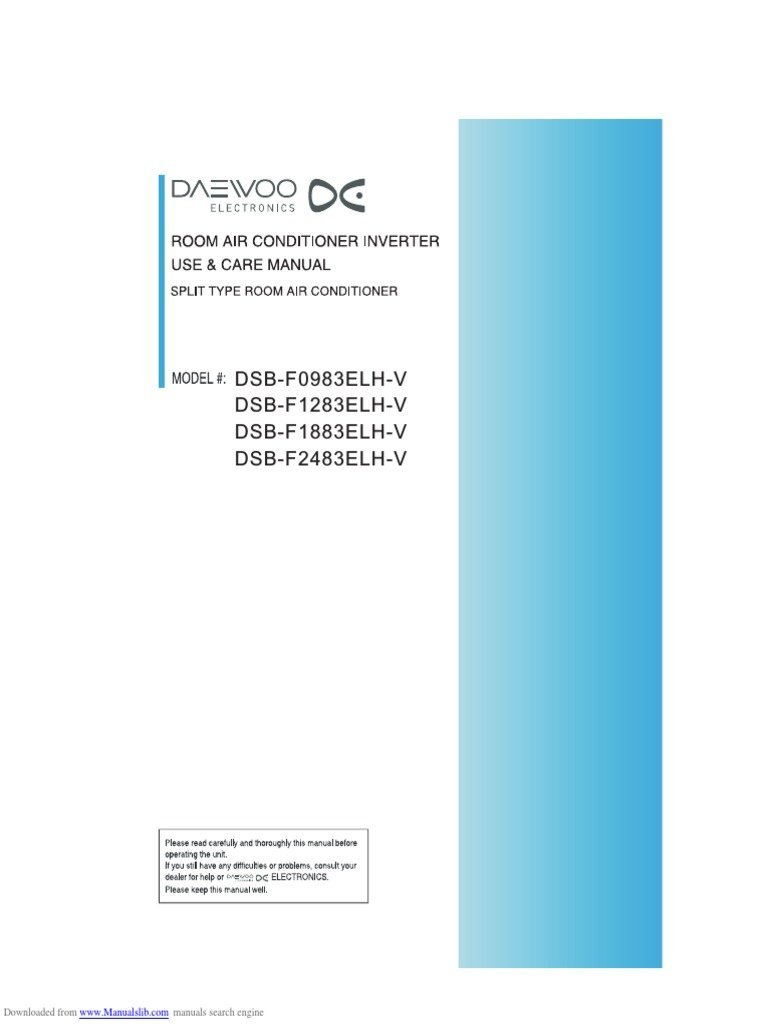
This fix is for units that show no signs of life, such as lights that don’t turn on or a display that remains blank. First, check your home’s main electrical panel to see if the circuit breaker has tripped. If the switch is in the middle position, flip it all the way to “Off” and then back to “On.” If the unit was plugged into a power strip or extension cord, remove it and plug the unit directly into a wall outlet.
Air conditioners draw a high amount of current, and using an extension cord often causes a voltage drop, which triggers the unit’s internal safety shutdown. If the unit still doesn’t turn on, test the outlet with another small appliance, like a lamp, to ensure the outlet itself has power. If the lamp works in that outlet but the air conditioner does not, the issue is internal. If your unit has a GFCI plug—the kind with a “Test” and “Reset” button—press the “Reset” button firmly. If it clicks into place and the unit starts, the plug was simply protecting you from a ground fault. If the button doesn’t stay in or the unit still won’t start, the power cord or the internal fuse may be damaged. This is a point where you must stop. Never attempt to replace a fuse or open the unit housing, as these are tasks for a licensed professional. If the unit is under warranty, contact the manufacturer to find an authorized service center. Attempting to force a repair on a dead unit can void your warranty and create a fire hazard.
What not to do
- Don’t spray water directly into the unit. Water will damage the electronic control board and the motor, leading to a complete system failure that’s costly to repair.
- Don’t use a knife or sharp tool to chip away ice. You might puncture the refrigerant lines, which causes a leak that requires a professional to fix and can release harmful chemicals.
- Don’t block the outdoor exhaust vents. If the air can’t escape, the compressor will overheat and shut down to prevent a fire, which shortens the lifespan of your unit.
- Don’t ignore a burning or plastic smell. If you smell smoke or melting plastic, turn off the breaker immediately, as this indicates a severe electrical short that could lead to a house fire.
How to stop it happening again
Consistent care prevents most common failures. By following a simple schedule, you keep the internal components clean and ensure the system runs at peak efficiency.
| If you’re doing this | Do this instead | Why |
|---|---|---|
| Using an extension cord | Plug directly into the wall | Avoids voltage drops and fire risks |
| Keeping the unit in direct sun | Use blinds or curtains | Helps the sensor read room temp |
| Running it on max all day | Use a programmable timer | Reduces stress on the compressor |
Frequently asked questions
Can I fix a coolant leak myself?
No, you can’t fix a coolant leak yourself because it requires specialized equipment to handle pressurized refrigerant gases. These gases are strictly regulated for environmental and safety reasons. You must contact a licensed HVAC professional to locate the leak and recharge the system.
Why is my air conditioner dripping water inside?
Water dripping inside is usually caused by a clogged drain line or an unlevel installation. The condensation that forms on the cooling coils is designed to flow out through a small drain hole. If the blockage is deep inside, you’ll need a technician to flush the line.
How long should a Daewoo air conditioner last?
Most residential air conditioners last between ten and fifteen years with regular maintenance. This estimate assumes you clean the filters monthly and have a professional inspect the system as needed. If you live in a coastal area, external components may corrode faster, reducing the lifespan.
Is it safe to leave the air conditioner on all day?
Yes, it’s safe to leave your unit running, provided the filters are clean and the unit isn’t making strange noises. Modern units are designed to run for long periods. However, running the unit at full power when you aren’t home wastes energy.
What happens if I run the unit with a dirty filter?
Running the unit with a dirty filter forces the motor to work much harder to pull air through the system. This leads to reduced cooling efficiency, increased electricity consumption, and potential coil freezing. Regularly cleaning your filter is the most effective way to prevent these issues.
Final Thoughts
If your unit still isn’t blowing cold air, don’t hesitate to reach out to a certified repair person. They’ll have the right tools to handle complex electrical or refrigerant problems safely. It’s always better to get professional help early so you won’t be stuck in the heat for long.
Related guides
- Daikin Air Conditioner Troubleshooting: Quick Fixes for Cooling in 2026
- Nordic RV Refrigerator Troubleshooting: Fix Cooling Issues Fast in 2026