
You can resolve most common performance issues by checking the power supply, door seals, and condenser coils as part of your Thermador Refrigerator Troubleshooting process. If your unit isn’t cooling, the first step is always to verify that the power cord is pushed firmly into the outlet and that the circuit breaker hasn’t tripped. Most cooling problems stem from simple airflow blockages or dirty coils, which are easy for any owner to fix. If the unit remains warm after these checks, you may have a failed component that requires professional help.
Thermador Refrigerator Troubleshooting

Internal temperature issues usually occur because the refrigerator can’t move heat away from the cabinet efficiently. The most common cause is restricted airflow. If you pack the fridge too full, cold air can’t circulate around your food. When the air stays stagnant, the thermostat inside the unit reads the wrong temperature and keeps the compressor running too long, or it shuts it off before the food is actually cold.
Another frequent cause is a faulty door seal. If the rubber gasket around the door is cracked, dirty, or loose, warm air from your kitchen leaks into the cold compartment. This forces the refrigerator to work harder than it should. You can test this by closing the door on a thin piece of paper; if you can pull the paper out with almost no resistance, the seal is likely failing.
Finally, dirty condenser coils cause the system to overheat. The coils sit at the bottom or back of the unit and release the heat extracted from inside. When they’re covered in dust or pet hair, they act like an insulated blanket. This prevents heat exchange, forcing the compressor to run constantly. This is a common issue addressed in the Thermador official support documentation for maintaining cooling efficiency. If these simple physical checks don’t restore normal operation, the problem might be a failed fan motor or a control board issue, which aren’t user-serviceable parts.
Safety: Inside a mains-powered machine, the parts behind the outer cover can hold a dangerous electrical charge even after it has been unplugged — that’s why they sit behind a cover. Opening the housing, or testing or replacing anything behind it, is a job for a qualified technician, never a home repair.
Clean the condenser coils
Cleaning the condenser coils is a simple task that fixes many cooling problems. You should do this if the refrigerator is running constantly but the interior isn’t staying cold. First, find the toe kick grille at the bottom front of the unit. Remove the screws or pull the grille forward to reveal the coils. Using a vacuum with a soft brush attachment, gently remove all dust and debris from the metal fins. Be careful not to bend the delicate fins, as damaged fins block airflow.
If you have a long-haired pet or a dusty home, you should clean the coils regularly as part of your usual clean. This fix isn’t for those who are uncomfortable working in tight spaces or moving the unit. If the noise persists after vacuuming, you must call a certified technician.
Check the door alignment
If your door is sagging or the seal isn’t creating a vacuum, the refrigerator will lose cold air rapidly. This fix is for those who notice visible gaps between the gasket and the frame. First, look at the hinges at the top and bottom of the door. If the door looks lower on one side, it isn’t closing tight. You can use a screwdriver to adjust the hinge screws slightly to lift the door back into place.
This is a trade-off: tightening a hinge takes five minutes, but replacing a seal requires ordering the exact part for your specific model number. This varies by model — check the label inside your fridge for the serial number before ordering parts. If the door still doesn’t seal after adjustment, don’t force it shut with heavy objects. Excessive pressure can bend the door frame, which is a much more expensive repair. If you aren’t comfortable adjusting heavy appliance doors, contact a professional to avoid damaging the hinges or the finish of the unit.
Reset the cooling system
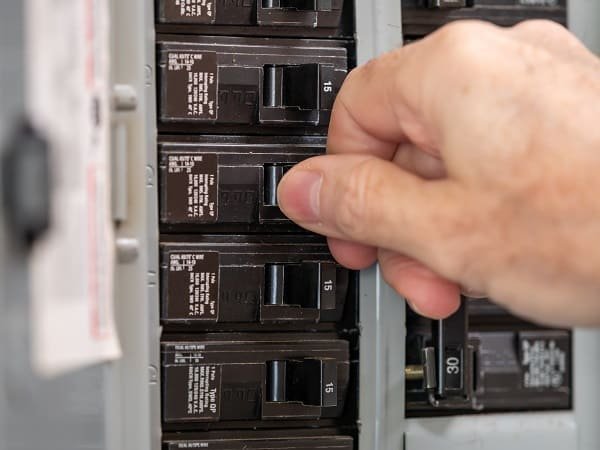
Sometimes the digital control board becomes unresponsive, causing the cooling cycle to stall. This fix is worth the effort if your display is showing an error code or if the light is on but the compressor doesn’t seem to run. Simply unplug the refrigerator from the wall outlet or flip the dedicated circuit breaker in your home’s electrical panel. Leave the power off for at least 60 seconds to allow the control board to fully discharge and reset its memory.
After the minute has passed, plug it back in or turn the breaker on. Wait for 24 hours to see if the temperature stabilizes. This isn’t for cases where you smell burning plastic or hear clicking sounds coming from the back of the unit; those are signs of a failed relay or compressor, which require a professional repair service. If the fridge was working fine until a power surge happened, a reset often fixes the logic. However, if the unit goes into error mode again shortly after, the control board might have a permanent hardware failure. At that point, you shouldn’t try to open the housing or inspect the circuit board yourself. Professional technicians have the diagnostic tools to test voltage at the board safely.
What not to do
- Never use a sharp object like a knife to scrape ice off the cooling fins, as you might puncture the sealed refrigerant system and cause a permanent leak.
- Don’t attempt to spray water or cleaning solution directly onto the electrical components or the fan motor, because moisture can cause a short circuit.
- Avoid placing heavy items on top of the door or hanging organizers on the inside, as the extra weight will cause the hinges to sag over time.
- Never try to bypass the door switch or internal sensors to “trick” the fridge into cooling, because this can lead to the compressor overheating and failing entirely.
- Don’t leave the refrigerator door open for long periods while cleaning, as this causes the compressor to work at maximum capacity to recover, which can shorten its lifespan.
How to stop it happening again
Consistent maintenance prevents the majority of refrigeration failures.
| If you’re doing this | Do this instead | Why |
|---|---|---|
| Leaving the door open | Use a checklist for groceries | Prevents warm air buildup |
| Blocking the air vents | Leave two inches of space | Allows cold air circulation |
| Forcing the door shut | Adjust the hinge screws | Stops seal air leaks |
Frequently asked questions
Can I fix a Thermador refrigerator myself?
You can fix many common issues yourself, such as cleaning coils, checking door seals, or resetting the control board. Most problems are related to airflow or maintenance rather than complex mechanical failures. Never attempt to repair the compressor, refrigerant lines, or high-voltage boards, as these require specialized training.
Why is my Thermador refrigerator leaking water?
Water leaks usually happen because the defrost drain tube is clogged with food particles or ice. Locate the drain hole inside the back of the fridge and gently clear it with a warm, damp cloth or soft pipe cleaner. Don’t use metal wires or sharp tools, as these can puncture the tubing.
How long does a Thermador refrigerator take to cool?
It typically takes 24 hours for a refrigerator to reach its target temperature after being plugged in or reset. Don’t add a large amount of room-temperature food immediately, as this will overwhelm the system. If the fridge is still warm after 24 hours, check if the condenser fan is running.
Is it safe to leave the fridge running with a bad seal?
No, it isn’t safe to leave the fridge running with a bad seal because the compressor will run constantly to compensate for heat loss. This excessive strain can cause the compressor to burn out, leading to expensive repairs. A poor seal also allows moisture to enter, creating frost buildup on the evaporator coils.
What happens if I ignore a noisy refrigerator?
Ignoring a noisy refrigerator can lead to the total failure of the fan motor or the compressor. A rattling or grinding noise often indicates that a fan blade is hitting debris or a motor bearing is failing. If the noise is internal or coming from the sealed compressor area, contact a technician.
Final Thoughts
If you’ve tried these basic fixes and the temperature still isn’t right, don’t wait for your food to spoil. It’s best to call a certified technician who can inspect the internal parts safely. They’ll identify the issue quickly, so you won’t have to worry about your appliance breaking down again.
Related guides