
Pool Light Transformer Troubleshooting often involves resetting a tripped circuit breaker or checking for loose connections. If your pool light is dark, check your home’s main electrical panel for a flipped breaker. If the breaker is fine, the issue may be a thermal overload or connection failure. Never open the transformer housing, as these units contain electrical components that should only be serviced by a professional; if external checks fail, contact a licensed electrician.
Why this happens
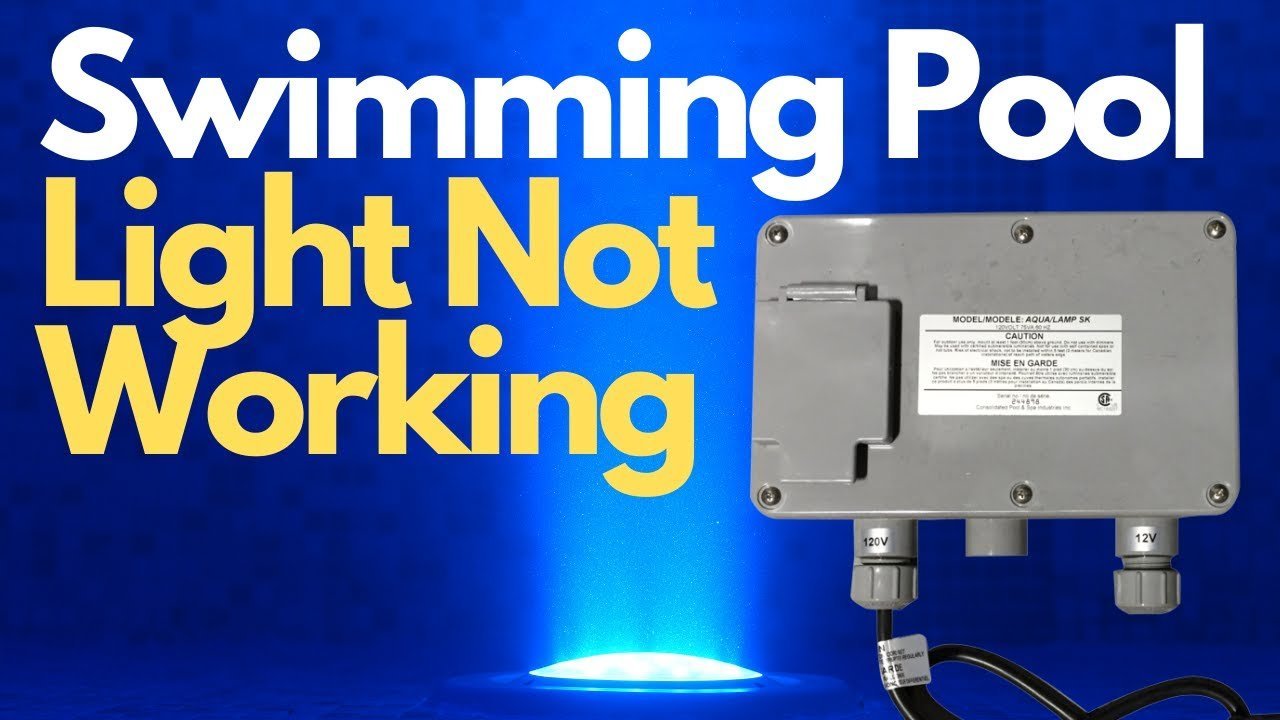
Pool lights stop working primarily due to environmental factors that affect the external wiring or the power delivery system. Because these transformers live outside, they’re exposed to rain, humidity, and temperature shifts. The most common cause is a tripped Ground Fault Circuit Interrupter (GFCI). These devices are designed to cut power instantly if they detect a tiny leakage of electricity, which is a life-saving feature in wet environments. If moisture gets into the conduit leading to your pool light, the GFCI will trip to prevent a shock hazard.
Another frequent cause is a failed photocell or timer. Many pool owners use an automated system to turn lights on at dusk. If the timer relay sticks or the photocell sensor is covered by debris, the transformer won’t receive the signal to turn on. You can usually hear a faint click from the timer when it attempts to engage. If you hear nothing, the control logic is likely not sending power to the transformer.
Finally, physical damage to the wiring can occur over time. If a landscape tool nicks a buried cable or if shifting soil pulls a connection loose at the junction box, the circuit will break. This is common in older installations where wire insulation has become brittle due to prolonged sun exposure. According to the Electrical Safety Foundation International, ensuring that all pool-related electrical components meet current safety standards is critical to preventing accidents. If you suspect the wiring itself is damaged, don’t attempt to patch it; the environment is too dangerous for temporary fixes.
Pool Light Transformer Troubleshooting: Check Breakers and Timers
If your pool light isn’t turning on, the first step is to verify the power source is active. Check your main breaker panel for any switches in the “off” or “tripped” position. If you find a tripped breaker, flip it all the way to “off” before moving it back to “on.” If it trips again immediately, stop. This indicates a short circuit that requires a professional to locate.
Next, look at the pool timer or the wall switch controlling the light. If you have an automated timer, move the trippers manually to the “on” position to see if the light responds. If it works now, your issue is likely the timer clock motor or the sensor, not the transformer itself. Many timers have a small “manual override” switch; toggling this can help you isolate whether the fault is in the timer or the wiring further down the line.
This fix is for those who are comfortable operating standard household breakers. If you’re unsure about identifying the correct breaker, leave it alone. The trade-off here is time versus safety; resetting a breaker takes seconds, but forcing a circuit to stay on when there’s a fault can lead to a fire. If the breaker trips repeatedly, you have a serious electrical fault. This isn’t for a DIY repair, and you should call a licensed electrician immediately.
Inspect the external connections
You can safely inspect the junction box and the area around the transformer to ensure no wires have come loose. Look for any signs of corrosion or exposed copper near the conduit entries. If you see water leaking from a conduit or if the junction box cover is loose, don’t touch it.
If the connections appear solid, check the photocell sensor. If it’s covered by dirt or leaves, clean it gently with a soft cloth. Sometimes, the sensor is simply in a dark spot, which causes the light to stay on during the day or flicker at night. Ensure the sensor has a clear view of the sky.
If the light still doesn’t turn on, check the transformer label for a reset button. Some models have a small button on the exterior of the case intended to reset an internal thermal fuse. If you don’t see a button, don’t assume it’s hidden inside. Never open the housing to look for internal switches. If the unit remains unresponsive after these external checks, the transformer has likely reached the end of its life or suffered internal component failure. In this case, the only option is to have a professional replace the unit with a model that matches your current voltage and wattage requirements.
Test the light bulb separately
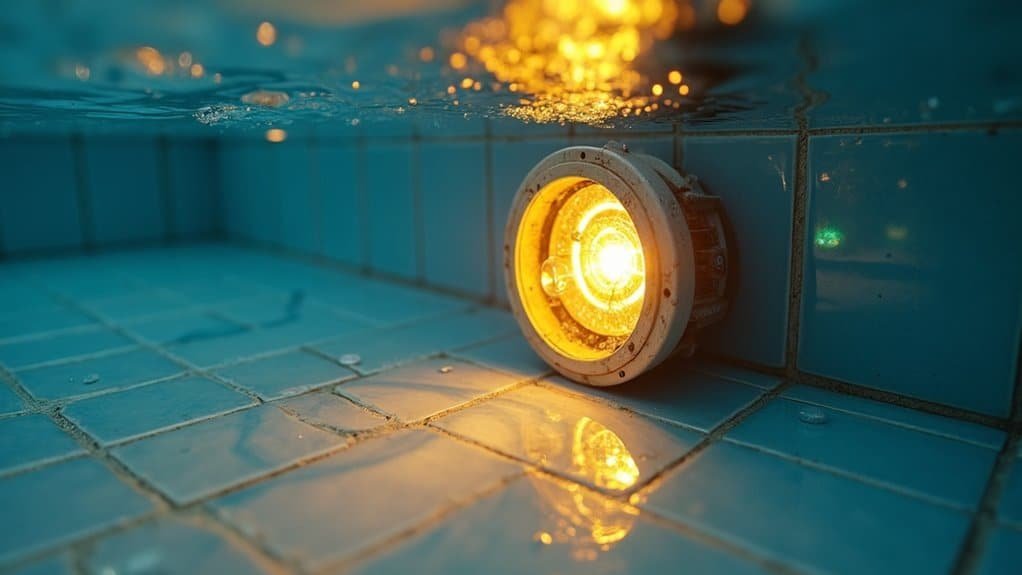
Sometimes the transformer is working perfectly, but the bulb itself has burned out. This is a common mistake that leads people to replace a perfectly good transformer. If you have access to the pool light niche, you can remove the light fixture from the wall to check the bulb.
Always follow the manufacturer’s instructions for your specific light model when removing the fixture. Some require a simple screw removal, while others use a locking ring. If you find a burnt-out bulb, replace it with the exact wattage and voltage specified by the manufacturer. Using a higher wattage bulb can melt the plastic housing or overload the transformer, causing it to fail permanently.
This fix is intended for those who have the necessary tools to safely remove the light fixture from the pool wall. If you aren’t comfortable working with pool fixtures or if the light is located in a deep part of the pool, hire a professional. The risk of damaging the niche seal or dropping the fixture is high, and a bad seal will lead to water in the light housing, which is an expensive repair.
What not to do
- Never open the transformer housing: These units contain capacitors that can deliver a lethal shock even when the power is disconnected; leave all internal work to a professional.
- Don’t bypass the GFCI: Some people try to wire around a GFCI when it keeps tripping, but this removes your primary protection against electrocution in the pool.
- Avoid using non-rated extension cords: Using indoor-rated cords outdoors to power a pool light creates a massive fire and shock hazard because they can’t handle moisture or high current.
- Don’t force a breaker to stay on: If a breaker trips, it’s telling you there’s a fault; forcing it to stay on can cause the wiring in your walls to overheat and start a fire.
How to stop it happening again
Regular maintenance of your pool’s electrical environment prevents most failures. Keep the area around your transformer dry and free of overgrown vegetation.
| If you’re doing this | Do this instead | Why |
|---|---|---|
| Leaving the transformer exposed | Install a protective cover | Keeps rain and debris out |
| Ignoring a tripping GFCI | Call an electrician | Prevents potential shock |
| Using the wrong bulb | Use the exact manufacturer spec | Prevents heat damage |
| Ignoring loose conduits | Tighten the external fittings | Keeps moisture out of wires |
Frequently asked questions
Can I replace the pool light transformer myself?
No, you shouldn’t replace the transformer yourself unless you have specific training in high-voltage electrical systems. Pool lights operate in a wet environment, and an improper installation can lead to fatal electrical shocks for swimmers. A licensed electrician will ensure the unit is correctly bonded and grounded according to the National Electrical Code.
Why does my pool light flicker?
Your pool light flickers usually because of a loose connection at the junction box or a failing bulb base. If the connection isn’t tight, the electrical current will arc, causing the light to pulse or flicker. First, check that the light fixture is fully seated in the niche, but don’t attempt to tighten internal wiring yourself.
How long should a pool light transformer last?
A high-quality pool light transformer can last between ten and fifteen years if it’s kept dry and free of corrosion. This varies by model — check the manufacturer’s documentation for warranty details. If your unit is older than ten years, it’s often more cost-effective to replace it if it shows signs of failure.
Is it safe to swim if the pool light is flickering?
No, you should immediately turn off the breaker for the pool light and stay out of the water. A flickering light often indicates a short or water intrusion, which means the water in the pool could be energized. Don’t enter the pool until a professional has inspected the system and confirmed it’s safe.
What happens if I use a higher wattage bulb?
If you use a higher wattage bulb, you’ll likely overheat the transformer and the light housing. This can melt the plastic lenses, damage the waterproof seals, or cause the transformer to burn out permanently. Always check the light fixture label for the maximum allowed wattage before you purchase a replacement bulb.
Final Thoughts
Keep a record of your pool’s maintenance history in a safe place, as it’ll help a professional diagnose recurring issues much faster. If you’re still in the dark, don’t hesitate to call a local expert. They’ve got the right tools to get your backyard glowing again safely and efficiently.