
Resetting a tripped GFCI outlet or circuit breaker is the fastest fix for pool light transformer troubleshooting when your underwater lights suddenly go dark. The single most common cause is moisture getting into the exterior switch box, which forces the safety switch to shut off power instantly to stop dangerous electrical faults.
Why your pool light transformer stops working
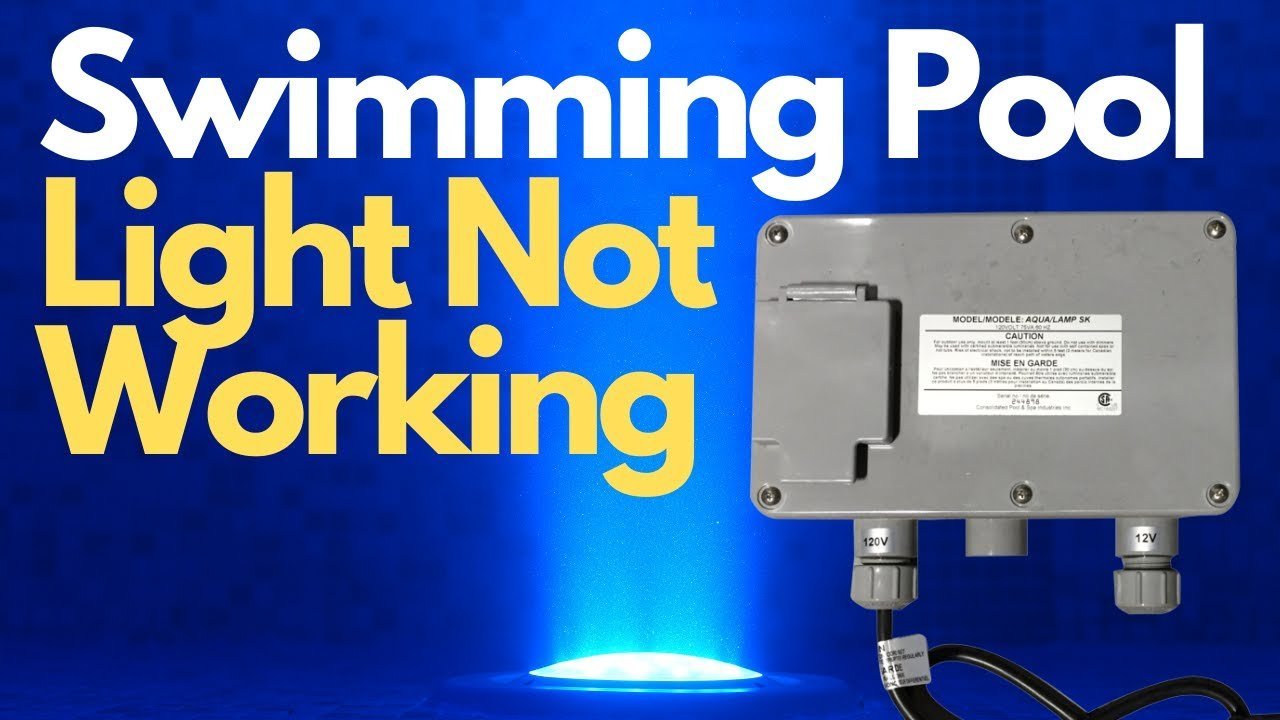 Photo: www.youtube.com on Google
Pool light transformers change standard 120-volt household electricity down to a safer 12-volt or 14-volt line for underwater bulbs. They stop working when safety mechanisms detect a hazard, or when outdoor elements damage the equipment.
Water leaks are the primary culprit. Rain or pool splash seeps past aged silicone gaskets, wetting the input terminals and triggering ground-fault protection.
The second cause is an electrical overload. Adding higher-wattage bulbs than the unit supports causes excessive heat buildup, tripping internal thermal fuses.
Finally, physical wire corrosion breaks the circuit. Chlorine vapors and ambient humidity degrade outdoor copper connections over several seasons, creating loose connections that prevent electricity from reaching the pool niche.
Check the GFCI switch and main breaker
This step is for anyone whose pool lights suddenly won’t turn on at all. Look at the ground-fault circuit interrupter (GFCI) outlet wired before the transformer box, usually mounted on an exterior wall or post. If the little “Reset” button popped out, push it back in firmly until it clicks. Next, inspect your home’s main electrical panel. If the breaker switch moved to the middle or “Off” position, flip it fully off, then switch it back on. You’ll know it worked if the transformer hums quietly and the pool light turns on. If the breaker snaps off instantly when you reset it, stop immediately. You’re dealing with a direct short circuit, so leave it off to prevent electrical hazards.
Inspect the timer pins and manual switch
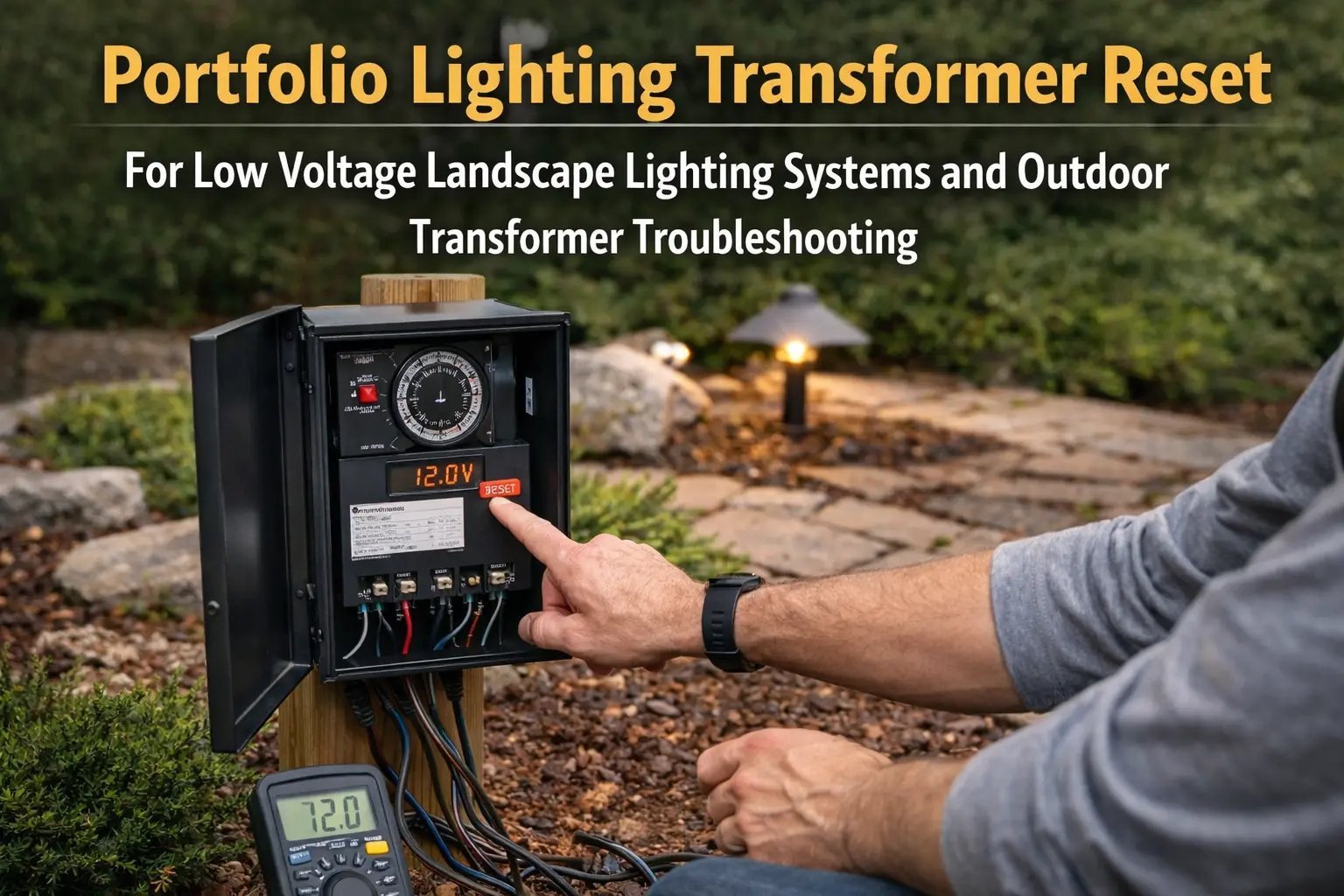 Photo: networkcultures.org on Google
This check helps when your pool equipment has power, but the transformer never activates on schedule. External transformers often connect to mechanical dial timers like those made by Intermatic. Look through the clear plastic door on the timer box to see if the dial is actively rotating. Flip the manual override lever at the bottom of the timer to test if the light turns on by hand. If the light works manually, the timer motor failed or lost its mechanical pins; if it doesn’t, power isn’t reaching the transformer’s low-voltage side.
Look for water damage on the outer box
This safe check is for older units that repeatedly cut off during rain or pool use. Look at the outside of the transformer housing without removing any metal safety panels or touching wiring. Search for brown rust streaks running down the seams, green corrosion near conduit joints, or black soot near the cable entries. Check if the bottom drain hole is clogged with dirt or spider nests. You’ll have to balance the trade-off between quick patch repairs and long-term safety: resealing an old enclosure with silicone buys time, but water damage inside an aged housing usually means replacing the whole enclosure. The Consumer Product Safety Commission pool safety guidelines warn that water intrusion around pool electrical equipment presents severe shock risks. If you see signs of burned plastic, water pooling inside the housing, or damaged conduit, don’t touch the box. Shut off the breaker and hire a licensed electrician to inspect the line.
What not to do
- Don’t keep resetting a breaker that trips instantly, because forcing current through a short circuit melts wiring and can spark a fire.
- Have a technician confirm whether the part has failed, since high-voltage parts carry lethal current.
- Don’t swap low-voltage bulbs for higher-wattage halogen versions, because exceeding the transformer’s labeled maximum wattage will overheat the core.
- Never bypass a GFCI outlet to make a stubborn light work, as eliminating ground-fault protection leaves swimmers vulnerable to severe electric shocks.
How to stop it happening again
 Photo: primepoolmarket.com on Google
Routine outdoor maintenance keeps your low-voltage transformer dry and working every pool season.
| If you’re doing this | Do this instead | Why |
|---|---|---|
| Leaving the exterior box open during yard chores | Keep the weather-rated cover snapped shut | Shields internal components from lawn sprinklers and driving rain |
| Guessing your pool bulb’s power draw | Check the wattage label inside the light niche | Overloading the unit burns out transformer coils |
| Ignoring spider nests in the vents | Clear weep holes with a dry nylon brush monthly | Blocked drainage traps condensation inside the unit |
| Spraying pool chemicals near the equipment pad | Store chlorine buckets far away from the box | Corrosive acid fumes degrade copper leads and rubber seals |
Frequently asked questions
Can a bad transformer ruin an LED pool light?
Yes, a failing transformer can ruin your LED pool light. If the transformer develops shorted primary windings, it can output excessive voltage down the line. These surges burn out sensitive LED driver boards, requiring a full replacement of the underwater fixture.
Why does my pool light buzz loudly?
Loose internal steel plates vibrating against the magnetic field cause that loud buzzing sound. A very faint hum is normal, but a harsh buzz indicates loose mounting screws, heavy electrical overload, or an aging transformer core reaching the end of its functional life.
Is it safe to swim if the transformer trips?
No, it’s not safe to swim when your transformer trips repeatedly. A tripping breaker or GFCI switch signals an active ground fault or water leak somewhere on the circuit. Keep everyone out of the pool until a certified pool electrician repairs the problem.
How long does a pool light transformer last?
Pool light transformers generally wear out as they age under typical outdoor conditions. However, this varies by model — check the label and your local weather exposure. Saltwater air and direct afternoon sunlight will wear out the protective weather seals much faster.
What happens if water gets inside the transformer?
Water will short out the electrical terminals and immediately trip your GFCI breaker. If the safety breaker fails to trip, water inside the housing causes severe corrosion, ruins the transformer windings, and creates a life-threatening electrical shock hazard in your pool water.