
You can solve basic lockouts with simple Ford anti theft system troubleshooting by cycling your programmed original key in the driver door lock or ignition to reset the immobilizer. The most common cause is a weak car battery dropping below standard operating voltage, which makes the computer lose communication with the transponder chip in your key.
Why your Ford anti theft system triggers
 Photo: www.youtube.com on Google
Your vehicle uses a Passive Anti-Theft System (PATS) to protect against break-ins. First, a dying 12-volt car battery causes low voltage, which prevents the computer from reading security codes during startup. Second, an unprogrammed key or a damaged transponder chip inside the key fob prevents the ignition ring antenna from verifying your identity. When this handshake fails, the computer disables the starter motor or fuel pump. Third, physical wear inside the mechanical door lock cylinder or ignition barrel stops the vehicle from reading the key’s position properly. If your theft light blinks rapidly every second instead of pausing, the system doesn’t recognize the key you inserted.
Check your battery voltage and terminals
This fix is for anyone whose dashboard anti-theft light blinks rapidly and the engine won’t crank at all. A low 12-volt car battery triggers false theft warnings because security modules need steady power to read key chips. Pop the hood and inspect both battery terminals for white or blue corrosion. Use a 10-millimeter wrench to confirm the terminal clamps are tight and can’t wiggle by hand. A loose clamp drops voltage instantly when you turn the key. You’ll know this worked when turning the key brings up steady dashboard lights, the theft light turns off after three seconds, and the engine starts normally. If the battery is swollen or leaking acid, stop immediately, avoid touching the fluid, and purchase a replacement unit.
Cycle the driver door lock cylinder
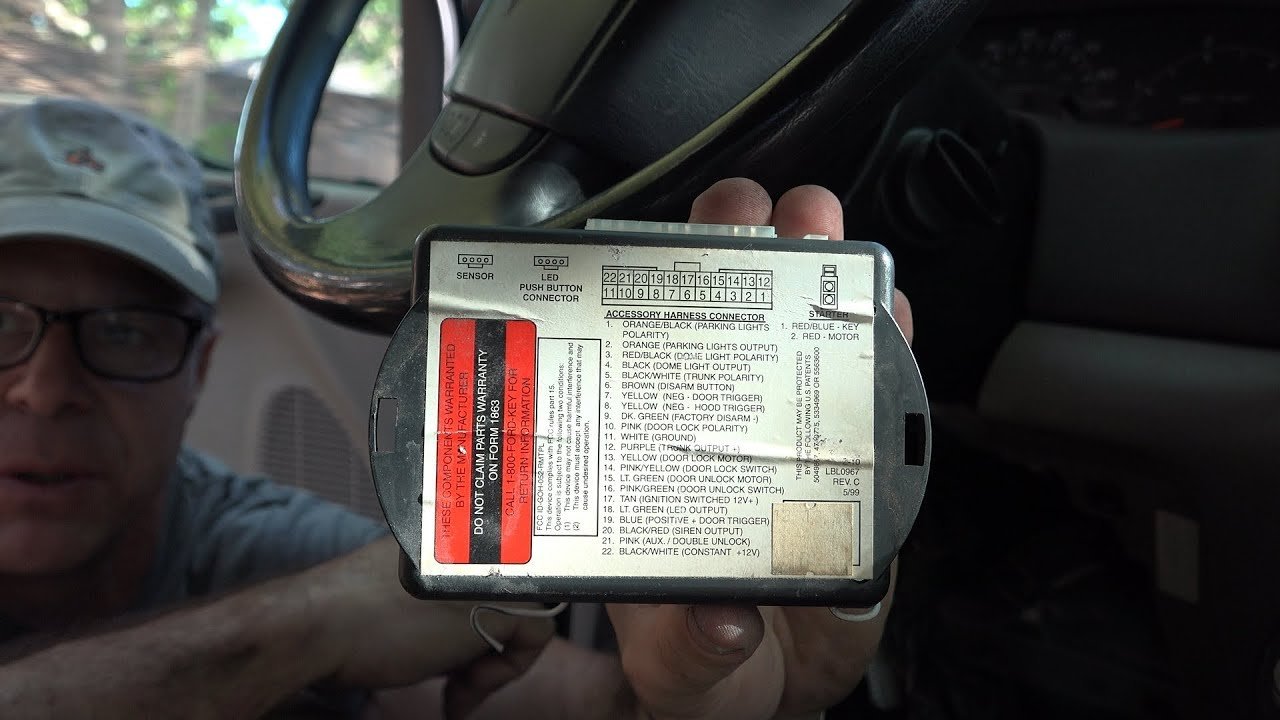 Photo: www.youtube.com on Google
This fix is for drivers locked out because an aftermarket remote failed or the perimeter alarm triggered after unlocking the car. Insert your physical, metal master key directly into the exterior driver-side door lock cylinder. Turn the key to lock the door, then turn it to unlock twice within three seconds. This mechanical action grounds the factory disarm switch inside the door panel. You’ll know it worked when the horn stops sounding and the red dash light stops flashing. This mechanical step bypasses weak key fob batteries, though the trade-off is that it won’t reset internal engine immobilizer codes if your key’s transponder chip is broken.
Run a complete ten-minute ignition cycle
This fix is for vehicles where the theft light flashes rapidly even though the battery has full power. If the theft light continues flashing rapidly after 15 minutes, this points to a failed transceiver ring or damaged wiring; stop attempting resets, because repeated ignition cycles drain your battery, and contact a certified automotive locksmith.
What not to do
- Disconnecting the battery ground cable to clear theft codes rarely works on modern systems because non-volatile memory chips retain security lockouts even without power.
- Spraying standard household lubricants into the ignition lock cylinder gums up the delicate electronic wafers and ruins the transponder antenna ring.
- Forcing the ignition key to turn with heavy pressure bends internal lock pins and risks snapping your key blade inside the column.
- Splicing aftermarket bypass modules into steering column wires bypasses factory safety designs and can permanently damage your central powertrain computer.
How to stop it happening again
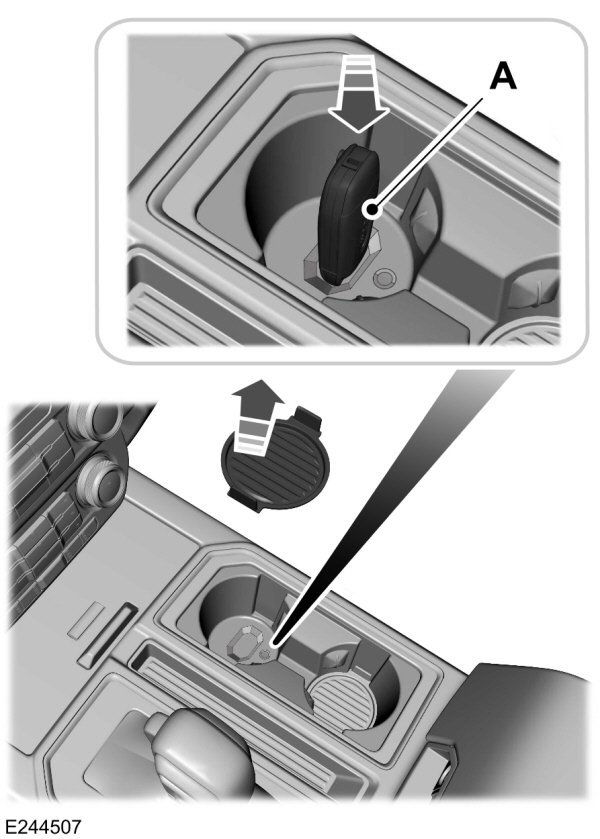 Photo: www.fordservicecontent.com on Google
A simple routine keeps your vehicle security hardware working smoothly year-round.
| If you’re doing this | Do this instead | Why |
|---|---|---|
| Carrying one worn key | Keep a programmed spare key at home | Lost keys require expensive mobile programming visits |
| Ignoring a dying fob battery | Replace fob coin cells every two years | Weak fob signals trigger false perimeter alarm sirens |
| Hanging heavy keychains | Keep only your car key on the ring | Heavy weight wears out the mechanical ignition barrel wafers |
| Ignoring battery corrosion | Clean terminals with a wire brush every six months | Low voltage causes security modules to drop key pairings |
| Buying unverified online fobs | Purchase verified hardware using Ford Owner Support guidance | Cheap aftermarket fobs often lack compatible transponder chips |
Frequently asked questions
Can a dead key fob battery trigger the anti-theft light?
Yes, a dead key fob battery can trigger the light if your vehicle uses push-button start. The car can’t detect the passive smart key signal, so it assumes someone is trying to start the car without authorization. Placing the fob inside the center console backup slot solves this.
Why does my Ford anti-theft light blink rapidly?
Your anti-theft light blinks rapidly because the engine computer can’t read the radio frequency chip inside your key. The transceiver antenna in the steering column checks this chip whenever you turn the key. A damaged chip, aftermarket key, or low system voltage causes this communication error.
How long does an anti-theft system lockout last?
Leaving the key in the ignition during this period lets the transceiver complete a reset cycle. This varies by model — check the label or owner manual for your specific trim.
Is it safe to jump-start a car with the theft light on?
Yes, it’s safe to jump-start the car if low voltage triggered the lockout. Connect the booster cables properly to provide standard 12-volt current. If the immobilizer was upset by a drained battery, supplying clean jumping power often clears the theft light immediately.
What happens if I use an unprogrammed replacement key?
An unprogrammed key will turn the mechanical ignition cylinder, but the car won’t start. The anti-theft light will flash violently, the starter motor will remain disabled, and the computer shuts off the fuel injectors to prevent theft until a verified key is introduced.
If your car still won’t start, don’t stress. Your next best move is to call a trusted local automotive locksmith. They can cut and program a fresh spare key right in your driveway, which saves you a pricey tow truck trip to the dealership. Keep that backup key safe at home.