
Solving your system’s issues begins with Emacros driveway alarm troubleshooting by power-cycling both units and verifying clear sightlines between them. Weak batteries and dirty sensor lenses cause most sudden failures. Turn off the indoor receiver, take the outdoor sensor down, bring both onto a table a few feet apart, and test them indoors to confirm they still communicate.
Why this happens
 Photo: is.manuals.plus on Google
Driveway alarms stop working for three main physical reasons. First, outdoor weather drains rechargeable cells, while dirt or spiderwebs cover the passive infrared (PIR) window. If the sensor lens can’t read sudden changes in heat, it won’t trigger. Second, radio frequency interference from thick metal sheds, foil insulation, or wet trees blocks the wireless signal from reaching the base station. Third, receiver pairing codes drop after deep power cuts or battery depletion. When the indoor unit loses track of the sensor’s frequency channel, the chime stays silent even if the outdoor unit clicks and flashes correctly.
Clean the sensor lens and test battery power
This fix is for alarms that stay silent when cars drive past. Take down the outdoor sensor and wipe the plastic dome using a soft damp microfiber cloth. Mud or water streaks scatter the infrared light, which prevents the sensor from reading thermal movement. Next, check your power supply. If your unit uses disposable cells, install fresh alkaline batteries; if it has a solar panel, plug it into a standard 5V micro-USB wall charger for four hours indoors. Wave your hand 12 inches directly in front of the lens. A faint red LED should blink behind the plastic, confirming the detector sees motion and has sufficient operational voltage.
Re-pair the sensor to the indoor receiver
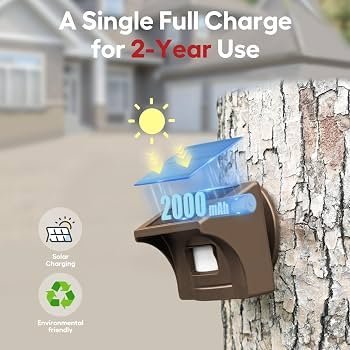 Photo: olympiafitness.com.br on Google
This fix is for systems where the outdoor eye lights up, but the indoor chime makes no sound. Bring the sensor into the same room as the base receiver. Press and hold the pairing button on the indoor receiver until the chime rings and the zone light flashes, which signals it’s listening. Immediately wave your hand in front of the sensor to transmit a burst code. The base will chime a confirmation melody. This step carries a trade-off: pairing the receiver close by is easy, but it won’t tell you if trees block the signal outside. If it chimes on your table, move it outside; if it fails to chime indoors, the radio board has failed.
Clear line-of-sight obstructions and remount
This fix is for hard cases where the system works on a table but fails along your driveway. Thick vegetation and metal objects block radio waves. You must remount the sensor about four to five feet high, tilted slightly downward toward passing tires rather than horizontal into open air. If you have dense pine trees, move the receiver closer to an exterior window facing the driveway. If you have metal wall siding, move the indoor base away from exterior walls. This fix isn’t for people with long driveways beyond the model’s rated reach. For steep hills or distances over a third of a mile, physical layout limits your gear—check the label on your specific model for its rated line-of-sight range.
What not to do
- Don’t aim the sensor directly toward the rising or setting sun, because direct solar rays flood the lens and trigger constant false alerts.
- Don’t mount the unit against sheet metal siding or inside metal boxes, as metal reflects radio signals and cuts range to near zero.
- Don’t spray commercial bug spray or harsh glass cleaner on the plastic housing, since chemical solvents fog the sensitive optical lens.
- Don’t crack open the sealed sensor casing, because you’ll tear the rubber waterproofing seal and cause rain damage that costs you a whole replacement.
How to stop it happening again
Simple physical habits keep your outdoor sensor communicating with the indoor receiver throughout all four seasons.
| If you’re doing this | Do this instead | Why |
|---|---|---|
| Pointing sensor at swaying tree limbs | Angle sensor down toward the driveway pavement | Wind-blown leaves warm in the sun and trigger false alarms |
| Letting winter snow bury the solar top | Wipe the top face clear after every heavy snowfall | Solar cells need clean light to prevent complete battery drain |
| Placing the base station behind a television | Set the base near a window on a wooden table | Electronics emit radio noise that drowns out the sensor signal |
| Leaving dead batteries inside all winter | Pull depleted cells out before temperatures freeze | Leaking battery acid ruins the internal metal battery contacts |
| Testing the alarm while standing behind it | Walk directly across the field of view from 15 feet | PIR detectors spot sideways crossing motion better than forward motion |
Frequently asked questions
Can cold weather stop an Emacros driveway alarm from working?
Yes. Sub-zero winter temperatures quickly drain standard rechargeable cells and slow chemical battery output. The Federal Communications Commission regulates consumer low-power wireless transmitters, which require adequate voltage to send a clear burst signal through freezing, dense air to your indoor receiver.
Why does my driveway alarm go off when nothing is there?
Sunlight and wind cause most false alerts. When the sun heats up tree branches, strong gusts shake them quickly across the detection zone. The sensor reads that sudden shift in surface heat as a moving car or person, which trips the indoor chime.
How do I change the chime sound on the receiver?
Press the melody selection button on the side of the receiver until you hear your preferred tone. Once selected, activate the outdoor sensor by hand within five seconds. The receiver saves that specific song to that detection zone.
What happens if the solar sensor completely drains of power?
The internal battery enters a deep sleep state where regular sunlight is too weak to start charging. You must dismount the unit, bring it inside, and plug a standard 5V micro-USB cable directly into its service port for four hours.
Is it safe to leave the alarm out in heavy rain?
Yes, as long as the silicone port covers stay firmly pressed into place. The outer shell uses water-resistant seals designed for normal rain and snow. It will fail if placed under roof runoff channels or submerged in driveway puddles.
Related guides
- E Z Go Golf Cart Troubleshooting Manual: Fix Common Failures
- Daikin Air Conditioner Troubleshooting: Fix Common Errors
- Maytag Washer Bravos XL Troubleshooting: Fix Common Errors