
Is your Holley carburetor acting up? You know that sputter, that hesitation, that frustrating lack of power.
It’s a common problem, but thankfully, you don’t have to be a master mechanic to fix it. This guide is here to help you get your classic ride running smoothly again. We’ll walk you through the most common Holley carburetor issues and show you exactly how to solve them, saving you time and money.
Ready to get your engine purring like it should? Let’s dive in.

Credit: www.holley.com
Common Holley Carburetor Problems
Holley carburetors are powerful. They demand attention. Understanding common issues helps. This guide tackles those problems. You can fix them. Keep your engine running smoothly.
Engine Won’t Start
No start? Check the basics. Is there fuel? Is there spark? The carburetor might be dry. Or it could be flooded. Look for obstructions. A clogged fuel line is possible. The float bowl might be empty.
Rough Idling
Engine shakes at idle? It’s not right. Idle mixture screws are key. Adjust them carefully. Vacuum leaks cause problems. Check all hoses. The throttle linkage might be loose. A dirty carburetor needs cleaning.
Hesitation Or Stumbling
Engine hesitates on acceleration? This is common. The accelerator pump is suspect. It might lack fuel. Or it might be too much. Check the pump diaphragm. Is it torn? Is the linkage working?
Flooding
Too much fuel enters? This is flooding. The engine smells like gas. It won’t start easily. Check the needle and seat. They might be stuck open. The float level could be too high. Debris causes issues too.
Lean Condition
Engine runs hot? It might be lean. Not enough fuel enters. The air-fuel mix is wrong. Check for vacuum leaks. The main jets could be too small. The float level might be too low. This can damage your engine.
Rich Condition
Engine sputters? It might be rich. Too much fuel enters. The air-fuel mix is wrong. Check the choke operation. Is it stuck closed? The float level might be too high. Power valves can fail. Clogged air bleeds cause this.
Fuel Leaks
See gas dripping? This is serious. Check fuel lines first. Ensure they are tight. Gaskets can fail. The float bowl might be cracked. The needle and seat are vital. Replace worn parts. Safety is important.

Credit: www.holley.com
Holley Carburetor Anatomy
Understanding your Holley carburetor starts with its parts. Knowing each piece helps you fix problems. This guide breaks down the anatomy. We will look at key components. You will learn what they do. This knowledge empowers you. Troubleshooting becomes much easier.
Every part plays a role. Let’s explore them.
Float Bowl
The float bowl holds fuel. A float controls the fuel level. It works like a toilet tank. Too much fuel? It stops. Too little fuel? It lets more in. This keeps fuel ready.
Jets
Jets are small holes. They control fuel flow. Larger jets mean more fuel. Smaller jets mean less fuel. They match engine needs. Proper jetting is vital.
Power Valve
The power valve adds fuel. It activates under load. Think hard acceleration. It enriches the mixture. This provides extra power. It prevents lean conditions.
Accelerator Pump
This squirts fuel. It happens on acceleration. It prevents hesitation. A sudden burst of fuel. This smooths out the throttle. It mimics the old carburetor.
Choke
The choke controls airflow. It helps cold starts. A closed choke restricts air. This makes the mixture richer. Warmer engines need less choke. It opens as the engine warms.
Idle Mixture Screws
These adjust idle fuel. They control the air-fuel mix. At idle, the engine runs lean. These screws fine-tune it. Smooth idling is the goal. Adjust them carefully.
Troubleshooting Steps
Troubleshooting your Holley carburetor can seem daunting. A systematic approach helps find the problem fast. Follow these steps carefully. You will get your engine running smoothly again. Don’t get discouraged. Patience is key.
Visual Inspection
Start with a good look. Check all hoses. Are they cracked or loose? Inspect the fuel lines. Look for any leaks. See if linkages are bent. Make sure everything is connected. A simple visual check finds many issues.
Fuel Delivery Check
Is fuel reaching the carburetor? Remove the fuel line. Turn the engine over. Fuel should spray out. If not, check the fuel pump. Ensure the fuel filter is clean. A clogged filter stops fuel flow. Check the fuel level in the bowl. It should be correct.
Ignition System Check
A carburetor needs spark. Check your spark plugs. Are they fouled or worn? Inspect the spark plug wires. Look for damage. Test your ignition coil. Ensure it is working properly. A weak spark causes poor running. Good ignition is vital.
Vacuum Leak Detection
Vacuum leaks cause rough idle. Listen for hissing sounds. Spray carburetor cleaner around the base. If the engine speed changes, find the leak. Check intake manifold gaskets. Inspect vacuum hoses for cracks. Seal any leaks you find.
Carburetor Adjustment Basics
Adjusting the idle mixture is important. Find the idle mixture screws. Turn them in gently. Then back them out. Consult your manual for settings. Adjust the idle speed screw too. Small adjustments make a big difference. Listen to your engine’s sound.
Specific Problem Fixes
Sometimes, your Holley carburetor acts up. Specific problems need specific fixes. Let’s tackle common issues. You can get your engine running smoothly again. This guide helps you diagnose and repair.
No Fuel To Carburetor
Check your fuel pump. Is it working correctly? Inspect the fuel filter. It might be clogged. Look at the fuel line. Ensure it is not kinked. Verify the fuel pickup is clear. Clean or replace parts as needed. This restores fuel flow.
Fuel Leaking From Sight Glass
The needle valve is likely stuck. Tap the float bowl gently. This might free the valve. If not, remove the float bowl. Clean the needle and seat. Check for damage. Replace worn components. Leakage will stop then.
Carburetor Stalls Engine
Your idle mixture might be off. Adjust the idle screws. Check for vacuum leaks. Hoses can crack. Inspect the throttle shafts. They can wear over time. A dirty carburetor is also common. Clean it thoroughly. This prevents stalling.
Engine Runs Rich
Too much fuel enters. The power valve might be blown. Check its diaphragm. Float levels can be too high. Adjust them down. The choke might be stuck closed. Ensure it opens fully. This corrects the rich condition.
Engine Runs Lean
Not enough fuel enters. Check for vacuum leaks again. Fuel filters can be clogged. Float levels may be too low. Adjust them up. The main jets could be too small. Consider larger ones. This fixes the lean condition.
Hesitation On Acceleration
The accelerator pump is key. Check its diaphragm. Ensure it squirts fuel. The squirter nozzle might be blocked. Clean it out. Timing can also cause hesitation. Verify your ignition timing. Proper acceleration pump function is vital.
Carburetor Backfires
This means ignition timing is wrong. It could be too advanced. Check your distributor. Lean fuel mixture causes backfire. Review lean conditions. A sticking intake valve is possible. This is a more serious issue. Correct timing and mixture.
Holley Carburetor Tuning Tips
Tuning your Holley carburetor is key. It ensures your engine runs smoothly. Proper tuning improves performance. It also boosts fuel economy. This section offers practical tuning tips. Follow these steps for a better running engine.
Adjusting Idle Speed
Your engine idles too high? Or too low? Adjust the idle speed screw. This screw controls throttle plate opening. Turning it clockwise raises idle speed. Turning it counterclockwise lowers idle speed. Find the sweet spot. Aim for a stable idle. Your engine should not stall.
Setting Idle Mixture
Idle mixture affects fuel and air. It controls the air-fuel ratio. Adjust the mixture screws. These screws control fuel flow. Turn them in or out. Small adjustments make big changes. A lean mixture causes hesitation. A rich mixture causes rough idling. Listen to your engine. Adjust until it runs best.
Tuning The Accelerator Pump
The accelerator pump adds fuel. It helps during acceleration. A weak pump causes bogging. A strong pump causes rich conditions. Check the pump linkage. Ensure it moves freely. Adjust the pump arm position. This changes fuel delivery timing. Get it right for crisp throttle response.
Selecting The Right Jets
Jets control fuel flow. They are crucial for main circuits. Larger jets add more fuel. Smaller jets add less fuel. Jetting depends on your engine. It also depends on conditions. Consult your carburetor manual. Start with recommended sizes. Make small changes. Test after each change.
Power Valve Selection
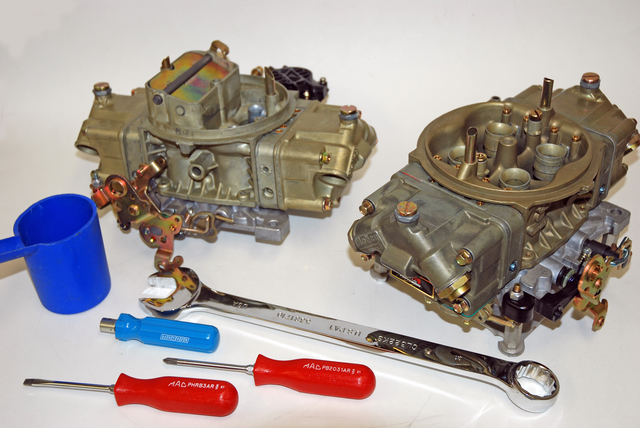
The power valve enriches the mixture. It activates under load. It provides extra fuel for power. A power valve opens at low vacuum. A higher number means higher vacuum. Choose a valve that matches your engine vacuum. Incorrect selection causes rich or lean conditions. Test your engine vacuum. Select the appropriate power valve.
Credit: www.racingjunk.com
Maintenance Essentials
Proper maintenance keeps your Holley carburetor running smoothly. Small checks prevent big problems. These essentials ensure peak performance. Your engine will thank you.
Regular Cleaning
Dirt clogs fuel passages. Clean your carburetor often. Use carburetor cleaner spray. Spray into all openings. Allow it to dry completely. A clean carb breathes better.
Gasket And Seal Replacement
Old gaskets leak fuel. Leaking seals cause poor running. Inspect all gaskets regularly. Replace any that look worn. Use new gaskets for assembly. This stops unwanted leaks.
Choke Adjustment
The choke controls cold starts. Adjust it for proper function. Too rich, it floods the engine. Too lean, it stalls when cold. Follow your manual’s guidance. A good choke means easy starts.
Float Level Setting
The float controls fuel level. An incorrect level causes issues. Too high, fuel spills over. Too low, the engine starves. Set the float precisely. This ensures consistent fuel delivery.
When To Seek Professional Help
Sometimes, your Holley carburetor needs expert hands. DIY fixes have limits. Knowing when to stop is smart. It saves time and money. It keeps your engine safe.
Complex Issues
Some problems are tricky. They go beyond simple adjustments. You might face inconsistent fuel delivery. The engine could stumble badly. Air-fuel mixture issues persist. These signs point to deeper trouble.
Internal Damage
Your carburetor has many parts. These parts can wear out. Leaking seals cause fuel loss. Worn jets affect flow. Stuck floats disrupt fuel levels. Visible damage means professional repair. Don’t force broken components.
Performance Tuning
Getting peak performance is hard. It requires specialized knowledge. Fine-tuning for racing needs skill. You might want custom setups. A pro understands engine dynamics. They can optimize your carburetor perfectly. They ensure reliability too.
Frequently Asked Questions
What Causes A Holley Carburetor To Flood?
A flooded carburetor means too much fuel is entering the engine. This often happens with a stuck float needle. A leaky fuel pump can also cause this issue.
Why Is My Holley Carb Running Lean?
A lean condition means not enough fuel is getting to the engine. This could be due to a clogged fuel jet. Low fuel pressure can also cause a lean mixture.
How Do I Adjust My Holley Carburetor Idle Speed?
Adjusting idle speed controls how the engine runs when stopped. You’ll typically turn a screw on the throttle linkage. This screw controls how much the throttle plates are open.
What Are Common Holley Carburetor Vacuum Leaks?
Vacuum leaks let outside air into the engine. This messes up the fuel mixture. Check gaskets and hoses for cracks or looseness.
How To Fix A Holley Carb That Hesitates?
Hesitation means the engine stumbles when you press the gas. This might be a problem with the accelerator pump. Check its diaphragm for damage.
My Holley Carb Is Making Strange Noises. Why?
Unusual noises often point to internal issues. A worn throttle shaft can cause a whistle. A stuck float can cause a gurgling sound.
How Often Should I Rebuild A Holley Carburetor?
Carburetor rebuilds keep them running smoothly. A rebuild is usually needed every few years. Driving habits and fuel quality affect this frequency.
Conclusion
Your Holley carburetor problem is solvable. Follow these steps carefully. You can fix many common issues. Check your fuel delivery first. Inspect the float level next. Clean the jets for better flow. Adjust the idle mixture screws. A smooth idle is achievable.
Your engine will thank you. Drive with confidence again. Get back on the road.