
Is your swimming pool pump acting up and causing you frustration? You rely on your pump to keep your pool clean and clear, but when problems pop up, it can quickly turn your relaxing oasis into a source of stress.
Don’t worry—you’re not alone, and most pump issues have simple fixes. In this guide, you’ll learn how to spot common swimming pool pump problems and troubleshoot them step by step. By the end, you’ll feel confident tackling these issues yourself and getting your pool back to perfect condition.
Keep reading to save time, avoid costly repairs, and enjoy your pool like never before.
Common Pump Issues
Swimming pool pumps often face issues that stop them from working well. These common problems can affect water flow and pool cleanliness. Understanding these issues helps in fixing them fast and keeps the pool ready for use.
Pump Not Starting
The pump may fail to start due to power problems. Check if the pump is plugged in properly. A tripped circuit breaker or blown fuse can also cause this. Wiring faults or a faulty motor switch might stop the pump. Sometimes, the motor capacitor fails and prevents start-up.
Low Water Pressure
Low pressure often means the pump or filter is clogged. Debris in the pump basket can block water flow. Dirty or blocked filters reduce pressure too. Air leaks in suction lines allow air into the system. This lowers the pump’s ability to push water.
Pump Making Noise
Unusual noises usually point to mechanical problems. Bearings can wear out and cause grinding sounds. Loose or damaged impellers create rattling noises. Air trapped inside the pump also makes noise. Vibrations may indicate the pump is not mounted securely.
Overheating Pump
Overheating happens if the pump runs too long or is blocked. Poor ventilation around the pump increases heat. Motor overload or electrical faults can cause heat build-up. A clogged impeller forces the motor to work harder. Overheating can damage the pump if not fixed.
Electrical Troubleshooting
Electrical problems often cause swimming pool pump failures. Identifying electrical issues helps avoid costly repairs. Basic electrical troubleshooting keeps your pump running smoothly. This section explains simple steps to find electrical faults in your pool pump.
Checking Power Supply
Start by confirming the pump receives power. Check the circuit breaker or fuse box. A tripped breaker or blown fuse cuts power to the pump. Reset the breaker or replace the fuse if needed. Use a voltage tester to verify power at the pump’s outlet. No power means a supply problem outside the pump.
Inspecting Wiring And Connections
Loose or damaged wires cause electrical failures. Turn off the power before inspection. Look for frayed wires or burnt marks near connections. Tighten any loose terminals. Replace damaged wires immediately. Good connections ensure steady power flow and safe operation.
Testing The Motor Capacitor
The motor capacitor starts the pump motor. A faulty capacitor stops the motor from running. Use a multimeter set to measure capacitance. Disconnect the capacitor and test it. A reading below the rated value means a bad capacitor. Replace the capacitor to restore pump function.
Mechanical Problems
Mechanical problems in swimming pool pumps are common and can stop your pump from working properly. These issues affect the pump’s ability to move water efficiently. Understanding mechanical problems helps you fix them quickly and avoid bigger damage.
Most mechanical problems involve parts inside the pump that wear out or get blocked. These parts include the impeller, seals, bearings, and suction line. Each part plays a key role in keeping water flowing smoothly.
Clogged Impeller
The impeller is a small fan inside the pump. It pushes water through the system. Dirt, leaves, or small debris can clog the impeller. A clogged impeller reduces water flow or stops it completely. To fix this, turn off the pump and remove the debris carefully. Regular cleaning prevents clogging and keeps your pump working well.
Worn Seals And Bearings
Seals and bearings keep the pump sealed and parts moving smoothly. Over time, seals can crack and bearings can wear out. This causes leaks and loud noises. Worn seals let water escape, which can damage the pump motor. Replace seals and bearings if you notice water leaks or strange sounds. Doing this early saves you from costly repairs.
Air Leaks In Suction Line
Air leaks in the suction line cause the pump to lose prime. The pump may make a sucking or gurgling noise. Air in the line stops water from reaching the pump. Check all connections and fittings for cracks or loose parts. Tighten or replace damaged parts to stop air leaks. A sealed suction line keeps your pump running smoothly.

Credit: aquapoolsupply.com
Pump Maintenance Tips
Proper pump maintenance keeps your swimming pool running smoothly. It prevents common issues and extends the pump’s life. Regular care helps avoid costly repairs and ensures clean, clear water.
Regular Cleaning
Clean the pump basket every week. Remove debris like leaves and dirt. Check the pump strainer for clogs. Clear out any blockages to keep water flowing well. Clean the pump’s exterior to stop dust buildup. This helps the motor cool properly.
Lubrication Practices
Lubricate pump O-rings and seals regularly. Use a silicone-based lubricant for best results. This prevents cracks and leaks. Avoid petroleum-based products as they can damage parts. Proper lubrication keeps the pump airtight and water tight.
Winterizing Your Pump
Drain all water from the pump and pipes before freezing weather. Store the pump in a dry place if possible. Cover the pump if it stays outside. Freezing water can crack the pump housing. Winterizing protects the pump and prevents damage during cold months.
When To Call A Professional
Knowing when to call a professional for pool pump problems can save time and money. Some issues are simple and can be fixed at home. Others need expert skills to avoid damage or safety risks. Understanding which problems require professional help keeps your pool safe and working well.
Complex Electrical Repairs
Electrical problems in pool pumps can be dangerous. Faulty wiring or bad connections need expert attention. Professionals have the tools to handle electrical parts safely. Trying to fix these issues yourself could cause shocks or fire. Always call a professional for electrical repairs.
Major Mechanical Failures
Major mechanical problems include broken shafts or damaged impellers. These parts need special tools and knowledge to fix. A professional can find the root cause and repair it correctly. Ignoring major failures can lead to more damage and costly repairs. Trust a pro to handle these issues.
Replacing The Pump
Replacing a pool pump is not always simple. It requires matching the right pump for your pool size and system. Incorrect installation can cause poor performance or damage. A professional can recommend the best pump and install it safely. Let an expert replace your pump for the best results.

Credit: mrpoolman.com.au
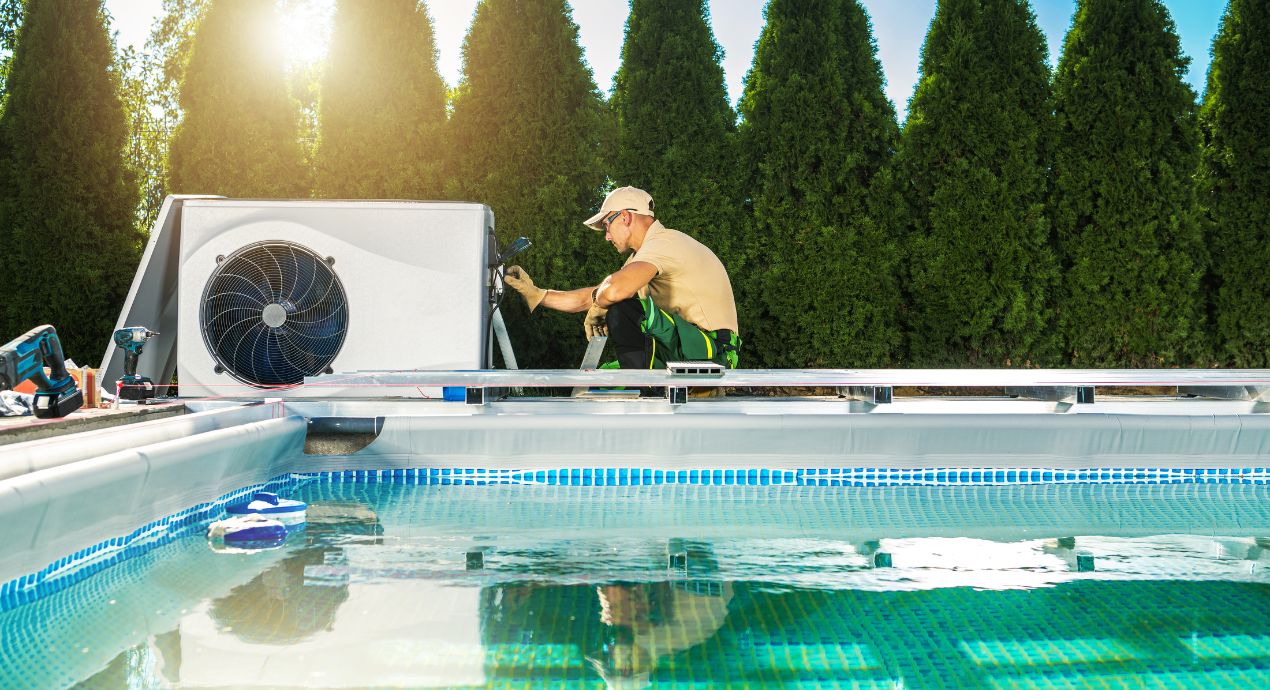
Credit: www.libertyhomeguard.com
Frequently Asked Questions
Why Is My Swimming Pool Pump Not Turning On?
Check if the pump is plugged in and the circuit breaker is on. A tripped breaker or blown fuse can stop the pump. Also, look for a faulty switch or motor issues.
How Do I Fix A Noisy Pool Pump?
Noise often comes from worn bearings or a loose motor. Tighten parts and lubricate bearings if possible. Replacing damaged parts may be needed if noise continues.
What Causes Low Water Flow In My Pool Pump?
Clogged filters, blocked skimmers, or air leaks in the suction line reduce water flow. Clean filters and check for leaks to restore proper flow. Also, inspect the impeller for blockages.
Why Is My Pool Pump Overheating?
Overheating may happen due to poor ventilation or motor strain. Make sure the pump is in a shaded, well-ventilated area. Clean debris from the pump and check the motor for damage.
How Often Should I Clean My Pool Pump Basket?
Clean the pump basket every 1 to 2 weeks during heavy use. Regular cleaning prevents clogs and improves pump efficiency. Check it more often if your pool is surrounded by trees.
Can A Faulty Pool Pump Cause High Electricity Bills?
Yes, a damaged or inefficient pump uses more electricity. Running the pump longer or with blockages increases energy use. Regular maintenance helps lower electric costs.
Conclusion
Swimming pool pump problems can be fixed with simple steps. Check the pump regularly to catch issues early. Clean the filter and remove debris often. Listen for strange noises or leaks around the pump. Tighten loose parts and replace broken pieces quickly.
Proper care helps your pump last longer. Enjoy a clean, clear pool without stress. Stay patient and follow these tips for smooth pump operation. Your pool will thank you!