
Is your Kenmore Elite refrigerator acting up with the freezer on the bottom? It can be frustrating when your fridge isn’t cooling right or the freezer is freezing unevenly.
But don’t worry—you’re not alone, and this guide will help you fix common problems quickly. Whether your freezer is too warm, making strange noises, or ice is building up, you’ll find easy-to-follow solutions here. Keep reading to get your Kenmore Elite running smoothly again and avoid costly repairs.
Credit: www.youtube.com
Common Freezer Issues
Kenmore Elite refrigerators with the freezer on the bottom offer great convenience. Still, some common freezer issues can disrupt daily use. Understanding these problems helps you fix them quickly. This guide covers typical troubles you might face with your freezer.
Freezer Not Cooling
One frequent problem is the freezer not cooling properly. It may feel warmer than usual or not freeze items. This issue often happens because of blocked air vents or dirty condenser coils. A faulty thermostat or compressor can also cause cooling failure.
Ice Buildup Problems
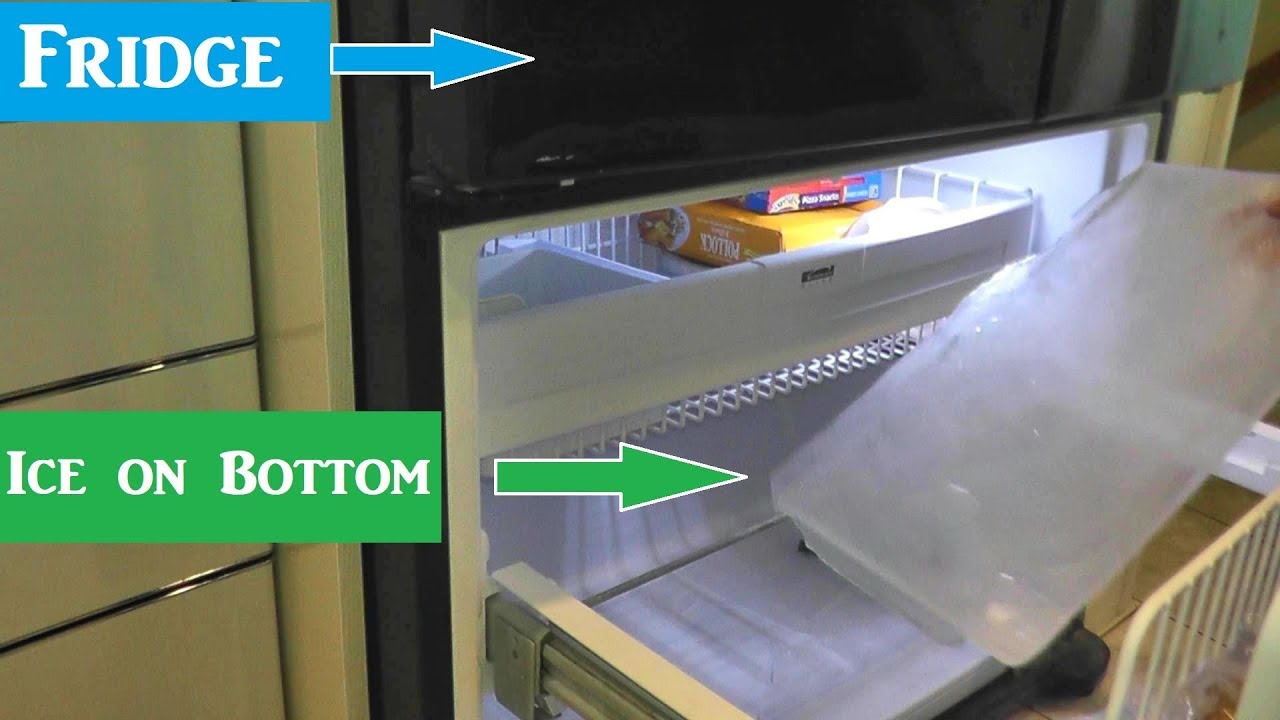
Ice buildup inside the freezer is another common issue. Thick ice layers reduce freezer space and block airflow. Frost can form due to a broken door seal or frequent door opening. Defrost system failures can also lead to excessive ice buildup.
Strange Noises From Freezer
Unusual sounds from the freezer can be alarming. Buzzing, clicking, or rattling noises may indicate problems. The evaporator fan motor or compressor might be failing. Loose parts or debris inside the freezer can also cause noise.
Water Leaks Inside Or Outside
Water leaking inside or outside the freezer is a sign of trouble. This can happen due to a clogged defrost drain or cracked drain pan. A broken door gasket can let moisture in, causing leaks. Checking these parts helps find the source of water leaks.
Quick Fixes For Cooling Problems
Cooling problems in a Kenmore Elite refrigerator with the freezer on the bottom can be frustrating. Many issues have simple solutions you can try before calling a technician. These quick fixes often restore proper cooling and save time and money.
Follow these easy steps to help your fridge cool efficiently again. Each step targets a common cause of cooling trouble.
Check Temperature Settings
Start by checking the temperature controls inside the fridge and freezer. Make sure the settings are at the recommended levels. Usually, the fridge should be set between 37°F and 40°F. The freezer should be around 0°F. Incorrect settings can stop proper cooling.
Clean Condenser Coils
Dust and dirt on condenser coils reduce cooling efficiency. Locate the coils, usually at the back or bottom of the fridge. Use a vacuum or brush to remove dust. Cleaning coils helps the fridge run cooler and save energy.
Inspect Door Seals
Door seals keep cold air inside. Check for cracks, gaps, or dirt on the seals. Clean them with warm, soapy water. Replace damaged seals to stop warm air from entering. Good seals improve cooling performance.
Clear Air Vents
Air vents allow cold air to flow between the freezer and fridge. Make sure vents are not blocked by food or containers. Clear any obstructions to help air circulate freely. Proper airflow keeps both compartments cold.
Resolving Ice Buildup
Ice buildup in the freezer of a Kenmore Elite refrigerator can cause many problems. It blocks airflow and makes the freezer work harder. This can lead to poor cooling and higher energy bills. Fixing ice buildup is important to keep your fridge running smoothly. The steps below help identify and solve common causes of ice buildup.
Defrost The Freezer
Start by manually defrosting the freezer. Unplug the refrigerator and open the freezer door. Let the ice melt naturally. Use towels to soak up water. This clears ice and resets the system. Avoid sharp tools to remove ice. They can damage the freezer walls.
Examine The Defrost Timer
The defrost timer controls when the freezer defrosts. Locate it inside the fridge or behind the kickplate. Turn the timer knob slowly. This should start the defrost cycle. If the timer does not move or click, it may be faulty. Replace the timer to restore proper defrosting.
Test The Defrost Heater
The defrost heater melts ice during the defrost cycle. Use a multimeter to check its electrical resistance. A reading of zero or infinite resistance means the heater is broken. Replace the heater to stop ice buildup. Proper heater function keeps the freezer frost-free.
Replace The Defrost Thermostat
The defrost thermostat senses temperature during defrosting. It turns the heater on and off at the right time. Test the thermostat with a multimeter for continuity. No continuity means the thermostat is bad. Installing a new thermostat helps prevent ice buildup. It ensures the heater works only when needed.
Addressing Noise Issues
Noise from a Kenmore Elite refrigerator with the freezer on the bottom can be troubling. Strange sounds may signal a problem that needs fixing. Addressing noise issues helps keep your fridge running quietly and smoothly. Follow these steps to find and fix the noise source quickly.
Identify The Source Of Noise
Listen closely to the fridge. Note where the noise is loudest. Check if the noise comes from the back, inside, or below the unit. Different sounds mean different issues. A humming noise might be normal. Clicking or buzzing could show a problem.
Check The Evaporator Fan
Open the freezer door and listen. The evaporator fan blows cold air inside the freezer. If it is noisy or rattling, it may be dirty or broken. Turn off the fridge and clean the fan blades. Remove any ice or debris. Replace the fan if it still makes noise.
Inspect The Compressor
The compressor is at the fridge’s bottom back. It pumps refrigerant to cool the fridge. A loud buzzing or knocking sound may come from it. Check if the compressor is overheating or dirty. Clean around it and ensure proper ventilation. Call a technician if the noise persists.
Tighten Loose Components
Vibrations can cause noise in a fridge. Loose screws, panels, or parts may rattle. Carefully check all visible components. Use a screwdriver to tighten any loose screws. Secure loose panels or brackets. This simple step can reduce many noises.
Fixing Water Leaks
Water leaks from the freezer on the bottom of your Kenmore Elite refrigerator can cause a mess. These leaks often come from common, easy-to-fix problems. Knowing how to fix these leaks saves time and prevents damage to your kitchen floor.
Start by checking the areas that collect water or help drain it. Many leaks happen because these parts are dirty or blocked. Cleaning and inspecting these can stop leaks quickly.
Clean The Drain Hole And Drip Pan
The drain hole carries melted ice water to the drip pan below. If it clogs, water builds up and leaks out. Use a soft brush or pipe cleaner to clear the drain hole gently. Remove the drip pan and wash it with warm, soapy water. Dry it well before putting it back. This helps water flow correctly and stops leaks.
Check The Water Filter And Lines
Leaks can come from a loose or broken water filter. Take out the water filter and check for cracks or damage. Make sure it fits tightly when you put it back. Also, inspect the water lines behind the fridge. Look for cracks or loose connections. Tighten or replace parts if needed. Secure water lines prevent leaks and keep water flowing smoothly.
Level The Refrigerator
A fridge that is not level can cause water to pool inside. Use a level tool to check your refrigerator. Adjust the front or back legs until the fridge stands evenly. This helps water drain properly and stops leaks. A level fridge also keeps doors sealed tightly and working well.
Inspect Door Gaskets For Damage
Door gaskets keep cold air in and water out. Check the rubber seals around the freezer door for cracks or tears. Clean the gaskets with warm, soapy water and dry them. Replace the gasket if it is damaged. Good gaskets stop warm air from entering and causing ice buildup that can melt and leak.
Credit: dependableappliance.biz
When To Call A Professional
Knowing when to call a professional for your Kenmore Elite refrigerator is important. Some problems need expert help. Trying to fix complex issues alone can cause more damage or be unsafe. This section guides you on when to stop DIY repairs and get a technician involved.
Complex Electrical Issues
Electrical problems can be dangerous. Issues like faulty wiring or control board failures require special tools and skills. A professional can safely diagnose and fix these problems. Avoid touching electrical parts to prevent shocks or fires.
Compressor Replacement
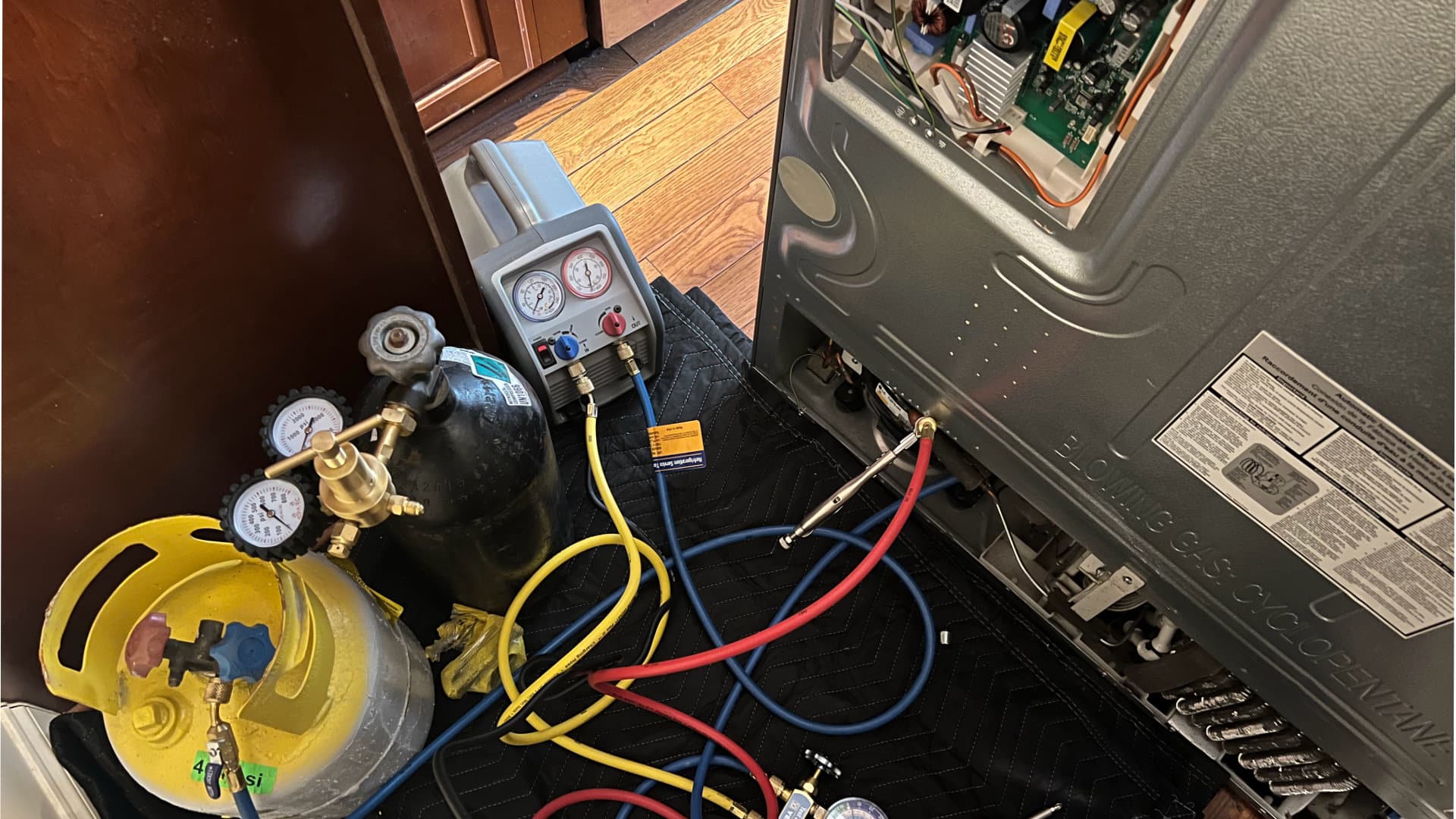
The compressor is the heart of the refrigerator. If it stops working, the fridge will not cool. Replacing a compressor is not easy. It needs specific knowledge and equipment. Call a professional to handle compressor repairs or replacement.
Refrigerant Leaks
Refrigerant leaks affect cooling and harm the environment. Detecting and fixing leaks needs special tools. Only certified technicians should handle refrigerants. Do not attempt to refill or repair leaks yourself.
Persistent Problems After Diy Fixes
If problems continue after your attempts, it is time to call a pro. Persistent issues can mean hidden faults or failing parts. A professional can find the root cause and fix it properly. Avoid wasting time and effort on repeated DIY fixes.

Credit: www.youtube.com
Frequently Asked Questions
Why Is My Kenmore Elite Freezer Not Cooling Properly?
A dirty condenser coil can stop cooling. Clean coils gently with a brush or vacuum. Also, check if the door seals are tight.
How Do I Reset The Temperature On My Kenmore Elite Fridge?
Locate the control panel inside the fridge. Press the temperature buttons to adjust settings. Wait a few hours for changes to take effect.
What Causes Frost Buildup In The Freezer Compartment?
Frost builds up if the door isn’t closed tightly. Defrost the freezer manually to remove ice. Check the door gasket for damage.
Why Is My Kenmore Elite Fridge Making Loud Noises?
Noises may come from the evaporator fan or compressor. Clear any ice blocking the fan. If noise continues, the fan motor may need replacement.
How To Fix A Kenmore Elite Freezer That’s Too Cold?
Adjust the temperature control to a warmer setting. Avoid placing hot food inside. Make sure air vents inside are not blocked.
What Should I Do If The Fridge Light Is Not Working?
Replace the light bulb with the same size and type. Check if the door switch is stuck or broken. Call a technician if problems persist.
Conclusion
Troubleshooting your Kenmore Elite refrigerator’s bottom freezer can save time and money. Check the seals, temperature settings, and vents first. Clean frost build-up to keep the freezer working well. Small fixes often solve common problems quickly. Stay calm and follow each step carefully.
Regular maintenance helps avoid future issues. Keep your food fresh and your fridge running smoothly. Simple care makes a big difference in appliance life.