
Is your Briggs and Stratton engine acting up? If your lawn mower or generator isn’t running smoothly, the carburetor might be the culprit.
You don’t have to be a mechanic to fix it. In this guide, you’ll discover simple, step-by-step troubleshooting tips that can bring your engine back to life fast. Keep reading—you’re just a few easy fixes away from getting your equipment running like new again.
Common Carburetor Issues
Carburetors play a key role in your Briggs and Stratton engine. They mix air and fuel for the engine to run smoothly. Problems with the carburetor can cause many engine troubles. Knowing common issues helps you fix them quickly and save time.
Engine Won’t Start
The engine may fail to start due to carburetor problems. Dirt or debris can block fuel flow. Old or stale fuel causes clogs. A stuck float can stop fuel from entering the carburetor. Checking these parts helps restore engine start-up.
Rough Idling
The engine may run unevenly or shake while idling. This problem often comes from a dirty carburetor. Air leaks around the carburetor can disrupt the air-fuel mix. Adjusting the idle screw might improve engine smoothness.
Poor Acceleration
Slow or weak acceleration often points to carburetor issues. Clogged jets reduce fuel flow during acceleration. The throttle may stick or not open fully. Cleaning the carburetor and checking the throttle linkage can fix this.
Fuel Leaks
Fuel leaks around the carburetor are dangerous and waste fuel. Worn gaskets or loose bolts often cause leaks. A damaged float needle can also let fuel overflow. Tightening bolts and replacing faulty parts stops leaks fast.
Credit: www.briggsandstratton.com
Basic Inspection Steps
Basic inspection steps help find common problems with your Briggs and Stratton carburetor. These checks save time and avoid costly repairs. Start with simple parts that affect engine performance.
Check Fuel Supply
Fuel is the engine’s main power source. Make sure the gas tank has fresh fuel. Old or dirty fuel can block the carburetor. Check the fuel line for cracks or leaks. Replace damaged parts to ensure steady fuel flow.
Inspect Air Filter
The air filter stops dirt from entering the engine. A dirty filter can reduce airflow and cause the engine to stall. Remove the filter and clean it. Replace the filter if it is too dirty or damaged.
Examine Spark Plug
The spark plug ignites the fuel mixture. A worn or dirty spark plug can cause starting issues. Remove the spark plug and check for carbon buildup or damage. Clean or replace the spark plug for better performance.
Look For Visible Damage
Check the carburetor and surrounding parts for cracks or loose screws. Damage can cause air leaks or fuel problems. Tighten loose screws and replace broken parts. Keep all components secure for smooth engine operation.
Cleaning The Carburetor
Cleaning the carburetor is a key step in fixing Briggs and Stratton engine problems. Dirt and debris often clog the carburetor, causing poor engine performance. A clean carburetor helps the engine run smoothly and start easily. This section guides you through the cleaning process in simple steps.
Remove Carburetor Safely
Turn off the engine and let it cool. Disconnect the spark plug wire to prevent accidental start. Close the fuel valve or drain the fuel tank. Remove the air filter cover and take out the air filter. Unscrew the bolts holding the carburetor. Gently detach the carburetor from the engine. Note where each part connects for easy reassembly.
Disassemble Components
Place the carburetor on a clean surface. Remove the float bowl by unscrewing the bolts. Take out the float and needle valve carefully. Separate the throttle and choke plates. Avoid losing small parts like springs and screws. Lay out the parts in order for quick reassembly. Inspect each part for dirt and damage.
Use Carburetor Cleaner
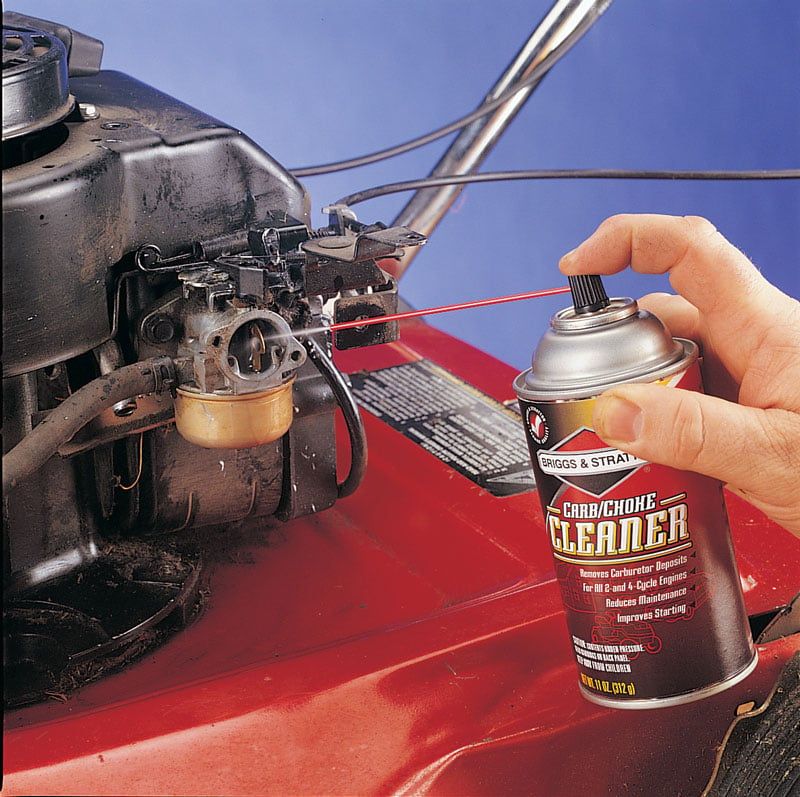
Spray carburetor cleaner on all parts. Focus on jets, passages, and small holes. Let the cleaner soak for a few minutes. Use a soft brush or compressed air to remove stubborn dirt. Avoid using metal tools that can damage parts. Repeat spraying and brushing until parts look clean. Wipe off excess cleaner with a clean cloth.
Reassemble And Test
Put all parts back in the reverse order. Check that the float moves freely. Tighten screws but do not over-tighten. Reattach the carburetor to the engine. Reinstall the air filter and cover. Reconnect the spark plug wire. Turn on the fuel valve or refill the tank. Start the engine and check for smooth running.

Credit: www.youtube.com
Adjusting Carburetor Settings
Adjusting the carburetor settings on a Briggs and Stratton engine helps improve its performance. It controls how much fuel and air mix together for the engine to run smoothly. Small changes can fix issues like rough idling or stalling. Follow these steps carefully for safe and effective tuning.
Locate Adjustment Screws
First, find the carburetor’s adjustment screws. Usually, there are two or three screws. One controls the idle speed, and the others control the air-fuel mixture. These screws are often small and may be marked with letters like “L,” “H,” or “T.” Use a flathead screwdriver for adjustments.
Set Idle Speed
Turn the idle speed screw slowly to set the engine’s idle. This screw controls how fast the engine runs when it is not under load. Increase the speed if the engine stalls. Lower the speed if it runs too fast. Aim for a steady, smooth idle without shaking or noise.
Tune Air-fuel Mixture
Adjust the air-fuel mixture screws to balance fuel and air flow. Turning these screws changes how rich or lean the fuel mix is. Turn the screw clockwise to lean the mixture. Turn it counterclockwise to make it richer. Small adjustments work best. Test the engine after each change.
Test Engine Performance
Start the engine and listen carefully. It should run smoothly without sputtering or stalling. Try increasing the throttle and check for hesitation or lag. If the engine runs rough, repeat adjustments in small steps. Keep testing until the engine responds well at all speeds.
Replacing Worn Parts
Replacing worn parts is a key step in fixing carburetor problems. Over time, parts wear out and cause poor engine performance. Changing these parts can restore smooth running and prevent future issues.
Small parts like gaskets, seals, and needles wear down with use. Cleaning alone cannot fix the damage. Replacing worn parts ensures the carburetor works correctly.
Gaskets And Seals
Gaskets and seals keep fuel and air from leaking. Old gaskets become brittle and crack. Seals lose their tight fit. Replace them to stop leaks and maintain pressure inside the carburetor.
Use new gaskets made for your model. Proper sealing helps the engine run smoothly and saves fuel.
Float And Needle Valve
The float controls fuel level in the carburetor bowl. The needle valve opens and closes fuel flow. If worn, they cause flooding or fuel starvation.
Check for sticking or damage. Replace worn floats and needle valves to keep fuel flow steady and correct.
Throttle Linkage
Throttle linkage connects the throttle control to the carburetor. Worn or loose linkage causes poor throttle response and engine stalling.
Inspect the linkage for bends, rust, or wear. Replace damaged parts to restore smooth throttle movement and engine control.
Jets And Needles
Jets and needles control fuel flow into the carburetor. Dirt or wear changes fuel mixture and engine power.
Clean or replace jets and needles as needed. Using new parts ensures correct fuel delivery and engine efficiency.
Preventive Maintenance Tips
Taking care of your Briggs and Stratton carburetor helps avoid many common problems. Preventive maintenance saves time and money. It keeps your engine running smoothly and extends its life. Simple steps can make a big difference in performance.
Follow these easy tips to keep your carburetor in good shape. Regular care stops build-up and wear that cause trouble. Small actions prevent costly repairs later.
Use Fresh Fuel
Old fuel clogs the carburetor and affects engine power. Always fill your tank with fresh gasoline. Avoid storing fuel for more than 30 days. Add fuel stabilizer if you keep fuel for longer. Fresh fuel burns cleaner and keeps the carburetor clean.
Regular Cleaning Schedule
Clean the carburetor regularly to remove dirt and deposits. Use a carburetor cleaner spray for easy maintenance. Remove the air filter and check for debris. Cleaning prevents blockages that cause rough running or stalling. Set a schedule based on usage, such as every 25 hours of operation.
Store Equipment Properly
Storage affects carburetor health. Empty the fuel tank before storing for a long time. Run the engine until it stops to clear fuel from the carburetor. Keep the equipment in a dry, cool place. Cover it to protect from dust and moisture. Proper storage prevents corrosion and fuel gum build-up.
Check For Wear Periodically
Inspect carburetor parts regularly for signs of wear or damage. Look for cracks, leaks, or loose screws. Replace worn parts to maintain good performance. Tighten connections to avoid air leaks. Regular checks catch issues early, preventing engine problems.

Credit: www.pracyva.com
Frequently Asked Questions
What Are Common Signs Of Briggs And Stratton Carburetor Problems?
Common signs include rough engine running, hard starting, and stalling. You may also notice black smoke or poor fuel efficiency. These symptoms often point to carburetor issues.
How Do I Clean A Briggs And Stratton Carburetor?
Remove the carburetor carefully and spray carburetor cleaner on all parts. Use compressed air to clear blocked jets and passages. Reassemble after parts dry completely.
Why Does My Briggs And Stratton Engine Stall After Starting?
Stalling often happens due to clogged jets or a dirty carburetor bowl. It can also be caused by fuel flow problems. Cleaning or replacing parts usually helps.
Can Bad Fuel Cause Carburetor Troubles On Briggs And Stratton?
Yes, old or dirty fuel can clog the carburetor and cause poor engine performance. Always use fresh, clean fuel to avoid issues. Fuel stabilizers can also help.
How Often Should I Check My Briggs And Stratton Carburetor?
Check your carburetor at least once a season or every 25 hours of use. Regular inspection helps catch problems early. Clean or service it if you see dirt or damage.
What Tools Are Needed For Briggs And Stratton Carburetor Troubleshooting?
Basic tools include screwdrivers, pliers, a carburetor cleaner spray, and compressed air. A small wrench set and a clean cloth are also helpful. These tools cover most fixes.
Conclusion
Troubleshooting a Briggs and Stratton carburetor is not too hard. Start by checking for dirt or clogs in the carburetor. Clean the parts carefully and replace damaged pieces. Adjust the fuel mixture to get the engine running smoothly. Regular maintenance helps avoid future problems.
Take your time and follow the steps closely. A well-maintained carburetor keeps your engine strong and reliable. Keep tools handy and stay patient during repairs. Simple care can save you time and money later.