
Is your Whirlpool side-by-side refrigerator’s ice maker giving you trouble? You rely on it daily for cold, refreshing ice, and when it stops working, it can be frustrating.
But don’t worry—you don’t have to call a repairman just yet. You’ll find simple, step-by-step solutions to common ice maker problems that you can try yourself. By the end, you’ll know exactly how to get your ice maker back up and running smoothly.
Keep reading to save time, money, and hassle!
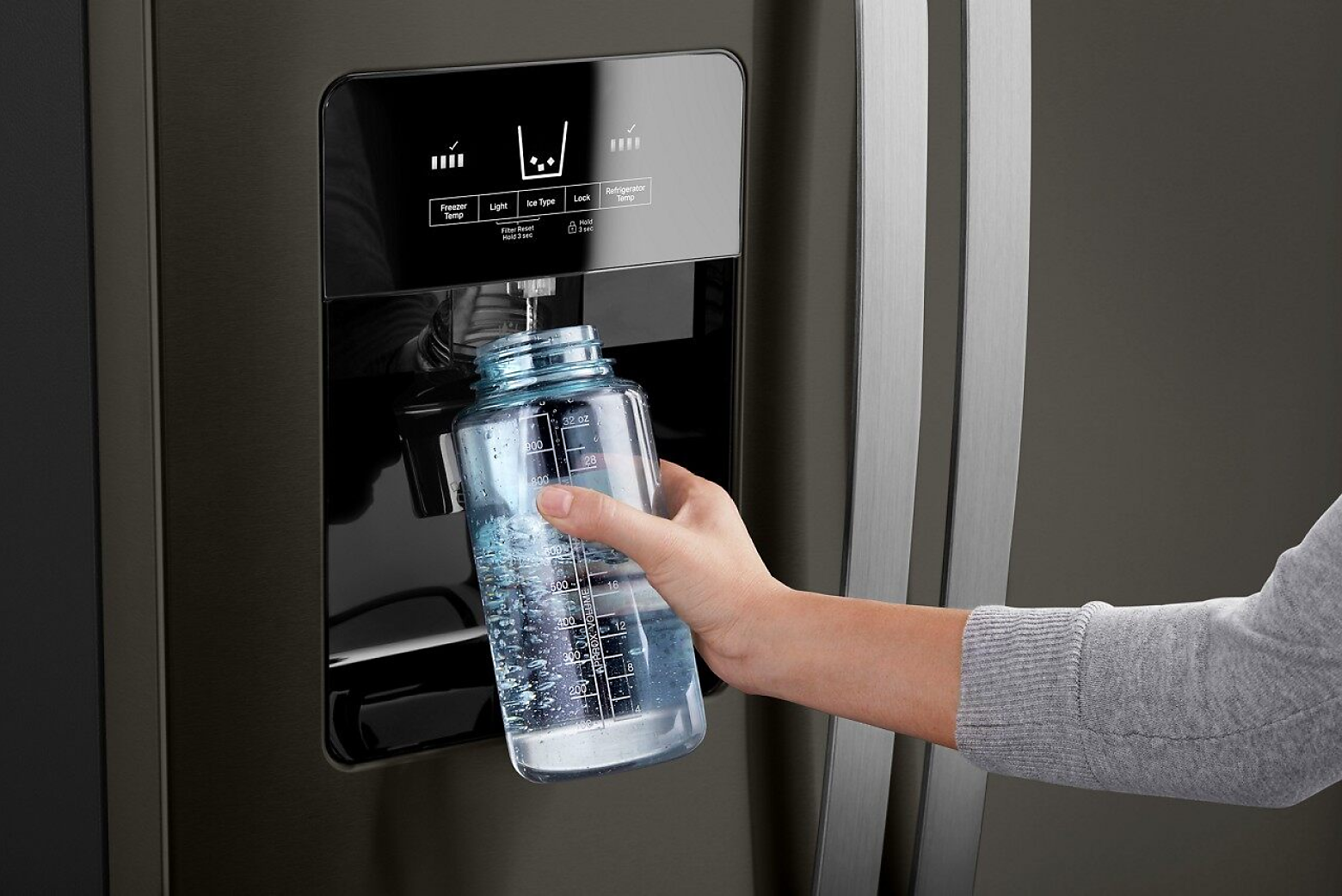
Credit: www.whirlpool.com
Common Ice Maker Problems
Whirlpool side-by-side ice makers are popular for their convenience. Yet, they can face common issues that interrupt ice production. Recognizing these problems helps fix them quickly. This guide covers frequent ice maker troubles and simple ways to troubleshoot.
Ice Maker Not Making Ice
The ice maker stops producing ice for several reasons. The water supply line might be blocked or disconnected. Check if the water valve is fully open. The ice maker could be turned off or in a reset mode. A faulty thermostat or a broken motor can also cause this. Make sure the freezer temperature is set below 10°F (-12°C). If ice trays are full, the maker may pause automatically.
Ice Maker Making Small Ice Cubes
Small ice cubes usually mean low water pressure or a clogged water filter. Replace the water filter every six months to maintain flow. Check the water inlet valve for any blockage. The freezer temperature might be too high, causing slow freezing. Keep the temperature between 0°F and 5°F (-18°C to -15°C). Ice mold damage can also reduce cube size. Inspect the mold for cracks or wear.
Ice Maker Leaking Water
Water leaks often come from a loose or damaged water line. Inspect the hose connection for tightness and cracks. The water inlet valve might be faulty and need replacement. Ice maker parts could be misaligned, causing overflow. Check if the ice bucket is properly seated. Defrost drain blockage can cause water to leak inside the freezer. Clear any clogs in the drain area carefully.
Ice Maker Making Noisy Sounds
Unusual noises may indicate mechanical or electrical issues. The motor or ejector blades might be jammed by ice. Remove ice buildup carefully to prevent damage. A faulty water inlet valve can create buzzing sounds. Loose parts or screws inside the ice maker cause rattling. Tighten any loose components you find. Noise can also come from the water supply line vibrating against the fridge.

Credit: oakvalleyappliance.com
Checking Power And Connections
Checking the power and connections is the first step in troubleshooting your Whirlpool side-by-side ice maker. Without proper power or water connection, the ice maker cannot work. This section helps you ensure all basic connections are correct and functioning.
Inspecting Power Supply
Start by checking if the ice maker is receiving power. Look at the plug and make sure it fits tightly in the outlet. Check the circuit breaker to see if it tripped. If it did, reset it and see if power returns. Sometimes, a loose or faulty power cord can stop the ice maker from running.
Verifying Water Line Connection
Next, check the water line that supplies the ice maker. Make sure the water valve is fully open. Look for any kinks or leaks in the water hose. A clogged or disconnected water line can stop ice production. Clean the water filter if it looks dirty or clogged. Proper water flow is key to making ice.
Resetting The Ice Maker
Try resetting the ice maker to clear minor errors. Locate the reset button or switch on the ice maker assembly. Press and hold it for a few seconds. This action restarts the ice maker’s cycle. Wait for a few minutes to see if ice production begins again. Resetting can fix small glitches in the system.
Fixing Ice Maker Not Making Ice
When your Whirlpool side-by-side ice maker stops making ice, it can disrupt daily routines. The problem often has simple fixes. Understanding these solutions helps restore ice production quickly.
Start by checking the most common issues. Ice makers rely on proper temperature, clear water flow, and functional parts. Troubleshoot these areas step-by-step to find the cause.
Adjusting Temperature Settings
The ice maker needs the freezer temperature between 0°F and 5°F. If it is too warm, ice won’t form properly. Locate the temperature control inside the freezer.
Set the temperature lower if it feels warm. Wait 24 hours for the change to take effect. This helps the ice maker produce ice again.
Clearing Ice Blockages
Ice blockages can stop new ice from forming or ejecting. Check the ice chute and tray for any stuck ice pieces. Remove any visible ice carefully.
Use warm water to melt stubborn ice. Avoid using sharp tools that can damage parts. Regularly clearing blockages keeps ice flowing smoothly.
Replacing The Ice Maker Module
If the ice maker still does not work, the module may be faulty. The module controls ice production cycles. A broken module stops ice making.
Turn off the freezer power before replacing the module. Remove the old part and install the new one carefully. Test the ice maker after replacement to ensure it works.
Resolving Small Or Misshapen Ice Cubes
Small or misshapen ice cubes can be frustrating. They affect the look and feel of your drinks. These problems often point to simple issues in the ice maker. Fixing them usually takes just a few steps. Understanding these steps helps keep your ice cubes perfect.
Cleaning The Ice Mold
The ice mold can get dirty over time. Dirt and mineral buildup change the shape of ice cubes. Clean the mold with a soft cloth and warm water. Avoid harsh chemicals that can damage the mold. Regular cleaning keeps the ice cubes clear and well-formed.
Checking Water Filter
A clogged water filter reduces water flow to the ice maker. This can cause small or uneven ice cubes. Replace the water filter every six months. Use the filter type recommended by Whirlpool. Clean water ensures good ice quality and size.
Adjusting Water Pressure
Water pressure affects ice cube size and shape. Low pressure can make ice cubes small or misshapen. Check the water supply line for kinks or blockages. The ideal pressure is between 20 and 120 psi. Adjust the pressure to improve ice cube formation.
Stopping Water Leaks
Water leaks from a Whirlpool side-by-side ice maker can cause a mess. Stopping these leaks quickly protects your floor and keeps your fridge working well. Simple checks and fixes often solve the problem. Focus on key parts that handle water flow and sealing.
Inspecting Water Inlet Valve
The water inlet valve controls water entering the ice maker. A faulty valve can drip or leak water inside your fridge. Look for cracks or corrosion on the valve. Check the water line connected to it for loose fittings. Tighten or replace parts if needed. Testing the valve’s function helps confirm if it works properly.
Replacing Damaged Seals
Seals stop water from escaping the ice maker area. Over time, seals can crack or wear out. Examine door seals and ice maker gaskets closely. Replace any seals that show damage or hardening. New seals fit tightly and block water leaks. Seals are affordable and easy to swap out yourself.
Leveling The Refrigerator
A fridge that is not level can cause water to pool and leak. Use a level tool to check your refrigerator’s position. Adjust the front or back legs to make it flat. A level fridge allows water to flow properly in drainage channels. This simple step often stops leaks around the ice maker.
Reducing Ice Maker Noise
Ice maker noise can be annoying in a quiet kitchen. Reducing these sounds helps keep your space calm. Noise often means something inside needs attention. Fixing small issues can stop loud grinding or buzzing. The following tips focus on common causes of noise.
Tightening Loose Components
Loose parts inside the ice maker cause rattling sounds. Screws and bolts can become loose over time. Use a screwdriver to tighten these parts carefully. Check the ice bin and motor mounts too. Tightening stops parts from shaking and making noise.
Lubricating Moving Parts
Friction can make the ice maker noisy. Moving parts like gears and levers need lubrication. Use a small amount of appliance-safe oil. Avoid over-lubricating to prevent drips inside the machine. Smooth movement lowers noise and extends part life.
Replacing Faulty Motors
A motor that hums loudly or vibrates may be failing. Old or damaged motors create extra noise. Replacing the motor fixes the sound problem. Use the correct motor model for your Whirlpool side-by-side. A new motor works quietly and reliably.
Preventive Maintenance Tips
Preventive maintenance helps keep your Whirlpool side-by-side ice maker working well. Small tasks done regularly stop big problems. It saves time and money on repairs. Follow simple steps to maintain ice quality and machine health.
Regular Cleaning Schedule
Clean the ice maker every few months. Wipe down surfaces with a soft cloth and mild soap. Avoid harsh chemicals that can damage parts. Clean ice bins to stop mold and odors. This keeps ice fresh and the machine efficient.
Changing Water Filters
Replace water filters every six months or as directed. Filters trap impurities that affect ice taste and quality. A clogged filter reduces water flow and ice production. New filters improve water purity and extend machine life.
Monitoring Ice Production
Watch your ice maker’s output closely. Less ice or unusual shapes may signal a problem. Check for blockages or leaks in the water line. Early spotting of issues helps prevent breakdowns. Keep your ice maker running smoothly and reliably.
When To Call A Professional
Knowing when to call a professional for your Whirlpool side-by-side ice maker saves time and prevents damage. Some problems need expert care. Trying to fix complex issues alone can cause more harm. Professionals have the right tools and skills to fix your ice maker safely and quickly.
Complex Electrical Issues
Electrical problems can be risky. Issues like faulty wiring or circuit board failures need a trained technician. These problems can cause shocks or fire hazards. Professionals can diagnose and repair electrical faults without danger. Avoid handling electrical parts if you are not sure.
Major Mechanical Repairs
Broken ice maker motors, damaged water valves, or frozen components require expert help. These parts are delicate and need special tools to fix. A professional can replace or repair mechanical parts correctly. Trying to fix these yourself may cause more damage or void warranties.
Warranty And Service Support
Check your appliance warranty before any repairs. Repairing the ice maker yourself might void the warranty. Professionals authorized by Whirlpool ensure repairs keep the warranty valid. They also provide service support and genuine replacement parts. This protects your investment and ensures quality work.
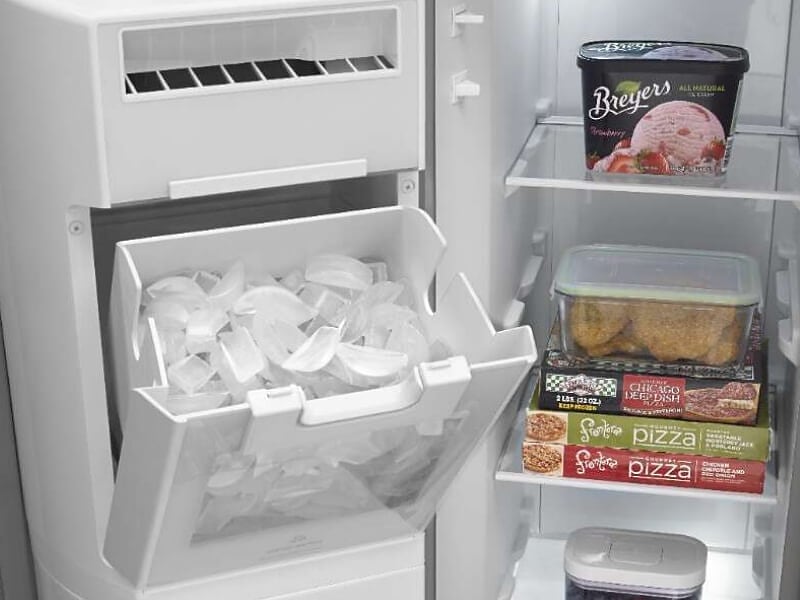
Credit: www.whirlpool.com
Frequently Asked Questions
Why Is My Whirlpool Side-by-side Ice Maker Not Making Ice?
The ice maker may be off or the freezer temperature is too high. Check the power switch and set freezer to 0°F (-18°C) for best ice making.
How Do I Reset The Ice Maker On A Whirlpool Side-by-side Fridge?
Locate the reset button on the ice maker and press it for 10 seconds. This often fixes minor errors and restarts ice production.
What Causes Ice Cubes To Be Hollow Or Small In Size?
Low water pressure or a clogged water filter can cause small or hollow ice. Replace the filter and ensure water supply is strong.
Why Is Ice Stuck In The Ice Maker Tray?
Ice can stick due to freezing cycles stopping too soon or a faulty heating element. Defrost the tray or check the heating part for issues.
How Can I Fix A Leaking Ice Maker In My Whirlpool Fridge?
Check the water line for cracks or loose connections. Tighten fittings and replace damaged lines to stop leaks.
What Does It Mean If The Ice Maker Is Making Noise?
Normal sounds include clicking and humming during ice making. Loud or unusual noises may mean a motor or fan problem.
Conclusion
Troubleshooting your Whirlpool side-by-side ice maker can save time and money. Start with basic checks like water supply and power connection. Clean the ice maker regularly to avoid blockages. Small fixes often solve common problems quickly. Stay patient and follow each step carefully.
These tips help keep your ice maker working smoothly. Regular care prevents future issues and keeps ice cold and ready. Easy to follow and effective advice makes repair less stressful. Your ice maker can work well again with simple actions.