
If you work with air conditioning systems, understanding manifold gauge readings for R134A AC pressure is a must. You might have faced confusing numbers or unexpected pressure changes that leave you scratching your head.
This guide will help you decode those readings quickly and accurately. By learning how to troubleshoot your AC pressures effectively, you’ll save time, avoid costly mistakes, and get your system running smoothly again. Keep reading, and you’ll gain the confidence to handle any R134A AC pressure challenge like a pro.
Common Manifold Gauge Issues
Manifold gauges are key tools for checking R134A AC pressure. They help find AC system problems fast. Yet, these tools can face issues that affect readings and diagnosis. Knowing common manifold gauge problems saves time and effort. It also keeps your AC work accurate and safe.
This section covers three usual manifold gauge issues. These are leaking connections, faulty gauge calibration, and damaged hoses. Each problem can cause wrong pressure readings or leaks. Fixing them ensures reliable and safe AC service.
Leaking Connections
Leaking connections cause pressure loss and false readings. Check all fittings and joints for tightness. Use new O-rings or seals if needed. Avoid overtightening to prevent damage. Small leaks can make the AC system work harder. Always inspect connections before using the gauges.
Faulty Gauge Calibration
Gauges need regular calibration to stay accurate. Faulty calibration shows wrong pressure levels. Compare your gauge to a trusted standard gauge. Calibrate or replace gauges that show large errors. Using inaccurate gauges can cause wrong repairs. Keep calibration records to track gauge performance.
Damaged Hoses
Hoses carry refrigerant pressure between the AC and gauge. Cracks, splits, or kinks reduce hose function. Inspect hoses before each use for damage. Replace damaged hoses immediately to avoid leaks. Use quality hoses made for R134A refrigerant. Good hoses ensure safe and accurate pressure readings.
Interpreting R134a Pressure Readings
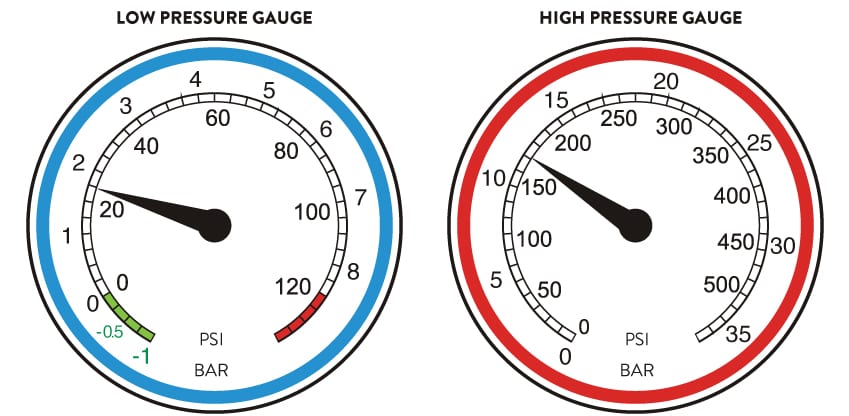
Understanding manifold gauge readings for R134A refrigerant is key to AC troubleshooting. These readings show the pressure in the system. Pressure levels reveal the health of your air conditioning unit. Knowing how to read them helps spot problems early.
Pressure changes tell a story. They indicate if the AC is running well or facing issues. Accurate interpretation guides the next steps for repair or maintenance.
Normal Pressure Ranges
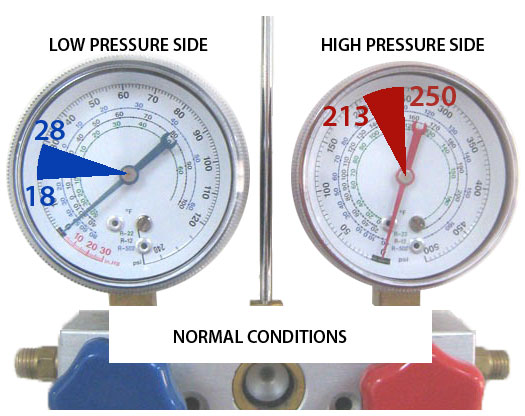
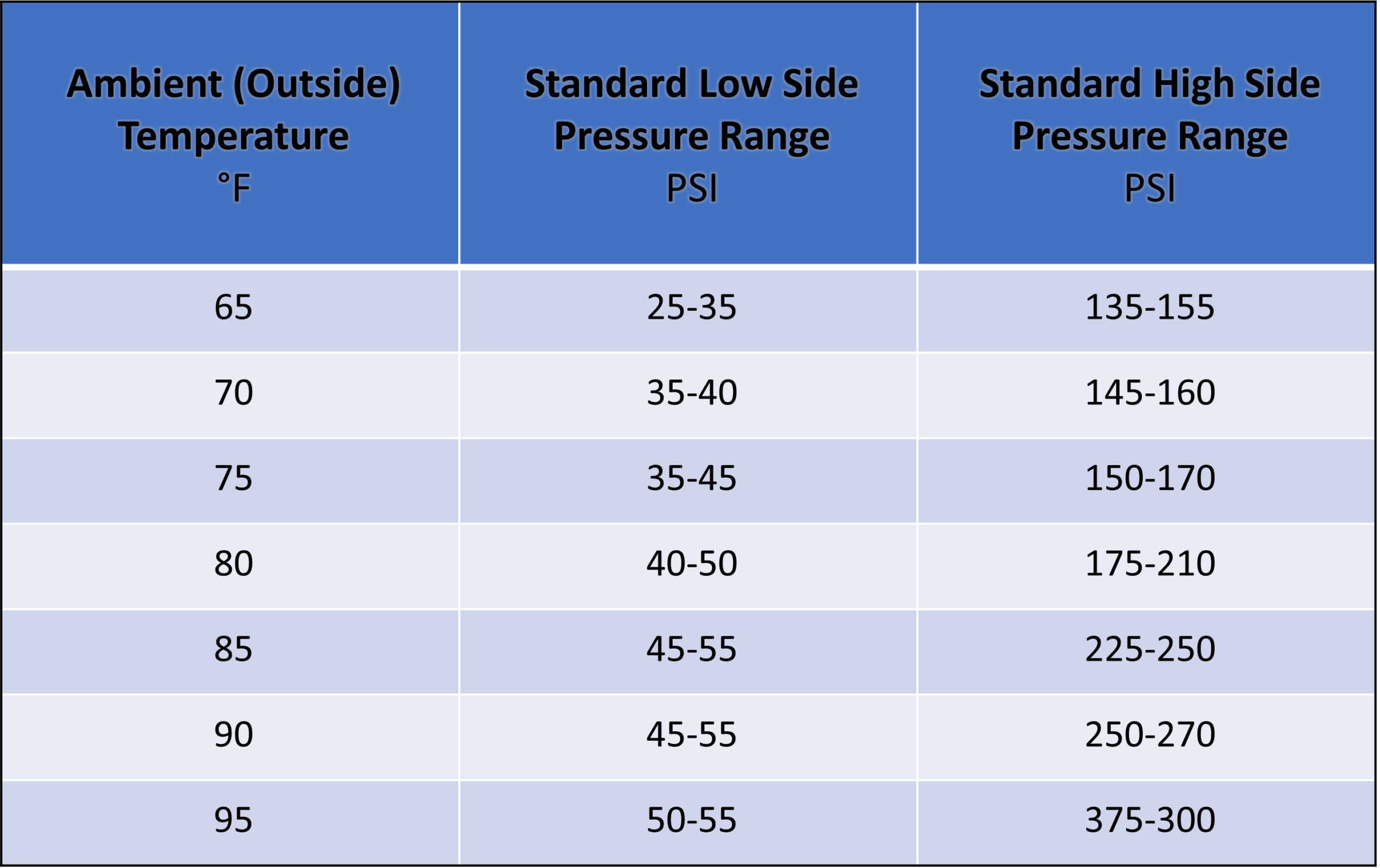
R134A AC systems typically show specific pressure levels. Low side pressure usually falls between 25 and 40 psi. High side pressure ranges from 150 to 250 psi. These numbers vary with temperature but stay close. Proper pressure means the system is balanced and running smoothly.
High Pressure Indicators
High pressure on the gauge signals trouble. Pressures above 300 psi on the high side are too high. This could mean the condenser is dirty or blocked. Overcharging with refrigerant also causes high pressure. High pressure strains the compressor and wastes energy.
Low Pressure Signs
Low pressure readings point to other issues. If the low side falls under 20 psi, the system may be low on refrigerant. A leak or restriction often causes this. Low pressure can lead to poor cooling and system freeze-up. Fixing leaks and adding refrigerant usually solves the problem.
Diagnosing Ac System Problems
Diagnosing AC system problems requires careful reading of manifold gauges. These gauges show pressure levels in the AC system. Understanding these readings helps find common issues quickly. AC pressure problems often involve refrigerant levels or mechanical faults. Accurate diagnosis saves time and money.
Each issue shows a unique pattern on the manifold gauge. Knowing these patterns guides the next repair steps. Here are some common problems you might see when working with R134A AC systems.
Refrigerant Overcharge
High pressure on the gauge signals overcharge. Too much refrigerant raises pressure in the system. Overcharging leads to poor cooling and higher energy use. The AC might freeze or cause damage to parts. Reducing refrigerant to the correct level solves this problem.
Refrigerant Undercharge
Low pressure readings indicate undercharge. Not enough refrigerant means the system cannot cool properly. The AC may blow warm air and run longer than normal. Undercharging can cause the compressor to fail early. Adding the right amount of refrigerant restores cooling.
Compressor Issues
Abnormal pressure differences suggest compressor problems. A weak or failing compressor cannot maintain proper pressure. This leads to uneven cooling or no cooling at all. Noise or vibration from the compressor may also be present. Testing and replacing the compressor may be necessary.
Blocked Condenser Or Evaporator
Pressure imbalances can point to blockages in condenser or evaporator coils. Dirt, debris, or damage restrict airflow and refrigerant flow. This causes pressure to build on one side of the system. Cleaning or repairing the coils helps return normal function. Regular maintenance prevents these blockages.
Credit: restomodair.com
Step-by-step Troubleshooting Process
Troubleshooting AC pressure with R134A requires a clear, step-by-step process. Each step helps to find the exact issue. Following this process saves time and avoids mistakes. Proper use of manifold gauges is key. These tools give precise pressure readings. These readings show if the system works well or has problems.
Preparing The System
Start by turning off the car’s engine. Let the system cool down for about 15 minutes. This prevents pressure spikes and gives safe readings. Check the AC system for leaks or damage. Make sure all valves on the manifold gauge are closed. Wear safety glasses and gloves before handling refrigerant.
Connecting The Manifold Gauges
Attach the blue hose to the low-pressure port. Connect the red hose to the high-pressure port. The ports are usually marked on the AC system. Make sure the connections are tight to avoid leaks. Keep the yellow hose free; it’s used for charging or vacuum. Open the manifold valves slowly after connection.
Taking Accurate Readings
Start the engine and turn on the AC to max cool. Watch the gauges carefully. Record the low and high side pressures. Note the ambient temperature outside the vehicle. Take readings after the system runs for 5 minutes. Avoid sudden movements to keep readings steady.
Analyzing Results
Compare the pressure readings with standard charts for R134A. Low pressure on both sides may mean low refrigerant or a leak. High pressure on the high side could signal a blocked condenser or fan issue. Normal low and high pressures mean the system is likely fine. Use this data to decide the next repair step.
Safety Tips During Gauge Use
Using manifold gauges to check R134A AC pressure requires care. Safety is the top priority. This section covers key safety tips during gauge use. Follow these tips to protect yourself and your AC system.
Protective Gear
Wear safety goggles to protect your eyes. Refrigerants can cause serious eye injuries. Use gloves to keep your hands safe. Nitrile gloves work well with refrigerants. Avoid loose clothing that might catch on equipment.
Handling Refrigerants Safely
Work in a well-ventilated area. Refrigerant gases can be harmful if inhaled. Never release refrigerant into the air. Use proper tools to connect and disconnect hoses. Check for leaks before starting the job.
Avoiding System Damage
Always match the gauge to the correct refrigerant type. Use gauges designed for R134A only. Do not force fittings or hoses. Open valves slowly to prevent pressure spikes. Keep the system clean to avoid contamination.
Credit: www.perrinmfg.com
Maintenance For Manifold Gauges
Maintaining manifold gauges is key for accurate R134A AC pressure readings. Proper care prevents errors and extends tool life. Regular upkeep keeps your gauges working smoothly and safely. Simple steps make a big difference in performance.
Regular Calibration
Calibration ensures your gauge readings are correct. Check calibration often, especially before use. Use certified standards or send gauges to professionals. Accurate gauges help spot AC system issues quickly.
Cleaning And Storage
Clean gauges after every job to remove dirt and oil. Use a soft cloth and mild cleaner. Avoid harsh chemicals that can damage parts. Store gauges in a dry, cool place. Proper storage stops dust and moisture buildup.
Replacing Worn Components
Inspect hoses, valves, and connectors for wear regularly. Replace cracked or damaged parts immediately. Worn components cause leaks and false readings. Keep spare parts handy for quick fixes on site.
Credit: acprocold.com
Frequently Asked Questions
What Is A Manifold Gauge In R134a Ac Systems?
A manifold gauge measures pressure in R134A AC systems. It helps diagnose system issues by showing high and low pressure readings.
How To Read High And Low Pressure On Manifold Gauges?
High pressure shows the system’s discharge side pressure. Low pressure shows the suction side. Both values help find AC problems.
What Do Low Pressure Readings Indicate In R134a Ac?
Low pressure may mean a refrigerant leak or a clogged filter. It can also signal a failing compressor or low refrigerant levels.
Why Are High Pressure Readings Important In Troubleshooting?
High pressure can mean a blocked condenser or overcharged refrigerant. It helps pinpoint cooling issues in the AC system.
Can Faulty Manifold Gauge Readings Affect Ac Repair?
Yes, wrong readings can lead to incorrect diagnosis and repair. Always use calibrated, well-maintained gauges for accurate results.
How Often Should Manifold Gauges Be Checked For Accuracy?
Check gauges before each use to ensure correct readings. Regular maintenance prevents errors and improves troubleshooting reliability.
Conclusion
Reading manifold gauges for R134A AC systems helps spot many common problems. Checking pressure levels shows if the system holds the right refrigerant amount. Low or high readings tell you if leaks or blockages exist. Following these steps saves time and money on repairs.
Keep your gauges clean and use them carefully. Practice makes you better at spotting issues fast. Staying alert keeps your AC running cool and smooth all year.