
Is your Kenmore refrigerator not cooling like it used to? You rely on your fridge every day to keep your food fresh and safe, so when it stops working properly, it can quickly become a big problem.
You might feel frustrated or worried about spoiled groceries and costly repairs. But don’t panic just yet. You’ll discover simple steps to identify why your Kenmore refrigerator isn’t cooling and what you can do to fix it. Keep reading—your fridge’s perfect chill is closer than you think.

Credit: www.reddit.com
Common Causes Of Cooling Issues
Kenmore refrigerators sometimes stop cooling properly. This issue can have many causes. Knowing these common problems can help you fix the fridge faster. Below are typical reasons why your Kenmore fridge may not cool well.
Dirty Condenser Coils
Dirty condenser coils reduce cooling efficiency. Dust and dirt block heat release. The fridge works harder and cools less. Cleaning coils regularly keeps the fridge running well. Use a brush or vacuum to clean coils gently.
Faulty Thermostat
The thermostat controls the fridge temperature. A broken thermostat can cause wrong cooling levels. It may stop the compressor from running. Testing the thermostat helps find this issue. Replace it if it does not work correctly.
Blocked Air Vents
Air vents let cold air flow inside the fridge. Blocked vents stop cool air circulation. This causes warm spots and poor cooling. Keep vents clear of food or ice. Proper airflow keeps the fridge cold evenly.
Malfunctioning Evaporator Fan
The evaporator fan moves cold air inside the fridge. If it fails, air does not circulate well. The fridge will be warmer than normal. Listen for the fan noise. Replace the fan if it is silent or noisy.
Defrost System Problems
The defrost system prevents ice buildup on coils. Ice blocks air and reduces cooling. A faulty defrost heater or timer causes ice build-up. Check the system for ice and repair or replace parts. This restores proper cooling function.
Quick Diagnostic Steps
When a Kenmore refrigerator stops cooling, quick checks help find the problem fast. Early diagnosis saves time and cost. Follow these simple steps to spot common issues. Each step is easy and requires no tools.
Check Power Supply
Make sure the fridge is plugged in securely. Check the outlet by plugging in another device. Look for tripped circuit breakers or blown fuses. No power means no cooling. Fix power issues first.
Inspect Door Seals
Look closely at the door seals for cracks or gaps. Damaged seals let cold air escape. Run your hand around the edges to feel for leaks. Replace seals if they are worn out. Tight seals keep the cold air in.
Listen For Unusual Noises
Turn on the fridge and listen carefully. Strange sounds may mean the compressor or fan has problems. A humming or clicking noise can signal a malfunction. Normal operation is mostly quiet. Noises help identify mechanical troubles early.
Monitor Temperature Settings
Check the thermostat inside the fridge. Make sure the temperature is set between 37°F and 40°F. Too high or too low settings affect cooling. Adjust settings to the recommended range. Proper temperature helps food stay fresh longer.
Easy Fixes You Can Try
Kenmore refrigerators sometimes stop cooling properly. Many causes exist, but some problems have simple solutions. These easy fixes can save time and money. Try them before calling a repair technician.
Clean The Condenser Coils
Dust and dirt on condenser coils reduce cooling power. Unplug the fridge first. Use a coil brush or vacuum to clean coils. Clean coils improve airflow and cooling efficiency.
Replace Or Adjust The Thermostat
The thermostat controls fridge temperature. A broken or wrong setting can stop cooling. Check the dial and set it to a colder level. Replace the thermostat if it does not respond.
Clear Air Vents And Remove Blockages
Blocked air vents stop cold air from circulating. Check vents inside the fridge and freezer. Remove food or items blocking the airflow. Proper airflow helps keep food fresh and cold.
Fix Or Replace The Evaporator Fan
The evaporator fan moves cold air inside the fridge. If the fan is broken, cooling stops. Listen for the fan noise when the fridge runs. Replace the fan if it does not spin.
Reset The Defrost Timer
The defrost timer controls frost removal cycles. A stuck timer can stop cooling. Locate the timer and turn it slowly until it clicks. This resets the timer and may restore cooling.

Credit: www.youtube.com
When To Call A Professional
Knowing when to call a professional for your Kenmore refrigerator is key. Some problems need expert care to avoid costly damage. Do not wait too long if your fridge shows signs of serious issues. Early help can save money and food.
Persistent Cooling Problems
If your Kenmore fridge keeps losing its cool, it signals a deeper issue. Simple fixes may not work if the problem returns quickly. A technician can find hidden faults and fix them properly. Persistent cooling problems need careful diagnosis and repair.
Refrigerator Not Running At All
A fridge that stops running is a serious concern. It could mean electrical or mechanical failure. Trying to fix it without knowledge can be risky. Professionals can safely check power and motor functions. Call an expert when your fridge does not run at all.
Unusual Electrical Issues
Strange noises, sparks, or frequent breaker trips are warning signs. Electrical problems can cause fires or damage to your fridge. Avoid testing or repairing electrical parts yourself. A trained technician can handle electrical faults safely and correctly.
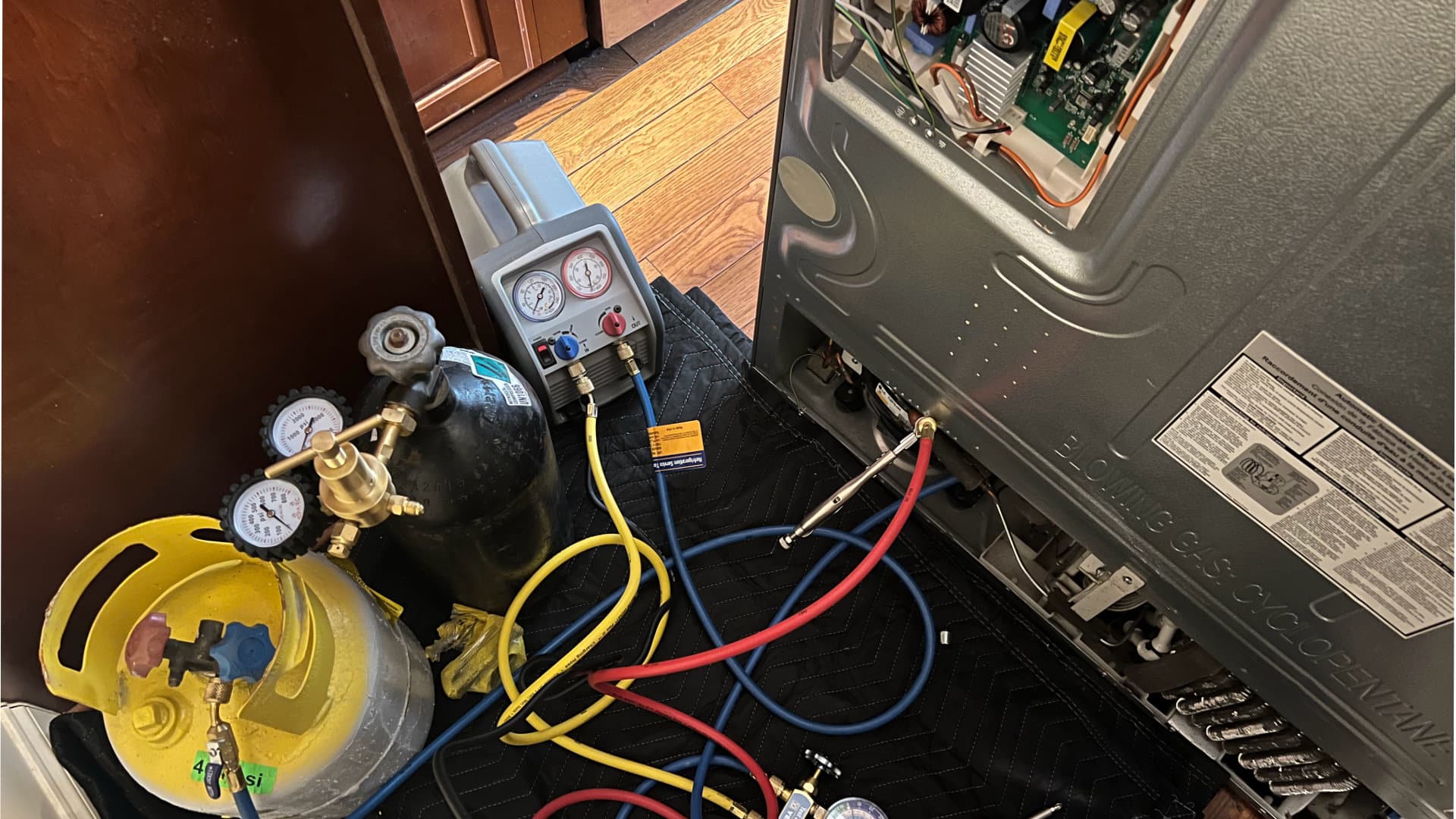
Compressor Or Sealed System Faults
The compressor and sealed system keep your fridge cold. Faults in these parts need special tools and skills. These repairs are complex and not for beginners. A professional service ensures proper handling and long-lasting results.
Preventive Tips For Better Cooling
Keeping your Kenmore refrigerator cool is key to preserving food quality and safety. Preventive care helps your fridge run smoothly and avoid cooling issues. Simple steps can improve its performance and extend its life.
Regular Maintenance Schedule
Clean the condenser coils every three months. Dust buildup reduces cooling efficiency. Check the temperature settings monthly. Ideal fridge temperature is between 37°F and 40°F. Replace water filters as recommended. This keeps the ice maker and water dispenser clean.
Proper Food Storage Practices
Store food in airtight containers to keep moisture balanced. Avoid placing hot food directly inside. Let it cool to room temperature first. Organize food to allow air circulation around items. This prevents warm spots and uneven cooling.
Avoid Overloading The Refrigerator
Do not cram too many items inside. Overloading blocks air vents and restricts airflow. This causes the fridge to work harder and cool less effectively. Leave space between items for proper ventilation.
Keep Door Seals Clean And Intact
Wipe door seals regularly to remove dirt and debris. Dirty seals can cause air leaks and temperature loss. Check for cracks or tears in the gasket. Replace damaged seals promptly to maintain a tight seal.
Credit: dependableappliance.biz
Frequently Asked Questions
Why Is My Kenmore Refrigerator Not Cooling Properly?
A dirty condenser coil or blocked vents often cause poor cooling. Check and clean these parts for better airflow and cooling.
How Do I Fix A Kenmore Fridge That Won’t Cool?
Start by unplugging and cleaning the condenser coils. Also, check if the door seals are tight and undamaged.
Can A Faulty Thermostat Cause Cooling Issues?
Yes, a broken thermostat can stop the fridge from cooling. Testing and replacing it may fix the problem.
How Often Should I Clean My Kenmore Fridge Coils?
Clean coils at least twice a year. Dust buildup reduces cooling efficiency and makes your fridge work harder.
What Role Does The Evaporator Fan Play In Cooling?
The evaporator fan circulates cold air inside the fridge. If it stops working, cooling will be uneven or poor.
Is A Clogged Defrost Drain Affecting Cooling?
Yes, a clogged drain causes ice buildup, blocking air flow. Clearing the drain helps restore proper cooling.
Could A Broken Compressor Cause The Fridge To Stop Cooling?
Yes, the compressor pumps refrigerant to cool the fridge. A faulty compressor needs professional repair or replacement.
How Can I Tell If The Fridge Door Seal Is Leaking?
Check for gaps or tears in the seal. Warm air entering reduces cooling and increases energy use.
What Temperature Should A Kenmore Refrigerator Be Set To?
Set the fridge between 37°F and 40°F for best cooling and food safety. Too warm or cold harms food quality.
When Should I Call A Professional For Cooling Issues?
Call a technician if cleaning and basic checks don’t fix cooling. Complex parts like compressors need expert care.
Conclusion
A Kenmore refrigerator not cooling can cause real trouble at home. Check the door seals, vents, and temperature settings first. Clean the coils and make sure nothing blocks airflow. Small fixes often solve the problem quickly. If the fridge still does not cool, calling a repair expert is best.
Keep your food fresh and avoid waste by acting fast. A working refrigerator makes daily life easier and safer. Don’t wait too long to fix cooling issues. Stay alert to signs your fridge needs help.