
Are you worried about your gums pulling back and exposing more of your teeth? Receding gums can make your smile look older and even cause sensitivity or pain.
The good news is, you don’t have to just accept it. You can take steps to fix receding gums and protect your oral health. You’ll discover simple, effective ways to stop gum recession and restore your gums to a healthier state.
Keep reading to learn how to take control and keep your smile strong.
Causes Of Receding Gums
Receding gums happen when gum tissue pulls away from teeth. This exposes more of the tooth or its root. Understanding what causes gums to recede helps stop it early. Some causes are easy to fix. Others need care from a dentist. Knowing these causes can protect your smile.
Gum Disease And Infection
Gum disease is the main cause of receding gums. Bacteria build up and cause infection. This infection damages gum tissue and bone. Gums start to pull away from teeth. Early gum disease is called gingivitis. If untreated, it becomes periodontitis. This leads to serious gum loss.
Aggressive Brushing Habits
Brushing too hard can hurt your gums. Using a hard-bristle toothbrush or scrubbing hard wears down gums. This pulls gums away from teeth. Gentle brushing with a soft brush is best. It cleans teeth without damaging gums.
Genetics And Aging
Some people inherit weak gums. Genes affect gum health and thickness. Aging also thins gum tissue. Older adults often have more gum recession. Genetics and age together increase risk.
Hormonal Changes
Hormone shifts can make gums sensitive. Pregnancy, menopause, and puberty change hormone levels. Sensitive gums are more likely to recede. Extra care during these times helps protect gums.
Tobacco Use
Smoking or chewing tobacco damages gums. It reduces blood flow and slows healing. Toxins in tobacco increase risk of gum disease. Tobacco users often have worse gum recession.
Teeth Grinding
Grinding or clenching teeth puts pressure on gums. This pressure causes gums to pull back. Teeth grinding often happens during sleep. Using a mouthguard can reduce damage.

Credit: www.thelakesfamilydental.com
Symptoms To Watch For
Receding gums can cause serious dental problems if left untreated. Knowing the symptoms helps you spot the issue early. Early detection allows for better care and prevents damage.
Tooth Sensitivity
Tooth sensitivity is one of the first signs of receding gums. You may feel sharp pain when eating hot, cold, or sweet foods. This happens because the protective gum layer pulls away. The tooth root becomes exposed and sensitive.
Visible Gum Recession
Look closely at your teeth and gums. Gums that pull back and expose more of the tooth surface show gum recession. Teeth may look longer than before. The gum line appears uneven or lower than usual.
Loose Teeth
Loose teeth can signal advanced gum recession. The gums no longer hold teeth firmly in place. This makes teeth wobble or shift when you chew or bite. It is a serious sign that needs prompt attention.
Bleeding Gums
Bleeding gums during brushing or flossing often point to gum problems. Receding gums may bleed easily because the tissue is weak. Persistent bleeding means the gums are inflamed or infected.
Home Remedies For Gum Health
Taking care of your gums at home can help stop gum recession and improve oral health. Simple habits and natural treatments support gum strength and reduce inflammation. These remedies work best when done regularly.
Proper Brushing Techniques
Use a soft-bristled toothbrush to avoid damaging gums. Brush gently in small circles, not harsh back-and-forth strokes. Spend two minutes brushing twice a day. Hold the brush at a 45-degree angle toward your gum line. This method cleans teeth and massages gums without harm.
Flossing Daily
Flossing removes plaque and food stuck between teeth. This prevents bacteria buildup that causes gum disease. Use about 18 inches of floss. Wrap it around your fingers and slide gently between teeth. Curve the floss in a C shape to clean under the gum line. Floss once a day for best results.
Using Antibacterial Mouthwash
Choose an antibacterial mouthwash to reduce germs in your mouth. Swish the mouthwash for 30 seconds after brushing and flossing. Avoid swallowing it. Mouthwash lowers bacteria that irritate gums and cause recession. Use it once or twice daily for healthier gums.
Oil Pulling Benefits
Swishing oil in your mouth can remove bacteria naturally. Use coconut, sesame, or sunflower oil. Take a tablespoon and swish it for 10 to 15 minutes. Spit the oil out and rinse your mouth with water. Oil pulling may reduce plaque and improve gum health over time.
Diet And Nutrition Tips
Eat foods rich in vitamins C and D to support gum repair. Fresh fruits, vegetables, and nuts are great choices. Avoid sugary snacks and drinks that feed harmful bacteria. Drink plenty of water to keep your mouth clean. Balanced nutrition helps gums stay strong and healthy.
Professional Treatments
Professional treatments help stop and repair receding gums. Dentists use special methods to treat gum problems. These treatments remove bacteria and restore gum health. Some procedures are simple. Others need surgery for better results.
Deep Cleaning (scaling And Root Planing)
This treatment cleans below the gum line. It removes plaque and tartar from teeth roots. The dentist smooths the roots to help gums reattach. Deep cleaning reduces gum swelling and infection. It often stops gum recession from worsening.
Gum Grafting Surgery
Gum grafting adds tissue to receded areas. The surgeon takes tissue from another mouth part. This tissue covers exposed tooth roots. Gum grafting protects teeth from decay and sensitivity. It also improves the gum’s appearance.
Pinhole Surgical Technique
This method is less invasive than traditional surgery. The dentist makes a small hole above the tooth. Special tools loosen the gums and move them down. No stitches are needed after the procedure. Healing is faster and less painful.
Laser Therapy
Laser therapy targets infected gum tissue. The laser removes bacteria and diseased tissue safely. It helps gums heal and reduces bleeding. Laser treatment is quick and precise. It supports gum regeneration and reduces discomfort.
Preventing Gum Recession
Preventing gum recession is key to keeping your gums healthy. Small daily actions protect your gums from damage. These steps help stop the problem before it starts.
Regular Dental Checkups
Visit your dentist every six months. Dentists find early signs of gum issues. Professional cleaning removes plaque you miss. Early treatment prevents further gum loss.
Stress Management
Stress affects your immune system. It can make gum problems worse. Practice relaxation techniques like deep breathing. Lower stress helps your gums heal and stay strong.
Avoiding Tobacco Products
Tobacco damages gum tissue and slows healing. It increases the risk of gum disease. Quitting smoking protects gums and overall health. Your smile will look better too.
Wearing Mouthguards
Grinding teeth can wear down gums. Mouthguards protect your teeth and gums at night. They reduce pressure and prevent damage. Custom guards fit better and work best.
Maintaining Good Oral Hygiene
Brush your teeth twice a day gently. Use a soft-bristled toothbrush to avoid harm. Floss daily to remove hidden plaque. Clean gums stay firm and healthy.

Credit: museumdental.com
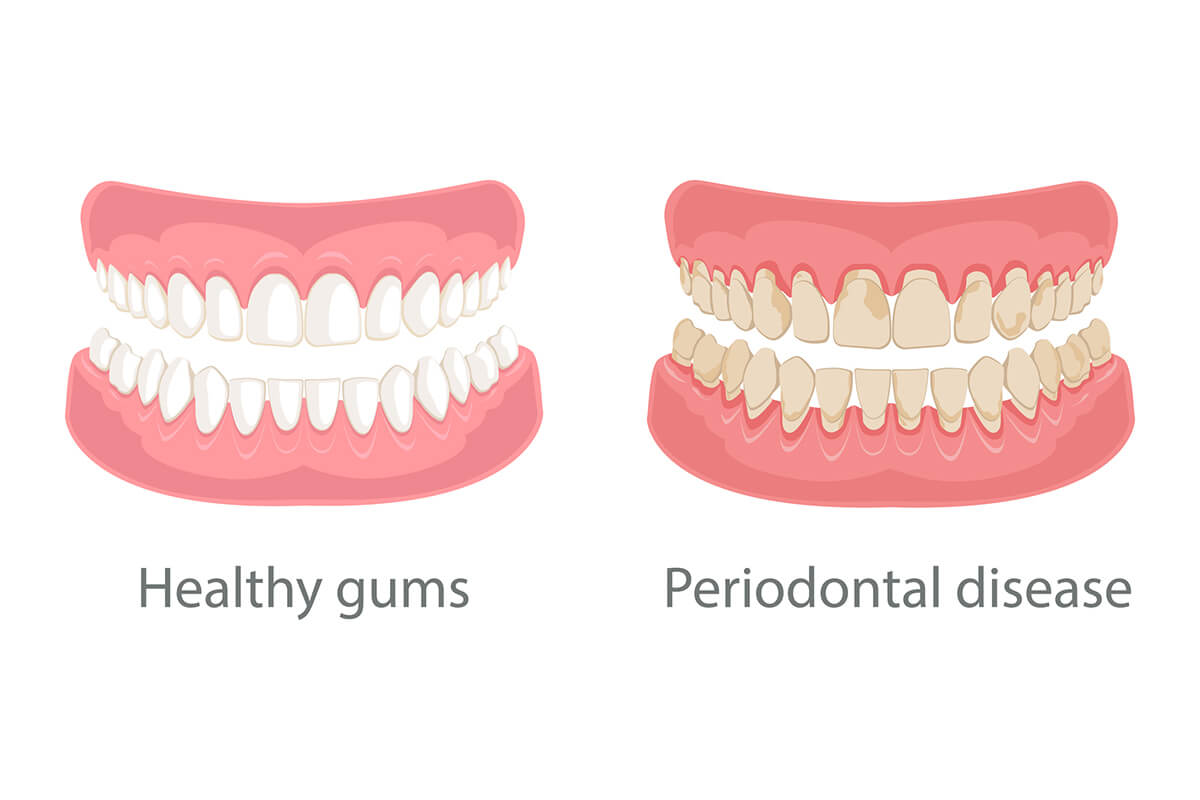
Credit: www.riograndeoralsurgery.com
Frequently Asked Questions
What Causes Gums To Recede Over Time?
Gum recession happens due to gum disease, brushing too hard, or aging. Poor oral care and genetics can also play a role.
Can Receding Gums Grow Back Naturally?
Gums usually do not grow back on their own once receded. Treatment helps stop further loss and improves gum health.
How Can I Stop My Gums From Receding?
Use a soft toothbrush, clean teeth gently, and visit the dentist regularly. Avoid smoking and control gum infections.
Are There Home Remedies For Receding Gums?
Saltwater rinses and oil pulling may reduce bacteria and soothe gums. They do not replace professional dental care.
When Should I See A Dentist For Receding Gums?
See a dentist if gums bleed, hurt, or if teeth look longer. Early care can prevent serious dental problems.
Conclusion
Taking care of receding gums starts with good daily habits. Brush gently and floss every day to protect your gums. Visit your dentist regularly for check-ups and cleanings. Avoid tobacco and eat healthy foods to support gum health. Small changes can make a big difference over time.
Act early to keep your smile strong and healthy. Remember, healthy gums help keep your teeth safe. Stay consistent and patient with your care routine. Your gums will thank you.