
Have you ever wondered how an air purifier can make the air in your home cleaner and healthier? You might think it’s just a fancy fan, but there’s much more happening inside that small device.
Understanding how an air purifier works can help you choose the right one for your needs and breathe easier every day. Keep reading, and you’ll discover simple explanations that reveal the secrets behind fresh, pure air right where you live.
Air Purifier Basics
An air purifier cleans the air inside your home or office. It removes dust, pollen, smoke, and other tiny particles. This helps people breathe easier and reduces allergies. Understanding how air purifiers work starts with knowing their basics. Below, you will learn about the main types and parts of air purifiers.
Types Of Air Purifiers
There are several types of air purifiers. Each one uses a different method to clean the air.
- HEPA Filters: These trap very small particles like dust and pollen. HEPA filters are common in many air purifiers.
- Activated Carbon Filters: These remove odors and gases from the air. They work well against smoke and pets’ smells.
- UV Light Purifiers: These use ultraviolet light to kill bacteria and viruses. They help reduce germs in the air.
- Ionizers: These release charged ions that stick to particles. This makes the particles heavier and fall out of the air.
Key Components
An air purifier has several important parts. Each part helps clean the air effectively.
- Fan: Pulls air into the purifier and pushes it through filters.
- Pre-filter: Captures large particles like hair and dust. It protects the main filter.
- Main filter: The heart of the purifier. It traps tiny particles and pollutants.
- UV Light (optional): Kills bacteria and viruses in the air.
- Sensor: Detects air quality and adjusts the purifier speed.

Credit: www.iqair.com
Filtration Technologies
Air purifiers clean the air by using different filtration technologies. These technologies trap or remove harmful particles, making the air safer to breathe. Each type of filter has a special way to catch dust, germs, or odors. Understanding these methods helps you choose the right air purifier for your needs.
Hepa Filters
HEPA filters capture tiny particles like dust, pollen, and pet dander. They trap 99.97% of particles that are 0.3 microns or larger. This makes HEPA filters very effective for allergy and asthma sufferers. The air passes through a fine mesh that holds these particles securely.
Activated Carbon Filters
Activated carbon filters remove odors, gases, and smoke from the air. They work by absorbing harmful chemicals onto the surface of the carbon. This type of filter is great for homes with pets or smokers. It keeps the air fresh and free from bad smells.
Uv Light Purifiers
UV light purifiers use ultraviolet light to kill bacteria and viruses. The light breaks down their DNA, stopping them from reproducing. These purifiers help reduce germs and improve air hygiene. They do not trap particles but destroy harmful microorganisms instead.
Ionizers
Ionizers release charged ions into the air. These ions attach to particles, making them heavy enough to fall out of the air. This process helps reduce dust, smoke, and pollen. Ionizers can improve air quality but may produce small amounts of ozone.
How Air Purifiers Remove Pollutants
Air purifiers clean the air by removing harmful pollutants. They use different methods to capture or neutralize particles, gases, and microbes. This process helps improve indoor air quality and makes breathing easier.
Particle Removal Process
Air purifiers pull air through filters. These filters trap dust, pollen, and pet dander. HEPA filters catch tiny particles as small as 0.3 microns. This stops particles from circulating in the air you breathe.
Gas And Odor Elimination
Activated carbon filters absorb gases and odors. They attract smoke, cooking smells, and chemical vapors. This filter works like a sponge, holding harmful gases inside. It helps keep the air fresh and clean.
Microorganism Neutralization
Some air purifiers use UV light or ionizers. UV light kills bacteria and viruses by breaking their DNA. Ionizers release charged particles that attach to microbes. This stops germs from spreading in the air.

Credit: www.breathenaturally.com
Factors Affecting Purifier Performance
An air purifier’s effectiveness depends on several key factors. These factors influence how well it cleans the air in your space. Understanding them helps you get the best results.
Each factor plays a role in how quickly and thoroughly the purifier removes pollutants. Even small changes can impact performance significantly.
Room Size And Placement
Choosing the right purifier size is crucial for your room. A small purifier in a large room will struggle to clean the air. The purifier should match the room’s square footage.
Placement also matters. Put the purifier where air flows freely. Avoid corners or behind furniture. This helps the device pull in more air and clean efficiently.
Filter Maintenance
Clean filters are essential for good performance. Dirty filters block airflow and reduce cleaning power. Check the filter regularly and replace it as needed.
Most purifiers have indicator lights to signal filter changes. Follow the manufacturer’s advice for maintenance schedules. Proper care keeps the purifier working well.
Airflow And Circulation
Good air circulation boosts purifier effectiveness. The purifier pulls in dirty air and releases clean air back. If air is stagnant, the process slows down.
Open doors and windows can help airflow, but avoid drafts that bring in new pollutants. Use fans to improve circulation in larger rooms.
Benefits Of Using Air Purifiers
Air purifiers offer many benefits that improve indoor environments. They help create a cleaner, healthier space. By removing harmful particles, air purifiers protect your health and comfort.
Improved Air Quality
Air purifiers capture dust, pollen, and smoke particles. This process cleans the air you breathe daily. Cleaner air reduces pollution inside your home or office. It helps maintain a fresh and safe atmosphere.
Allergy And Asthma Relief
Air purifiers remove allergens that trigger sneezing and coughing. They reduce dust mites, pet dander, and mold spores. This relief is important for people with asthma or allergies. Breathing easier leads to better sleep and energy.
Odor Reduction
Air purifiers eliminate unpleasant smells from cooking, pets, and smoke. They use filters to trap odor-causing particles. This keeps your space smelling fresh and clean. No more lingering bad odors to bother you.
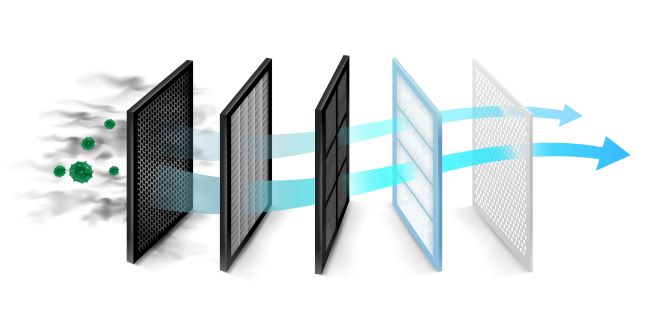
Credit: aeno.com
Choosing The Right Air Purifier
Choosing the right air purifier can improve your indoor air quality greatly. It helps remove dust, pollen, smoke, and other harmful particles. Picking the best model depends on your needs and the space size. Consider several key points to find the perfect air purifier for your home or office.
Assessing Air Quality Needs
Start by checking your room size and air problems. Do you have allergies or pets? Smoke or strong odors? Some purifiers work better for certain issues. Measuring your room’s square footage helps find a purifier with the right capacity. Smaller units may not clean large rooms effectively.
Comparing Features
Look for filters that target your specific concerns. HEPA filters capture tiny particles like dust and pollen. Activated carbon filters reduce odors and gases. Some models include UV lights to kill germs. Check noise levels, especially if you want quiet operation. Timer settings and air quality sensors add convenience.
Energy Efficiency
Consider how much power the purifier uses daily. Energy-efficient models save money and reduce environmental impact. Look for ENERGY STAR ratings or low wattage numbers. A purifier running 24 hours a day should consume less electricity. This helps keep your energy bills lower.
Common Misconceptions
Many people have wrong ideas about how air purifiers work. These wrong ideas can stop them from using these devices properly. Understanding the truth helps you get the most benefit from an air purifier.
Instant Air Cleaning
Some expect an air purifier to clean the air immediately. Air purifiers need time to remove dust, pollen, and smoke. The size of the room affects how fast the air cleans. Patience is key. Air purifiers work best over several hours.
Ozone Emission Concerns
There is a fear that air purifiers create harmful ozone. Most modern air purifiers do not produce ozone. Devices that use ionizers or ozone generators can release ozone. Always check product details before buying. Choose purifiers that meet safety standards.
Filter Replacement Frequency
Many people think filters last forever. Filters collect dust and particles and need regular change. Using old filters lowers purifier efficiency. Replace filters as the manual suggests. This keeps the air purifier working well and the air clean.
Frequently Asked Questions
How Does An Air Purifier Remove Dust And Allergens?
Air purifiers use filters to trap dust, pollen, and allergens. Clean air passes through, while particles stay inside the filter. This helps reduce allergy symptoms and keeps air fresh.
What Types Of Filters Do Air Purifiers Use?
Common filters include HEPA, activated carbon, and pre-filters. HEPA traps tiny particles, while carbon removes odors and gases. Different filters target different pollutants for cleaner air.
Can An Air Purifier Remove Bacteria And Viruses?
Yes, many air purifiers can trap bacteria and viruses with HEPA filters. Some models use UV light to kill germs. This reduces the risk of illness in indoor spaces.
How Often Should I Change An Air Purifier Filter?
Filters usually need changing every 6 to 12 months. Check the manufacturer’s guide for exact timing. Regular changes keep the purifier working well and air clean.
Does Room Size Affect Air Purifier Performance?
Yes, air purifiers work best in rooms matching their capacity. Using one too small for the room lowers air cleaning. Choose a purifier rated for your room size.
Conclusion
Air purifiers help clean the air we breathe every day. They trap dust, pollen, and tiny particles. Some use filters, while others use technology like ionizers. Cleaner air can reduce allergies and make breathing easier. Choosing the right purifier depends on your needs and space.
Regular maintenance keeps the purifier working well. Breathing fresh air supports better health and comfort at home. Clean air is important for everyone, young and old. Simple steps can improve your indoor air quality.