
Have you ever wondered how your air purifier knows how much air it can clean? The answer lies in something called CADR.
Understanding CADR can help you choose the right air purifier for your home, making sure you breathe cleaner, fresher air every day. You’ll discover what CADR means, why it matters, and how it affects your air quality. Keep reading, and you’ll learn how to make the best choice for your health and comfort.
Credit: www.aosmith.com.ph
What Cadr Means
Understanding CADR helps you choose the best air purifier for your space. It shows how well an air purifier cleans the air. Knowing CADR makes buying easier and smarter.
Definition Of Cadr
CADR stands for Clean Air Delivery Rate. It measures the volume of clean air an air purifier can produce. The number tells how fast the purifier removes specific pollutants. These pollutants include dust, smoke, and pollen. Higher CADR means faster air cleaning in a room.
Importance In Air Purifiers
CADR helps compare different air purifiers easily. It shows which model works best for your room size. Choosing a purifier with the right CADR ensures cleaner air quickly. This means fewer allergens and dust in your home. CADR also reflects the purifier’s efficiency and performance.
How Cadr Is Measured
Understanding how CADR is measured helps you choose the right air purifier. CADR shows how well an air purifier cleans the air in a room. It measures the volume of clean air produced per minute. The testing process follows strict standards for accuracy and fairness.
Testing Procedures
Tests happen in a sealed room to control the environment. The room size is fixed to keep results consistent. Pollutants are added at known levels. The air purifier runs and removes these particles. Sensors measure how quickly the air gets cleaner. The CADR score is based on this cleaning speed. This process repeats for each type of pollutant.
Common Pollutants Tested
Tests focus on three main pollutants. Dust particles are included because they are common indoors. Smoke is tested as it represents tiny harmful particles. Pollen is checked for allergy sufferers. These pollutants cover typical air quality problems. The CADR score helps compare how well purifiers remove each one.
Cadr Ratings And Room Size
CADR ratings help you find the right air purifier for your space. These numbers show how well the purifier cleans air in a specific room size. Matching CADR with room size keeps air fresh and healthy.
Matching Cadr To Room Dimensions
Each air purifier has a CADR number. It tells how many cubic feet of air it cleans each minute. To choose the right purifier, measure your room size in square feet. Find a CADR that fits your room dimensions. A small room needs a lower CADR. A large room needs a higher CADR. This match makes sure the purifier works well.
Impact On Air Quality
Using a purifier with the right CADR improves air quality fast. It removes dust, pollen, and smoke efficiently. If CADR is too low, the air stays dirty longer. If CADR is too high, the purifier uses more energy but cleans faster. Proper CADR helps reduce allergens and odors. It makes breathing easier and the room more comfortable.
Credit: eu.smartmiglobal.com
Comparing Cadr With Other Metrics
Understanding how CADR compares with other air purifier metrics helps in making smart choices. Many people get confused by different terms like Air Changes Per Hour or filter efficiency. Each metric tells a different story about air purifier performance. Knowing these differences makes it easier to pick the right device for your needs.
Clean Air Delivery Rate Vs. Air Changes Per Hour
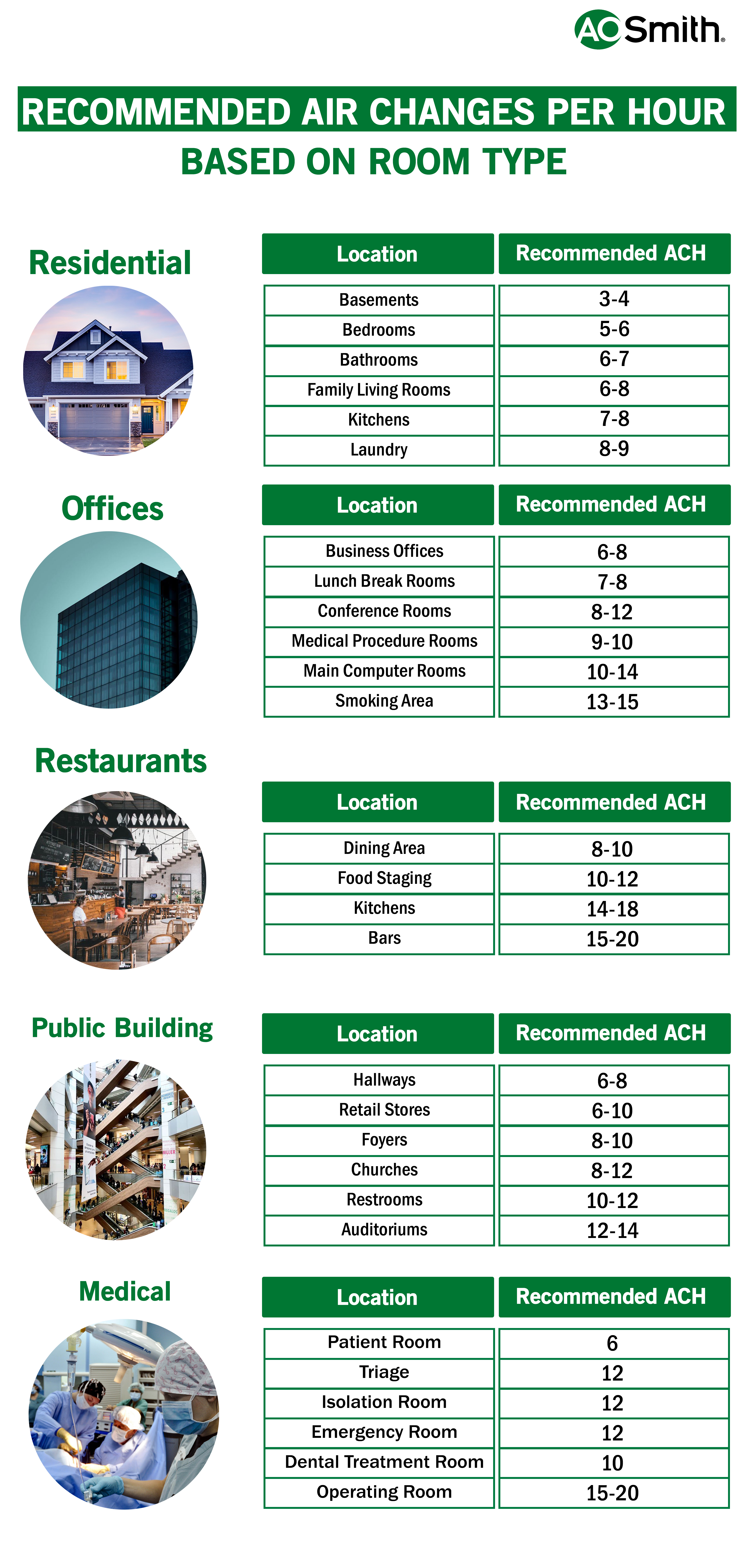
CADR measures how much clean air a purifier delivers every minute. It focuses on the volume of filtered air. Air Changes Per Hour (ACH) shows how many times the air in a room is fully cleaned in one hour. ACH depends on room size and purifier speed. CADR gives a direct number of clean air output. ACH tells how well the purifier works in a specific room size.
Filter Efficiency Vs. Cadr
Filter efficiency shows how well a filter removes particles from air passing through it. It is usually a percentage. CADR combines filter efficiency and airflow. A high-efficiency filter with low airflow can have a low CADR. CADR is a practical number for real-world use. Filter efficiency alone does not show how much clean air you get.
Choosing Air Purifiers Using Cadr
Choosing the right air purifier means understanding the Clean Air Delivery Rate (CADR). CADR shows how well an air purifier cleans the air. It measures the volume of filtered air in cubic feet per minute. Higher CADR numbers mean faster and better cleaning. Using CADR helps match the purifier to your room size and pollution needs.
Selecting Based On Pollutant Type
CADR scores vary by pollutant: dust, smoke, and pollen. Some purifiers work better on dust, while others target smoke or pollen. Check the CADR ratings for each pollutant type. Choose a purifier with high CADR for the main pollutant in your home. This ensures the purifier removes the particles you care about most.
Balancing Noise And Performance
High CADR often means stronger fans and more noise. Quiet rooms need purifiers with good CADR but lower noise levels. Look for models that offer multiple fan speeds. Use higher speeds when air quality is poor and lower speeds for quiet times. Balancing CADR and noise keeps your space clean and peaceful.
Limitations Of Cadr
CADR, or Clean Air Delivery Rate, measures how well an air purifier cleans air. It shows the volume of filtered air per minute. Despite its usefulness, CADR has some limits. It does not tell the full story about air purifier performance. Understanding these limits helps buyers make better choices.
Factors Not Reflected In Cadr
CADR does not measure all important factors. It misses the filter’s lifespan and maintenance needs. Noise level is not part of the CADR score. Energy use also remains unaccounted for. The size and type of particles filtered vary. CADR tests focus only on certain dust, pollen, and smoke particles. Other harmful pollutants may not be included.
Real-world Performance Considerations
CADR scores come from controlled lab tests. Real homes have different air flow and room shapes. Furniture and open doors affect air purifier efficiency. Air quality changes with outside pollution and activities inside. User habits, like filter replacement, influence performance. A purifier with high CADR may not always work best at home.
Maintaining Optimal Cadr Performance
Maintaining optimal CADR performance is key to keeping your air purifier effective. CADR, or Clean Air Delivery Rate, measures how well the purifier cleans the air. Over time, dust and particles can block filters and reduce this rate. Regular care helps the purifier work at its best. This section covers simple tips to maintain high CADR and clean air in your home.
Filter Replacement Tips
Change the filters regularly to keep the air purifier working well. Check the manufacturer’s instructions for how often to replace them. Dirty filters block airflow and lower CADR. Some purifiers have indicator lights to show when it’s time to replace the filter. Always use the right filter type for your model. This ensures the best air cleaning performance. Clean or replace filters on schedule to avoid poor air quality.
Proper Placement Of Air Purifiers
Place your air purifier in an open space for better air flow. Avoid corners or behind furniture that block air intake or output. Keep it away from walls at least a few inches. Position it where you spend the most time, like the living room or bedroom. Higher CADR is possible when air moves freely around the device. Proper placement helps the purifier clean air faster and more efficiently.
Credit: airdoctor.zendesk.com
Frequently Asked Questions
What Does Cadr Mean In Air Purifiers?
CADR stands for Clean Air Delivery Rate. It measures how fast an air purifier cleans the air in a room. Higher CADR means better air cleaning.
Why Is Cadr Important For Air Purifiers?
CADR helps you choose the right purifier size for your room. It shows how well the purifier removes dust, pollen, and smoke. This ensures cleaner, healthier air.
How Is Cadr Measured For Air Purifiers?
CADR is tested by measuring particles removed per minute. Tests focus on dust, pollen, and smoke particles. This standard helps compare different purifier models.
What Cadr Rating Should I Look For?
Choose a CADR rating that matches your room size. Larger rooms need higher CADR for effective cleaning. Check the purifier’s CADR before buying.
Can A High Cadr Guarantee Clean Air?
High CADR means faster air cleaning but not complete purity. Filters and maintenance also affect air quality. Regular filter changes keep the purifier effective.
Conclusion
CADR shows how well an air purifier cleans the air. It measures the amount of dust, pollen, and smoke removed per minute. Higher CADR numbers mean faster and better cleaning. Choosing a purifier with the right CADR helps keep your room fresh and healthy.
Remember, size matters—match the CADR to your room size for best results. Understanding CADR makes buying an air purifier easier. Clean air feels better and helps you breathe easier every day. Simple and clear—CADR guides you to a healthier home.