
Are you torn between choosing an Instant Pot or a traditional pressure cooker for your kitchen? Both promise fast, delicious meals, but which one really fits your lifestyle and cooking needs?
Understanding the key differences can save you time, money, and frustration. You’ll discover how each device works, their unique benefits, and which one will make your cooking easier and more enjoyable. Keep reading to find out which kitchen tool deserves a spot on your countertop.
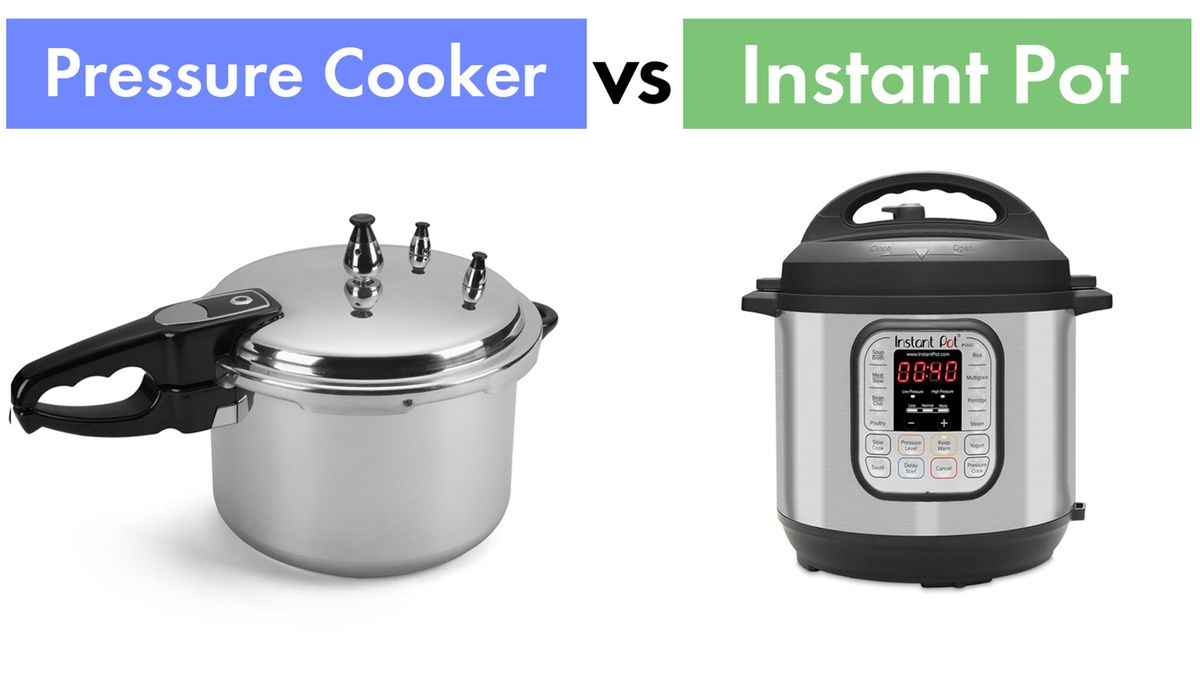
Credit: home.howstuffworks.com
Instant Pot Features
The Instant Pot stands out with its unique features. It offers more than just pressure cooking. Users can enjoy several cooking options in one device. This flexibility saves kitchen space and money.
Designed with modern technology, the Instant Pot makes cooking easier. It has smart controls and safety features. These keep the cooking process smooth and safe.
Multi-functionality
The Instant Pot is a multi-cooker. It combines pressure cooker, slow cooker, rice cooker, and more. You can also use it for steaming, sautéing, and yogurt making. This variety means fewer gadgets in your kitchen.
Digital Controls
Its digital panel shows clear options and timers. Users can choose settings with simple button presses. The screen displays cooking time and progress. This makes cooking precise and less stressful.
Safety Mechanisms
Safety is a top priority for the Instant Pot. It has many built-in features to prevent accidents. These include lid locks, pressure release valves, and temperature sensors. These features help avoid burns and other hazards.
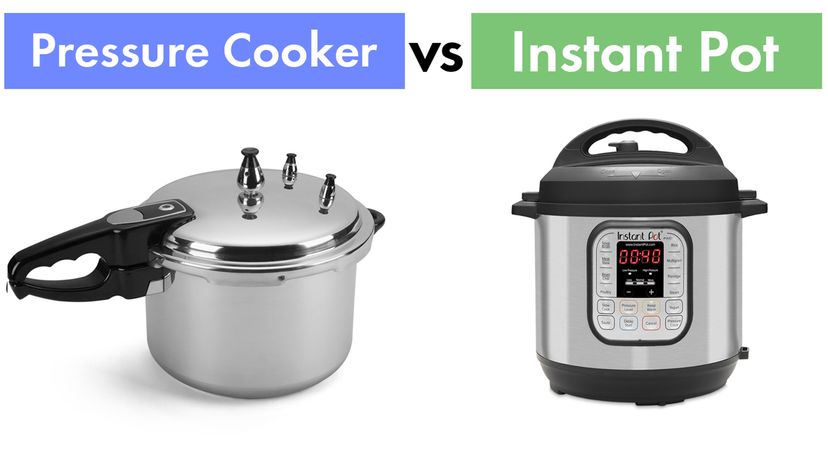
Credit: home.howstuffworks.com
Pressure Cooker Basics
Pressure cookers are kitchen tools that cook food fast. They use steam and high pressure inside a sealed pot. This method saves time and energy. Understanding the basics helps choose the right cooker for your needs.
Pressure cookers come in different types. Each has unique features and ways to use. Learning about these types makes cooking easier and safer.
Types Of Pressure Cookers
There are two main types: stovetop and electric. Stovetop cookers sit on the stove and need close attention. They cook food quickly and reach high pressure. Electric cookers have built-in controls and timers. They work by plugging into an outlet. These cookers offer more convenience and safety settings.
Manual Operation
Manual pressure cookers need you to adjust heat and time. You watch the pressure indicator to keep it steady. Releasing steam requires care to avoid burns. Electric models handle these steps automatically. This makes cooking more hands-off and less stressful.
Safety Features
Modern pressure cookers include safety parts to prevent accidents. These parts stop the lid from opening under pressure. They control steam release to avoid sudden bursts. Some models have alarms or locking systems. These features protect you and your kitchen.
Cooking Speed Comparison
Cooking speed plays a key role in choosing between an Instant Pot and a traditional pressure cooker. Understanding how fast each appliance heats and cooks food helps pick the best option for your kitchen. This section breaks down the timing into preheating, pressure build-up, and actual cooking duration.
Preheating Times
Preheating is the first step before cooking. The Instant Pot usually takes longer to preheat. It uses electricity and needs time to warm up safely. Traditional pressure cookers heat faster on a stove. The direct flame raises the temperature quickly. This means less wait time before cooking starts.
Pressure Build-up
Pressure build-up affects how soon cooking begins. The Instant Pot controls pressure automatically. It can take a few minutes to reach the right level. A traditional pressure cooker reaches pressure faster. The heat from the stove builds pressure quickly. This can save time for fast meals.
Cooking Duration
Cooking times under pressure are similar for both devices. Recipes designed for pressure cookers work well with Instant Pots. The main difference is how fast pressure reaches the right level. Both cook food much faster than conventional methods. This helps prepare meals in less than half the usual time.
Ease Of Use
Ease of use is a key factor when choosing between an Instant Pot and a traditional pressure cooker. Both tools save cooking time but differ in how simple they are to handle. Understanding these differences helps you pick the right one for your kitchen.
User Interface
The Instant Pot has a digital screen and buttons. It shows cooking time and settings clearly. This makes it easy to select options and monitor progress. Traditional pressure cookers have simple lids and pressure valves. They rely on manual control and do not have digital displays. Users must watch time closely and adjust heat by stove control.
Programming Options
Instant Pots offer many preset cooking programs. You can choose settings for rice, soup, meat, and more. These presets remove guesswork and make cooking faster. Traditional pressure cookers have no presets. You control cooking time by watching the clock and adjusting heat manually. This needs more attention and experience.
Maintenance And Cleaning
Instant Pots have removable inner pots that are dishwasher safe. The seals and lids need regular cleaning but are easy to handle. Traditional pressure cookers are mostly metal and easy to wash by hand. Both require cleaning the lid and gasket to keep them safe. Instant Pots have more parts, but cleaning is still simple.
Versatility In Cooking
Versatility in cooking is a key factor when choosing between an Instant Pot and a traditional pressure cooker. Both devices offer ways to prepare meals quickly, but their range of uses can differ greatly. Understanding these differences helps you decide which tool fits your kitchen needs best.
Recipes Suitable For Each
An Instant Pot handles a wide variety of recipes, from soups and stews to cakes and yogurt. It can bake, steam, and slow cook, beyond just pressure cooking. A traditional pressure cooker mainly excels in cooking beans, meats, and tough vegetables fast. Its focus is on simple pressure cooking tasks.
Additional Cooking Modes
The Instant Pot offers multiple cooking modes, like sauté, slow cook, and rice cooking. These modes let you cook many dishes without extra pots. Traditional pressure cookers usually have one mode: pressure cooking. This limits their use but keeps things straightforward and fast.
Adaptability To Different Cuisines
Instant Pots adapt well to global cuisines. They can prepare Indian curries, Asian rice dishes, and Western stews with ease. Pressure cookers also work for many cuisines but need more hands-on control. They suit cooks who prefer simple, traditional pressure cooking methods.
Energy Efficiency
Energy efficiency plays a big role in choosing between an Instant Pot and a traditional pressure cooker. Both devices save time, but they do this with different energy needs. Understanding these differences can help you pick the best option for your kitchen and your wallet.
Power Consumption
Instant Pots use electricity to cook food. They have a heating element that needs power to work. Usually, they use between 700 to 1200 watts. Traditional pressure cookers use your stove’s heat. The amount of energy depends on your stove type. Gas stoves can use more energy than electric ones. Overall, Instant Pots have a steady power use while pressure cookers depend on the stove’s heat level.
Heat Retention
Instant Pots keep heat inside their sealed pot. This stops heat from escaping. It makes cooking faster and uses less energy. Pressure cookers also trap steam and heat well. But they can lose more heat once you remove them from the stove. Instant Pots maintain heat longer without extra energy. This helps in saving electricity during cooking.
Environmental Impact
Using less energy means less pollution. Instant Pots often use less electricity than cooking on a stove. This can reduce your carbon footprint. Pressure cookers rely on the stove’s fuel. Gas stoves burn fossil fuels, which can pollute more. Electric stoves can be cleaner depending on the energy source. Choosing the right cooker can help lower your impact on the environment.
Price And Value
Price and value play a big role when choosing between an Instant Pot and a traditional pressure cooker. Both offer ways to cook food faster, but their costs and benefits vary. Understanding these differences helps you pick the best option for your kitchen and budget.
Initial Cost
Instant Pots usually cost more upfront than basic pressure cookers. This is because they have electronic controls and multiple cooking functions. Traditional pressure cookers are simpler and cheaper. They focus only on pressure cooking, which lowers the price.
Long-term Investment
Instant Pots offer more cooking options, which can save money on extra appliances. They also help reduce energy use by cooking faster. Basic pressure cookers last long and need less care. Both can save money over time compared to slow cooking or eating out.
Warranty And Support
Instant Pots often come with a warranty and customer support. This can help fix problems or replace parts. Traditional pressure cookers usually have limited or no warranty. Support depends on the brand and seller. Consider this when deciding the best value for your money.
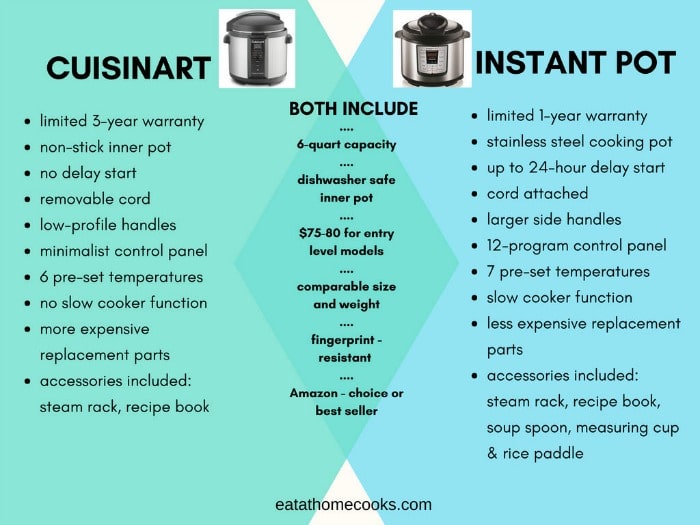
Credit: eatathomecooks.com
Which One Suits You?
Choosing between an Instant Pot and a traditional pressure cooker depends on your daily needs. Both tools cook food fast, but they fit different lifestyles. Understanding your habits helps pick the best option.
Lifestyle Considerations
Instant Pots have many features besides pressure cooking. They can slow cook, steam, and even make yogurt. People who enjoy trying new recipes find Instant Pots handy. Traditional pressure cookers focus on fast cooking only. They suit those who want simple, quick meals.
Cooking Frequency
Cook often? An Instant Pot saves time and effort daily. It handles many cooking styles in one pot. Use it for batch cooking or quick dinners. Cook rarely? A pressure cooker might be enough. It cooks meals fast and is easy to use. Both tools reduce cooking time a lot.
Space And Storage
Instant Pots are larger and heavier. They need more countertop or cabinet space. Consider your kitchen size before buying one. Pressure cookers are usually smaller and lighter. They fit better in small kitchens or tight spaces. Think about where you will store your cooker.
Frequently Asked Questions
What Is The Main Difference Between Instant Pot And Pressure Cooker?
Instant Pot is an electric pressure cooker with multiple functions. A regular pressure cooker is stovetop-only and has fewer features.
Can I Use A Pressure Cooker Like An Instant Pot?
You can cook food quickly in both, but Instant Pot offers extra settings. Pressure cookers need manual heat control.
Which One Is Safer, Instant Pot Or Pressure Cooker?
Instant Pot has built-in safety features like automatic pressure control. Traditional pressure cookers require careful handling and monitoring.
Does Instant Pot Cook Food Faster Than A Pressure Cooker?
Both cook food quickly by using steam pressure. Instant Pot may save time with preset programs.
Can I Make Desserts In An Instant Pot Or Pressure Cooker?
Yes, both can cook desserts using steam pressure. Instant Pot has specific dessert modes for convenience.
Is Cleaning Easier For Instant Pot Or Pressure Cooker?
Instant Pot parts are dishwasher safe and easy to clean. Pressure cookers have fewer parts but need careful washing.
Conclusion
Choosing between an Instant Pot and a pressure cooker depends on your needs. Instant Pots offer multiple cooking functions in one device. Pressure cookers focus on fast, simple cooking with steam pressure. Both save time compared to traditional methods. They make meals easier and faster.
Think about your cooking style and budget. Either tool can help you enjoy home-cooked food. Simple, quick, and efficient—these devices bring convenience to your kitchen. Pick what fits your lifestyle best. Cooking made easy, with less wait and good results.