
Are you struggling to keep your space cool without breaking the bank? Choosing between HVLS fans and air conditioning can feel confusing.
Both promise comfort, but which one truly fits your needs and budget? This article will help you understand the key differences, so you can make the smartest choice for your home or business. Keep reading to discover which cooling option will work best for you and save you money in the long run.
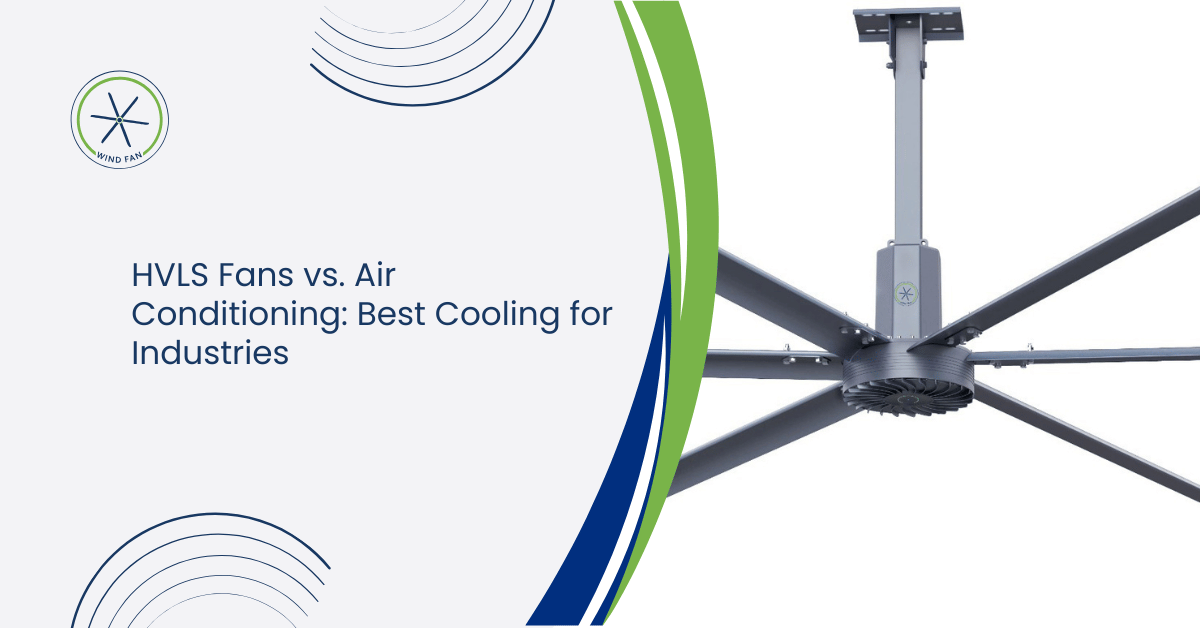
Credit: windfan.in
Energy Efficiency Comparison
Energy efficiency is a key factor when choosing between HVLS fans and air conditioning. Both offer cooling but use energy differently. Understanding their efficiency helps save money and reduce power use.
Let’s explore how HVLS fans and air conditioners compare in energy use and cost.
Power Consumption Rates
HVLS fans use much less power than air conditioners. Fans move air to create a cooling effect without lowering temperature. Air conditioners cool the air, which needs more energy. On average, a large HVLS fan uses 200 to 400 watts. A typical air conditioner can use 1,000 to 4,000 watts or more. This shows fans are more energy-friendly for long-term use.
Impact On Utility Bills
Lower power use means lower utility bills for HVLS fans. They cost less to run daily. Air conditioning can cause high electricity bills, especially in hot months. Using fans alongside air conditioning can reduce overall costs. Fans help distribute cool air better, letting air conditioners work less. This balance can save money without losing comfort.
Seasonal Efficiency Variations
HVLS fans are effective mostly in warm seasons. They cool people by moving air but don’t change temperature. Air conditioners perform well in hot weather by lowering room temperature. In cooler months, fans can help circulate warm air efficiently. Air conditioners usually are off in cold seasons, so their energy use drops. Fans provide year-round benefits with less energy use, making them a flexible option.
Cooling Mechanisms
Cooling mechanisms play a key role in making indoor spaces comfortable. They help lower temperatures and improve air quality. HVLS fans and air conditioning use different methods to cool the air. Understanding these methods helps choose the right cooling system for any space.
How Hvls Fans Circulate Air
HVLS fans move large volumes of air slowly and evenly. They create a gentle breeze that makes people feel cooler. The moving air helps sweat evaporate faster from the skin. This natural cooling effect lowers body temperature without changing the air temperature. HVLS fans also mix warm and cool air to reduce hot spots.
Air Conditioning Cooling Process
Air conditioners remove heat from indoor air using refrigerants. The system cools the air and removes moisture. This lowers both temperature and humidity. Cooled air circulates through vents to provide a steady chill. Air conditioning changes the air temperature directly, creating a cooler indoor climate.
Effectiveness In Different Climates
HVLS fans work best in dry or mild climates. They provide comfort without raising energy costs. In hot and humid climates, fans alone may not be enough. Air conditioning excels in humid places by controlling temperature and moisture. Combining both systems can improve comfort and save energy in varied climates.
Installation And Maintenance
Installation and maintenance are key factors in choosing between HVLS fans and air conditioning. Both systems require different setups and upkeep to work well. Understanding these differences helps make a smart choice for your space.
Setup Requirements
HVLS fans need a strong ceiling or support beam for mounting. They are usually installed in large spaces like warehouses or gyms. The setup is simpler and faster than installing an air conditioner.
Air conditioning requires ductwork, vents, and electrical connections. The installation is more complex and takes longer. It may need professional help and permits in some areas.
Maintenance Costs And Frequency
HVLS fans have low maintenance costs. Cleaning the blades and checking the motor every few months is enough. Repairs are rare and usually simple.
Air conditioners need regular filter changes and system checks. Maintenance can be costly and must happen more often. Parts like compressors and coils may need replacement over time.
Longevity And Durability
HVLS fans last many years with minimal wear. They are durable and handle dusty or tough environments well. Fans often continue working efficiently for over a decade.
Air conditioners have a shorter lifespan, usually 10 to 15 years. They are sensitive to weather changes and require careful use. Regular upkeep affects how long they last.
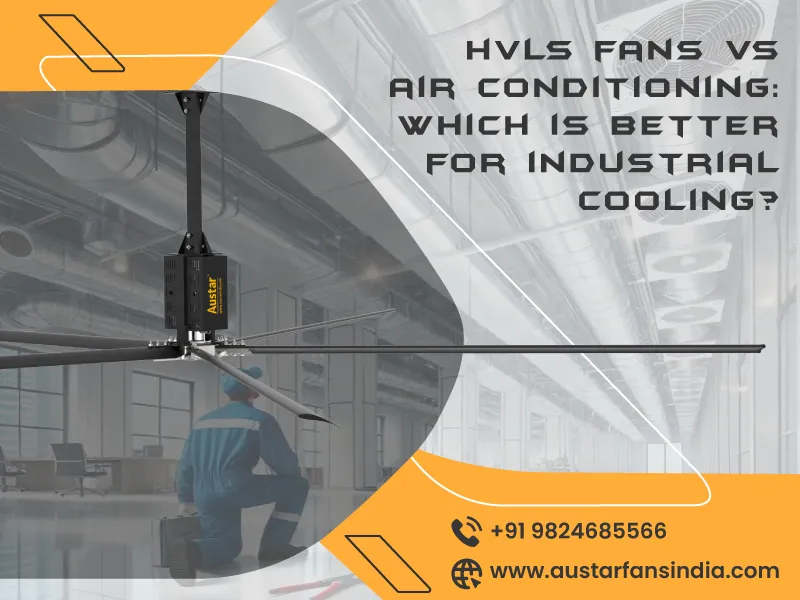
Credit: www.austarfansindia.com
Environmental Impact
The environmental impact of cooling systems matters a lot today. Many people want to cool their spaces but also care about the planet. Two popular options are HVLS fans and air conditioning. Both have effects on the environment. Understanding these effects helps choose the best system.
Carbon Footprint Comparison
HVLS fans use much less electricity than air conditioners. They move large amounts of air with low power. This means they produce fewer carbon emissions. Air conditioners need more energy to cool the air. This results in a larger carbon footprint. Choosing fans reduces the amount of greenhouse gases released.
Refrigerant Use In Ac Units
Air conditioners use refrigerants to cool the air. These chemicals can harm the environment. Some refrigerants damage the ozone layer. Others contribute to global warming. Proper handling and disposal are important but often ignored. HVLS fans do not use refrigerants. This makes them safer for the environment.
Sustainability Considerations
Fans last longer and require less maintenance. They use simple technology with fewer parts. Air conditioners have complex systems needing repairs and parts. Manufacturing and disposing of AC units create waste. Fans have a smaller impact on natural resources. Choosing fans helps promote a more sustainable future.
Comfort And Air Quality
Comfort and air quality are key factors in choosing between HVLS fans and air conditioning. Both affect how cool and fresh a space feels. Understanding their differences helps create a better environment. This section breaks down how each option handles temperature, airflow, and humidity.
Temperature Control Precision
Air conditioners offer exact temperature settings. They cool the air to a specific degree. HVLS fans do not cool air but move it around. This movement creates a breeze that helps people feel cooler. Fans adjust comfort by enhancing evaporation from the skin. Precise cooling is possible only with air conditioning.
Airflow And Ventilation
HVLS fans move large volumes of air gently and steadily. This airflow helps remove stale air and brings fresh air in. Air conditioners recirculate indoor air through filters. They may not provide fresh air unless paired with ventilation systems. Fans improve air circulation, reducing pockets of hot or stale air.
Humidity Management
Air conditioners reduce indoor humidity by extracting moisture from the air. Lower humidity helps rooms feel cooler and less sticky. HVLS fans do not change humidity levels directly. They make humidity less noticeable by increasing airflow. Managing humidity is more effective with air conditioning.

Credit: industrialfans.hunterfan.com
Cost Analysis
Cost analysis plays a key role in choosing between HVLS fans and air conditioning. Understanding the costs helps you decide which option fits your budget and needs. This section breaks down the main costs of each cooling method.
Initial Investment
HVLS fans usually cost less to install than air conditioning systems. The price of fans depends on size and brand. Air conditioners need more equipment and complex setup. This raises the upfront cost significantly. Installation of AC systems often requires ductwork and electrical upgrades. Fans, by contrast, need simpler mounting and wiring. For large spaces, fans can be a budget-friendly choice.
Operational Expenses
HVLS fans consume less electricity than air conditioners. Fans mainly use power to spin blades and run motors. Air conditioners work harder to cool entire rooms. This leads to higher energy bills. Maintenance costs for fans are also lower. AC units require regular servicing, filter changes, and refrigerant refills. Fans usually need less frequent upkeep. Over time, running costs make a big difference.
Return On Investment
HVLS fans offer a faster return on investment due to lower costs. Savings on energy and maintenance add up quickly. Air conditioners take longer to pay off because of higher expenses. Fans improve air circulation, which can boost comfort at a lower cost. For businesses, this can mean lower overhead. Choosing the right system depends on budget and cooling needs.
Ideal Use Cases
Choosing between HVLS fans and air conditioning depends on the setting and needs. Each option fits better in certain places. Understanding where each works best helps save money and energy. It also keeps people comfortable.
Commercial Spaces
HVLS fans suit large commercial spaces with high ceilings. Warehouses, gyms, and big stores benefit from their wide airflow. They reduce heat and improve air circulation. Air conditioning works well in offices and small shops. It cools enclosed spaces quickly and quietly.
Residential Settings
Air conditioning is common in homes for fast cooling. It keeps bedrooms and living rooms comfortable. HVLS fans can also work on porches or open areas. They use less energy and move air gently. Fans may not cool as much as AC inside houses.
Industrial Applications
Factories and workshops often use HVLS fans. These fans help control temperature and remove odors. They lower energy costs compared to air conditioning large spaces. Air conditioning may be used in smaller control rooms or offices. Fans support workers by improving airflow in big areas.
Technological Advances
Technological advances shape how we cool and ventilate spaces. HVLS fans and air conditioning systems both use new technology to improve comfort and efficiency. Understanding these advances helps in choosing the right cooling solution.
Smart Controls And Integration
HVLS fans now come with smart controls for easy operation. They connect to smartphones and building systems for remote control. Air conditioners also use smart thermostats to adjust temperatures automatically. Integration allows syncing fans and air conditioners for balanced cooling. This reduces energy waste and improves comfort.
Energy-saving Innovations
Modern HVLS fans use efficient motors that consume less power. Their large blades move air gently but effectively across big spaces. Air conditioners feature inverter technology to save energy by adjusting compressor speed. Both systems use sensors to optimize energy use based on room conditions. These innovations lower electricity bills and reduce environmental impact.
Future Trends
Future HVLS fans may include AI to learn user habits and adjust airflow. Air conditioning units are evolving with eco-friendly refrigerants and better heat exchange. Hybrid systems combining fans and air conditioners are gaining interest. These trends aim for smarter, greener, and more cost-effective cooling solutions.
Frequently Asked Questions
What Are Hvls Fans And How Do They Work?
HVLS fans are large ceiling fans that move air slowly but over a large area. They cool people by creating a breeze that helps sweat evaporate. This makes the space feel cooler without lowering the air temperature.
How Does Air Conditioning Differ From Hvls Fans?
Air conditioning cools the air by removing heat and moisture, lowering room temperature. HVLS fans do not change air temperature but increase air movement to cool the body. Both serve to make indoor spaces comfortable but in different ways.
Which Is More Energy Efficient: Hvls Fans Or Air Conditioning?
HVLS fans use much less electricity than air conditioning units. They can lower cooling costs by improving airflow and reducing the need for AC. Using fans with AC can save energy and money.
Can Hvls Fans Replace Air Conditioning Completely?
HVLS fans alone may not be enough in very hot or humid places. They work best alongside air conditioning to improve comfort and efficiency. In mild climates, fans might be enough for cooling.
What Are The Installation Costs Of Hvls Fans Versus Air Conditioning?
HVLS fans usually cost less to install than full air conditioning systems. They need less maintenance and have lower running costs. Air conditioners require more upfront and ongoing expenses.
Are Hvls Fans Suitable For All Building Types?
HVLS fans work well in large, open spaces like warehouses and gyms. They may not be ideal for small or heavily partitioned rooms. Air conditioning might be better for tight indoor spaces.
Conclusion
Both HVLS fans and air conditioning have their strengths. HVLS fans move air well and save energy. Air conditioning cools the air but uses more power. Choosing depends on your needs and budget. For large spaces, fans often work better.
For very hot places, air conditioning might be best. Combining both can bring comfort and save costs. Think about the size, climate, and energy use. This helps you pick the right cooling option. Keep comfort and savings in mind.