
Are you struggling to keep noise out of your home or workspace? Choosing between soundproof curtains and blinds can feel confusing.
Both promise to block unwanted sounds, but which one truly works best for you? You’ll discover the key differences that affect your comfort, privacy, and peace of mind. By the end, you’ll know exactly which option fits your needs and budget—so you can finally enjoy a quieter, more peaceful environment.
Keep reading to find the perfect sound solution for your space.
Noise Reduction Basics
Noise reduction plays a big role in making homes quiet and peaceful. Understanding how sound moves and what changes noise levels helps in choosing the right window treatment. Soundproof curtains and blinds work differently to lower noise. Knowing the basics helps pick the best option.
How Sound Travels Indoors
Sound moves through air as waves. These waves enter a room through windows, doors, and walls. Thin windows let more sound pass inside. Hard surfaces reflect sound and make noise louder. Soft materials like curtains absorb sound waves. This lowers the noise that reaches your ears.
Factors Affecting Noise Levels
Noise depends on many things. The distance from the sound source matters. Closer sounds are louder. The type of window glass affects sound entry. Double-pane glass blocks noise better than single-pane. The thickness and material of curtains or blinds also help. Heavy, dense fabrics reduce noise more than thin ones.
Features Of Soundproof Curtains
Soundproof curtains offer unique features that help reduce noise and improve comfort. They combine special materials and design to block sound effectively. These curtains also provide benefits beyond noise reduction, such as energy savings. Understanding their features can help decide if they suit your needs better than blinds.
Materials And Thickness
Soundproof curtains use dense fabrics like velvet or microfiber. These materials absorb and block sound waves. The thickness of the curtains plays a key role in noise reduction. Thicker curtains block more sound by creating a strong barrier. Layers of fabric increase the curtain’s ability to reduce outside noise.
Installation And Coverage
Installing soundproof curtains is simple and flexible. They hang like regular curtains on rods or tracks. Full coverage of windows and walls is important for soundproofing. Curtains should extend beyond the window frame to seal gaps. Proper coverage stops noise from sneaking around edges.
Energy Efficiency Benefits
Soundproof curtains also help keep rooms warm or cool. Their thick fabric acts like insulation. This reduces heat loss in winter and heat gain in summer. Lower energy use means smaller heating and cooling bills. These curtains improve comfort while saving money.
Characteristics Of Soundproof Blinds
Soundproof blinds offer a practical way to reduce noise in your home or office. They combine functionality with style. These blinds help block outside sounds while controlling light. Understanding their characteristics helps you choose the best option.
Design And Materials
Soundproof blinds usually have thick layers or honeycomb structures. These designs trap and absorb sound waves effectively. Materials like dense fabric or foam improve noise reduction. The blinds come in various colors and styles to match decor. Their sturdy build also provides some insulation against heat and cold.
Ease Of Use And Adjustability
Most soundproof blinds are easy to install and operate. You can raise or lower them smoothly using cords or a motor. Adjusting the blinds lets you control the amount of noise entering the room. They fit well on different window sizes. Their simple design makes daily use convenient and quick.
Light Control Options
These blinds offer multiple light control settings. You can block sunlight completely or let some light in. Some models have adjustable slats for precise light direction. They reduce glare while maintaining privacy. This flexibility helps create a comfortable indoor atmosphere.

Credit: windowcurtainsdubai.ae
Comparing Noise-blocking Performance
Noise-blocking performance is key when choosing between soundproof curtains and blinds. Both options reduce sound but differ in how well they work. Understanding these differences helps pick the best fit for your space.
Effectiveness In Different Settings
Soundproof curtains work best in rooms with large windows or glass doors. Their thick fabric absorbs sound waves effectively. Blinds offer some noise reduction but mostly block light. They suit smaller windows or offices with less noise. Curtains add mass and softness, which helps quiet busy streets or loud neighbors. Blinds focus on blocking direct noise but let some sound pass through gaps.
Impact On Sound Frequency
Soundproof curtains excel at blocking mid to high frequencies like voices and traffic noise. Their dense materials reduce echoes inside rooms too. Blinds mainly reduce higher frequencies but struggle with low bass sounds. Low-frequency sounds need heavier, thicker materials to block. Curtains often have layers that trap different sound waves. Blinds are thinner and less dense, so lower sounds pass more easily.
Real-world Test Results
Tests show soundproof curtains can cut noise by up to 50%. Thick, multi-layer curtains perform better than thin ones. Blinds usually reduce noise by about 10 to 20%. Results depend on window size, curtain thickness, and room shape. Combining curtains with blinds offers extra noise reduction. Real homes report quieter rooms with curtains. Offices with blinds notice less sound but still hear outside noise.
Aesthetic And Functional Differences
Soundproof curtains and blinds both reduce noise but differ in look and use. Choosing between them depends on your room’s style and needs. Each has unique features that affect your space’s feel and function.
Style And Color Choices
Soundproof curtains offer many colors and patterns. They bring warmth and softness to a room. You can find light or dark shades to match decor.
Blinds come in fewer styles but suit modern or minimal spaces. Their clean lines create a neat look. Colors often stay neutral, like white, gray, or beige.
Space And Window Compatibility
Curtains work well in larger rooms with enough wall space. They hang outside the window frame and need room to open fully.
Blinds fit better in small areas or windows with limited space. They sit inside the window frame, saving room. Blinds also allow more control of light and privacy.
Maintenance And Durability
Curtains require regular washing to stay fresh. Thick fabric can take time to dry. They may fade with strong sunlight.
Blinds clean easily with a quick wipe. They resist fading and last longer in bright rooms. Blinds handle moisture better, ideal for kitchens or bathrooms.

Credit: desound.ae
Cost And Installation Considerations
Choosing between soundproof curtains and blinds involves thinking about cost and installation. Both options vary in price and setup needs. These factors affect your budget and how quickly you can enjoy a quieter room.
Price Range Comparison
Soundproof curtains usually cost less upfront than blinds. The price depends on the fabric thickness and size. Blinds tend to be pricier, especially if they have sound-blocking features. Simple curtains may start around $30, while advanced blinds can go above $150.
Keep in mind that cheaper options may not block sound well. Spending a bit more often means better noise reduction. Choose based on what fits your budget and noise needs.
Diy Vs Professional Installation
Installing soundproof curtains is often easy and quick. Most curtains come with rods or hooks that you can mount yourself. This saves money and time.
Blinds can be harder to install. They may require drilling or measuring to fit perfectly. Some blinds need professional help to ensure proper setup. This adds to the overall cost.
Think about your skills and tools before deciding. Curtains suit those who want a fast, simple fix. Blinds might need more effort or expert help.
Long-term Investment Value
Soundproof curtains may need replacing more often. Fabrics can wear out or fade with time. Blinds, especially those made from metal or wood, last longer.
Blinds often provide better insulation and sound blocking over time. This can save money on energy bills. Curtains offer flexibility and style but may cost more in the long run.
Consider how long you want the solution to last. Think about maintenance and durability before buying.
Choosing The Right Option
Choosing the right soundproof window treatment depends on many factors. It is not just about blocking noise. You must consider the room, your lifestyle, and how the curtains or blinds fit your needs. This helps you pick the best option to make your space quiet and comfortable.
Room Type And Noise Source
The kind of room matters a lot. Bedrooms need more quiet than kitchens or living rooms. If the noise comes from traffic, thick curtains work well. For noise from neighbors or inside the house, blinds might be enough. Think about how much sound you want to block in each room.
Personal Preferences And Lifestyle
Your style and daily habits affect your choice. Curtains give a cozy look and feel soft to touch. Blinds look neat and need less space. If you open windows often, blinds are easier to move. For people with pets or kids, blinds may be safer. Choose what fits your daily routine and taste.
Combining Curtains And Blinds
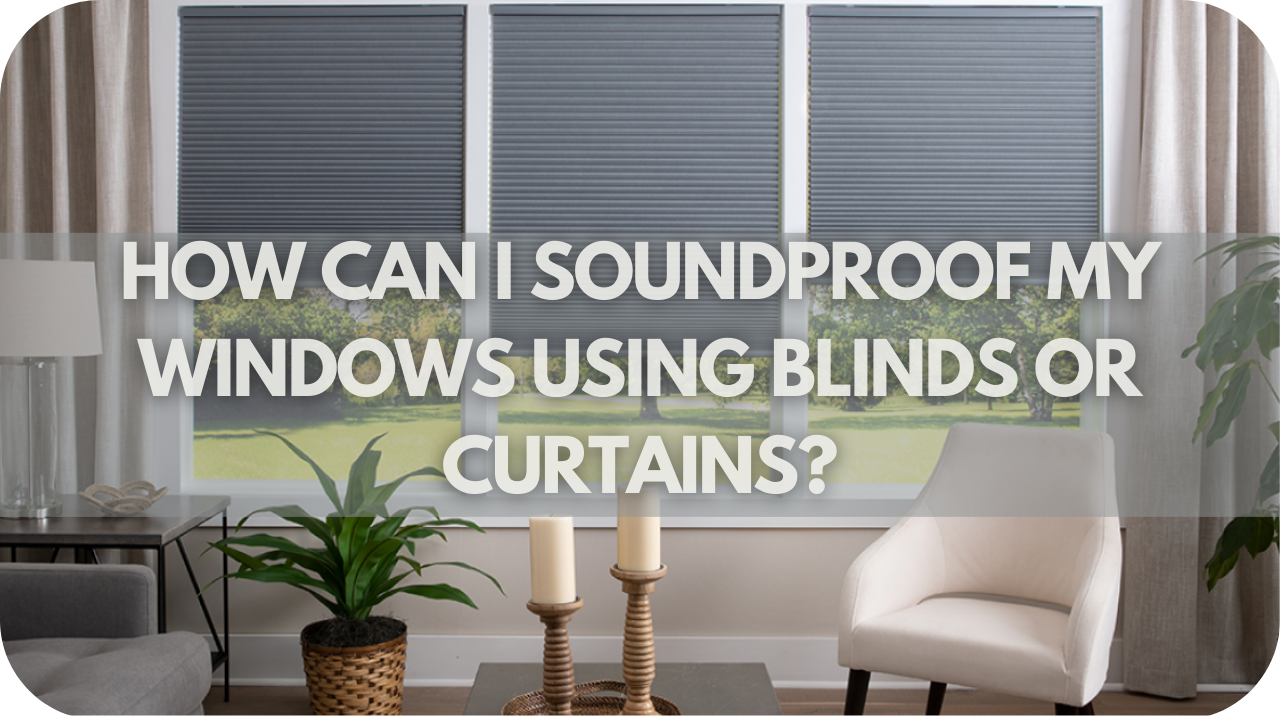
Using both curtains and blinds can improve soundproofing. Blinds block some noise and control light. Curtains add extra layers to stop more sound. This combo also gives flexibility for light and privacy. It suits rooms with heavy noise or special needs. Mixing both can create a quieter, stylish room.
Credit: www.intoblinds.com.au
Frequently Asked Questions
What Are Soundproof Curtains And How Do They Work?
Soundproof curtains are thick, heavy curtains designed to reduce noise. They absorb sound waves and block outside noise from entering a room.
How Effective Are Blinds In Reducing Noise?
Blinds offer minimal noise reduction compared to soundproof curtains. They mainly block light but do not absorb sound well.
Which Is Better For Noise Reduction: Curtains Or Blinds?
Soundproof curtains are better at reducing noise because of their dense fabric. Blinds provide little sound insulation but help with light control.
Can Soundproof Curtains Improve Room Temperature?
Yes, soundproof curtains can also help insulate rooms. Their thick material reduces heat loss and keeps rooms cooler or warmer.
Are Soundproof Curtains Easy To Install Compared To Blinds?
Soundproof curtains are usually easier to install with a rod or track. Blinds require precise measuring and mounting hardware.
Do Soundproof Curtains Block Outside Light As Well?
Yes, most soundproof curtains are designed to block light too. They work well for creating dark, quiet spaces.
Conclusion
Choosing between soundproof curtains and blinds depends on your needs. Curtains block more noise and add warmth. Blinds offer better light control and style. Both can help reduce sound but work differently. Think about your room, budget, and noise level.
Curtains suit bedrooms and living rooms well. Blinds fit offices and kitchens better. Small changes make big differences in noise comfort. Pick what fits your space and lifestyle best. Quiet and calm—within reach.