
Choosing the right mower can change how you feel about lawn care. You want a tool that’s easy to use, reliable, and fits your needs.
But with electric mowers and gasoline mowers both promising the best results, how do you decide which one is truly right for you? This article will break down the key differences, so you can make a smart choice that saves you time, effort, and money.
Keep reading—you might be surprised by what you discover about these two popular options.
Types Of Electric Mowers
Electric mowers come in different types. Each type fits different lawn sizes and user needs. Understanding these types helps in choosing the right mower for your yard.
Corded Models
Corded electric mowers plug into an outlet. They provide constant power without needing a battery. These mowers are light and easy to push. The main limit is the cord length. They work best for small yards near an outdoor socket.
Cordless Models
Cordless electric mowers run on rechargeable batteries. They offer more freedom of movement than corded mowers. Battery life varies but usually lasts 30 to 60 minutes. These mowers suit medium to small yards. Charging time and battery replacement are important factors.
Robotic Mowers
Robotic mowers work automatically. They move around the lawn on their own. You set boundaries with a wire or sensor. These mowers save time and effort. They are ideal for regular lawn maintenance. However, they may struggle with very uneven terrain.

Credit: mowrator.com
Types Of Gasoline Mowers
Gasoline mowers come in different types. Each type serves different lawn care needs. Understanding these types helps you pick the right mower for your yard.
Gasoline mowers are powerful and work well on large or tough lawns. They run on fuel and often need more maintenance than electric mowers. Still, many people prefer them for their strength and durability.
Push Mowers
Push mowers require you to push the machine across the lawn. They are simple and affordable. Great for small to medium lawns with flat terrain. They give good control but need physical effort.
Self-propelled Mowers
Self-propelled mowers move on their own with engine power. You only guide them, which reduces effort. Ideal for medium to large lawns, especially on hills or uneven ground. They come with speed controls for easy use.
Riding Mowers
Riding mowers let you sit and drive the mower like a small tractor. Best for very large lawns or fields. They save time and reduce fatigue. Some models include extra features like grass collection or mulching.
Performance Comparison
Choosing between electric and gasoline mowers means understanding their performance. Each type has strengths and weaknesses that affect how well they mow your lawn. This section compares key performance areas to help you decide which fits your needs best.
Cutting Power
Gasoline mowers often deliver stronger cutting power. They handle thick grass and uneven terrain easily. Electric mowers work well on small to medium lawns with regular grass. Advances in electric motors have improved power, but gas still leads for heavy-duty jobs.
Battery Life And Runtime
Electric mowers depend on battery life. Most run between 30 and 60 minutes per charge. This suits smaller yards but may need a recharge for larger areas. Gasoline mowers run as long as there is fuel. They offer continuous mowing without breaks.
Fuel Efficiency
Electric mowers use electricity and are cheaper to operate. They produce no direct emissions, making them eco-friendly. Gasoline mowers consume fuel and emit pollution. Fuel cost varies, and gas engines require regular maintenance to stay efficient.
Maintenance Needs
Maintenance is a key factor when choosing between electric and gasoline mowers. Knowing what each type requires helps save time and money. It also keeps the mower working well for years. This section breaks down the routine upkeep for both types.
Routine Upkeep For Electric Mowers
Electric mowers need less maintenance than gasoline mowers. Most have fewer moving parts. Check the battery regularly for charge and wear. Clean the mower after each use to remove grass clippings. Inspect the blade for sharpness and damage. Replace or sharpen the blade as needed. Keep the vents clear to avoid overheating. Store the mower in a dry place to protect electrical parts.
Routine Upkeep For Gasoline Mowers
Gasoline mowers require more care. Change the oil after every 25 hours of use. Replace the air filter once a season. Clean the spark plug and replace it yearly. Drain old fuel to prevent clogging. Sharpen the blade regularly to ensure a clean cut. Check the fuel line for cracks or leaks. Store the mower in a cool, dry spot to avoid rust and damage.
Environmental Impact
The environmental impact of lawn mowers is an important factor for many homeowners. Choosing the right mower affects air quality and noise pollution. Electric mowers and gasoline mowers differ greatly in these areas. Understanding these differences helps make a better choice for the planet.
Emissions And Pollution
Gasoline mowers release harmful gases like carbon monoxide and nitrogen oxides. These gases contribute to air pollution and climate change. They also emit tiny particles that harm health. Electric mowers produce no direct emissions. They run on electricity, which can come from clean sources. This means electric mowers have a smaller carbon footprint overall. Choosing electric reduces pollution around your home and neighborhood.
Noise Levels
Gasoline mowers are loud and can disturb neighbors and wildlife. Their engines create constant, high noise that lasts during mowing. Electric mowers are much quieter. They use electric motors, which produce less noise. This makes electric mowers ideal for noise-sensitive areas. Lower noise levels mean less stress for both people and pets.

Credit: www.youtube.com
Cost Factors
Cost plays a big role when choosing between electric and gasoline mowers. Understanding the different expenses helps you make a smart choice. Both types have costs at the start and during use. These affect your wallet over time.
Initial Purchase Price
Electric mowers usually cost less upfront. They need fewer parts and simpler engines. This keeps prices lower for buyers. Gasoline mowers often have a higher price. Their engines and build are more complex. This adds to the cost at purchase.
Operating Costs Over Time
Electric mowers save money on fuel. Charging a battery costs less than gasoline. They also need less maintenance. No oil changes or spark plugs are required. Gasoline mowers use fuel that adds up fast. They need regular maintenance to run well. Over time, this makes them more expensive to use.
Ease Of Use
Ease of use is a key factor when choosing between electric and gasoline mowers. It affects how comfortable and efficient your mowing experience will be. Simple controls and light weight often lead to better handling and less effort during lawn care. Understanding the differences helps you pick the right mower for your needs.
Starting Mechanism
Electric mowers start with a push of a button or a switch. No pulling cords or dealing with choke settings. This makes them very user-friendly, especially for beginners or those with limited strength.
Gasoline mowers require pulling a starter cord to ignite the engine. This can be tough for some users, especially if the mower is new or hasn’t been used recently. The process may take several pulls to start the mower.
Weight And Maneuverability
Electric mowers tend to be lighter because they lack heavy gas engines. This makes them easier to push and move around corners or tight spaces. Lightweight mowers reduce fatigue and make lawn care faster.
Gasoline mowers are usually heavier due to their engines and fuel tanks. This extra weight can make them harder to maneuver, especially on uneven ground or slopes. It requires more physical effort to operate them.
Suitability For Different Lawns
Choosing the right mower depends on your lawn size and condition. Different mowers fit different lawns. Electric mowers and gasoline mowers each have their strengths. Knowing which suits your lawn helps make mowing easier and faster.
Small To Medium Lawns
Electric mowers work well for small to medium lawns. They are light and easy to push. Quiet operation means no loud noise. These mowers need less maintenance and start with a button. Cordless models offer good freedom but need charging. Ideal for flat and simple lawn areas. They cut grass evenly and cleanly. Perfect for yards under half an acre.
Large Lawns And Tough Terrain
Gasoline mowers suit large lawns and rough terrain better. They have strong engines for thick or tall grass. No cords limit movement, so you can cover big areas. Gas mowers handle hills and uneven ground easily. They run longer without stopping for a charge. Require more care, like fuel and oil checks. Best for lawns over half an acre or with many obstacles.
Safety Considerations
Electric mowers are quieter and produce no fumes, making them safer for health. Gasoline mowers need careful handling of fuel to avoid fire risks. Both require proper use and maintenance to prevent accidents.
Choosing between electric and gasoline mowers means thinking about safety. Both types have risks. Knowing these risks helps keep you safe during use.
Safety is important for everyone, especially beginners. Understanding how each mower works can prevent accidents.
Electric Mowers And Electrical Hazards
Electric mowers use power cords or batteries. Power cords can cause tripping or cutting accidents. Always watch the cord carefully.
Battery-powered mowers avoid cords but need safe charging. Overcharging or damaged batteries can cause fires or burns. Store batteries in a cool, dry place.
Gasoline Mowers And Fire Risks
Gasoline mowers run on fuel. Gas is flammable and must be handled with care. Never refuel a hot engine or near open flames.
Fuel spills can cause slips and fires. Clean spills immediately. Store gasoline in approved containers away from children.
Blade Safety And Protection
Both mowers have sharp blades that can cause injury. Keep hands and feet away from blades at all times. Use safety guards and never remove them.
Turn off the mower before cleaning or adjusting the blades. Wait for blades to stop completely.
Making The Right Choice
Choosing the right mower affects your lawn care and daily comfort. Electric and gasoline mowers each have strengths. Knowing what fits your needs helps make a better decision. Think about your lawn size, noise tolerance, and budget. This section guides you through key points to consider.
Assessing Your Needs
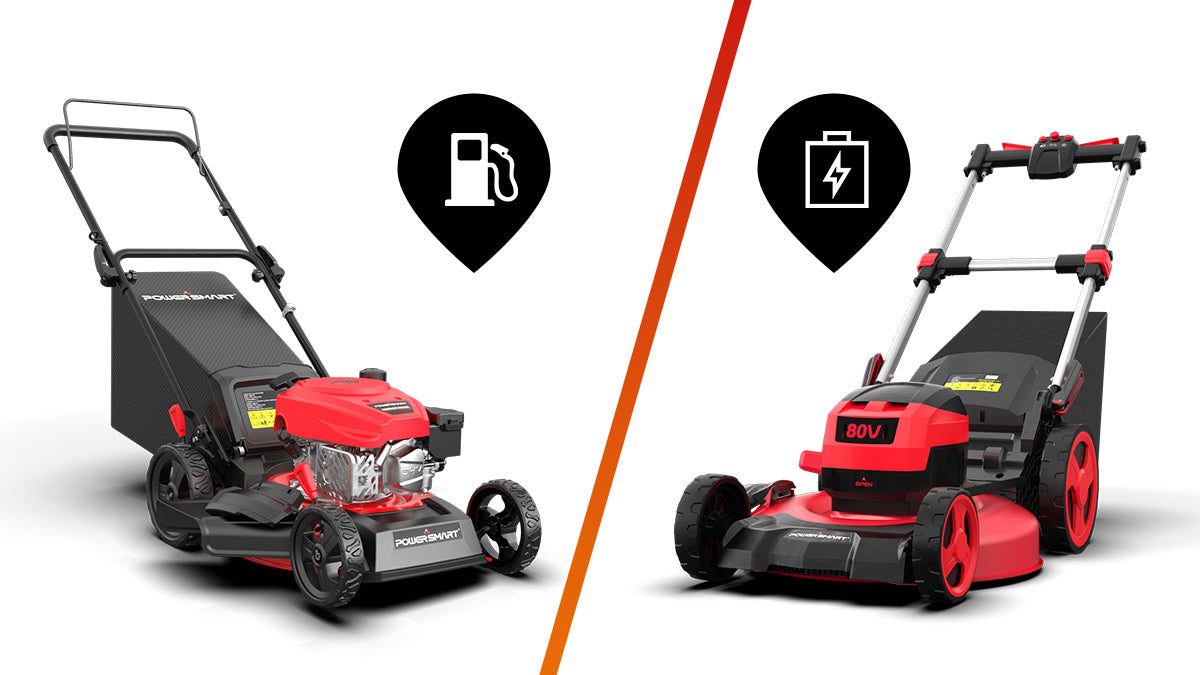
Consider the size of your lawn. Electric mowers suit small to medium yards. Gasoline mowers handle large areas well. Noise level matters too. Electric mowers run quietly. Gas mowers are louder and may disturb neighbors. Check the mower’s weight. Electric models are usually lighter and easier to push. Think about storage space. Electric mowers need less room and no fuel storage. Also, assess your physical ability. Lighter mowers reduce fatigue during use.
Long-term Benefits
Electric mowers save money on fuel and maintenance. They need fewer repairs and no oil changes. Gasoline mowers offer more power for tough grass. They last longer if cared for properly. Electric mowers produce no direct emissions. This helps the environment and keeps air clean. Gas mowers emit fumes that pollute the air. Battery life can limit electric mower use, but batteries improve yearly. Gasoline mowers run as long as there is fuel. Think about these factors over time before choosing.
Credit: powersmartusa.com
Frequently Asked Questions
What Are The Main Differences Between Electric And Gasoline Mowers?
Electric mowers run on batteries or electricity, while gasoline mowers use fuel. Gas mowers are usually louder and heavier than electric ones. Electric mowers are quieter and need less maintenance.
Which Mower Is Better For Small Lawns?
Electric mowers work well for small lawns due to their light weight and easy use. Gasoline mowers can be too powerful and noisy for small areas. Electric models also don’t produce fumes, which is better for close spaces.
How Do Electric And Gas Mowers Compare In Maintenance?
Electric mowers need less maintenance because they have fewer moving parts. Gasoline mowers require oil changes, spark plug checks, and fuel refills. This makes electric mowers easier to care for over time.
Are Electric Mowers More Eco-friendly Than Gasoline Mowers?
Yes, electric mowers produce no direct emissions, making them cleaner for the environment. Gasoline mowers release exhaust gases that contribute to air pollution. Using electric mowers helps reduce your carbon footprint.
Can Electric Mowers Handle Thick Or Tall Grass?
Electric mowers can manage regular grass but may struggle with very thick or tall grass. Gasoline mowers generally have more power for tough mowing jobs. For heavy-duty lawns, gas mowers might be a better choice.
Which Mower Type Is Quieter During Operation?
Electric mowers are much quieter and cause less noise pollution. Gasoline mowers produce loud engine sounds that can disturb neighbors. Quiet operation makes electric mowers ideal for noise-sensitive areas.
Conclusion
Choosing between electric and gasoline mowers depends on your needs. Electric mowers offer quiet operation and low maintenance. Gasoline mowers provide more power for large or tough lawns. Consider your yard size, budget, and environmental concerns. Both types can keep your lawn neat and healthy.
Think about what fits your lifestyle best. Either way, regular mowing makes your yard look great. Simple care helps your mower last longer. Choose wisely for a lawn that stays fresh and clean.