
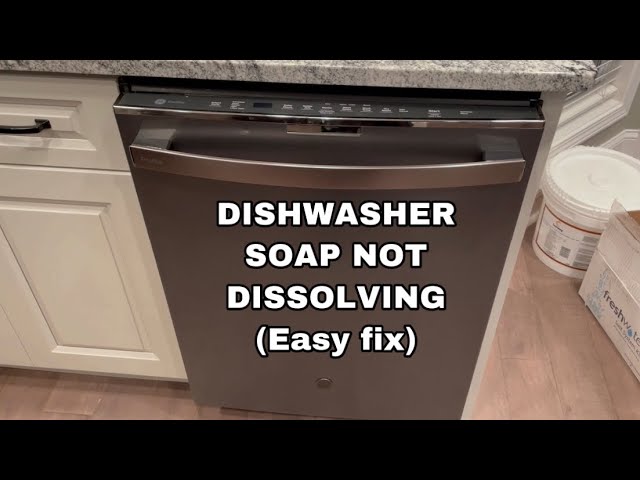
Are you tired of finding leftover soap stuck in your dishwasher after every cycle? It’s frustrating when your dishwasher soap doesn’t dissolve properly, leaving spots on your dishes and making you wonder if the cleaning even worked.
You’re not alone, and the good news is there are simple reasons behind this problem—and easy ways to fix it. Keep reading to discover why your dishwasher soap isn’t dissolving and how you can get spotless, sparkling dishes every time.
Credit: www.youtube.com
Common Causes Of Soap Residue
Soap residue in your dishwasher is a common problem many face. It leaves dishes sticky and dirty. Understanding why soap does not dissolve helps fix the issue quickly. Several factors can cause this problem. Knowing these common causes will help you avoid soap residue in the future.
Low Water Temperature
Dishwasher soap needs warm water to dissolve properly. Cold water stops the soap from melting fully. Water below 120°F (49°C) can cause soap to clump. This leaves a sticky film on your dishes. Check your water heater to ensure it is hot enough.
Clogged Dispenser
The soap dispenser must open at the right time. Food bits or detergent buildup can block it. A clogged dispenser traps soap inside. This stops soap from spreading during the wash. Clean the dispenser regularly to keep it working well.
Hard Water Effects
Hard water contains minerals like calcium and magnesium. These minerals react with dishwasher soap. This reaction creates a residue that sticks to dishes. Using a water softener or special detergent helps reduce this problem. It protects your dishwasher and dishes from buildup.
Overloading The Dishwasher
Too many dishes block water spray inside the machine. Soap cannot reach all surfaces evenly. Overloaded racks cause poor water flow. This leaves soap residue on plates and glasses. Load dishes with space between them for best cleaning results.
Choosing The Right Dishwasher Soap
Choosing the right dishwasher soap affects how well your dishes get clean. The wrong soap can leave residue or not dissolve fully. Knowing the types of soap and their quality helps you avoid these problems. Proper soap storage also plays a key role. This guide explains what to consider for the best dishwasher soap choice.
Powder Vs. Liquid Vs. Pods
Powder soap is common and usually affordable. It allows control over the amount used. Liquid soap dissolves quickly but can sometimes cause suds. Pods are pre-measured and easy to use. They reduce mess but may be more expensive. Each type works differently with your dishwasher’s cycle.
Quality And Ingredients
High-quality soap contains ingredients that break down grease and food well. Look for soaps with enzymes and surfactants. Avoid soaps with fillers that do not clean. Check labels to ensure no harmful chemicals that damage dishes or machines. Good soap keeps your dishwasher running smoothly and dishes spotless.
Avoiding Old Or Moist Soap
Soap that is old or exposed to moisture may clump or harden. This stops it from dissolving properly. Keep soap in a dry, cool place. Seal containers tightly after each use. Replace soap if it looks wet or lumpy. Fresh soap ensures better cleaning and prevents dishwasher soap residue.
Adjusting Dishwasher Settings
Adjusting your dishwasher settings can solve the problem of soap not dissolving. Proper settings help the soap break down and clean dishes well. Small changes make a big difference in washing results. Here are some key settings to check and adjust.
Selecting Hot Wash Cycles
Hot water helps dishwasher soap dissolve faster. Choose a hot wash cycle to improve cleaning. This cycle heats water to a higher temperature. It melts soap and removes tough stains. Using a hot wash also kills germs on dishes.
Using Extra Rinse Options
Extra rinse cycles add more water after washing. This step helps rinse away soap residue. It ensures no soap is left on dishes. Use this option if soap often stays on your plates. It also helps reduce spots and film on glassware.
Ensuring Proper Detergent Release
Make sure the detergent dispenser opens fully during the cycle. A stuck or blocked dispenser stops soap from releasing. Check for any debris or damage that blocks the door. Proper release lets soap flow freely and clean better.
Credit: www.reddit.com
Maintaining Your Dishwasher
Maintaining your dishwasher helps it run smoothly and lasts longer. Regular care stops soap from not dissolving and other common issues. Small tasks can make a big difference in cleaning performance.
Cleaning The Dispenser And Spray Arms
Soap may not dissolve if the dispenser is dirty. Wipe the dispenser to remove residue and food bits. Check spray arms for clogs or dirt. Clean holes in the spray arms with a toothpick or soft brush. Clear spray arms let water flow freely, helping soap dissolve well.
Removing Hard Water Deposits
Hard water leaves mineral deposits inside the dishwasher. These deposits block water flow and soap action. Use white vinegar or a dishwasher cleaner to remove buildup. Run an empty cycle with vinegar to clean pipes and spray arms. Soft water helps soap dissolve better and cleans dishes well.
Regular Filter Cleaning
The dishwasher filter catches food and debris. If clogged, water cannot circulate properly. Take out the filter and rinse it under running water. Use a soft brush to clean stubborn particles. Clean filters improve water flow and prevent soap from sticking.
Quick Fixes For Immediate Results
Dishwasher soap not dissolving can ruin your dishwashing experience. Fixing this issue fast saves time and effort. These quick fixes help your dishwasher work better immediately. Try these simple steps to get sparkling clean dishes again.
Using Vinegar Or Baking Soda
Vinegar breaks down soap residue inside the dishwasher. Add one cup of white vinegar to the bottom. Run a short hot cycle without dishes. Baking soda helps remove odors and build-up. Sprinkle a cup of baking soda inside the dishwasher. Run a quick hot water cycle. Both vinegar and baking soda clean and refresh your dishwasher.
Running An Empty Hot Cycle
Run an empty cycle with the hottest water setting. This melts leftover soap stuck inside the dispenser. It also clears any soap clumps in spray arms. The hot water flow improves detergent dissolving next time. Make sure to use the highest temperature for best results.
Rearranging Dishes For Better Water Flow
Poor water flow stops soap from dissolving properly. Space dishes evenly and avoid blocking spray arms. Place large items on the sides or bottom rack. Keep small items upright and not packed too tight. Good water flow helps detergent dissolve and clean better.

Credit: www.reddit.com
Frequently Asked Questions
Why Is My Dishwasher Soap Not Dissolving Properly?
Soap may not dissolve due to low water temperature or a blocked dispenser.
Can Hard Water Cause Dishwasher Soap Issues?
Yes, hard water can prevent soap from dissolving well in your dishwasher.
How Do I Fix A Clogged Dishwasher Soap Dispenser?
Clean the dispenser with warm water and remove any food or soap buildup.
Does Using The Wrong Dishwasher Soap Affect Dissolving?
Yes, using non-dishwasher soap can cause poor dissolving and leave residue.
How Often Should I Clean My Dishwasher To Prevent Soap Problems?
Clean your dishwasher every month to avoid soap buildup and improve soap dissolving.
Conclusion
Dishwasher soap not dissolving can cause messy dishes and frustration. Check the soap type and dishwasher settings first. Make sure the detergent cup is clean and opens fully. Use the right amount of soap for your machine. Avoid using old or clumped detergent.
Regularly clean your dishwasher to keep it working well. Small fixes can bring big improvements. Keep these tips in mind for better dishwashing results every time. Simple steps make your dishwasher work as it should.