
Is your Liftmaster garage door opener acting up when you need it most? You’re not alone, and the good news is that many common problems are easier to fix than you might think.
In this guide, you’ll discover simple troubleshooting steps that can save you time and frustration. Whether your door won’t open, the remote isn’t working, or you hear strange noises, you’ll learn exactly what to check and how to get your garage door running smoothly again.
Keep reading to take control of your Liftmaster opener and avoid costly repairs.
Common Liftmaster Garage Door Issues
LiftMaster garage door openers are reliable, but issues can occur. Knowing common problems helps you fix them fast. This saves time and avoids service calls.
Below are frequent LiftMaster issues and simple tips to troubleshoot each one.
Door Won’t Open Or Close
The door may fail to move due to power loss. Check if the opener is plugged in and the circuit breaker is on.
Obstructions in the door tracks also block movement. Clear debris and check for bent tracks or rollers.
Safety sensors might be misaligned or dirty. Clean the sensors and realign them to restore door function.
Remote Control Problems
Dead batteries are a common reason remotes stop working. Replace batteries with fresh ones regularly.
Remote signals can be blocked by walls or electronic devices. Stand closer to the door for better signal.
Programming errors may cause remotes to lose connection. Reprogram the remote according to the user manual.
Unusual Noises
Squeaking or grinding sounds signal worn parts. Lubricate hinges, rollers, and chains to reduce noise.
Loose hardware can rattle during operation. Tighten bolts and screws on the door and opener.
Damaged gears inside the opener cause loud noises. Inspect and replace faulty gears as needed.
Door Reverses Unexpectedly
The door may reverse if the sensors detect an obstacle. Clean the sensors and remove objects blocking the beam.
Incorrect force settings can cause unwanted reversals. Adjust the opener’s force controls to the correct level.
Damaged or misaligned sensors often trigger reversals. Check alignment and replace broken sensors promptly.
Basic Troubleshooting Steps
Basic troubleshooting steps can help fix common issues with your LiftMaster garage door opener. These steps are simple and do not require special tools. Follow each step carefully to find the problem and get your door working again.
Check Power Supply
Start by checking the power supply. Make sure the garage door opener is plugged in securely. Look for any blown fuses or tripped circuit breakers in your home’s electrical panel. A power outage or loose connection may stop the opener from working.
Inspect Safety Sensors
Next, inspect the safety sensors. These sensors stop the door from closing on objects or people. Clean the sensor lenses to remove dirt or spider webs. Check if the sensors are aligned and facing each other. Misaligned sensors can cause the door to stay open or reverse.
Reset The Opener
Try resetting the garage door opener. Locate the reset button on the motor unit. Press and hold it for about 10 seconds. This can clear minor electronic errors and restore normal function. After resetting, test the door to see if it responds.
Test Wall Control
Test the wall control panel inside the garage. Press the open or close button. If the door does not move, the problem may be with the control panel or wiring. Check for loose wires or damaged buttons. Replacing the panel may be necessary if it is faulty.
Fixing Remote Control Problems
Remote control problems can stop your Liftmaster garage door opener from working. This issue is common but easy to fix. The remote might not send signals correctly, or the opener might not receive them. Try these simple steps to get your remote working again.
Replace Or Reprogram Batteries
Start by checking the remote’s battery. Old batteries lose power and cause problems. Remove the battery cover and replace the battery with a new one. Use the correct type of battery recommended by Liftmaster. After replacing, test the remote to see if it works.
If the remote still does not work, reprogram the batteries. Sometimes the remote loses its settings. Follow your Liftmaster manual to reset the remote. This process helps the remote send signals properly again.
Resync Remote With Opener
The remote may lose connection with the garage door opener. Resyncing fixes this issue. Press the “learn” button on the opener unit. Then press a button on your remote control. This action pairs the remote with the opener.
After syncing, test the remote. It should open and close the garage door smoothly. If it does not, repeat the syncing process or check the manual for specific instructions.
Clear Remote Interference
Signal interference can block the remote’s commands. Other devices or strong signals nearby cause this problem. Move away from wireless devices like routers or cordless phones. Test the remote again in a different spot.
Metal objects or walls can also weaken the signal. Keep the remote clear of these barriers. Clearing interference ensures a strong connection between the remote and opener.
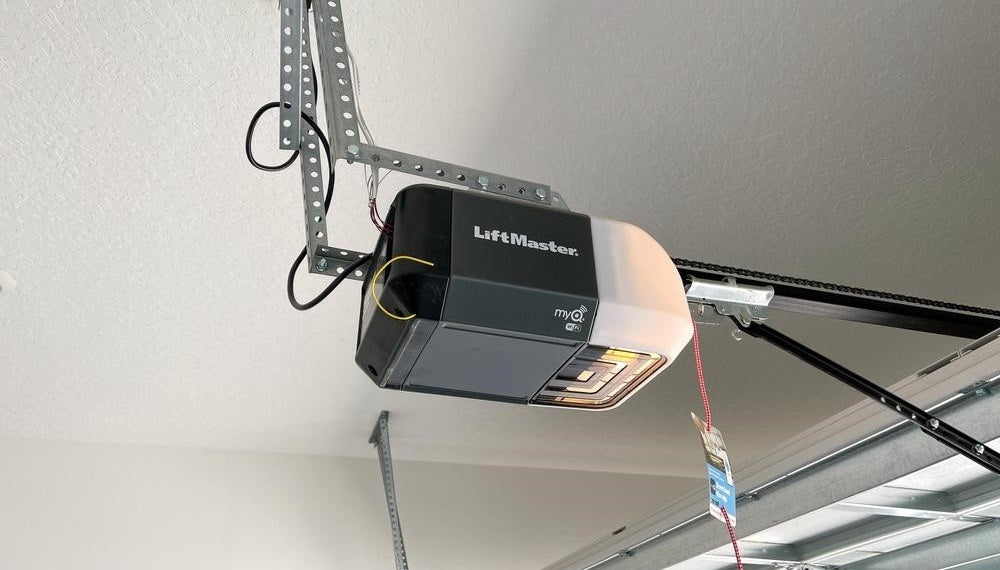
Credit: allsecurityequipment.com
Adjusting Door Settings
Adjusting the door settings of your LiftMaster garage door opener helps keep it running smoothly. Proper settings make sure the door opens and closes fully without trouble. You can fix common problems by tuning travel limits, force sensitivity, and safety sensors. Each adjustment improves safety and performance.
Set Travel Limits
Travel limits tell the opener how far to move the door up and down. Incorrect limits cause the door to stop too soon or hit the ground hard. To set travel limits, locate the adjustment screws on the motor unit. Turn the screws slowly to change the door’s travel range. Test the door after each change to find the right position.
Adjust Force Sensitivity
Force sensitivity controls how much power the opener uses to move the door. Too much force can damage the door or opener. Too little force stops the door from opening or closing fully. Find the force adjustment knobs on the motor. Turn them to increase or decrease force. Watch the door’s movement and adjust carefully to avoid problems.
Realign Safety Sensors
Safety sensors stop the door from closing if something blocks the path. Misaligned sensors cause the door to reverse or not close at all. Check the sensors near the floor on both sides of the door. Make sure they face each other directly. Adjust the brackets to line them up perfectly. Clean the sensor lenses for the best signal.
Maintenance Tips For Smooth Operation
Maintaining your LiftMaster garage door opener ensures it works smoothly every day. Regular care helps avoid breakdowns and costly repairs. A few simple steps keep the door running quietly and safely.
Lubricate Moving Parts
Apply lubricant to the rollers, hinges, and tracks. Use a silicone-based or lithium grease for best results. Avoid oil sprays that attract dust and dirt. Lubrication reduces friction and noise, making the door open and close easily.
Inspect Door Hardware
Check bolts, screws, and brackets often. Tighten any loose parts to prevent damage. Look for worn or broken pieces and replace them quickly. Proper hardware ensures the door stays aligned and balanced.
Test Safety Features Regularly
Press the safety reverse button to test the sensors. The door should stop and reverse if something blocks the path. Clean the sensor lenses to keep them clear. These features protect your family and prevent accidents.
Credit: heritagedoor.com
When To Call A Professional
Some LiftMaster garage door problems need a professional touch. Basic fixes like changing batteries or cleaning sensors are easy. Yet, certain issues require expert skills to ensure safety and proper repair. Calling a professional saves time and prevents damage.
Complex Mechanical Issues
Garage door springs and cables carry high tension. These parts can cause injury if handled wrong. Professionals have tools and training for repairs. If the door is off track or making loud noises, call an expert. Don’t try to fix these problems yourself.
Electrical Component Failures
Problems with the motor or circuit board need careful handling. Electrical faults can cause fire or shock risks. Professionals know how to test and replace these parts safely. Avoid opening the motor housing or wires on your own.
Persistent Safety Sensor Problems
Safety sensors stop the door from closing on people or objects. If sensors fail often or do not align, a professional should check them. Sensor issues affect door operation and safety. Experts can adjust or replace sensors correctly.

Credit: www.youtube.com
Frequently Asked Questions
Why Is My Liftmaster Garage Door Opener Not Working?
Check if the opener is plugged in and the circuit breaker is on. Inspect remote batteries and sensors for issues.
How Do I Reset My Liftmaster Garage Door Opener?
Unplug the opener for 30 seconds, then plug it back in. This often clears minor errors and resets the system.
What Causes Liftmaster Door Sensors To Stop Working?
Sensors may be misaligned, dirty, or blocked. Cleaning and realigning them usually restores proper function.
How Can I Fix A Liftmaster Garage Door Opener Remote?
Replace the remote batteries and ensure it is within range. Reprogram the remote if needed.
Why Does My Liftmaster Garage Door Reverse After Closing?
The door may hit an obstacle or sensor beam. Check for obstructions and adjust the door force settings.
How Do I Test The Safety Sensors On My Liftmaster Opener?
Wave an object in front of the sensors while closing the door. The door should stop or reverse if sensors work.
Conclusion
Troubleshooting your LiftMaster garage door opener can save time and money. Start with simple checks like power supply and remote batteries. Make sure sensors are clean and aligned. Listen for unusual sounds during operation. Most problems have easy fixes you can do yourself.
When a problem feels too complex, calling a professional is the safest choice. Regular maintenance helps prevent issues and keeps your door working well. Stay calm, follow steps carefully, and your garage door will run smoothly again.