
Are you a homeowner in Colorado looking to save money on your energy bills and keep your home comfortable year-round? Understanding heat pumps could be the key to achieving just that.
Heat pumps offer an efficient way to heat and cool your home, but there are important things you need to know before making a decision. You’ll discover how heat pumps work, why they are especially suited for Colorado’s climate, and what benefits you can expect.
Keep reading to find out how choosing the right heat pump can transform your home and wallet.

Credit: www.alpinebuildingperformance.com
Heat Pumps Basics
Heat pumps provide an efficient way to heat and cool homes in Colorado. They use electricity to move heat instead of creating it by burning fuel. This makes them eco-friendly and cost-effective. Understanding the basics helps homeowners make smart choices about heating and cooling systems.
Heat pumps work well in Colorado’s climate. They can keep your home warm in winter and cool in summer. Learning how they operate and the types available is important before making a purchase.
How Heat Pumps Work
Heat pumps transfer heat from one place to another. In winter, they take heat from outside air and bring it inside. In summer, they remove heat from the home and release it outside. This process uses less energy than traditional heaters or air conditioners.
They have a compressor, a coil, and a fan. The compressor moves a refrigerant through the system. The coil absorbs or releases heat depending on the season. The fan helps blow warm or cool air into your home.
Types Of Heat Pumps
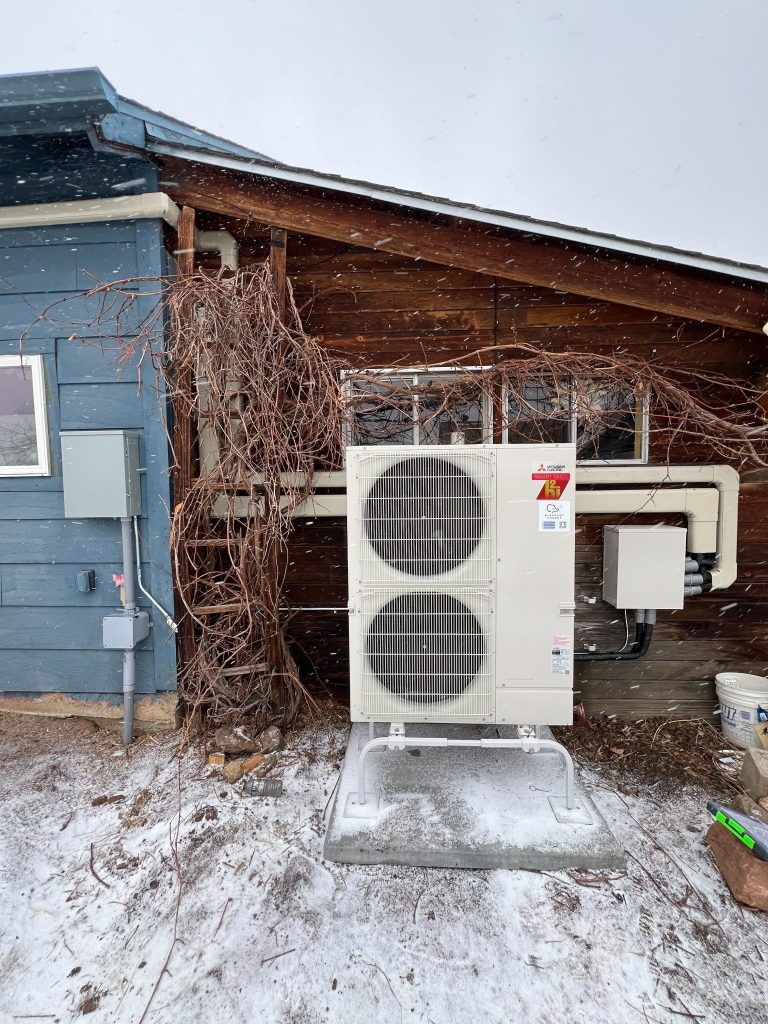
Air-source heat pumps are the most common. They use outside air to heat or cool your home. They work best in mild climates but can handle Colorado’s cold winters with newer models.
Ground-source or geothermal heat pumps use the earth’s stable temperature. They are more expensive to install but very efficient over time. They work well in colder areas and provide steady heating and cooling.
Water-source heat pumps use a nearby water source to transfer heat. These are less common but effective if you have access to water like a pond or lake.
Credit: elephantenergy.com
Benefits For Colorado Homes
Heat pumps offer many benefits for Colorado homes. They work well in the state’s cold winters and warm summers. Homeowners can enjoy comfort all year with one system. Heat pumps use less energy than traditional heaters and air conditioners. This makes them a smart choice for saving money and helping the environment.
Understanding these benefits helps homeowners make better decisions. Heat pumps can lower bills and reduce carbon footprints. They also provide a reliable way to keep homes cozy or cool.
Energy Efficiency
Heat pumps use electricity to move heat, not to create it. This process uses less energy than furnaces or baseboard heaters. In Colorado’s climate, heat pumps stay efficient even in cold weather. They can heat and cool a home with less power. This reduces the total energy used in the house.
Cost Savings
Lower energy use means smaller utility bills. Heat pumps cut heating costs by up to 50% compared to electric resistance heating. They also reduce cooling costs in summer. Over time, the savings can cover the price of installing the system. Some Colorado programs offer rebates to help pay for heat pumps.
Environmental Impact
Heat pumps produce fewer greenhouse gases than fossil fuel heating. Using less energy means less pollution and a cleaner environment. Colorado homeowners who choose heat pumps help reduce their carbon footprint. This supports state efforts to fight climate change. Heat pumps run quietly and have no direct emissions.
Climate Suitability
Colorado’s climate has cold winters and warm summers. Homeowners must know how heat pumps handle these changes. Climate suitability means the heat pump works well in local weather. It must keep homes warm in winter and cool in summer.
Performance In Cold Weather
Heat pumps work by moving heat from outside to inside. In cold weather, this can be harder. Some heat pumps slow down or need extra energy. Modern heat pumps use special technology to stay efficient. They keep running well even when temperatures drop below freezing.
Winter Heating Capabilities
Good heat pumps provide steady heat during winter. They can reduce heating costs compared to traditional heaters. Some models have backup heating for very cold days. This ensures homes stay warm and comfortable. Choosing the right heat pump helps homeowners face Colorado’s cold winters easily.
Installation Considerations
Installing a heat pump in Colorado requires careful planning. The right setup ensures efficient heating and cooling all year. This section covers key points homeowners should consider during installation. Understanding these factors helps avoid common problems and saves money.
Choosing The Right Size
Selecting the correct heat pump size is crucial. A unit too small will struggle to heat or cool your home. One too large will waste energy and increase costs. Experts recommend a professional load calculation. This checks your home’s size, insulation, and climate. Proper sizing means better comfort and lower bills.
Professional Installation Tips
Hire a licensed technician for installation. They know local codes and safety rules. Proper placement of the outdoor unit matters. Avoid spots with heavy snow or strong winds. Clear airflow around the unit improves efficiency. Ensure the indoor components connect well with existing ductwork. Testing the system after installation prevents future issues. Trust skilled professionals to handle the job right.
Maintenance And Longevity
Heat pumps can save money and energy in Colorado homes. To keep them working well, regular care is needed. Proper maintenance extends the life of a heat pump. It also helps avoid costly repairs. Knowing what tasks to do and when to seek help is key.
Routine Maintenance Tasks
Clean or replace air filters every 1 to 3 months. Dirty filters reduce airflow and make the pump work harder. Clear debris from around the outdoor unit. Leaves, dirt, and snow block air and lower efficiency. Check the thermostat settings to ensure comfort and savings. Schedule annual professional inspections to check refrigerant levels and electrical parts. Lubricate moving parts if your model requires it. These small tasks keep the system running smoothly.
Signs Of Wear And Repair Needs
Listen for strange noises like rattling or buzzing. These may signal loose parts or motor issues. Notice if the heat pump struggles to maintain temperature. This could mean low refrigerant or a failing compressor. Watch for ice buildup on the outdoor unit during winter. It might indicate a defrost problem. Pay attention to higher energy bills without increased use. This often points to efficiency loss. Early detection of these signs can save money and prevent breakdowns.
Incentives And Rebates
Heat pumps are a smart choice for Colorado homeowners. They save energy and cut costs. Many programs offer money back to help pay for them. These incentives make heat pumps more affordable. Understanding these programs helps you get the best deal.
State And Local Programs
Colorado offers several incentives for heat pump installation. Local utility companies may provide rebates. These rebates lower the upfront cost. Some cities also run special programs. They encourage energy-efficient upgrades in homes. Check with your local utility or city office. They can tell you about available rebates and rules.
Federal Tax Credits
The federal government supports heat pump use too. Homeowners can claim tax credits for new installations. These credits reduce the amount of tax you owe. They apply to energy-saving equipment like heat pumps. Tax credits cover a percentage of the purchase price. This benefit makes heat pumps more affordable nationwide.
Comparing Alternatives
Choosing the right heating and cooling system matters for Colorado homeowners. Different options offer varied benefits and costs. Understanding these helps make better decisions for comfort and savings.
Heat Pumps Vs. Traditional Hvac
Heat pumps move heat instead of creating it. They work well in mild to moderate climates. Traditional HVAC systems use fuel or electricity to produce heat. This method can be less efficient in cold weather.
Heat pumps save energy by transferring heat from outside to inside. Traditional systems often lose more energy during operation. Heat pumps also cool homes in summer, serving dual purposes. Traditional HVAC may require separate air conditioners.
Installation costs for heat pumps can be higher but may lower utility bills. Traditional systems usually cost less upfront but can lead to higher energy costs.
Hybrid Heating Systems
Hybrid systems combine heat pumps with traditional furnaces. The system switches between the two depending on outdoor temperature. This maximizes efficiency and comfort.
During mild weather, the heat pump runs to save energy. When temperatures drop, the furnace provides extra heat. This approach works well for Colorado’s cold winters.
Hybrid systems reduce energy use and maintain warmth in freezing weather. They offer a balance between efficiency and reliability.

Credit: www.roxheating.com
Frequently Asked Questions
What Is A Heat Pump And How Does It Work In Colorado?
A heat pump moves heat from outside to inside your home for heating and cooling.
Are Heat Pumps Energy Efficient For Colorado Homes?
Yes, heat pumps use less energy than traditional heaters, saving money on bills.
Can Heat Pumps Handle Colorado’s Cold Winters Effectively?
Modern heat pumps work well even in cold Colorado winters with the right model.
How Much Does It Cost To Install A Heat Pump In Colorado?
Installation costs vary but usually range from $3,000 to $7,000 depending on home size.
What Maintenance Do Heat Pumps Need For Long-lasting Use?
Regular filter cleaning and yearly professional checkups keep heat pumps running well.
Conclusion
Heat pumps offer an energy-saving way to heat and cool homes. They work well in Colorado’s changing weather. Choosing the right system can lower your bills and increase comfort. Regular maintenance keeps heat pumps running efficiently. Understanding the benefits and limits helps you make smart decisions.
A good heat pump can serve your home for many years. Think about your home’s size and needs before buying. A well-chosen heat pump supports a cozy and eco-friendly home.