
If you’re a homeowner in Vermont, you know how important it is to keep your home warm and comfortable during those long, cold winters. But have you ever wondered if there’s a smarter, more efficient way to heat your home?
Heat pumps might be the answer you’ve been looking for. They can save you money on energy bills, reduce your carbon footprint, and keep your house cozy all year round. You’ll discover everything you need to know about heat pumps—from how they work to the benefits and what to consider before making the switch.
Keep reading to find out if a heat pump is right for your Vermont home.
Heat Pumps Basics
Heat pumps are a smart way to heat and cool homes in Vermont. They use less energy than traditional systems. Understanding how they work helps homeowners make better choices.
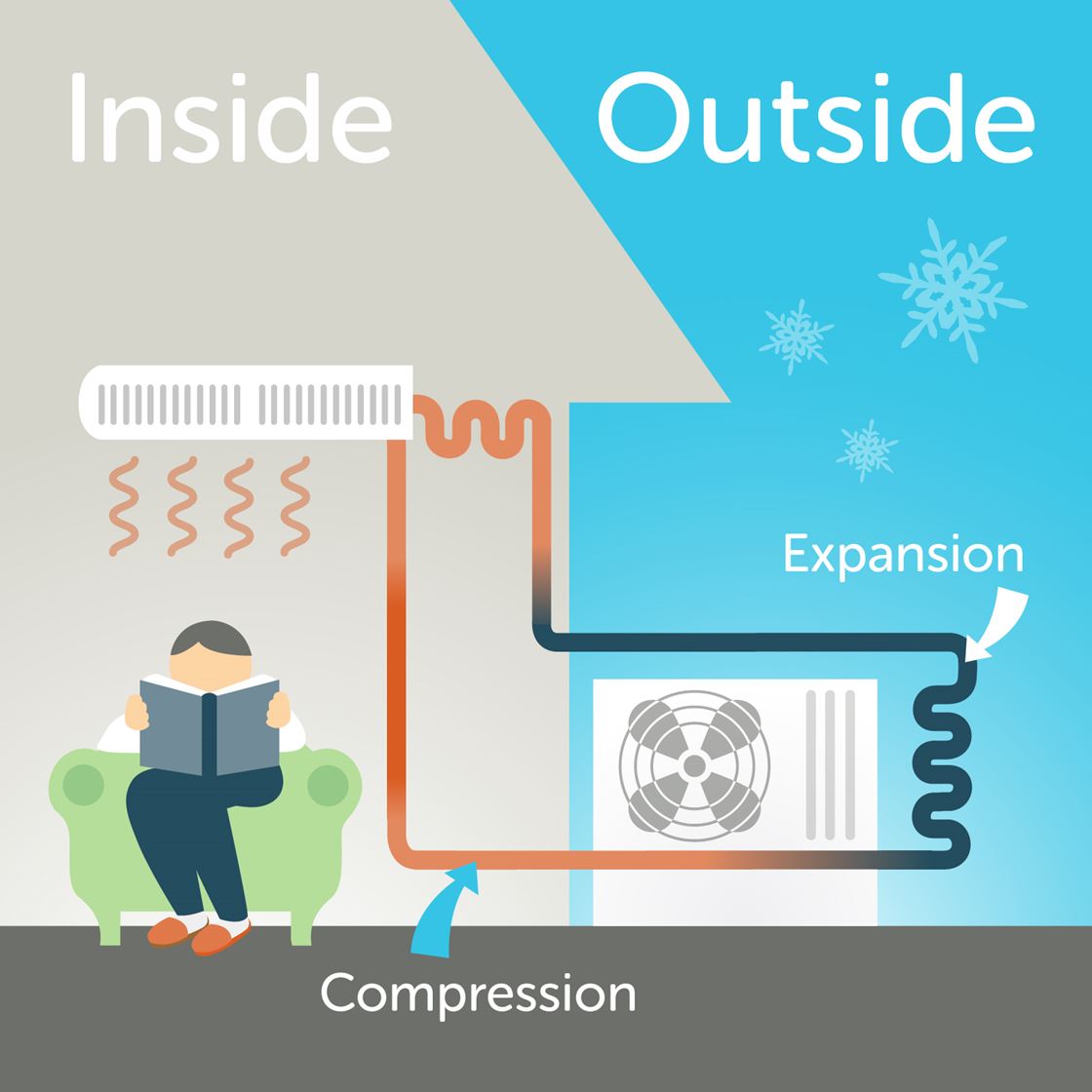
Heat pumps move heat instead of creating it. This makes them efficient in cold and warm weather. They can save money on energy bills and reduce pollution.
How Heat Pumps Work
Heat pumps transfer heat from outside to inside during winter. In summer, they move heat from inside to outside. This process uses a special refrigerant that absorbs and releases heat. A compressor and fans help move the heat efficiently. Heat pumps work well even in cold Vermont winters.
Types Of Heat Pumps
There are three main types of heat pumps. Air-source heat pumps pull heat from the air outside. Ground-source or geothermal heat pumps use the earth’s constant temperature. Water-source heat pumps take heat from a water source like a lake. Each type fits different home needs and locations.
Advantages Over Traditional Heating
Heat pumps use less energy than oil or electric heaters. They provide both heating and cooling in one system. Heat pumps reduce greenhouse gas emissions. They need less maintenance and last longer. Homeowners can enjoy steady comfort with lower costs.
Vermont Climate And Heat Pumps
Vermont has cold winters and cool summers. This climate makes heating homes very important. Heat pumps are a popular choice for many Vermont homeowners. They provide both heating and cooling in one system. Understanding how heat pumps work in Vermont’s climate helps homeowners make smart choices.
Heat pumps can work well in cold weather. But their performance changes as temperatures drop. Homeowners should know what to expect from these systems all year round.
Performance In Cold Weather
Heat pumps extract heat from outside air. Even cold air has some heat. Modern heat pumps work well at low temperatures. Some models work efficiently below 0°F. Performance may drop in extreme cold. Many units have backup heating for those days. This keeps homes warm without high energy use.
Energy Efficiency In Vermont
Heat pumps use less energy than traditional heating. They move heat instead of creating it. This saves money on energy bills. Vermont’s energy costs can be high in winter. Heat pumps reduce these costs. Efficient models have high Seasonal Energy Efficiency Ratios (SEER). This means they use energy wisely all year.
Seasonal Operation
Heat pumps offer heating in winter and cooling in summer. Vermont summers are mild but sometimes warm. Heat pumps keep homes comfortable without extra systems. They switch modes automatically. This saves space and reduces maintenance. Homeowners enjoy steady comfort through the seasons.
Installation Considerations
Installing a heat pump in Vermont requires careful planning. The cold winters demand a system that fits your home’s needs. Proper installation helps your heat pump work efficiently and last longer. Several factors influence the installation process.
Sizing And Capacity
Choosing the right size heat pump is key. A unit too small will struggle to heat your home. One too large wastes energy and costs more. Experts calculate the heating needs based on your home’s size and insulation. This ensures the system runs smoothly during cold months.
Professional Installation Tips
Hire a certified installer with experience in Vermont’s climate. They know how to set up the system for best performance. Proper wiring and refrigerant handling are crucial. Incorrect installation can reduce efficiency and cause breakdowns. Always ask for references and check reviews before hiring.
Placement And Space Requirements
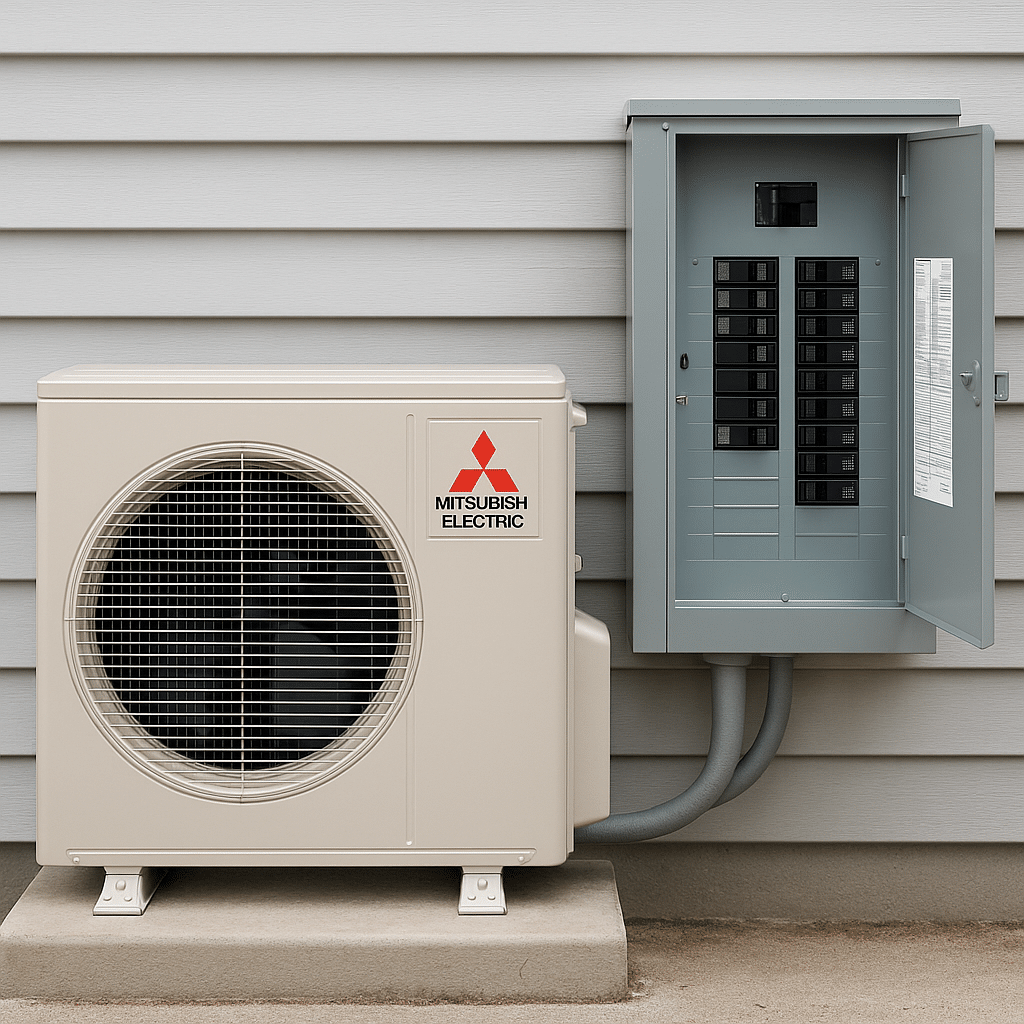
The heat pump’s outdoor unit needs a clear space. Avoid placing it near bushes or walls that block airflow. It must be on a stable, level surface to prevent vibrations. Indoor units should be located where air can flow freely. Good placement helps the system run quietly and efficiently.
Costs And Incentives
Choosing a heat pump for your Vermont home involves understanding costs and incentives. These factors help you plan your budget better. Knowing what to expect can make the decision easier and clearer.
Upfront Costs
Heat pumps require an initial investment. The price depends on the size and type of the system. Installation costs can vary based on your home’s setup. Expect to spend more for advanced models. Some homes may need extra work to install the system properly.
Long-term Savings
Heat pumps use less energy than traditional heating systems. This means lower monthly utility bills. They work well in Vermont’s cold climate, saving money over time. Regular maintenance keeps the system efficient and saves repair costs. Over several years, savings can cover the upfront costs.
Vermont State Incentives
Vermont offers programs to lower heat pump costs. Rebates and tax credits reduce the price you pay. Some incentives support both purchase and installation. Check with local energy offices for current offers. Taking advantage of these can make heat pumps more affordable.
Maintenance And Troubleshooting
Heat pumps need regular care to work well in Vermont’s cold climate. Simple maintenance keeps your system running longer and saves money. Troubleshooting helps spot small problems before they grow. Knowing basic tasks and solutions helps you feel confident with your heat pump.
Routine Maintenance Tasks
Clean or replace air filters every 1 to 3 months. Dust and dirt block airflow and reduce efficiency. Check outdoor units for leaves, snow, or ice. Clear debris around the unit to keep air flowing. Inspect the condensate drain to prevent clogs and leaks. Make sure vents inside your home are open and clean. Test the thermostat to ensure it reads temperature correctly.
Common Issues And Solutions
Weak airflow often means dirty filters or blocked vents. Strange noises can come from loose parts or debris in the unit. Frost buildup on the outdoor coil signals a defrost problem. If your heat pump won’t start, check the circuit breaker or fuse. Uneven heating might result from poor insulation or blocked registers. A sudden rise in energy bills can mean your system is working too hard.
When To Call A Professional
Turn to a pro if your heat pump stops working completely. Strange smells or burning smells need immediate attention. If ice keeps forming on coils after defrost, call a technician. Frequent cycling or short runs show deeper issues. Regular yearly checkups by a professional keep your system efficient. Complex repairs or refrigerant refills require licensed experts only.
Credit: scoophvac.com
Comparing Heat Pumps To Other Systems
Homeowners in Vermont face choices when selecting heating systems. Heat pumps are one option among several. Understanding how heat pumps compare to furnaces, boilers, and hybrid systems helps make better decisions. Each system has unique features and benefits. This section breaks down these differences clearly.
Heat Pumps Vs. Furnaces
Heat pumps move heat from outside to inside. They work well in moderate cold. Furnaces burn fuel to create heat. They perform better in very cold weather. Heat pumps also cool homes in summer. Furnaces cannot cool your home. Heat pumps use less energy for heating. Furnaces can heat faster in freezing temperatures. Heat pumps reduce electricity bills. Furnaces may increase heating costs due to fuel use.
Heat Pumps Vs. Boilers
Boilers heat water to warm your home. They use gas, oil, or electricity. Heat pumps use electricity but move heat instead of creating it. Boilers provide strong, steady heat. Heat pumps offer both heating and cooling. Boilers work well with radiators and underfloor heating. Heat pumps connect to air ducts or water systems. Boilers can be costly to install. Heat pumps have lower operating costs over time.
Hybrid Systems
Hybrid systems combine heat pumps and furnaces. They switch between systems based on outdoor temperature. Heat pumps run during mild weather. Furnaces turn on in very cold weather. This keeps homes warm and saves energy. Hybrid systems offer the best of both worlds. They reduce heating costs and improve comfort. Many Vermont homes benefit from this flexible setup.
Choosing The Right Heat Pump
Choosing the right heat pump is important for every Vermont homeowner. The right unit keeps your home warm in winter and cool in summer. It saves energy and lowers bills. Many options exist, so knowing what matters helps you decide well.
Factors To Consider
Start by thinking about your home size. Larger homes need more powerful heat pumps. Check the climate. Vermont winters are cold, so choose a heat pump that works well in low temperatures. Look at installation needs. Some models need more space or special setups. Also, consider noise levels. A quiet heat pump adds comfort. Finally, check maintenance requirements. Easy-to-care units save time and money.
Top Brands For Vermont Homes
Some brands stand out for quality and reliability. Mitsubishi Electric offers models that handle cold weather well. Daikin provides energy-efficient units with good warranties. Fujitsu is known for quiet, durable heat pumps. Carrier also has models designed for tough climates. Choosing a trusted brand means better support and parts availability in Vermont.
Energy Star Ratings
Energy Star ratings show how efficient a heat pump is. Higher ratings mean lower energy use and smaller bills. Look for units with high Seasonal Energy Efficiency Ratio (SEER) and Heating Seasonal Performance Factor (HSPF). These numbers tell you how well the pump cools and heats your home. Buying Energy Star certified pumps helps the environment and your wallet.

Credit: vtcommunitynews.org
Credit: www.efficiencyvermont.com
Frequently Asked Questions
What Is A Heat Pump And How Does It Work?
A heat pump moves heat from outside to inside your home for heating and cooling.
Are Heat Pumps Effective In Vermont’s Cold Climate?
Yes, modern heat pumps work well even in cold Vermont winters.
How Much Can I Save Using A Heat Pump?
Heat pumps use less energy than traditional systems, cutting heating costs.
Do Heat Pumps Need Regular Maintenance?
Yes, cleaning filters and yearly checks keep heat pumps running efficiently.
Can Heat Pumps Replace My Current Heating System?
Yes, they can fully or partly replace furnaces or boilers in most homes.
Conclusion
Heat pumps offer a smart way to heat and cool Vermont homes. They use less energy and save money on bills. These systems work well even in cold weather. Homeowners should consider the upfront cost and installation needs. Regular maintenance keeps heat pumps running smoothly.
Choosing the right system depends on your home size and budget. Many find heat pumps a reliable, efficient option. Small changes can lead to big savings and comfort. Think about heat pumps as a practical choice for your home.