
If you’re a homeowner in Nevada, staying comfortable year-round is probably one of your top priorities. Heat pumps might be the solution you’ve been looking for, but do you really know how they work or if they’re right for your home?
Understanding the benefits and challenges of heat pumps can save you money and keep your home cozy through hot summers and chilly nights. Keep reading to discover everything you need to know about heat pumps—and how they can make a difference in your Nevada home.
Heat Pumps Basics
Heat pumps offer a smart way to heat and cool homes in Nevada. They work by moving heat instead of creating it. This process uses less energy than traditional systems. Understanding the basics helps homeowners make better choices for their comfort and savings.
How Heat Pumps Work
Heat pumps pull heat from the air, ground, or water outside. They move this heat inside during cold months. In warm months, they reverse the process. They take heat from inside and push it outside. This keeps your home cool without a separate air conditioner.
The system uses a refrigerant to absorb and release heat. A compressor and fan help move the heat in the right direction. This cycle repeats continuously to maintain a steady temperature.
Types Of Heat Pumps
Air-source heat pumps are the most common type. They pull heat from the outside air. These work well in mild climates like much of Nevada.
Ground-source heat pumps, also called geothermal, use the earth’s stable temperature. They are very efficient but cost more to install.
Water-source heat pumps use water bodies as heat sources or sinks. These are less common but effective near lakes or rivers.
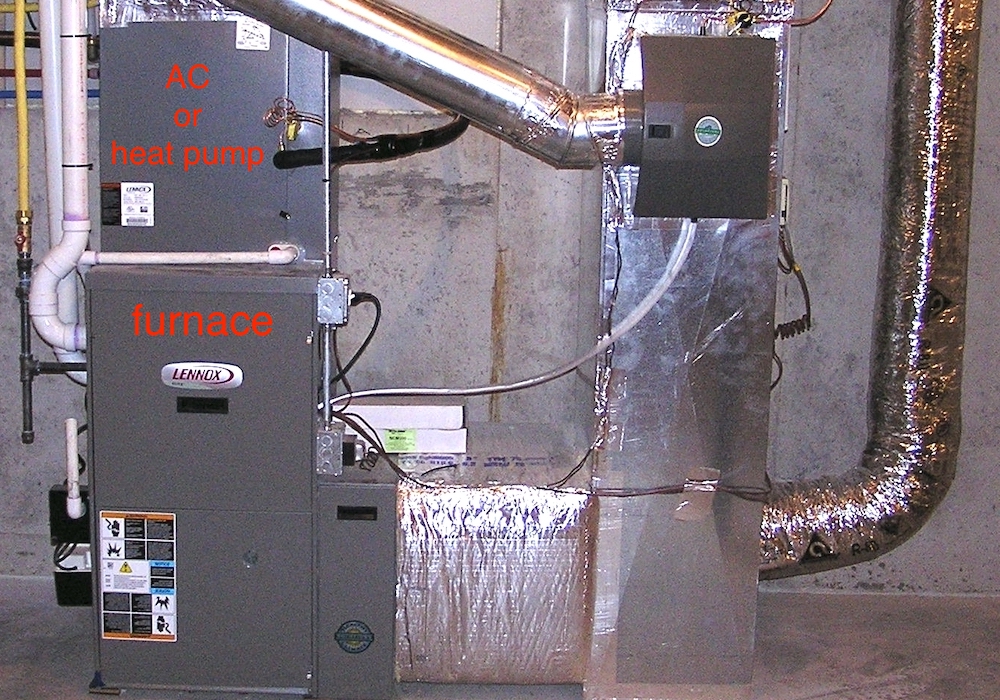
Credit: www.energyvanguard.com
Benefits For Nevada Homes
Heat pumps offer many benefits for homes in Nevada. They provide a smart solution for heating and cooling. Nevada’s climate suits heat pumps well. Homeowners can enjoy comfort and savings all year.
Energy Efficiency
Heat pumps use electricity to move heat, not create it. This process requires less energy than traditional systems. Nevada homes can reduce electricity use. Lower energy use means less strain on the environment.
Cost Savings
Heat pumps help cut energy bills. They use less power for heating and cooling. Homeowners may spend less on repairs. Heat pumps last long with proper care. This saves money over time.
Climate Suitability
Nevada’s dry and mild winters fit heat pumps well. Heat pumps work best in moderate climates. They provide cool air in summer and warmth in winter. Homeowners get steady comfort throughout the year.
Installation Considerations
Installing a heat pump in Nevada requires careful planning. The right installation ensures the system works efficiently and lasts longer. Homeowners should consider several factors before starting the process. Proper installation affects energy savings and home comfort.
Choosing The Right System
Select a heat pump that fits your home size and climate needs. Nevada’s hot summers and mild winters influence the type of system needed. Air-source heat pumps are common and effective in this region. Look for models with high energy efficiency ratings. Ensure the system matches your home’s insulation and layout. Picking the right size prevents overworking or underheating your home.
Professional Installation Tips
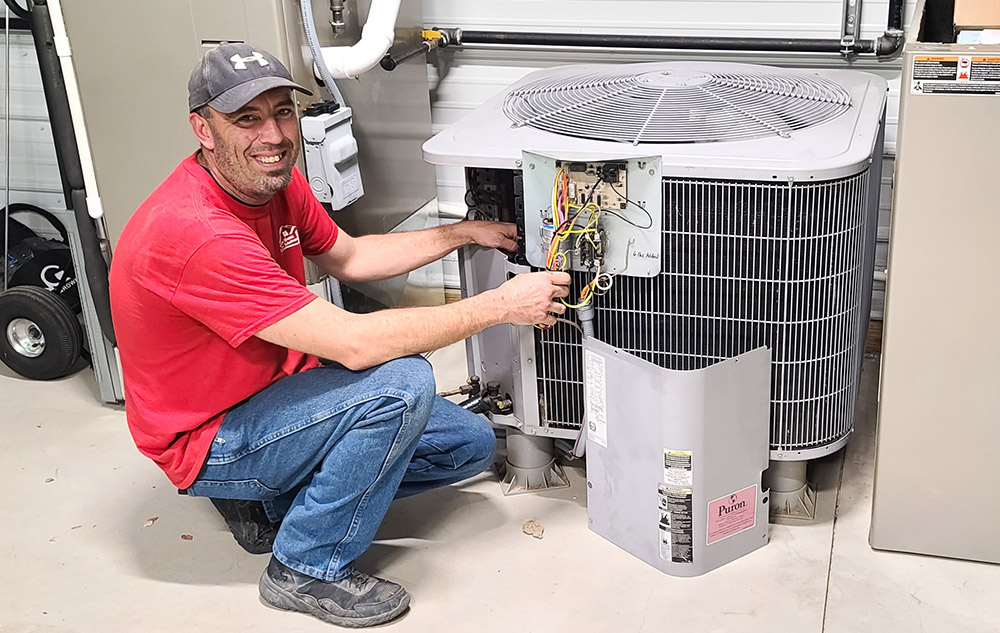
Hire a licensed professional to install your heat pump. Experts understand local codes and safety standards. Proper placement of outdoor and indoor units is crucial. Avoid locations with direct sunlight or heavy dust. The technician should check refrigerant levels and electrical connections. Insulate ducts to reduce energy loss. Ask for a system test after installation to confirm proper function.
Maintenance And Care
Proper maintenance keeps heat pumps running well through Nevada’s hot summers and cold winters. Careful attention helps avoid costly repairs and improves energy efficiency. Regular checks make sure the system stays reliable and extends its life.
Routine Maintenance Tasks
Clean or replace air filters every 1 to 3 months. Dirty filters reduce airflow and lower efficiency. Clear debris around outdoor units to allow proper air circulation. Check and clean coils yearly to prevent buildup. Inspect ductwork for leaks or blockages. Schedule a professional tune-up once a year to test refrigerant levels and electrical connections.
Signs Of Issues
Unusual noises from the unit can signal problems. A sudden rise in energy bills may mean the system works harder than usual. Uneven heating or cooling in rooms suggests airflow issues. Frequent cycling on and off indicates a malfunction. Ice buildup on the outdoor unit is a warning sign. Call a technician if you notice these symptoms early.
Incentives And Rebates
Choosing a heat pump can save energy and cut bills. Many programs help homeowners in Nevada afford this upgrade. These incentives and rebates lower the initial cost. They make heat pumps more accessible and affordable.
State And Local Programs
Nevada offers several programs to support heat pump installation. Local utility companies often provide rebates for energy-efficient systems. These programs reduce your upfront expenses. Some cities have special offers for residents. Check with your utility provider for current deals. These savings can add up and make a big difference.
Federal Tax Credits
The federal government also encourages heat pump use. Tax credits can cover a portion of the installation cost. These credits apply when you file your taxes. They lower the amount of tax you owe. The credit amount varies but can be significant. Claiming these credits helps reduce your overall spending.
Common Myths Debunked
Many homeowners in Nevada hesitate to choose heat pumps because of common myths. These myths often cause confusion and stop people from making smart choices about home heating and cooling. Understanding the truth about heat pumps helps homeowners save money and energy.
This section clears up the most common misunderstandings. Knowing the facts can make it easier to decide if a heat pump fits your home needs.
Myth 1: Heat Pumps Don’t Work Well In Cold Weather
Some believe heat pumps fail in Nevada’s colder months. Modern heat pumps can operate efficiently even in low temperatures. They extract heat from the outside air and bring it inside. New models are designed to handle cold weather without losing power.
Myth 2: Heat Pumps Are Too Expensive To Install
Many think heat pumps cost too much upfront. Installation costs vary but often match or beat traditional systems. Heat pumps save money over time through lower energy bills. Incentives and rebates can reduce initial costs.
Myth 3: Heat Pumps Are Noisy
Some imagine heat pumps create loud noise. Today’s heat pumps run quietly compared to older units. Manufacturers use sound-reducing technology for peaceful operation. Noise levels are usually lower than air conditioners or furnaces.
Myth 4: Heat Pumps Only Provide Heating Or Cooling, Not Both
Heat pumps actually offer both heating and cooling in one system. They reverse operation to cool your home in summer and warm it in winter. This dual function makes them very convenient for Nevada’s climate.
Myth 5: Heat Pumps Require High Maintenance
People worry about complicated upkeep. Heat pumps need basic maintenance like filter changes and regular check-ups. Proper care keeps them running efficiently and lasts many years. Maintenance is no harder than for other HVAC systems.
Comparing Heat Pumps To Other Systems
Choosing the right heating and cooling system matters for Nevada homeowners. Comparing heat pumps to other systems helps make a smart choice. Understanding differences in efficiency, cost, and function guides better decisions.
Heat Pumps Vs. Traditional Hvac
Traditional HVAC systems use separate units for heating and cooling. Heat pumps combine these functions in one device. They move heat instead of creating it, saving energy.
Heat pumps work well in moderate climates like Nevada’s. They reduce electricity use and lower bills. Traditional HVAC may cost less upfront but can cost more to run.
Maintenance for heat pumps is usually simpler. Traditional systems need regular checks for both heater and air conditioner. Heat pumps provide steady temperatures all year.
Heat Pumps Vs. Air Conditioners
Air conditioners only cool the air. Heat pumps both heat and cool the home. This dual function adds value and convenience.
Heat pumps use less energy than air conditioners alone. They can warm your home in winter without extra equipment. Air conditioners need a separate heater for cold months.
Installing a heat pump can save space and reduce noise. Air conditioners usually operate louder and take more room. Heat pumps offer year-round comfort with one system.

Credit: 1stchoicemechanicalaz.com
Credit: indianahomecomfortsolutions.com
Frequently Asked Questions
What Is A Heat Pump And How Does It Work In Nevada?
A heat pump moves heat from outside to inside your home and vice versa. It cools or heats efficiently.
Are Heat Pumps Cost-effective For Nevada Homeowners?
Heat pumps use less energy than traditional heating and cooling, lowering your utility bills in Nevada.
Can A Heat Pump Handle Nevada’s Hot Summers?
Yes, heat pumps cool your home well during hot Nevada summers by removing indoor heat.
How Long Do Heat Pumps Usually Last In Nevada Homes?
Heat pumps last about 10 to 15 years with regular maintenance in Nevada’s climate.
What Maintenance Do Nevada Homeowners Need For Heat Pumps?
Clean filters monthly and schedule yearly professional check-ups to keep your heat pump working well.
Conclusion
Heat pumps offer efficient heating and cooling for Nevada homes. They save energy and reduce utility bills. Installation costs vary, but long-term savings help balance expenses. Regular maintenance keeps heat pumps working well. Choosing the right system depends on your home’s size and needs.
Understanding these basics helps you make smart choices. Stay comfortable year-round with the right heat pump.