
If you’re a homeowner in Minnesota, you know how harsh the winters can get. Finding the right heating system is more important than ever—not just for comfort, but for your energy bills too.
Heat pumps have become a popular option, promising to keep your home warm while saving money. But what exactly should you know before making the switch? This guide will help you understand how heat pumps work, their benefits, and what to consider for your Minnesota home.
Keep reading to discover if a heat pump is the smart choice for you this winter.
Heat Pumps Basics
Heat pumps are an efficient way to heat and cool homes. They use electricity to move heat instead of creating it. This makes them more energy-efficient than traditional heaters or air conditioners. Understanding the basics helps homeowners make smart choices about their heating and cooling systems.
How Heat Pumps Work
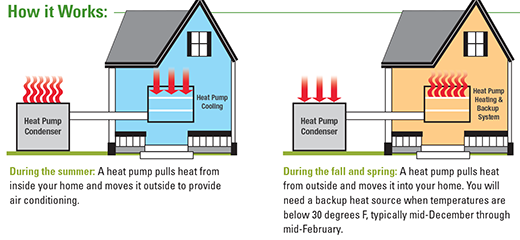
Heat pumps move heat from one place to another. In winter, they pull heat from outside air and bring it inside. In summer, they reverse the process and take heat from inside out. This keeps your home warm in cold months and cool in hot months. Heat pumps use a refrigerant to absorb and release heat. The system includes an outdoor unit and an indoor unit. The outdoor unit extracts heat, and the indoor unit distributes it inside your home.
Types Of Heat Pumps
There are mainly two types of heat pumps. Air-source heat pumps are the most common. They take heat from the outside air. Ground-source or geothermal heat pumps use heat from the ground. Ground-source pumps are very efficient but cost more to install. Air-source pumps are easier to install and work well in mild climates. Both types provide heating and cooling but differ in installation and efficiency.

Credit: genzryan.com
Benefits For Minnesota Homes
Heat pumps offer many benefits for Minnesota homes. They work well in cold weather and provide a reliable way to heat and cool your house. Choosing a heat pump helps homeowners save money and reduce energy use. Here are some key benefits of heat pumps in Minnesota.
Energy Efficiency In Cold Climates
Heat pumps use electricity to move heat instead of creating it. This method uses less energy than traditional heating systems. Modern heat pumps work efficiently even in Minnesota’s cold winters. They keep homes warm without using much power. This helps lower your energy bills and reduces wear on your system.
Cost Savings Over Time
Heat pumps cost less to run than many other heaters. They use less fuel and electricity, which cuts monthly costs. Installing a heat pump can also increase your home’s value. Over several years, the savings on energy bills can pay back the initial cost. Maintenance for heat pumps is usually simple and affordable.
Environmental Impact
Heat pumps produce fewer greenhouse gases than gas or oil heaters. They reduce your home’s carbon footprint by using clean energy. Using a heat pump helps protect the environment. It supports efforts to lower pollution and fight climate change. Choosing a heat pump is a smart step toward a greener home.
Choosing The Right Heat Pump
Choosing the right heat pump is important for comfort and energy savings. A good fit keeps your home warm in winter and cool in summer. It also lowers utility bills and lasts longer. You must think about size, features, and brands before buying.
Sizing And Capacity
Choose a heat pump that matches your home’s size. Too small means it works too hard and wastes energy. Too large causes short cycling and uneven temperatures. A professional can calculate the right capacity for your space. This ensures efficient heating and cooling all year.
Features To Consider
Look for features that improve comfort and ease of use. Variable-speed compressors adjust power for steady temperatures and energy savings. A heat pump with a backup heater helps on very cold days. Check for smart thermostat compatibility to control your system remotely. Quiet operation and durable parts add to long-term value.
Brand And Model Recommendations
Choose brands known for quality and support in Minnesota. Reliable models have good reviews and strong warranties. Popular brands include Mitsubishi, Carrier, and Trane. Ask local installers for advice based on your climate and home type. Choosing trusted brands ensures better service and performance.
Installation Process
The installation process of a heat pump is key for efficient heating and cooling. Proper setup ensures the system runs smoothly and saves energy. Understanding the steps helps homeowners prepare better for the installation day.
Finding Qualified Installers
Choose installers with experience in heat pump systems. Check for local licenses and certifications. Reading reviews and asking for references helps find trusted professionals. Skilled installers ensure correct placement and connection of the unit.
Installation Steps
The process begins with a home assessment to determine the best heat pump size. Next, installers place the outdoor and indoor units. They connect refrigerant lines, electrical wiring, and ductwork. Finally, the system is tested for leaks and proper operation.
Typical Timeline
Installation usually takes one to three days. Time depends on home size and system complexity. Simple setups may finish in a day. Larger homes or upgrades to ductwork might require more time.
Maintenance Tips
Heat pumps need regular care to work well in Minnesota homes. Good maintenance saves money and keeps your home warm in winter and cool in summer. Small tasks can stop big problems. Learn simple tips to keep your heat pump running smoothly all year.
Routine Care
Check and change air filters every one to three months. Clean filters help air flow and reduce energy use. Clear leaves, dirt, and snow from outside units. Make sure nothing blocks the vents. Keep the area around the heat pump clean and dry.
Troubleshooting Common Issues
Listen for strange noises like rattling or buzzing. These sounds may mean loose parts or debris. Check the thermostat settings if the system does not turn on. Look for ice buildup on outdoor units in cold weather. A little frost is normal, but thick ice needs attention.
When To Call A Professional
Call an expert if your heat pump stops working suddenly. Unusual smells or smoke require immediate service. If the system runs but does not heat or cool well, get help. Professionals can check refrigerant levels and electrical parts safely. Schedule yearly check-ups to catch problems early.
Incentives And Rebates
Heat pumps can lower energy bills and reduce carbon footprints. Many programs help Minnesota homeowners afford these systems. Incentives and rebates make heat pumps more affordable and attractive. Knowing about available offers helps you save money.
State And Local Programs
Minnesota offers rebates for installing heat pumps. Local utilities often provide discounts or special rates. These programs encourage energy efficiency in homes. Check your city or utility company for current offers. Programs may vary by location and season.
Federal Tax Credits
The federal government gives tax credits for heat pump purchases. These credits reduce the amount of tax you owe. They cover a part of the installation cost. Make sure the heat pump meets federal energy standards. This helps maximize your tax savings.
How To Apply
Start by researching available incentives in your area. Gather necessary documents like receipts and product details. Submit applications through official websites or your utility company. Follow all instructions carefully to avoid delays. Keep copies of all paperwork for future reference.
Comparing Heat Pumps To Other Systems
Choosing the right heating system for a Minnesota home is important. Heat pumps offer unique benefits but differ from traditional systems. This section compares heat pumps with furnaces and boilers. It also explores hybrid systems combining heat pumps with other heaters. Understanding these options helps homeowners make smart decisions for comfort and savings.
Heat Pumps Vs. Furnaces
Furnaces burn fuel like natural gas or oil to create heat. Heat pumps move heat from outside to inside using electricity. Heat pumps use less energy in mild weather. Furnaces work well in very cold temperatures. Heat pumps can cool homes in summer. Furnaces cannot cool but heat quickly. Heat pumps may cost more upfront. Furnaces often have lower installation costs.
Heat Pumps Vs. Boilers
Boilers heat water to warm your home through radiators or pipes. Heat pumps warm air and can also cool air. Boilers provide steady, even heat. Heat pumps offer both heating and cooling options. Boilers use gas, oil, or electricity. Heat pumps rely mainly on electricity. Boilers work best in cold climates. Heat pumps may lose efficiency in extreme cold.
Hybrid Systems
Hybrid systems combine heat pumps with furnaces or boilers. The heat pump runs during mild weather to save energy. The furnace or boiler starts when temperatures drop very low. This setup balances comfort and energy use. Hybrid systems reduce heating costs year-round. They provide reliable heat even in harsh winters. Homeowners can enjoy both efficiency and warmth.

Credit: yaleclimateconnections.org
Credit: www.mnpower.com
Frequently Asked Questions
What Is A Heat Pump And How Does It Work?
A heat pump moves heat from outside to inside your home for warmth and reverses to cool.
Are Heat Pumps Efficient In Cold Minnesota Winters?
Yes, modern heat pumps work well even in cold Minnesota weather, saving energy.
How Much Can I Save On Energy Bills With Heat Pumps?
Heat pumps can reduce heating costs by up to 30-40% compared to traditional systems.
Do Heat Pumps Require Special Maintenance In Minnesota?
Regular filter changes and yearly professional checks keep heat pumps running smoothly in cold climates.
Can Heat Pumps Replace My Current Heating And Cooling System?
Heat pumps can fully replace many heating and cooling systems, offering both functions in one unit.
Conclusion
Heat pumps offer an energy-saving way to heat and cool Minnesota homes. They work well in cold winters and warm summers. Choosing the right heat pump can lower utility bills. Regular maintenance keeps the system running smoothly and lasts longer.
Understanding how heat pumps function helps homeowners make smart choices. This knowledge leads to better comfort and savings all year. Consider your home’s needs before deciding on a heat pump. The right system makes your home cozy and efficient.