
Are you tired of your home feeling like an oven during hot days? Finding the best way to insulate your home in a warm climate can make a huge difference in your comfort and energy bills.
Imagine stepping into a cool, refreshing space even when the sun is blazing outside. You’ll discover simple, effective insulation tips designed just for warm weather homes. Keep reading to learn how to keep your home cool, save money, and enjoy a more comfortable living space all year round.
Choosing Insulation Materials
Choosing the right insulation materials is key to keeping your home cool in warm climates. Different materials offer different benefits. Some block heat effectively. Others allow your home to breathe. Understanding your options helps you pick the best fit for your needs and budget.
Reflective Barriers
Reflective barriers reduce heat by reflecting sunlight away. They often use shiny foil surfaces. These barriers work well in attics and roofs. Installing them lowers cooling costs. They are thin and easy to add over existing insulation.
Spray Foam Options
Spray foam insulation fills gaps and cracks tightly. It creates a strong air seal. This stops hot air from entering your home. Spray foam also adds structural strength. It works well in walls and ceilings. Closed-cell foam offers higher insulation value.
Fiberglass And Mineral Wool
Fiberglass and mineral wool are common insulation materials. Both resist heat flow and provide soundproofing. Fiberglass is lightweight and affordable. Mineral wool resists fire and moisture better. These materials come in batts or loose-fill forms. Installation is simple and effective.
Natural Insulation Alternatives
Natural insulation includes materials like cotton, wool, and cellulose. They are eco-friendly and safe for health. These materials breathe well, reducing moisture buildup. Natural options help maintain steady indoor temperatures. They are renewable and often made from recycled products.
Credit: www.yourhome.gov.au
Optimizing Wall Insulation
Optimizing wall insulation is key for homes in warm climates. Walls stop heat from entering your home. Proper insulation keeps your indoor space cooler and reduces energy costs.
Choosing the right insulation method and material can make a big difference. Small gaps or thin insulation can let heat in. Focus on how and where to add insulation for best results.
Exterior Vs Interior Insulation
Exterior insulation blocks heat before it reaches the wall. It protects the wall from sun damage. This method keeps your home cooler all day.
Interior insulation adds a layer inside the home. It is easier to install in some cases. It also helps keep indoor temperatures steady.
Exterior insulation works best for strong sun exposure. Interior insulation can be good for homes with less sun. Choose based on your home’s design and climate.
Insulation Thickness Considerations
Thicker insulation means better heat resistance. But too thick can reduce space inside rooms. Find a balance between thickness and comfort.
Check the insulation rating for your climate zone. Use enough thickness to lower indoor temperature effectively. Don’t overdo it, as it may cost more and shrink room size.
Sealing Gaps And Cracks
Even the best insulation fails with gaps and cracks. Small openings let hot air enter and cool air escape.
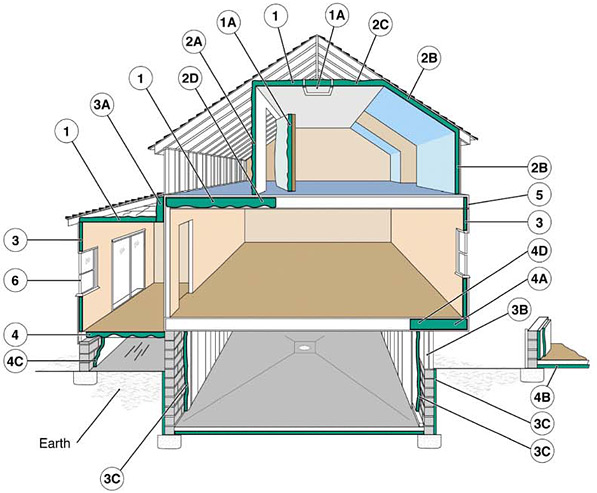
Seal around windows, doors, and electrical outlets. Use weatherstripping or caulk to close leaks. This step improves wall insulation performance greatly.
Regularly inspect and maintain seals to keep your home energy efficient. A well-sealed home feels cooler and costs less to cool.
Roof And Attic Insulation
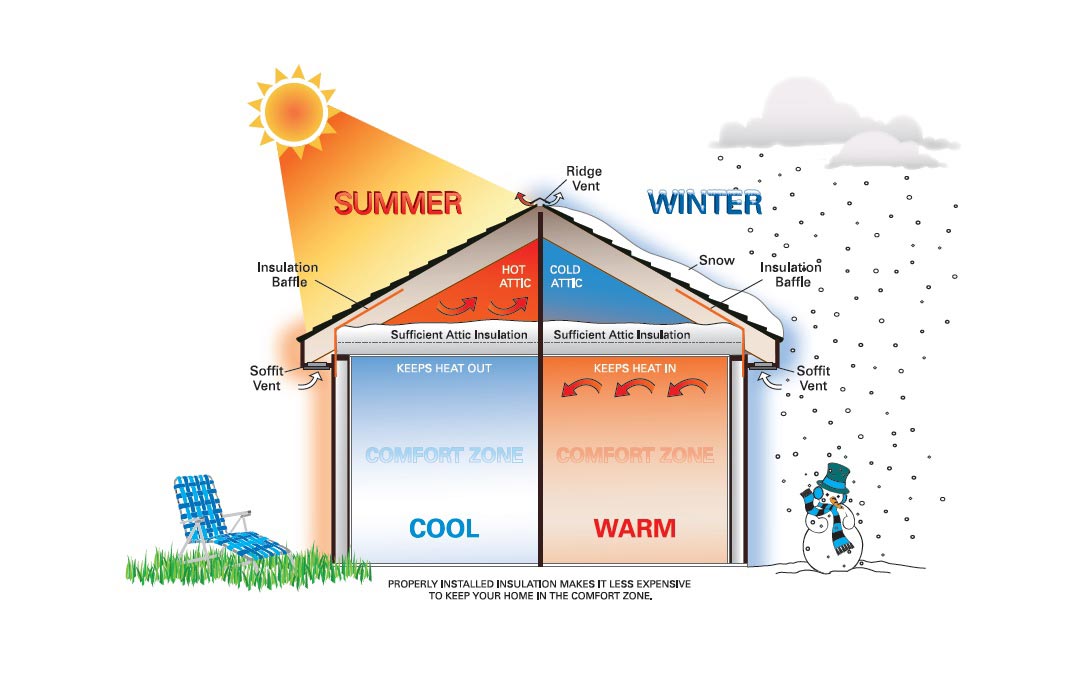
Roof and attic insulation plays a key role in keeping your home cool in warm climates. Hot air rises and collects near the roof, increasing indoor temperatures. Proper insulation slows heat transfer and keeps your living space comfortable. It also reduces energy costs by lowering the need for air conditioning.
Radiant Barriers For Roofs
Radiant barriers reflect heat away from your roof. They reduce heat absorption and lower attic temperatures. These barriers usually come as foil sheets installed under the roof. They work best in sunny, hot areas. Radiant barriers can cut cooling costs by reflecting radiant heat.
Ventilation Techniques
Good attic ventilation removes hot air and moisture. It balances air flow between intake vents and exhaust vents. Ridge vents and soffit vents help air move freely. Proper ventilation lowers attic temperature and prevents mold growth. It keeps insulation dry and effective over time.
Attic Floor Insulation
Insulating the attic floor blocks heat from entering living spaces. Materials like fiberglass or cellulose work well. They create a barrier that reduces heat flow into rooms below. Thicker insulation improves thermal resistance. Proper attic floor insulation helps maintain steady indoor temperatures.
Floor Insulation Strategies
Floor insulation plays a key role in keeping your home cool in warm climates. It helps stop heat from entering through the ground. Good floor insulation also improves comfort and lowers energy bills. Choosing the right method depends on your home’s design and local weather. Below are some effective floor insulation strategies to consider.
Raised Floors Vs Slabs
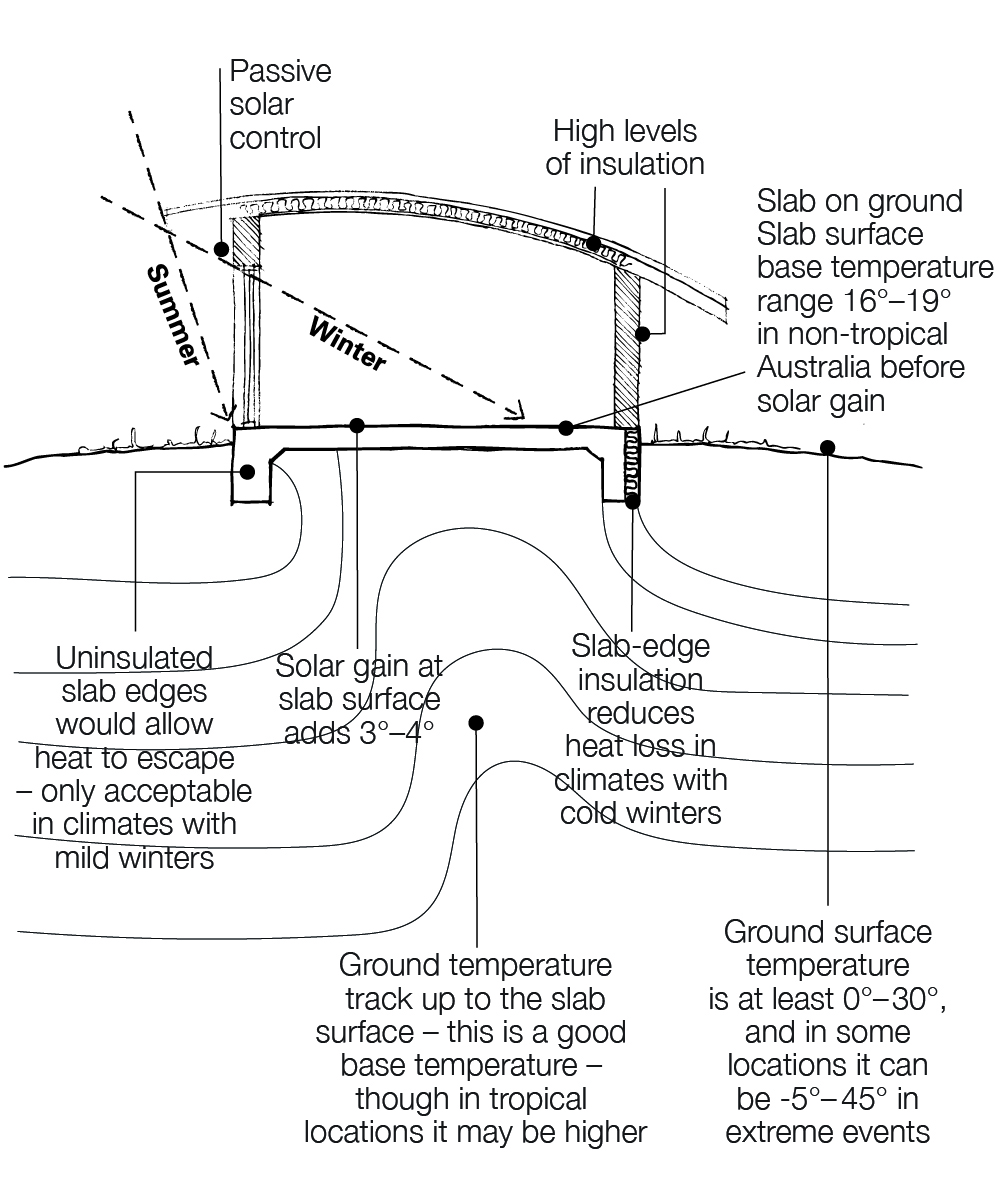
Raised floors allow air to flow beneath the house. This airflow helps cool the floor and reduces heat inside. These floors are easier to insulate with materials like foam or fiberglass. On the other hand, slab floors are poured concrete directly on the ground. Slabs absorb heat during the day and release it at night. Insulating slabs requires adding layers of foam or reflective barriers under the concrete. Each floor type needs a different insulation approach for best results.
Insulating Crawl Spaces
Crawl spaces are common under raised floors. They can trap heat and moisture if not insulated properly. Install insulation on the crawl space walls or under the floor above. Use materials resistant to moisture and pests, such as rigid foam boards. Seal gaps and vents to prevent warm air and bugs from entering. Proper insulation here stops heat from rising into your living space.
Moisture Control
Moisture damages insulation and lowers its effectiveness. In warm climates, humidity levels are often high. Use vapor barriers under floors to block moisture from the ground. Ensure crawl spaces have good drainage and ventilation. Keep insulation dry to maintain its thermal resistance. Controlling moisture protects your floor and improves indoor air quality.
Windows And Doors
Windows and doors play a big role in how much heat enters your home. In warm climates, they can let in a lot of heat if not properly insulated. Keeping the sun and hot air out saves energy and keeps your home cooler. Simple upgrades can make a big difference in comfort and energy bills.
Energy-efficient Windows
Energy-efficient windows reduce heat from the sun. They have special coatings that reflect sunlight and block heat. Double or triple-pane windows with gas fills also slow heat transfer. These windows keep your home cooler and reduce the need for air conditioning.
Weatherstripping And Seals
Gaps around windows and doors let hot air inside. Weatherstripping and seals close these gaps tightly. They stop air leaks and prevent warm air from entering. This keeps your home cooler and lowers energy use. Check seals regularly and replace worn-out weatherstripping.
Shading And Window Films
Shading devices like awnings or shutters block direct sunlight. They reduce heat gain and glare inside your home. Window films add another layer of protection. They reflect infrared rays while letting in light. Both shading and films reduce cooling costs and improve comfort.
Credit: buildersdiscount.net
Enhancing Airflow And Ventilation
Good airflow and ventilation make your home cooler and more comfortable. They help remove hot air and bring in fresh, cooler air. This reduces the need for air conditioning and saves energy. In warm climates, enhancing airflow is key to maintaining a pleasant indoor environment.
Cross Ventilation Techniques
Cross ventilation moves air through your home using windows and openings on opposite sides. It creates a natural breeze that cools rooms quickly. Arrange furniture and curtains to keep air paths clear. Open windows during cooler parts of the day for better airflow.
Using Fans Efficiently
Fans help move air inside your home and improve ventilation. Ceiling fans push air down to create a cooling effect on skin. Use exhaust fans in kitchens and bathrooms to remove hot, moist air. Place portable fans near windows to draw in fresh air or push out warm air.
Mechanical Ventilation Systems
Mechanical systems control airflow with devices like air exchangers and ventilators. They bring in fresh outdoor air while removing stale indoor air. These systems keep humidity low and improve air quality. Choose energy-efficient models designed for warm climates to save power.
Additional Cooling Tips
Keeping your home cool in a warm climate requires more than just good insulation. Small changes outside and inside your home can lower temperatures significantly. These additional cooling tips help reduce heat and save energy.
Landscaping For Shade
Trees and plants block sunlight from hitting your house. Planting shade trees near windows lowers indoor temperatures. Vines on walls and trellises create natural cooling barriers. Grass and shrubs reduce heat reflected from the ground. Proper landscaping cools your home naturally and cuts air conditioning costs.
Cool Roof Coatings
Roof coatings reflect sunlight and keep your roof cooler. These coatings reduce heat absorption and lower indoor heat. White or light-colored coatings work best. They extend roof life and improve energy efficiency. Applying cool roof coatings is a smart way to fight heat.
Smart Thermostat Use
Smart thermostats adjust temperatures based on your schedule. They avoid cooling empty rooms and save energy. Set higher temperatures when you are away. Use the thermostat’s features to control cooling remotely. Smart thermostats help keep your home comfortable and reduce bills.
Credit: www.energy.gov
Cost And Energy Savings
Insulating your home in a warm climate can reduce energy bills and increase comfort. Proper insulation keeps your home cooler and lowers the need for air conditioning. This means less electricity use and savings on monthly bills. Understanding the costs and energy savings helps you make smart choices.
Initial Investment Vs Long-term Savings
Insulation requires money upfront for materials and installation. The price depends on the type and size of your home. Though the initial cost may seem high, savings build over time. Lower energy bills balance out the expense. Good insulation often pays for itself in a few years.
Incentives And Rebates
Many local governments offer incentives for home insulation. These programs lower your initial cost through rebates or tax credits. Check with your utility company for special deals. These savings make insulation more affordable and quicker to pay off.
Calculating Return On Investment
To find your return on investment, compare total insulation cost to energy savings. Estimate how much your bills drop each month after insulating. Divide the total cost by yearly savings to see how many years it takes to break even. This simple calculation helps you decide the best insulation option for your home.
Frequently Asked Questions
What Is The Best Insulation For Warm Climates?
Reflective or radiant barrier insulation works well by reflecting heat away from your home.
How Does Insulation Save Energy In Hot Weather?
Insulation keeps your home cooler, reducing the need for air conditioning and lowering energy bills.
Can Insulation Prevent Humidity Problems Indoors?
Yes, proper insulation helps control moisture and reduces the risk of mold and dampness.
Is Foam Insulation Good For Warm Climate Homes?
Spray foam insulation seals gaps well and blocks heat, making it a good choice for warm areas.
How Thick Should Insulation Be In A Warm Climate?
A moderate thickness, usually R-13 to R-19, balances heat control and cost in warm regions.
Conclusion
Choosing the right insulation keeps your home cool and saves energy. Reflective barriers and foam boards work well in warm climates. Proper ventilation helps air move freely and stops heat buildup. Seal gaps and cracks to block hot air from entering.
Simple steps make your home more comfortable all year. Start with easy changes for big savings later. Stay cool without high energy bills. Your home will feel better every day.