
Living in Alaska means your furnace is more than just an appliance—it’s your lifeline through freezing winters. But how do you know when to repair your furnace and when it’s time to replace it?
Making the wrong choice can cost you money, comfort, and peace of mind. You’ll discover clear signs to watch for and practical advice that helps you protect your home and stay warm all season long. Keep reading to find out exactly what steps you should take to keep your heating system running smoothly.

Credit: a1mechanicalus.com
Signs Your Furnace Needs Attention
Your furnace is a vital part of your home, especially in Alaska’s cold climate. Recognizing signs that your furnace needs attention helps you decide when to repair or replace it. Early detection can save money and keep your home warm.
Unusual Noises
Strange sounds from your furnace signal trouble. Rattling, banging, or squealing noises mean parts might be loose or damaged. Ignoring these noises can lead to bigger problems and expensive repairs.
Inconsistent Heating
Some rooms feel hot while others stay cold. This uneven heating shows your furnace may not work well. Poor airflow or a failing component could cause this issue. Consistent heat is crucial in cold weather.
Rising Energy Bills
Higher energy bills can mean your furnace runs inefficiently. It may use more power to heat your home. An older or broken furnace often wastes energy. Checking your bills helps spot this early.
Frequent Breakdowns
Constant furnace repairs indicate it may be time to replace it. Frequent breakdowns disrupt your comfort and cost more over time. A reliable furnace keeps your home warm without repeated fixes.
Credit: vitoservices.com
Factors Influencing Repair Or Replacement
Deciding whether to repair or replace a furnace is a big choice for Alaska homeowners. Many factors affect this decision. Understanding these can save money and keep your home warm and safe. Let’s explore key points that influence this important decision.
Furnace Age
Age plays a major role in deciding on repair or replacement. Most furnaces last 15 to 20 years. Older units break down more often. Repairing an old furnace can cost more over time. New furnaces come with better technology and longer warranties. Knowing your furnace’s age helps guide your choice.
Repair Costs Vs. Replacement
Compare the cost of repairs to a new furnace price. Small repairs cost less and keep the furnace working. Large repairs may equal half the cost of a new furnace. Frequent repairs add up quickly. Spending on a new furnace can be smarter in the long run. Balance your budget with the furnace’s condition.
Energy Efficiency
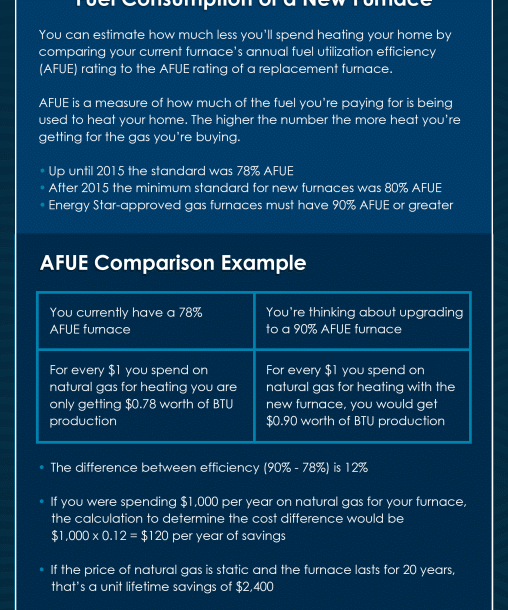
Older furnaces use more energy and raise bills. New models save energy and reduce costs. High-efficiency furnaces use less fuel for the same heat. Saving on energy can pay for a new furnace over time. Consider efficiency as a key factor in your decision.
Safety Concerns
Safety is critical in any heating system. Old or damaged furnaces risk gas leaks and carbon monoxide. Repairs may fix some issues but not all. New furnaces have modern safety features. Protect your family by choosing a safe and reliable system.
Benefits Of Repairing Your Furnace
Repairing your furnace often makes more sense than replacing it right away. Repairs can save money, extend the furnace’s life, and fix issues fast. Homeowners in Alaska can benefit greatly from timely furnace repairs to keep their homes warm without overspending.
Cost Savings
Furnace repairs usually cost less than buying a new unit. Fixing small problems early stops bigger, costly damage later. This saves money on parts and labor. Spending less now helps avoid a large expense soon.
Extended Equipment Life
Repairing keeps your furnace working longer. Regular fixes prevent wear and tear from getting worse. This extends the life of your heating system. A well-maintained furnace can serve you for many more years.
Quick Fixes
Some furnace problems can be fixed quickly. Repairs often take less time than replacing the entire system. Fast fixes restore heat fast, especially in cold Alaskan winters. This means less discomfort and fewer risks.
Advantages Of Replacing Your Furnace
Replacing your furnace has clear benefits for homeowners in Alaska. It ensures your home stays warm and safe during harsh winters. New furnaces work better and save you money over time. Here are some key advantages of choosing to replace your old furnace.
Improved Efficiency
New furnaces use the latest technology to heat your home more efficiently. They convert fuel into heat better than older models. This means less wasted energy and more warmth. Your home will reach a comfortable temperature faster.
Lower Energy Bills
With higher efficiency comes lower energy bills. New furnaces use less fuel to produce the same heat. This reduces monthly heating costs. Over time, savings on bills can cover the cost of a new furnace.
Reliable Heating
Older furnaces often break down in cold weather. A new furnace offers reliable heating without sudden failures. It runs smoothly and heats your entire home evenly. You avoid costly emergency repairs during winter.
New Technology Features
Modern furnaces include useful features like smart thermostats. These help control your home’s temperature easily. Some models have better air filters to improve indoor air quality. Quiet operation is another benefit of new units.
Special Considerations For Alaska Homeowners
Homeowners in Alaska face unique challenges with their furnaces. The harsh climate and remote locations affect repair and replacement decisions. Understanding these factors helps you choose the best option for your home.
Extreme Cold Weather Impact
Alaska’s winters are long and bitterly cold. Your furnace works harder than in many other places. This extra strain can cause parts to wear out faster. A furnace that struggles may fail in the coldest months. Quick repairs might not last long. Sometimes replacement is safer and more reliable.
Availability Of Parts And Services
Many areas in Alaska are remote. Getting furnace parts can take longer. Service technicians may be limited or booked. Waiting for repairs in freezing weather is risky. A new furnace might come with a warranty and less chance of breakdown. Planning ahead is important to avoid heating loss.
Energy Sources Common In Alaska
Fuel types vary across Alaska. Some homes use natural gas, others heating oil or propane. Each fuel type affects furnace efficiency and cost. Switching to a more common fuel source may reduce future issues. Repair options depend on the fuel system. Replacement could improve energy savings and comfort.
Credit: www.tripleotoday.com
Making The Right Choice
Deciding whether to repair or replace your furnace is important for Alaska homeowners. This choice affects comfort, safety, and costs. Many factors play a role in making the right decision. Understanding these helps you avoid sudden breakdowns during cold months.
Assessing your situation carefully can save money and stress. Think about your home’s needs, budget, and the furnace’s condition. This section guides you through key points for a smart choice.
Consulting Hvac Professionals
HVAC experts have the skills to check your furnace thoroughly. They spot hidden problems and offer honest advice. Professionals can explain if repairs will last or if replacement is better.
They also provide estimates for both options. This helps you compare costs clearly. Trusting their knowledge reduces risk of poor decisions.
Evaluating Long-term Costs
Fixing an old furnace might cost less now but add up later. New furnaces use energy more efficiently. This lowers heating bills in the long run.
Consider repair expenses plus future energy savings. Replacement often avoids frequent repairs and high bills. Calculate total costs over several years before deciding.
Considering Home Comfort Needs
Your furnace keeps your home warm and safe in Alaska’s cold. An old or broken furnace may not heat evenly or well. This affects your family’s comfort and health.
Think about how well your furnace meets your home’s size and layout. New models offer better control and cleaner air. Choose what keeps your home cozy all winter long.
Maintenance Tips To Extend Furnace Life
Keeping your furnace in good shape helps it last longer and work better. Simple care steps can save money and avoid sudden breakdowns. Here are easy maintenance tips to help your furnace serve you well through cold Alaskan winters.
Regular Inspections
Check your furnace often for any signs of wear or damage. Look for strange noises, leaks, or unusual smells. Early spotting of problems can stop bigger issues later. Make it a habit to inspect the furnace at least once a month during winter.
Cleaning And Filter Replacement
Clean your furnace parts to keep airflow smooth and efficient. Replace filters every one to three months. Dirty filters block air and force the furnace to work harder. Clean filters improve air quality and reduce energy use.
Scheduling Professional Tune-ups
Hire a heating expert for a full furnace check each year. Professionals clean parts, check safety, and adjust settings for best performance. A yearly tune-up helps catch hidden problems and keeps your furnace safe and reliable.
Frequently Asked Questions
How To Decide Between Furnace Repair Or Replacement In Alaska?
Consider furnace age, repair cost, and heating efficiency to decide repair or replacement.
What Signs Show My Furnace Needs Replacement In Alaska?
Frequent breakdowns, rising energy bills, and uneven heating suggest replacement.
Is Furnace Repair Cost-effective In Cold Alaskan Winters?
Small repairs can save money, but big issues may mean costly repairs.
How Long Do Furnaces Usually Last In Alaska Homes?
Most furnaces last 15-20 years with proper care and maintenance.
Can Repairing An Old Furnace Affect Home Heating In Alaska?
Old furnace repairs may not improve heat well; replacement often boosts comfort.
Conclusion
Deciding between furnace repair or replacement depends on several factors. Age, repair costs, and energy efficiency matter most. Older furnaces often cost more to fix and use more energy. New models save money in the long run. Safety concerns also play a big role in this choice.
Trust your instincts if your furnace feels unreliable. Regular maintenance can extend furnace life, but not forever. Stay warm and safe this winter by choosing wisely. Your comfort depends on a well-functioning heating system.