
If you’re a homeowner in Wisconsin, you know how important it is to keep your home warm during those chilly winter months. But have you ever thought about a heat pump?
This smart heating option can save you money and keep your home comfortable all year round. You’ll discover what heat pumps are, how they work, and why they might be the perfect fit for your Wisconsin home. Keep reading—you might be surprised at how much a heat pump can change your energy bills and your comfort.
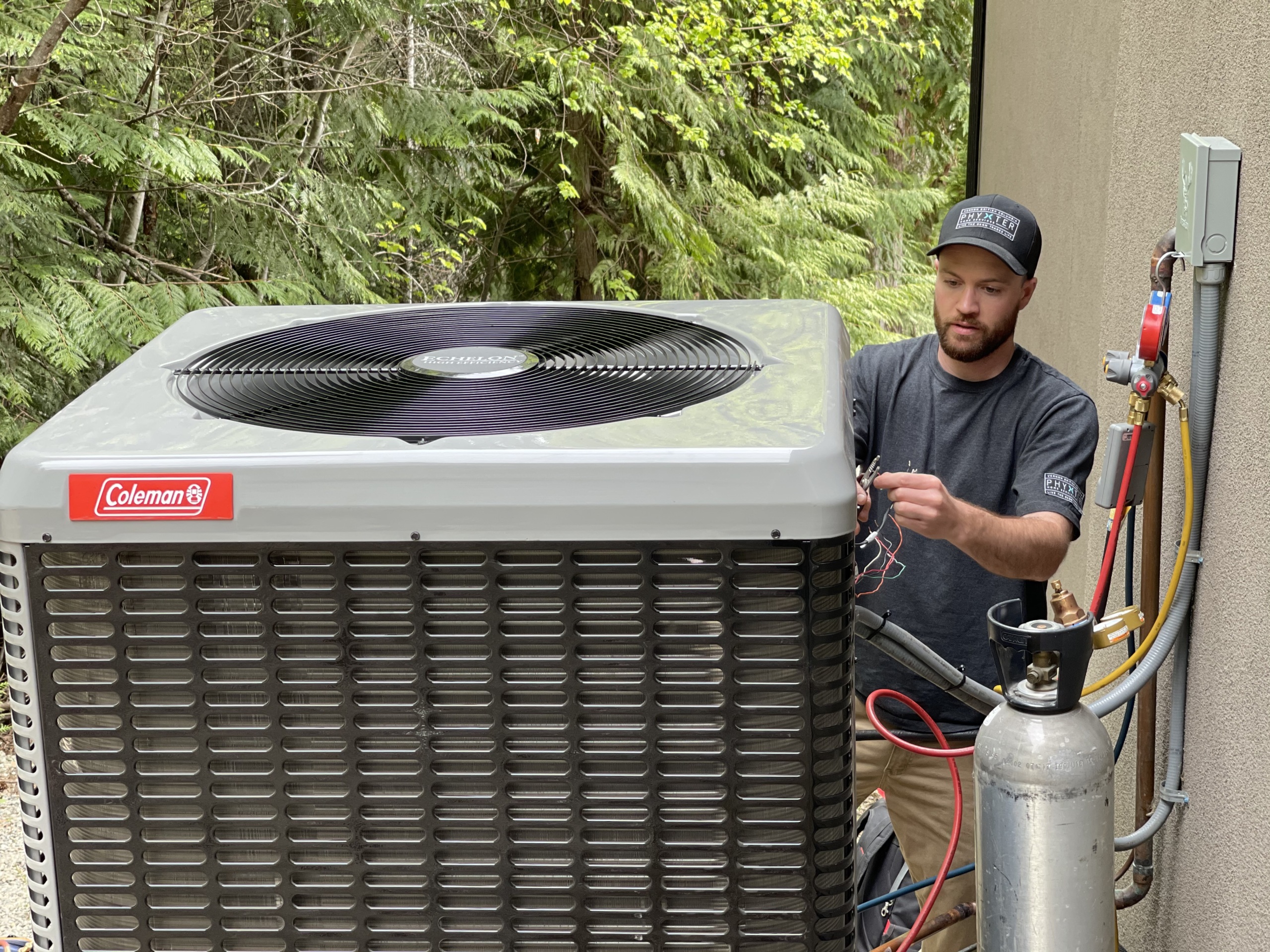
Credit: environmentamerica.org
Benefits Of Heat Pumps
Heat pumps offer many benefits to homeowners in Wisconsin. They provide a smart way to heat and cool your home. Understanding these benefits can help you decide if a heat pump is right for you.
From saving money to helping the environment, heat pumps have much to offer. Here are some key advantages of using heat pumps in your home.
Energy Efficiency And Savings
Heat pumps use less energy than traditional heating systems. They move heat instead of creating it, which saves electricity. This means lower utility bills throughout the year. Many homeowners notice a clear drop in their energy costs. Heat pumps also work well with renewable energy sources like solar panels.
Year-round Climate Control
Heat pumps can heat your home in winter and cool it in summer. This gives you comfort no matter the season. They maintain a steady indoor temperature for better living conditions. Unlike other systems, heat pumps do both jobs in one unit. This saves space and reduces the need for multiple appliances.
Environmental Impact
Heat pumps produce fewer greenhouse gases than fossil fuel systems. They help reduce your home’s carbon footprint. Using a heat pump supports cleaner air and a healthier planet. Many models use eco-friendly refrigerants that are safe for the environment. Choosing a heat pump is a step toward sustainable living.
Types Of Heat Pumps
Heat pumps come in several types, each with unique features. Homeowners in Wisconsin should know these types to choose the best fit. Heat pumps work by moving heat instead of creating it, making them energy efficient. Understanding these types helps in making smart heating and cooling decisions.
Air-source Heat Pumps
Air-source heat pumps take heat from outside air. They work well in mild to moderate climates. These pumps can both heat and cool your home. They are easier to install and usually cost less. Modern models work even in cold Wisconsin winters.
Ground-source Heat Pumps
Ground-source heat pumps use the earth’s stable temperature. Pipes are buried underground to transfer heat. These systems are very efficient year-round. Installation costs are higher but save more energy long-term. They are quiet and last longer than air-source pumps.
Hybrid Systems
Hybrid systems combine a heat pump with a furnace. The system switches between the two for best efficiency. It uses the heat pump when temperatures are mild. The furnace kicks in during very cold weather. This option offers reliable heat and lower energy bills.
Heat Pump Performance In Wisconsin
Heat pumps offer an efficient way to heat and cool homes in Wisconsin. Understanding how they perform in this region helps homeowners make smart choices. Wisconsin’s cold winters and changing seasons affect heat pump efficiency and operation. Knowing these factors improves comfort and saves energy.
Adapting To Cold Winters
Wisconsin winters can be very cold, often below freezing. Heat pumps work by pulling heat from outside air. In very cold weather, this becomes harder. Modern heat pumps use advanced technology to keep working well. Some models have backup heating systems for extra warmth. Proper installation and maintenance help maintain performance.
Efficiency During Seasonal Changes
Heat pumps adjust to different temperatures throughout the year. During warmer months, they cool your home efficiently. In spring and fall, they use less energy than traditional systems. Seasonal changes affect how hard the heat pump must work. Regular tune-ups keep the system running smoothly all year.

Credit: yaleclimateconnections.org
Installation Considerations
Installing a heat pump in Wisconsin homes requires careful planning. Proper installation ensures the system works efficiently and lasts long. Understanding key factors can help homeowners avoid common problems and get the best results from their heat pump.
Sizing And Placement
Choosing the right size of heat pump is very important. A unit too small will not heat or cool well. One too large will waste energy and increase costs. Placement also matters. The outdoor unit should have space around it for air flow. Avoid placing it near obstacles or direct sunlight. Proper placement helps the heat pump run smoothly and quietly.
Professional Installation Tips
Hiring a skilled professional is a smart choice. Experts know local climate needs and building codes. They can correctly connect electrical and refrigerant lines. Professionals also test the system after installation. This step ensures everything works perfectly. A good installer will explain how to use and maintain your heat pump.
Common Installation Challenges
Some problems may arise during installation. Tight spaces can make placing the outdoor unit hard. Older homes might need electrical upgrades. Drainage issues can cause water leaks inside the house. Noise concerns may require adding sound barriers. Addressing these challenges early saves time and money later.
Maintenance And Troubleshooting
Heat pumps are a smart choice for Wisconsin homes. They save energy and keep your house warm or cool. To keep them working well, regular care is important. Knowing how to spot problems early helps you avoid big repairs.
Regular Maintenance Tasks
Check and clean the filters every month. Dirty filters reduce airflow and efficiency. Clear leaves and debris from outside units. Keep the area around the pump open and clean. Inspect the coils for dirt or damage. Schedule a professional checkup once a year to keep parts in good shape.
Signs Of Malfunction
Unusual noises from the unit may mean a problem. Poor heating or cooling shows the pump is struggling. Higher energy bills suggest the system uses more power. Ice buildup on outdoor units signals trouble. Frequent cycling on and off can wear out the system faster.
When To Call A Technician
Contact a professional if the heat pump stops working. If you see leaking water, call for help. Strange smells or smoke require immediate attention. When regular maintenance does not fix the issue, a technician should inspect the system. Trust experts for repairs and deep cleaning.
Cost And Incentives
Installing a heat pump can change your home’s heating and cooling costs. Knowing the cost and available incentives helps you make a smart choice. Heat pumps need a higher start cost but save money over time. Wisconsin offers some rebates to reduce your initial expense. This section explains the key points about cost and incentives for Wisconsin homeowners.
Initial Investment
Heat pumps cost more to install than traditional systems. The price depends on the size and type of the unit. Most homes need a professional to install the system. Installation can take one or two days. The upfront cost may seem high but think of it as an investment in comfort and savings.
Long-term Savings
Heat pumps use electricity efficiently to heat and cool your home. This efficiency lowers your monthly utility bills. Many users notice smaller energy bills, especially in mild seasons. Heat pumps last around 15 to 20 years. Over time, your savings can cover the initial cost and more.
Available Rebates And Incentives In Wisconsin
Wisconsin offers rebates to encourage energy-efficient home upgrades. Some programs help pay part of the heat pump cost. Check local utility companies for special deals. State and federal incentives may also apply. These rebates make heat pumps more affordable and reduce payback time.
Comparing Heat Pumps To Traditional Systems
Homeowners in Wisconsin often wonder how heat pumps stack up against traditional heating and cooling systems. Understanding the key differences helps make smart choices for comfort and savings. Heat pumps use electricity to move heat, unlike traditional systems that generate heat by burning fuel or using electric resistance. This section breaks down the main points of comparison.
Heating Efficiency
Heat pumps transfer heat rather than create it, making them more efficient. They use less energy to keep homes warm during Wisconsin winters. Traditional furnaces burn gas or oil, which can waste energy and cost more. Heat pumps can deliver up to three times more heat energy than electricity they consume. This efficiency reduces monthly heating bills.
Cooling Capabilities
Heat pumps also work as air conditioners in summer. They remove heat from inside your home and move it outside. Traditional systems usually need separate air conditioners for cooling. A heat pump provides both heating and cooling in one device. This dual function saves space and installation costs.
Lifespan And Durability
Heat pumps generally last 10 to 15 years with proper care. Traditional furnaces can last 15 to 20 years. Heat pumps have fewer mechanical parts, which lowers repair needs. Regular maintenance extends their life and keeps them running well. Wisconsin’s climate can affect system durability, so choose models designed for cold weather.
Choosing The Right Heat Pump
Choosing the right heat pump for your Wisconsin home is important. The wrong choice can lead to high energy bills and poor comfort. The right heat pump saves money and keeps your home warm in winter and cool in summer. This section guides you through key steps to find the best heat pump for your needs.
Assessing Home Needs
Start by checking your home’s size and insulation. Larger homes need more powerful heat pumps. Older homes may have drafts that affect heating. Note the number of rooms and windows. These factors impact the heat pump’s efficiency. Also, consider your climate. Wisconsin winters are cold, so a unit with strong heating is best.
Evaluating Brands And Models
Research different brands for quality and reliability. Some brands offer better warranties and service. Look for energy-efficient models with high SEER and HSPF ratings. These ratings show how well the pump cools and heats. Compare features like noise levels and smart controls. Choose a model that fits your budget but offers good performance.
Consulting With Experts
Talk to local HVAC professionals for advice. They understand Wisconsin’s climate and home styles. Experts can recommend the right size and type of heat pump. They also handle installation properly, ensuring the system works well. Getting a professional opinion helps avoid costly mistakes and ensures comfort year-round.
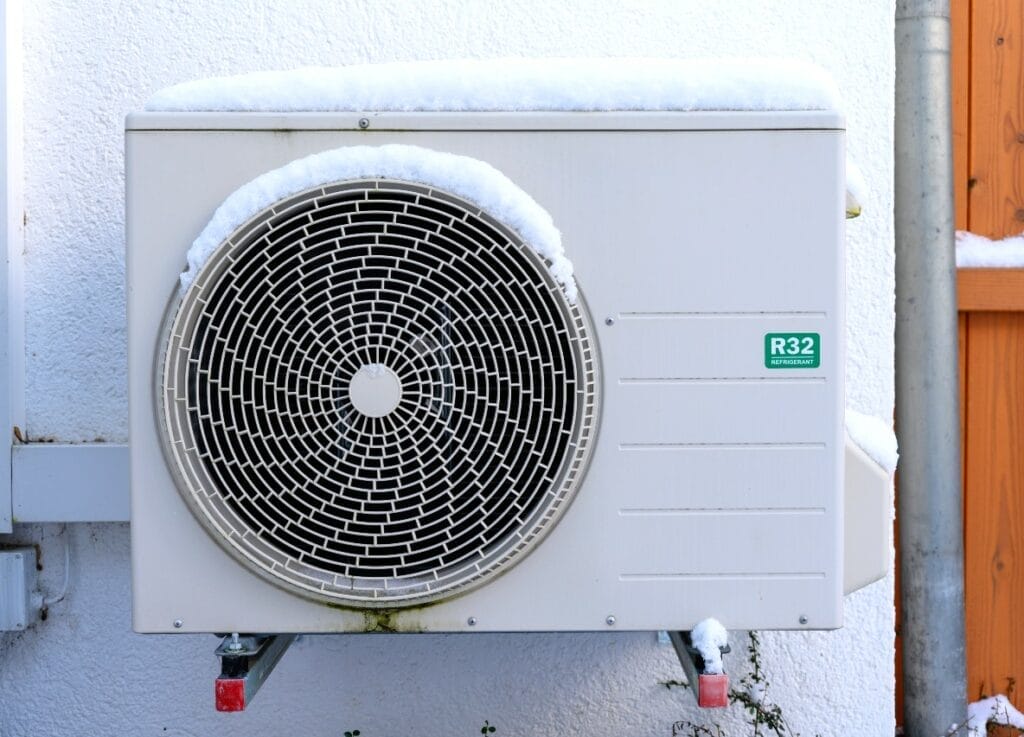
Credit: www.badgerinstitute.org
Frequently Asked Questions
What Is A Heat Pump And How Does It Work?
A heat pump moves heat from outside to inside your home or vice versa. It heats and cools efficiently.
Are Heat Pumps Effective In Wisconsin’s Cold Climate?
Yes, modern heat pumps work well even in cold Wisconsin winters by using advanced technology.
How Much Can I Save With A Heat Pump In Wisconsin?
Heat pumps can cut heating bills by up to 30%-50% compared to traditional systems.
What Maintenance Do Heat Pumps In Wisconsin Require?
Regular filter changes and yearly professional check-ups keep heat pumps working well.
Can A Heat Pump Replace My Current Heating System?
Yes, heat pumps can fully replace or work with your existing system for heating and cooling.
Conclusion
Heat pumps offer an efficient way to heat and cool Wisconsin homes. They save energy and reduce utility bills. Proper installation and maintenance keep them running well. Choosing the right system depends on your home’s size and needs. Understanding these basics helps you make smart decisions.
Heat pumps can provide comfort year-round in Wisconsin’s climate. Take time to research and compare options carefully. This knowledge ensures a warm and cozy home all seasons.