
If you’re a homeowner in Kentucky, you’ve probably heard about heat pumps but might not be sure if they’re the right choice for your home. Understanding how heat pumps work and what benefits they offer can save you money and keep your home comfortable year-round.
You’ll discover everything you need to know about heat pumps—from how they handle Kentucky’s changing seasons to the costs and savings you can expect. By the end, you’ll feel confident about whether a heat pump is the smart solution for your home’s heating and cooling needs.
Keep reading to find out how this technology could make a big difference for you.
Heat Pumps Basics
Heat pumps are a smart choice for many Kentucky homeowners. They offer both heating and cooling in one system. Understanding the basics helps you decide if a heat pump fits your home. This section explains how heat pumps work, the types available, and how they compare to traditional HVAC systems.
How Heat Pumps Work
Heat pumps move heat from one place to another. In winter, they pull heat from outside air and bring it inside. In summer, they reverse the process to cool your home. They use less energy than many heating systems because they move heat instead of making it. This makes them efficient and cost-effective.
Types Of Heat Pumps
There are several types of heat pumps. Air-source heat pumps are the most common. They use outside air to heat or cool your home. Ground-source, or geothermal heat pumps, use the earth’s stable temperature for heating and cooling. Ductless mini-split heat pumps work well for homes without ducts. Each type has its benefits depending on your home’s needs.
Heat Pumps Vs Traditional Hvac
Traditional HVAC systems often use separate units for heating and cooling. Heat pumps combine both in one system. They usually use less energy than furnaces or air conditioners alone. Heat pumps also reduce greenhouse gas emissions. In Kentucky’s mild climate, they provide reliable comfort year-round. They may cost more upfront but save money over time.
Benefits For Kentucky Homes
Heat pumps offer many benefits for homes in Kentucky. They work well in the state’s climate and help with both heating and cooling. Homeowners can enjoy comfort while saving money and using less energy. Understanding these benefits can help you decide if a heat pump fits your home.
Energy Efficiency
Heat pumps use electricity to move heat, not create it. This method uses less energy than traditional heaters. They can provide up to three times more heat energy than the electricity they consume. This makes them a smart choice for Kentucky homes looking to reduce energy use.
Cost Savings
Lower energy use means lower bills. Heat pumps can cut heating and cooling costs significantly. The initial cost is often higher than other systems but pays off over time. Maintenance costs are also low, adding to overall savings for homeowners.
Environmental Impact
Heat pumps produce fewer greenhouse gases than gas or oil heaters. Using electricity from clean sources makes them even better for the environment. Choosing a heat pump helps reduce your home’s carbon footprint in Kentucky.
Climate Considerations In Kentucky
Kentucky’s climate varies through the year with hot summers and cold winters. Homeowners must consider this when choosing a heat pump. The system should work well in different weather conditions. Understanding key climate factors helps make the right choice. This section explains how heat pumps perform in Kentucky’s weather.
Performance In Cold Weather
Kentucky winters can be cold but not extreme. Heat pumps work by moving heat from outside to inside. In very cold weather, their efficiency drops. Newer models handle cold temperatures better. Some use backup heating for freezing days. Choosing a heat pump with good cold-weather performance is smart.
Humidity Control
Kentucky summers are often humid and sticky. Heat pumps help control indoor moisture by removing excess humidity. This keeps the air comfortable and prevents mold growth. Proper humidity control protects your home and health. A heat pump with good dehumidifying features suits Kentucky’s climate well.
Seasonal Adaptability
Kentucky has four distinct seasons. A heat pump must adapt to both heating and cooling needs. It works as an air conditioner in summer and a heater in winter. Seasonal adaptability ensures energy efficiency all year. This saves money on utility bills and keeps your home cozy.
Credit: www.aireserv.com
Installation Tips
Installing a heat pump in your Kentucky home needs careful planning. Proper installation improves efficiency and saves money. Pay attention to size, placement, and who installs it. These tips help your heat pump work well for many years.
Choosing The Right Size
Selecting the correct heat pump size matters a lot. A unit too small won’t heat or cool your home properly. A unit too large wastes energy and raises bills. Size depends on your home’s square footage and insulation. Consult a professional to measure your home’s needs accurately.
Professional Vs Diy Installation
Professional installation ensures the heat pump works safely and efficiently. Experts handle electrical connections, refrigerant lines, and system testing. DIY installation may save money but risks errors and voids warranty. Choose professional help for long-term reliability and peace of mind.
Placement And Maintenance
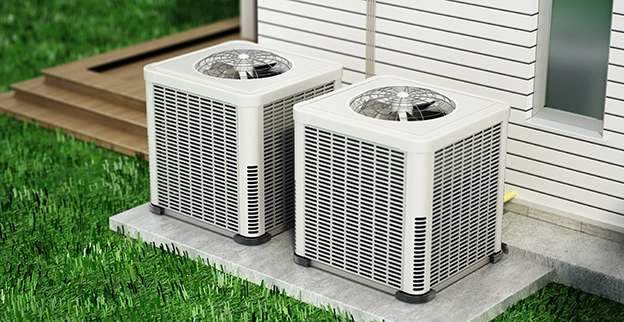
Place the heat pump outside where airflow is clear and free. Avoid spots near trees or walls that block air. Keep the area clean to prevent dirt and debris buildup. Regularly check and replace filters to maintain performance. Proper placement and upkeep extend your heat pump’s life.
Cost And Incentives
Understanding the cost and incentives of heat pumps helps Kentucky homeowners make smart choices. Heat pumps can save money over time despite the initial expense. Various programs and rebates also reduce the overall cost. This section explains key points about price and savings.
Upfront Costs
Heat pumps require a higher initial investment than some other systems. The price depends on the size and type of the unit. Installation costs vary based on your home’s setup. Expect to pay for equipment, labor, and possible upgrades. Knowing these costs helps plan your budget clearly.
Long-term Savings
Heat pumps use less energy than traditional heating or cooling systems. They lower your monthly utility bills throughout the year. These savings add up to cover the upfront cost over time. Heat pumps also need less maintenance, reducing extra expenses. The system’s lifespan is usually long, increasing value.
Kentucky Rebates And Tax Credits
Kentucky offers several rebates to encourage heat pump use. These programs cut down the installation price. Some local utilities provide incentives for energy-efficient upgrades. Federal tax credits may apply to your purchase, lowering taxes owed. Check current offers to maximize your savings.

Credit: thefurnaceoutlet.com
Common Issues And Troubleshooting
Heat pumps are reliable, but they can face common issues. Knowing these problems helps homeowners fix small troubles fast. This saves money and keeps your home comfortable all year.
Noise Concerns
Unusual sounds from a heat pump can signal trouble. Rattling, buzzing, or grinding noises are common alerts. Loose parts or debris often cause these sounds. Check outside units for leaves or sticks. Tighten any loose screws or panels carefully. Persistent noise needs professional inspection to avoid damage.
Efficiency Drops
Heat pumps may lose efficiency over time. Dirty filters, blocked vents, or low refrigerant reduce performance. Change filters regularly to keep air flowing well. Clear any obstructions near outdoor units. Low refrigerant levels require a technician to fix leaks and refill. Watch your energy bills for sudden spikes as a warning.
When To Call A Technician
Some issues need expert help. If the heat pump stops heating or cooling, call a pro. Strange smells or frequent cycling also need attention. Avoid DIY fixes on electrical parts. Regular professional check-ups extend your system’s life. Early repairs prevent costly replacements later.

Credit: 1stchoicemechanicalaz.com
Frequently Asked Questions
What Is A Heat Pump And How Does It Work In Kentucky Homes?
A heat pump moves heat from outside to inside your home for heating and cooling efficiently.
Are Heat Pumps Cost-effective For Kentucky Homeowners?
Heat pumps save money by using less electricity than traditional heaters and coolers.
Can Heat Pumps Handle Kentucky’s Cold Winter Temperatures?
Modern heat pumps work well in Kentucky winters, providing steady warmth even in cold weather.
How Much Does It Cost To Install A Heat Pump In Kentucky?
Installation costs vary, usually between $3,500 and $7,500, depending on home size and system type.
Do Heat Pumps Require A Lot Of Maintenance In Kentucky?
Heat pumps need simple yearly checks to keep running well, like cleaning filters and inspecting parts.
Conclusion
Heat pumps offer an efficient way to heat and cool Kentucky homes. They save energy and lower utility bills. Choosing the right system depends on your home’s size and needs. Regular maintenance helps keep heat pumps working well for years.
Understanding these basics helps you make smart decisions. Stay warm in winter and cool in summer comfortably. Heat pumps can be a practical choice for many homeowners. Consider your options carefully to enjoy their benefits fully.