
If you’re a homeowner in Iowa, you know how quickly the seasons can change—from chilly winters to hot summers. Finding the right way to keep your home comfortable without breaking the bank is a big deal.
That’s where heat pumps come in. But what exactly are heat pumps, and how can they benefit your home? Understanding these smart systems could save you money, boost your comfort, and even help the environment. Keep reading to discover everything you need to know about heat pumps and why they might be the perfect fit for your Iowa home.
Heat Pump Basics
Understanding heat pumps helps Iowa homeowners choose the right heating and cooling system. Heat pumps offer energy-efficient temperature control for homes. They work differently than traditional heaters or air conditioners. Knowing the basics makes it easier to decide if a heat pump fits your needs.
How Heat Pumps Work
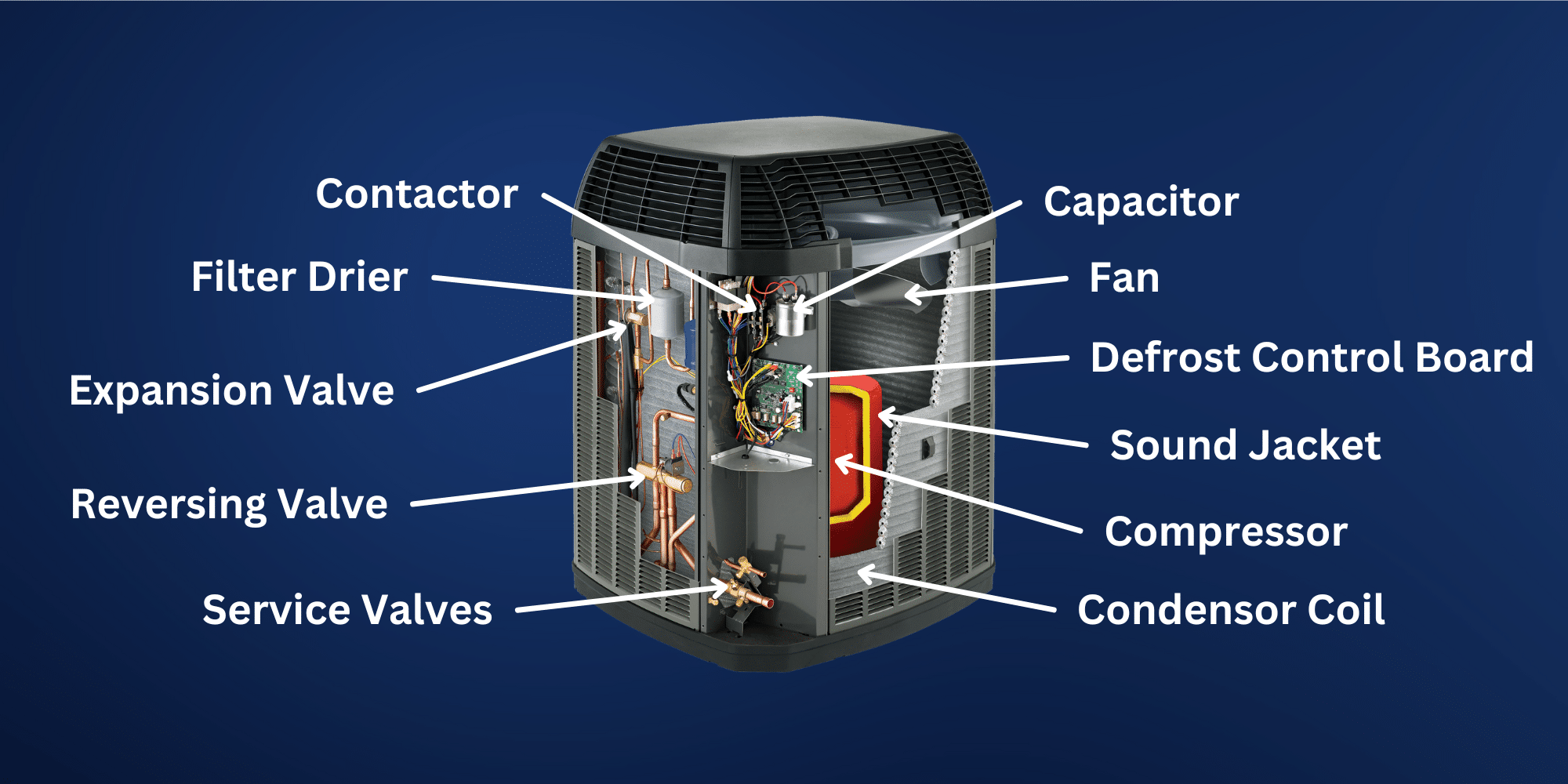
Heat pumps move heat instead of creating it. In winter, they pull heat from outside air and bring it inside. Even cold air contains some heat. In summer, the process reverses. Heat pumps move heat from inside your home to the outside. This keeps your house cool and comfortable year-round.
Heat pumps use a special fluid called refrigerant. The refrigerant absorbs and releases heat during the process. A compressor helps move the refrigerant through the system. This cycle runs efficiently, using less energy than many other systems.
Types Of Heat Pumps
There are several types of heat pumps available. Air-source heat pumps are the most common in Iowa. They use outside air to heat or cool your home. Ground-source heat pumps, also called geothermal, use the earth’s stable temperature. These are very efficient but cost more to install.
Another type is the ductless mini-split heat pump. It works well in homes without existing ductwork. Each type has advantages depending on your home and climate. Choosing the right one helps save energy and reduce bills.
Credit: www.watkinsheating.com
Benefits For Iowa Homes
Heat pumps offer many benefits for homeowners in Iowa. They work well in both cold winters and warm summers. These systems help keep homes comfortable while saving energy and money.
Understanding the benefits can help Iowa homeowners make smart choices for their heating and cooling needs.
Energy Efficiency
Heat pumps use electricity to move heat rather than create it. This process uses less energy than traditional heaters. In Iowa, this can lower electricity use during cold winters. Efficient energy use means less strain on the environment.
Year-round Comfort
Heat pumps provide both heating and cooling. They keep homes warm in winter and cool in summer. The system adjusts to outdoor temperatures quickly. This ensures steady indoor comfort throughout the year.
Cost Savings
Heat pumps reduce monthly energy bills by using less power. They need less maintenance than many heating systems. Over time, homeowners save money on repairs and energy. Installing a heat pump can be a smart investment.
Climate Considerations In Iowa
Iowa has a varied climate that affects home heating and cooling. Winters bring cold temperatures, while summers are warm and humid. Understanding these climate traits helps homeowners choose the right heat pump system. Heat pumps must handle both cold and humidity well to keep homes comfortable all year.
Handling Cold Winters
Winter in Iowa can be very cold, with temperatures often below freezing. Heat pumps work by moving heat from outside to inside, even in low temperatures. Modern heat pumps have improved technology to operate efficiently in cold weather. Some models use backup heating for the coldest days to keep your home warm. Proper insulation in your home also helps the heat pump perform better during winter.
Performance In Humid Summers
Summers in Iowa can feel sticky due to high humidity. Heat pumps cool your home by removing heat and moisture from the air. This helps reduce indoor humidity and keeps the air fresh. Efficient heat pumps adjust their cooling power based on the home’s needs. This saves energy and keeps your home comfortable during hot, humid days.

Credit: 1stchoicemechanicalaz.com
Installation Tips
Installing a heat pump in your Iowa home takes careful planning. A good installation makes your system work better and last longer. Follow these tips to get the best results from your heat pump.
Choosing The Right Size
Select a heat pump that fits your home size. A too-small pump struggles to heat or cool properly. A too-large pump wastes energy and increases costs. Professionals use home size and insulation to find the correct size. Proper sizing keeps your home comfortable and saves money.
Finding Qualified Installers
Hire experienced installers with heat pump knowledge. Check for proper licensing and good reviews. Skilled installers handle the setup carefully and follow local codes. Proper installation prevents problems and helps your system run smoothly. Ask for references to ensure quality work.
Maintenance And Longevity
Maintaining a heat pump is key to keeping it running well for many years. Proper care helps avoid costly repairs and keeps your home comfortable. Regular checks and simple tasks can extend the life of your heat pump significantly.
Understanding what to watch for helps you spot problems early. This means your heat pump works efficiently, saving energy and money.
Routine Maintenance Tasks
Clean or replace air filters every 1 to 3 months. Dirty filters block airflow and reduce efficiency. Clear debris around the outdoor unit to ensure good airflow. Check the thermostat settings to match your comfort needs. Inspect the condensate drain to prevent clogs and water damage. Schedule a professional inspection once a year for a full system check. These simple tasks keep your heat pump in good shape.
Signs Of Wear And Tear
Watch for strange noises like grinding or squealing. These sounds can indicate worn parts. Notice if your home is not heating or cooling evenly. This may mean the heat pump is struggling. Look for ice buildup on the outdoor unit during winter. Ice can block heat transfer and reduce performance. Higher energy bills without increased use can signal system inefficiency. Catching these signs early helps prevent bigger problems.

Credit: www.iowapublicradio.org
Incentives And Rebates
Heat pumps offer energy savings and comfort for Iowa homeowners. Incentives and rebates make installing heat pumps more affordable. These programs reduce the upfront cost and encourage cleaner energy use. Understanding available incentives helps homeowners plan their budget better.
Local And State Programs
Iowa offers several local and state incentives for heat pumps. Some utility companies provide rebates for energy-efficient systems. These rebates lower the purchase price directly. State programs may also offer grants or low-interest loans. Check with your city or utility provider for specific offers. Programs vary by location and change over time.
Federal Tax Credits
The federal government provides tax credits for heat pump installation. These credits reduce the amount of tax owed. The credit amount depends on the system’s efficiency and type. Homeowners can claim these credits on their annual tax returns. It is important to keep all receipts and documents. Tax credits make upgrading to a heat pump more affordable.
Common Myths Debunked
Many homeowners in Iowa have questions about heat pumps. Misunderstandings about their use and benefits are common. Clearing up these myths helps you make better decisions for your home.
Heat Pumps Vs. Traditional Hvac
Some think heat pumps work only in warm climates. This is not true. Heat pumps can heat and cool homes efficiently in Iowa’s cold weather. They move heat instead of creating it, saving energy. Traditional HVAC systems use fuel to create heat. Heat pumps use electricity to transfer heat, which can lower bills. Both systems have pros and cons, but heat pumps are reliable for year-round comfort.
Efficiency Misconceptions
Many believe heat pumps are expensive to run. Actually, they use less energy than many heaters. Heat pumps work best with proper insulation and maintenance. They can reduce energy use by up to 50%. People also think heat pumps lose heat in very cold weather. Modern heat pumps have improved technology to work well in low temperatures. Some models include backup heaters for the coldest days.
Frequently Asked Questions
What Is A Heat Pump And How Does It Work In Iowa Homes?
A heat pump moves heat from outside to inside your home. It heats in winter and cools in summer.
Are Heat Pumps Energy Efficient For Iowa’s Climate?
Yes, heat pumps use less electricity than traditional heaters, saving money on energy bills in Iowa.
Can Heat Pumps Handle Iowa’s Cold Winters Effectively?
Modern heat pumps work well even in cold Iowa winters by using advanced technology for warmth.
How Much Can Iowa Homeowners Save With Heat Pumps?
Homeowners can save up to 30-40% on heating costs by switching to heat pumps.
What Maintenance Do Heat Pumps Require In Iowa?
Regular filter cleaning and annual professional check-ups keep heat pumps running smoothly in Iowa.
Conclusion
Heat pumps offer Iowa homeowners a smart way to save energy and money. They work well in both cold winters and warm summers. Choosing the right system means better comfort all year. Maintenance keeps your heat pump running smoothly and lasting longer.
Understanding how heat pumps operate helps you make good decisions. Consider your home’s size and insulation before buying. A heat pump can lower utility bills and reduce your carbon footprint. Simple steps lead to warmer homes and cooler summers. Heat pumps are worth thinking about for Iowa living.