
Are you a homeowner in Pennsylvania looking for a smarter way to heat and cool your home? Heat pumps might be the solution you’ve been searching for.
They can save you money on energy bills and keep your home comfortable all year long. But before you make a decision, there are important things you need to know about how heat pumps work in Pennsylvania’s unique climate. Keep reading to discover the key facts that will help you choose the best heating system for your home and stay cozy no matter the season.
Heat Pump Basics
Heat pumps are becoming a popular choice for Pennsylvania homeowners. They offer an efficient way to heat and cool homes. Understanding the basics helps you make smart decisions about your home’s comfort and energy use.
Heat pumps work by moving heat instead of creating it. This process uses less energy than traditional heating methods. Learning how they operate and the types available can guide you in choosing the right system.
How Heat Pumps Work
Heat pumps transfer heat from outside to inside during winter. They reverse the process in summer, moving heat out to cool the home. This method uses electricity but saves energy compared to furnaces or air conditioners.
Inside, a heat pump has a coil that absorbs heat. A compressor moves the heat through the system. Fans then blow warm or cool air into your rooms. This cycle repeats to keep your home comfortable year-round.
Types Of Heat Pumps
There are several types of heat pumps to fit different homes. Air-source heat pumps are the most common. They take heat from the outside air to warm your home.
Ground-source, or geothermal, heat pumps use the earth’s stable temperature. They are very efficient but cost more to install. Water-source heat pumps use water bodies as a heat source, suitable for certain locations.
Choosing the right type depends on your home size, climate, and budget. Each type offers unique benefits for Pennsylvania homeowners.
Benefits For Pennsylvania Homes
Heat pumps offer several benefits for homeowners in Pennsylvania. These systems provide reliable heating and cooling throughout the year. They work well in the state’s climate, which has cold winters and warm summers. Understanding these benefits helps you make a smart choice for your home.
Energy Efficiency
Heat pumps use less energy than traditional heating systems. They move heat instead of creating it, which saves power. This efficiency reduces the amount of electricity needed to heat or cool your home. Pennsylvania homes can stay comfortable with lower energy use.
Cost Savings
Lower energy use means smaller utility bills. Heat pumps can cut heating and cooling costs significantly. Over time, you spend less money on energy. Maintenance costs are also low, which saves more money in the long run.
Environmental Impact
Heat pumps produce fewer greenhouse gases than oil or gas furnaces. Using less energy helps reduce your carbon footprint. This makes your home greener and helps protect the environment. Choosing a heat pump supports cleaner air and a healthier planet.
Climate Considerations
Pennsylvania has diverse weather. Summers can be warm, while winters get very cold. This affects how heat pumps work. Understanding climate factors helps homeowners choose the right system. It also prepares them for any challenges during cold months.
Performance In Cold Weather
Heat pumps pull heat from outside air. This works well in mild weather. But in very cold temperatures, their efficiency drops. The colder it gets, the harder the pump must work. Some models struggle below freezing. This can mean higher energy use or less heat inside.
Modern heat pumps handle cold better than old ones. Some can work efficiently even below 20°F. Still, extreme cold can reduce their output. Knowing this helps set realistic expectations for winter heating.
Adaptations For Pennsylvania Winters
Homeowners may need extra tools for cold months. A backup heating system often pairs with heat pumps. This ensures warmth during very cold days. Some use electric or gas heaters as a backup.
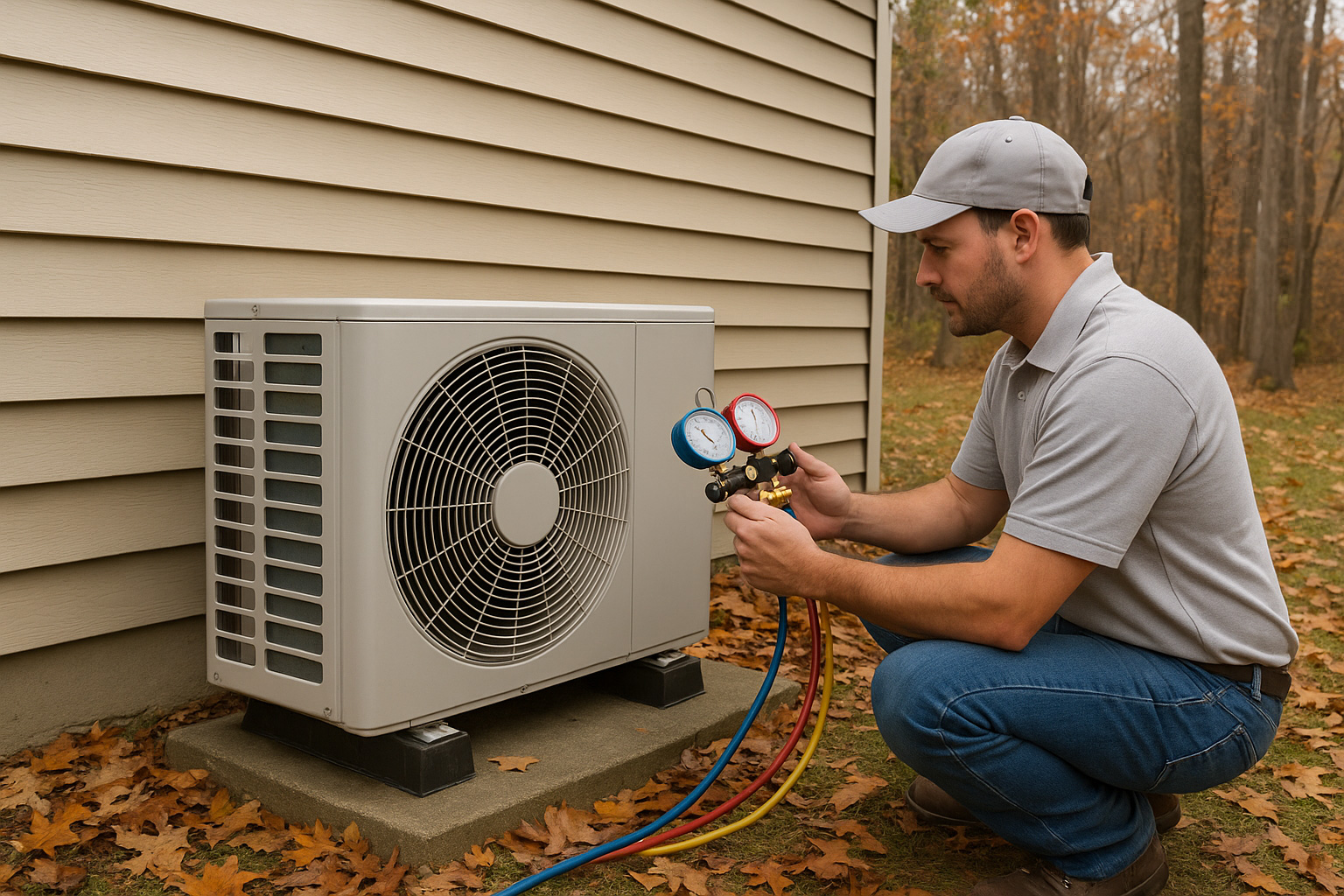
Proper installation matters. Heat pumps need space and airflow. Snow and ice should not block outdoor units. Regular maintenance keeps them running well. Insulating the home also reduces heat loss. These steps help heat pumps work better through winter.
Credit: www.regalplumbinginc.com
Installation Insights
Installing a heat pump in your Pennsylvania home takes careful planning. Proper installation is key to making the system work well and last long. Knowing what to expect helps you choose the right professionals and manage costs.
Finding Qualified Installers
Choose installers with experience in heat pumps and local climate. Check if they have proper licenses and good reviews. Ask about their past projects and customer satisfaction. Skilled installers ensure your heat pump runs efficiently and safely.
Installation Costs And Timeline
Costs vary based on home size and system type. Expect to pay for equipment, labor, and any extra work. Installation usually takes one to three days. Planning ahead helps avoid surprises and keeps your project on track.
Maintenance Tips
Proper maintenance helps heat pumps run smoothly and last longer. It also keeps energy bills low. Simple care steps can prevent big problems. Homeowners in Pennsylvania should know easy ways to maintain their heat pumps.
Routine Care
Check and clean the air filters every month. Dirty filters reduce airflow and efficiency. Clear leaves, dirt, and snow from outdoor units. Keep vents and registers free from dust and blockages. Schedule a professional inspection yearly to check refrigerant levels and electrical parts. Regular care helps avoid costly repairs.
Troubleshooting Common Issues
Listen for unusual noises like rattling or buzzing sounds. These may signal loose parts or motor problems. If the heat pump does not warm or cool well, check the thermostat settings. Make sure the outdoor unit is not frozen. Reset the system by turning it off and on after a few minutes. Call a technician if problems continue.
Credit: energyefficiencyalliance.org
Financial Incentives
Installing a heat pump can lower energy bills and reduce carbon footprint. Financial incentives help make this upgrade more affordable for Pennsylvania homeowners. These programs offer rebates and tax credits that cut the upfront cost. Understanding these incentives can help you save money and choose the right system for your home.
State And Local Rebates
Pennsylvania offers several rebates through state and local programs. These rebates reduce the purchase price of heat pumps. Some utility companies provide extra savings for customers who install energy-efficient systems. Checking with local energy offices can reveal available offers in your area. Applying early is important because funds may run out quickly.
Federal Tax Credits
The federal government supports heat pump installations with tax credits. These credits lower the amount of federal tax you owe. The credit covers a percentage of the equipment and installation costs. To qualify, the heat pump must meet certain energy efficiency standards. Claiming this credit requires filing IRS forms with your tax return.
Comparing Heat Pumps To Other Systems
Choosing the right heating and cooling system is important for Pennsylvania homeowners. Heat pumps offer a different approach compared to traditional systems. Understanding how heat pumps compare helps make a smart decision.
Heat Pumps Vs. Furnaces
Furnaces burn fuel to create heat. Heat pumps move heat from outside to inside your home. This process uses less energy.
Furnaces work well in very cold weather. Heat pumps can struggle if temperatures drop below freezing. Some models include backup heat for cold days.
Heat pumps provide both heating and cooling. Furnaces only heat. This makes heat pumps more versatile.
Installing a heat pump may cost more upfront. But lower energy bills can save money over time.
Heat Pumps Vs. Air Conditioners
Air conditioners cool your home by removing heat inside. Heat pumps can cool and heat by moving heat in or out.
Heat pumps replace both an air conditioner and a heater. This reduces the need for multiple systems.
Heat pumps use electricity and are more energy-efficient. Air conditioners only cool and rely on separate heating.
In mild climates, heat pumps work efficiently year-round. Pennsylvania’s changing seasons make heat pumps a good option.

Credit: penncapital-star.com
Choosing The Right Heat Pump
Choosing the right heat pump is important for comfort and savings. It affects your home’s heating and cooling efficiency. Knowing key factors helps you pick the best system for Pennsylvania weather. This guide explains what to consider when selecting a heat pump.
Sizing And Capacity
A heat pump must match your home’s size. Too small, and it can’t heat or cool well. Too large, and it wastes energy and money. A professional can calculate the right capacity based on your home’s square footage and insulation. Proper sizing ensures steady temperature and lower bills.
Energy Ratings And Features
Check the heat pump’s energy rating before buying. Look for a high Seasonal Energy Efficiency Ratio (SEER) and Heating Seasonal Performance Factor (HSPF). These numbers show how well the pump works year-round. Features like variable speed compressors save more energy. Modern models offer quieter operation and smart controls for convenience.
Frequently Asked Questions
What Is A Heat Pump And How Does It Work In Pennsylvania?
A heat pump moves heat from outside to inside your home. It heats and cools efficiently.
Are Heat Pumps Cost-effective For Pennsylvania Homeowners?
Heat pumps save money by using less energy than traditional heating systems in Pennsylvania.
Can Heat Pumps Handle Pennsylvania’s Cold Winters Effectively?
Modern heat pumps work well in cold weather, providing reliable heat during Pennsylvania winters.
How Much Does Installing A Heat Pump Cost In Pennsylvania?
Installation costs vary but generally range between $3,000 and $7,000 depending on home size.
What Maintenance Do Heat Pumps Require In Pennsylvania Homes?
Heat pumps need regular filter changes and annual professional check-ups to run smoothly.
Conclusion
Heat pumps offer an efficient way to heat and cool homes in Pennsylvania. They save energy and reduce utility bills. Homeowners should consider local climate and installation costs. Maintenance keeps heat pumps working well for years. Choosing the right system ensures comfort during all seasons.
Understanding these basics helps make smart decisions for your home. Heat pumps can be a practical choice for many families. Think about your needs and budget before deciding. The right heat pump can improve your home’s energy use.