
If you’re a homeowner in Oklahoma, you know how quickly the seasons can change—from chilly winters to hot, humid summers. Finding the right way to keep your home comfortable year-round is important.
That’s where heat pumps come in. But before you decide to install one, there are key things you need to understand to make the best choice for your home and your wallet. Keep reading to discover what heat pumps really do, how they work in Oklahoma’s unique climate, and why they might be the perfect solution for your comfort and energy savings.
Don’t miss out on this essential information that could change the way you heat and cool your home.
Heat Pump Basics
Heat pumps offer an efficient way to heat and cool your home. Understanding how they work helps homeowners make better choices. Heat pumps move heat rather than create it. This makes them energy-efficient and cost-effective. Below are the basics every homeowner in Oklahoma should know.
How Heat Pumps Work
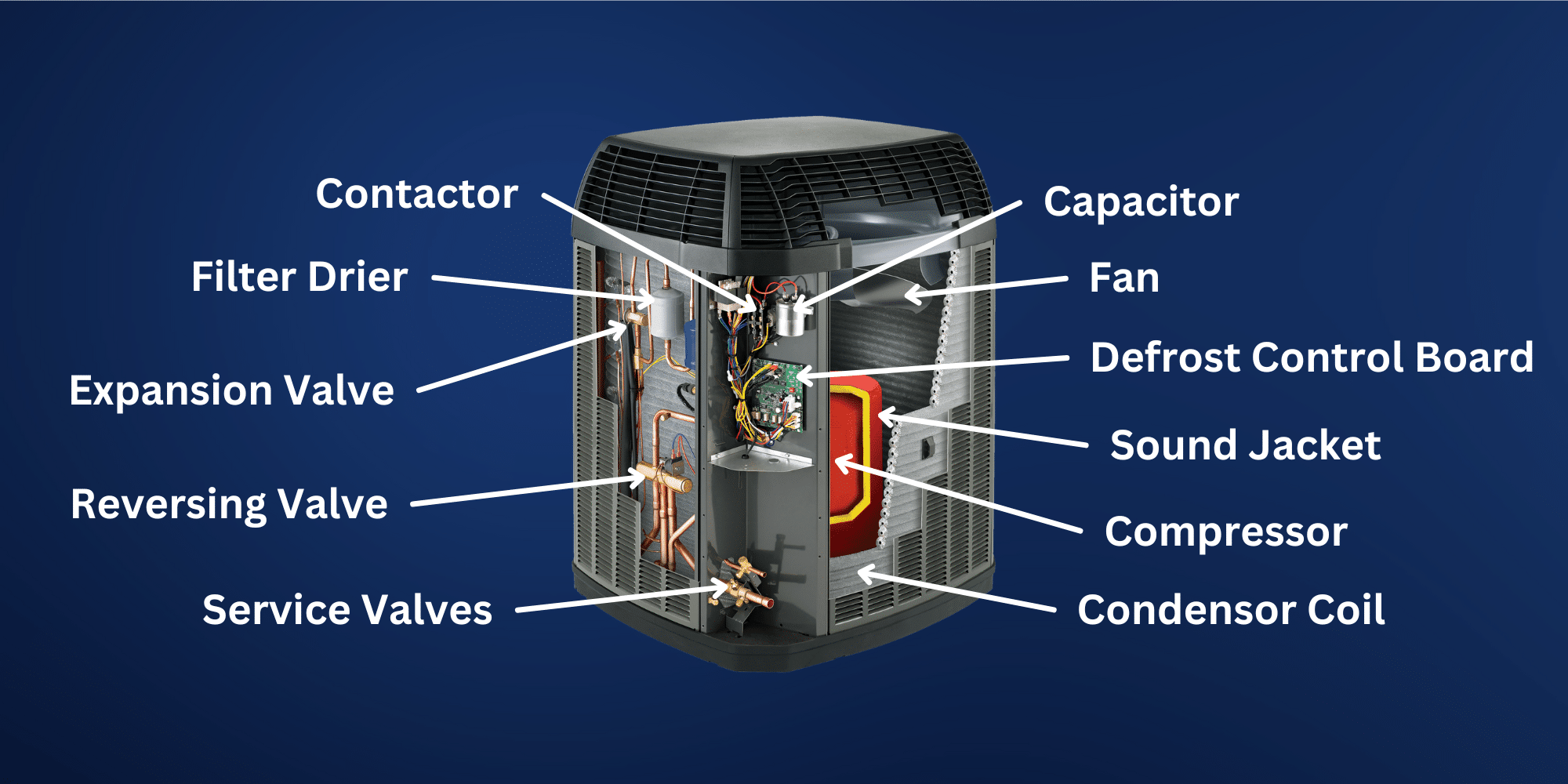
Heat pumps transfer heat from one place to another. In cold weather, they pull heat from outside air. This heat warms your home. In warm weather, they remove heat from inside. This cools your home like an air conditioner. Heat pumps use a refrigerant to carry heat. A compressor and fan help move the heat efficiently. This process uses less energy than traditional heaters.
Types Of Heat Pumps
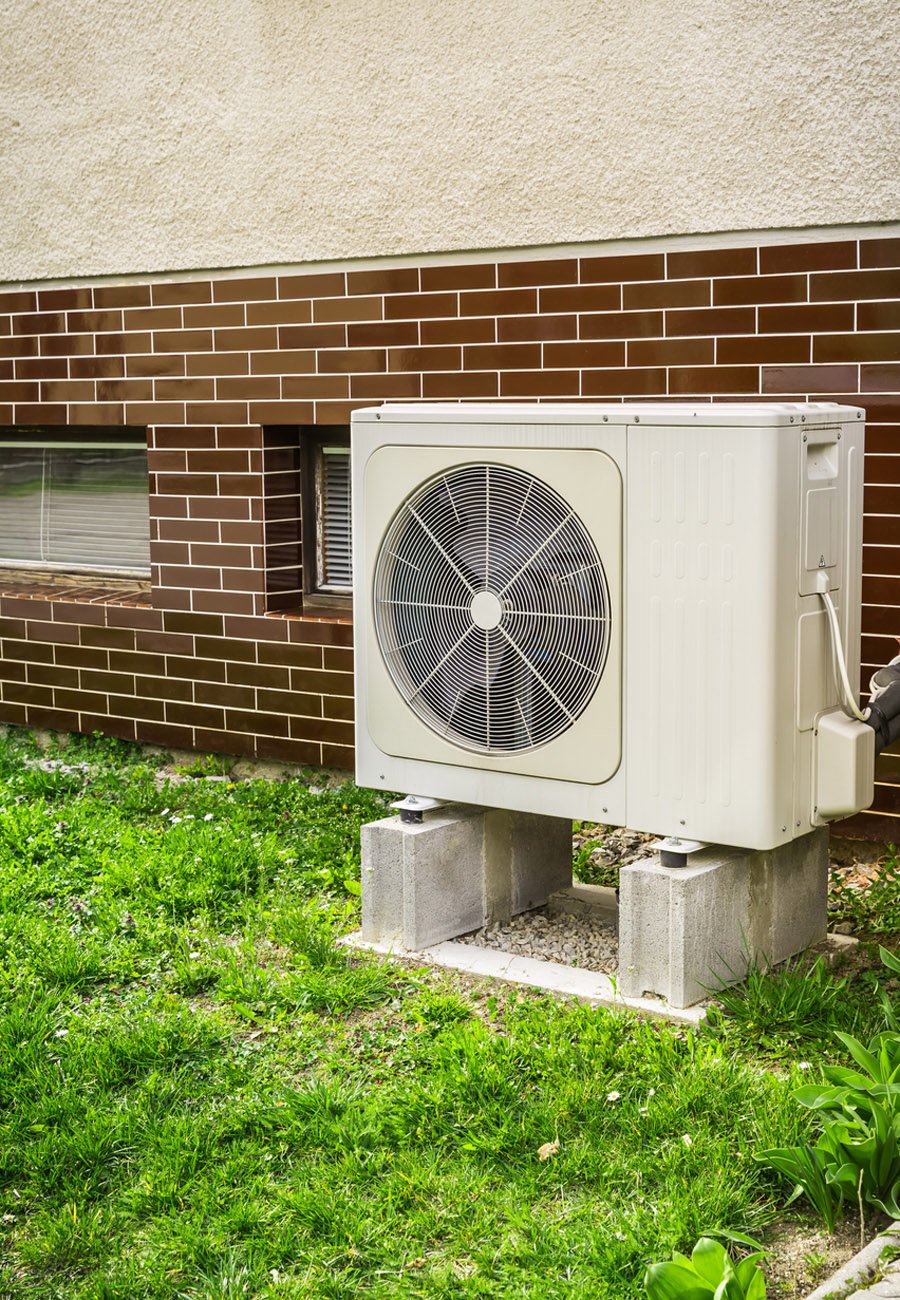
There are several types of heat pumps to choose from. Air-source heat pumps are the most common. They take heat from outdoor air and bring it inside. Ground-source heat pumps use the earth’s steady temperature. These are called geothermal heat pumps. They are very efficient but cost more to install. Water-source heat pumps use nearby water sources. The choice depends on your home and climate. Oklahoma homeowners often prefer air-source models.
Credit: www.rheem.com
Benefits For Oklahoma Homes
Heat pumps bring many benefits to homes in Oklahoma. These systems work well in the state’s changing weather. They provide both heating and cooling in one unit. This makes them a smart choice for homeowners. Understanding their benefits helps you decide if a heat pump fits your home.
Oklahoma homes can gain from improved comfort, lower energy bills, and energy savings. Heat pumps offer reliable performance throughout the year. They use less energy than traditional heating and cooling systems. This helps protect the environment and your wallet.
Energy Efficiency
Heat pumps use electricity to move heat, not create it. This method uses less energy than furnaces or air conditioners. They provide up to three times more heat than electric heaters. This saves energy and reduces your monthly bills. Oklahoma’s mild winters help heat pumps work efficiently most days.
Year-round Comfort
Heat pumps heat your home in winter and cool it in summer. This keeps your indoor temperature steady and comfortable. They adjust quickly to changes in weather. Quiet operation means less noise inside your home. You get a cozy home all year without extra equipment.
Cost Savings
Installing a heat pump can lower your energy costs. They use less electricity than traditional systems. Lower energy use means smaller utility bills every month. Many local programs offer rebates for heat pump installation. Over time, the savings cover the initial cost of the system.
Climate Suitability
Choosing the right heating and cooling system depends on local climate. Oklahoma has hot summers and cold winters. Understanding how heat pumps work in this climate helps homeowners make smart choices. Heat pumps move heat instead of creating it. This makes them efficient in many weather conditions.
Let’s explore how heat pumps perform in Oklahoma’s weather and handle extreme temperatures.
Performance In Oklahoma Weather
Oklahoma has warm summers and chilly winters. Heat pumps cool homes well during hot months. They also provide heat in winter but may need backup heating in very cold weather. Heat pumps work best when temperatures stay above freezing most days. This suits Oklahoma’s mild winter climate. They save energy by using outside air to heat or cool your home.
Handling Extreme Temperatures
Oklahoma sometimes faces cold snaps below freezing. During these times, heat pumps may struggle to keep up. Some models include a backup heater for extra warmth. Modern heat pumps are designed to work better in cold weather than older ones. They adjust their operation to keep your home comfortable. Proper installation and maintenance improve performance in extreme weather.
Installation Considerations
Installing a heat pump in your Oklahoma home requires careful planning. Proper installation affects its efficiency and lifespan. Understanding key factors helps avoid costly mistakes.
Size and professional setup are two critical points. Both play a big role in how well your system works.
Choosing The Right Size
Heat pumps must match your home’s size and layout. A unit too small will struggle to heat or cool your space. Too large, and it wastes energy and money.
Experts use specific calculations to find the perfect size. They consider square footage, insulation, and climate. This ensures your home stays comfortable year-round.
Professional Installation Tips
Always hire a certified technician for installation. They know local codes and safety standards. Proper handling prevents damage and ensures the system runs smoothly.
Technicians check your electrical system and ductwork. They make necessary adjustments for optimal airflow. Proper placement of the outdoor unit is also important to avoid noise and dirt.
Correct installation helps your heat pump save energy. It reduces repair costs and extends the unit’s life.
Maintenance Tips
Proper maintenance keeps your heat pump working well all year. It helps save money on energy bills and avoids costly repairs. Small steps done regularly make a big difference in performance and lifespan.
Routine Care
Check and replace air filters every one to three months. Clean filters improve airflow and efficiency. Keep the outdoor unit free of leaves, dirt, and debris. Trim plants at least two feet away from the unit. Inspect the condensate drain to prevent clogs. Schedule a professional tune-up once a year for thorough cleaning and inspection.
Troubleshooting Common Issues
Strange noises often mean debris or loose parts. Turn off the power and check the outdoor unit. Poor heating or cooling may indicate dirty filters or low refrigerant. Reset the thermostat to rule out simple errors. Ice buildup on the coils can happen in cold weather. Turn off the system and let the ice melt. Call a technician if problems persist or you smell burning. Early action avoids bigger damage and high repair costs.
Credit: www.watkinsheating.com
Incentives And Rebates
Heat pumps offer an energy-efficient way to heat and cool homes. Many Oklahoma homeowners benefit from special incentives and rebates. These programs help reduce the initial cost of installing heat pumps. Knowing about available offers can save money and encourage smarter energy use.
Available Programs In Oklahoma
Oklahoma offers several rebate programs for heat pump installations. Utility companies like OG&E and Public Service Company provide cash rebates. These programs support energy-saving home upgrades. Some local governments also offer financial help for heat pump purchases.
Federal tax credits apply to qualified heat pump systems. These credits lower the tax bill by a percentage of the cost. Check if your heat pump model qualifies for this credit. Combining state, local, and federal offers maximizes savings.
How To Apply
Start by contacting your utility provider for rebate details. They often require pre-approval before installation. Save all receipts and documents related to your heat pump. Submit these along with the rebate application form.
For federal tax credits, fill out IRS Form 5695 with your tax return. Keep proof of purchase and installation handy. Applications usually have deadlines, so apply promptly. Following instructions closely helps ensure approval and faster payouts.
Comparing Alternatives
Choosing the right heating and cooling system matters for Oklahoma homeowners. Heat pumps and traditional HVAC systems both offer ways to keep your home comfortable. Understanding their differences helps you pick the best option for your needs. This section compares heat pumps with traditional HVAC systems and highlights their pros and cons.
Heat Pumps Vs. Traditional Hvac
Heat pumps move heat instead of creating it. They work well in mild winters like Oklahoma’s. Heat pumps provide both heating and cooling in one unit. Traditional HVAC systems use separate units for heating and cooling. Furnaces burn fuel to create heat. Air conditioners cool by removing heat from inside.
Heat pumps use electricity and can save energy. Furnaces use gas, oil, or electricity. Heat pumps are more efficient in moderate climates. Traditional systems perform better in very cold weather. Maintenance needs differ. Heat pumps require less upkeep overall.
Pros And Cons
Heat pumps offer lower energy bills and less pollution. They provide steady temperatures throughout the year. Installation costs can be higher than some HVAC systems. Heat pumps may struggle during extreme cold spells.
Traditional HVAC units have lower upfront costs. They work well in very cold weather. Furnaces can heat quickly and powerfully. They require regular maintenance and fuel costs add up. Cooling with separate air conditioners increases energy use.
Credit: robinsonairhvac.com
Frequently Asked Questions
What Is A Heat Pump And How Does It Work?
A heat pump moves heat between indoors and outdoors to warm or cool your home.
Are Heat Pumps Energy Efficient In Oklahoma’s Climate?
Yes, heat pumps save energy by using less electricity than traditional heaters.
Can A Heat Pump Handle Oklahoma’s Cold Winters?
Modern heat pumps work well even in Oklahoma’s mild to cold winters.
How Much Can I Save On Energy Bills With A Heat Pump?
Heat pumps can lower heating and cooling costs by 30% to 50%.
What Maintenance Does A Heat Pump Require For Best Performance?
Regular filter changes and annual professional check-ups keep heat pumps running smoothly.
Conclusion
Choosing the right heat pump can save money and energy. Oklahoma’s climate suits heat pumps well for most seasons. They provide both heating and cooling in one system. Proper maintenance keeps them working efficiently year-round. Understand the costs, benefits, and installation needs before deciding.
A good heat pump adds comfort to your home. Think about long-term savings and environmental impact. Take time to research and ask local experts for advice. Your home will feel comfortable with the right heat pump. Simple steps lead to better heating and cooling results.