
If you’re a homeowner in Michigan, you know how important it is to keep your home warm during those long, cold winters. But have you ever wondered if there’s a smarter, more efficient way to heat your house?
Heat pumps might be the answer you’ve been looking for. They can save you money, reduce your energy use, and keep your home comfortable year-round. You’ll discover everything you need to know about heat pumps and why they could be the perfect fit for your Michigan home.
Keep reading—you might be surprised at how much a heat pump can change your heating experience.
Heat Pumps Basics
Heat pumps are a smart way to heat and cool homes in Michigan. They use less energy than traditional systems. This saves money on bills and helps the environment. Understanding how heat pumps work can help homeowners decide if they are the right choice.
Heat pumps move heat instead of creating it. This makes them efficient in both cold and warm weather. Knowing the different types of heat pumps helps homeowners pick the best one for their needs.
How Heat Pumps Work
Heat pumps transfer heat from one place to another. In winter, they take heat from outside air and move it indoors. Even cold air has some heat energy. The pump captures this heat and warms the house.
In summer, heat pumps work like air conditioners. They pull heat from inside the house and release it outside. This keeps the home cool and comfortable year-round.
Types Of Heat Pumps
Air-source heat pumps are the most common. They use outside air as the heat source or sink. These work well in many Michigan homes.
Ground-source or geothermal heat pumps use the earth’s constant temperature. Pipes are buried underground to absorb or release heat. These systems are very efficient but cost more upfront.
Water-source heat pumps use water from lakes or wells. They are less common but very effective in certain areas.

Credit: planetdetroit.org
Benefits For Michigan Homes
Heat pumps offer many benefits for homes in Michigan. They work well in cold and warm weather. Homeowners can enjoy better comfort and lower energy bills. These systems also help protect the environment. Understanding the key benefits helps decide if a heat pump is right for your home.
Energy Efficiency
Heat pumps use less energy than traditional heating systems. They move heat instead of creating it, saving power. This makes them very efficient in Michigan’s climate. Even in cold winters, modern heat pumps keep homes warm. Using less energy means lower utility bills every month.
Cost Savings
Installing a heat pump can reduce heating costs significantly. Many homes spend less on electricity and gas. Heat pumps also cool your home in summer, cutting cooling costs. Over time, savings add up and pay for the system. Some local programs offer rebates, lowering upfront costs.
Environmental Impact
Heat pumps produce fewer greenhouse gases than traditional heaters. They rely on electricity, which can come from clean sources. Using a heat pump reduces your home’s carbon footprint. This helps protect Michigan’s environment and air quality. Choosing a heat pump supports a healthier planet.
Climate Compatibility
Heat pumps are popular for home heating and cooling. Their ability to work in different climates matters a lot in Michigan. The state has cold winters and warm summers. Knowing how heat pumps handle these changes helps homeowners choose the right system. Climate compatibility is key for comfort and efficiency.
Performance In Cold Weather
Heat pumps pull heat from outside air to warm your home. Cold air has less heat, so performance drops as temperature falls. Modern heat pumps can work efficiently even in temperatures below freezing. Some models keep working well down to 5°F or lower. This means they can handle most Michigan winter days without extra heat sources.
Older heat pumps may struggle in very cold weather. They might need backup heating to keep your home warm. Choosing a heat pump designed for cold climates ensures better reliability. It also helps reduce energy bills during winter.
Adapting To Michigan Winters
Michigan winters bring snow and ice. Heat pumps need protection to work well in this weather. Proper installation with good drainage prevents ice buildup on the outdoor unit. Regular maintenance keeps the system running smoothly through winter.
Some heat pumps come with defrost cycles. These remove ice from the outdoor coil automatically. This feature helps maintain heating efficiency. Combining a heat pump with a backup furnace is a smart choice for very cold days. It ensures your home stays warm no matter how low the temperature drops.
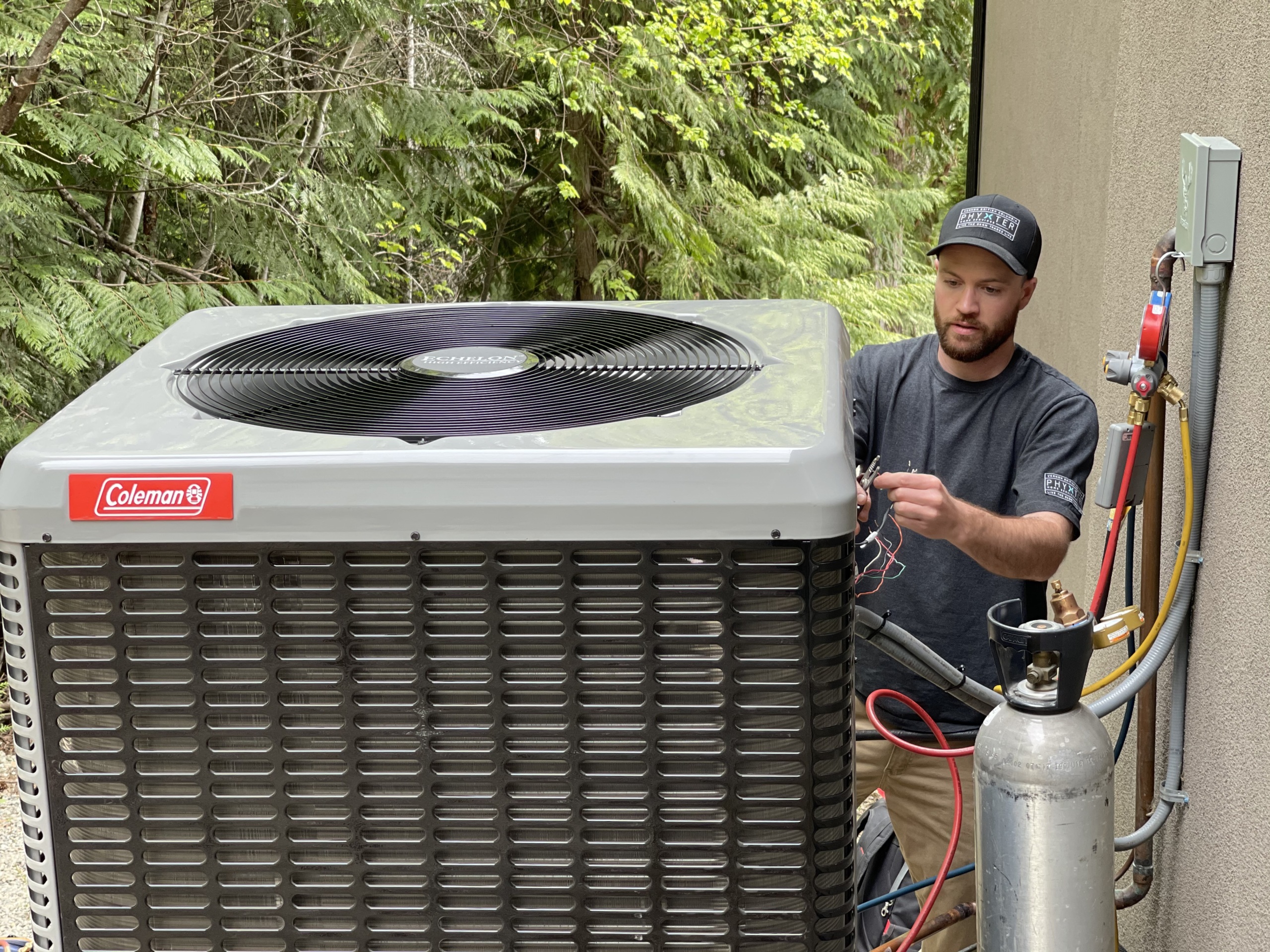
Credit: environmentamerica.org
Installation Considerations
Installing a heat pump in Michigan needs careful planning. The cold winters and hot summers affect which system works best. Proper installation ensures the heat pump runs efficiently and lasts longer. Homeowners should consider several factors before starting the installation process.
Choosing The Right System
Select a heat pump designed for cold climates. Some models handle Michigan’s low temperatures better. Check the unit’s heating capacity to match your home size. Consider both air-source and ground-source heat pumps. Ground-source units can be more efficient but cost more to install. Choose a system that fits your budget and energy needs.
Professional Installation Tips
Hire a licensed HVAC professional with heat pump experience. Proper placement of the outdoor unit is crucial. It should have space for airflow and be away from snow buildup. Insulate all refrigerant lines to prevent energy loss. Ensure the indoor unit is compatible with your home’s ductwork. Test the system thoroughly after installation for best performance.
Maintenance And Longevity
Heat pumps offer efficient heating and cooling for Michigan homes. Keeping them well-maintained ensures they work smoothly for many years. Regular care helps avoid costly repairs and keeps energy bills low. Understanding basic maintenance and spotting problems early can save money and stress.
Routine Maintenance Tasks
Clean or replace air filters every 1 to 3 months. Dirty filters reduce airflow and strain the system. Check and clear debris around the outdoor unit. Leaves and dirt block airflow and lower efficiency. Inspect the condensate drain for clogs to prevent water damage. Schedule a professional tune-up once a year. A technician checks refrigerant levels, electrical connections, and system performance. Keep vents and registers clean and unblocked for proper airflow. These simple tasks keep your heat pump running well and lasting longer.
Signs Of Repair Needs
Watch for unusual noises like grinding, squealing, or rattling. Strange sounds may mean worn parts or loose components. Notice if the system struggles to heat or cool your home. Inconsistent temperatures can signal a failing compressor or refrigerant leak. Check for higher energy bills without increased use. This often points to reduced efficiency or hidden damage. Look for water pooling around the unit, which may mean a drain issue. Early repairs prevent bigger problems and extend your heat pump’s life.
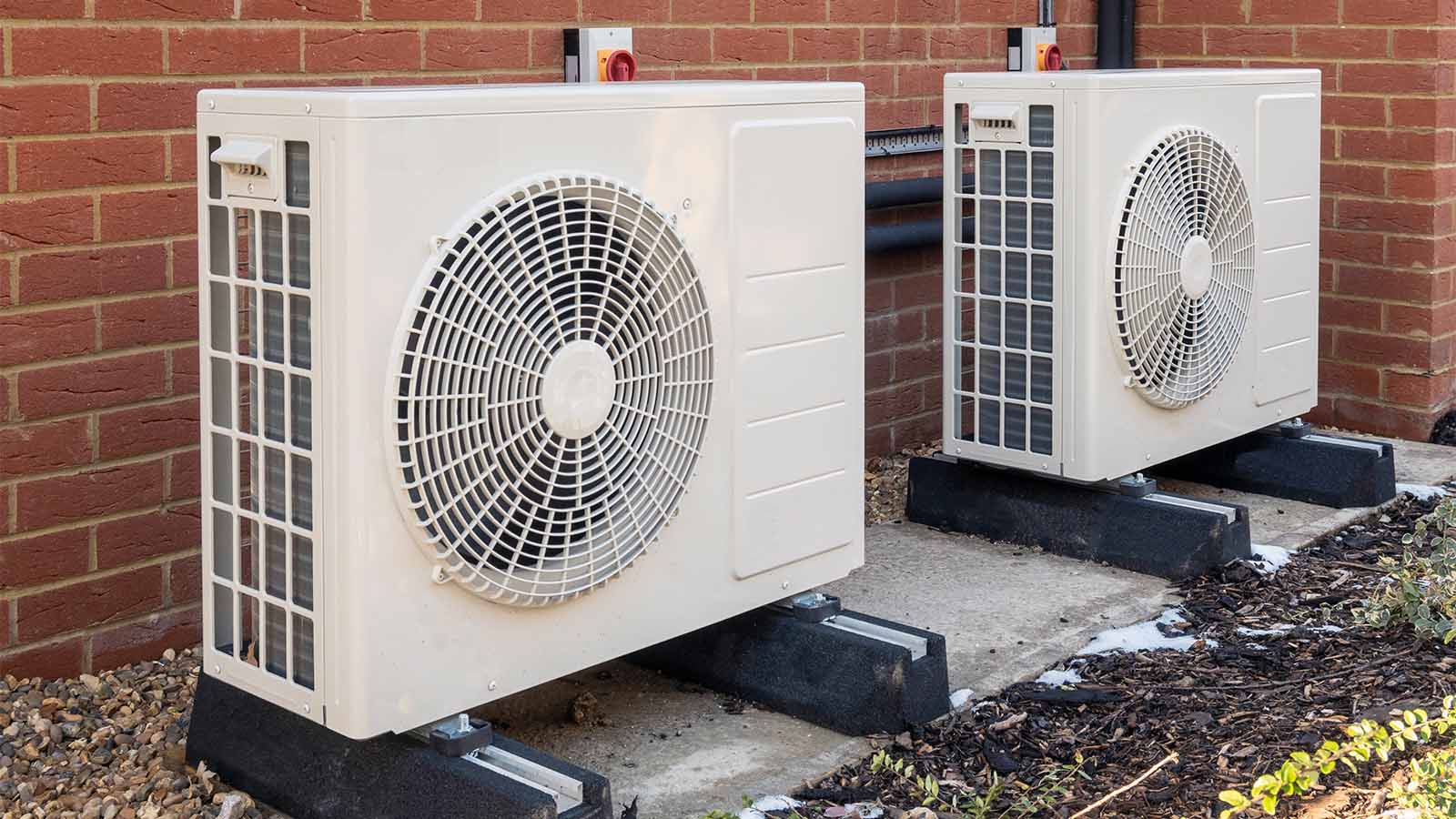
Credit: home.howstuffworks.com
Financial Incentives
Heat pumps can lower your energy bills and help the environment. Financial incentives make them more affordable for Michigan homeowners. These programs reduce the upfront cost and save money over time. Knowing about these options helps you plan your budget wisely.
Rebates And Tax Credits
Michigan offers rebates to encourage heat pump installation. These rebates cut down the initial price. The federal government also provides tax credits for energy-efficient heat pumps. Tax credits lower your tax bill after purchase. Both rebates and tax credits make heat pumps easier to buy.
Utility Company Programs
Many utility companies in Michigan run special programs. These programs give discounts or rebates for heat pump upgrades. Some utilities offer low-interest loans to spread out costs. They may also provide free energy audits to check your home’s needs. Utility programs support homeowners in saving energy and money.
Common Challenges
Heat pumps offer many benefits but come with some challenges. Knowing these helps homeowners make smart choices. Some issues are common in Michigan’s climate. Understanding them improves comfort and system life.
Potential Drawbacks
Heat pumps can struggle in very cold weather. Their efficiency drops as temperatures fall below freezing. This may lead to higher energy use. Some models need a backup heat source.
Installation costs can be higher than traditional systems. Improper installation causes poor performance. Noise from the outdoor unit can bother some people. Regular maintenance is necessary to avoid problems.
Troubleshooting Tips
Check the air filter regularly. Dirty filters reduce airflow and efficiency. Clear snow and debris from the outdoor unit. This keeps the system running smoothly.
Listen for unusual sounds. Buzzing or rattling may indicate a problem. Reset the system by turning it off and on. If issues persist, call a professional technician.
Monitor your energy bills. Sudden spikes may signal system trouble. Regular inspections help catch issues early. Simple steps keep your heat pump working well.
Comparing Alternatives
Choosing the right heating and cooling system is important for Michigan homes. Different systems offer various benefits and costs. Comparing options helps homeowners find the best fit for their needs and budget.
Heat pumps are becoming popular, but traditional HVAC and hybrid systems remain common. Understanding these alternatives helps make a smart choice.
Heat Pumps Vs Traditional Hvac
Traditional HVAC systems use separate heaters and air conditioners. They burn fuel or use electricity to produce heat. Heat pumps move heat instead of creating it. This makes heat pumps more energy efficient in many cases.
Heat pumps cool homes in summer and warm them in winter. Traditional systems may work better in very cold weather. Heat pumps perform best in moderate climates but new models handle cold well. Heat pumps usually cost less to run over time.
Hybrid Systems
Hybrid systems combine heat pumps with traditional furnaces. They switch between the two based on outdoor temperature. This saves energy by using the heat pump in mild weather. The furnace kicks in only during extreme cold.
Hybrid systems offer a balance of comfort and savings. They adapt to Michigan’s changing seasons. This option may suit homeowners who want efficiency with backup heat.
Frequently Asked Questions
What Is A Heat Pump And How Does It Work?
A heat pump moves heat between indoors and outdoors to warm or cool your home efficiently.
Are Heat Pumps Effective In Michigan’s Cold Winters?
Yes, modern heat pumps work well even in cold Michigan weather with proper installation.
How Much Can I Save On Energy With A Heat Pump?
Heat pumps use less energy than traditional heating, cutting your utility bills significantly.
Do Heat Pumps Require Special Maintenance Or Care?
Regular filter changes and annual check-ups keep heat pumps running smoothly and efficiently.
Can A Heat Pump Replace My Current Heating System?
Yes, heat pumps can replace furnaces or boilers and provide both heating and cooling.
Conclusion
Heat pumps offer an efficient way to heat and cool homes in Michigan. They can lower energy bills and reduce environmental impact. Homeowners should consider local climate and installation costs. Regular maintenance keeps heat pumps working well for years. Choosing the right system ensures comfort throughout all seasons.
Understanding these basics helps make smart decisions for your home. Heat pumps provide reliable heating during cold Michigan winters. They also cool your home comfortably in the summer. Simple and effective solutions like these improve home energy use.