
Your furnace is the heart of your home’s warmth during those cold Wisconsin winters. When it starts acting up, you face a tough choice: should you repair it or replace it?
This decision isn’t just about cost—it affects your comfort, safety, and energy bills. You’ll discover clear signs that tell you when it’s time to fix your furnace and when it’s smarter to invest in a new one. Keep reading to make the best choice for your home and stay warm without wasting money.
Credit: www.seider.com
Signs Your Furnace Needs Attention
Your furnace works hard to keep your home warm during Wisconsin’s cold months. It may not always show obvious problems early. Small signs can warn you that your furnace needs attention. Catching these signs helps avoid bigger issues and higher costs.
Knowing what to watch for makes a big difference. Listen, watch, and check your furnace often. Here are some key signs that mean it is time to repair or replace your furnace.
Unusual Noises And Smells
Strange sounds from your furnace should never be ignored. Banging, rattling, or squealing noises can mean parts are loose or worn out. A burning smell or strange odors may signal electrical problems or dust burning inside. These signs need quick attention to avoid safety risks.
Inconsistent Heating
Some rooms may feel warmer than others. Your furnace might turn on and off too often. Uneven heat or cold spots show the system is not working well. Poor heating means your furnace is struggling and might fail soon. This issue hurts your comfort during cold days.
Rising Energy Bills
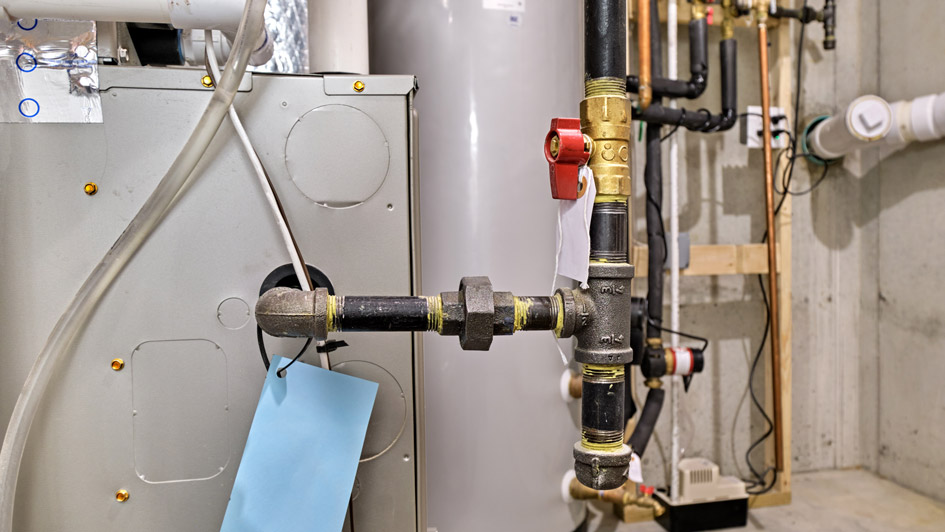
Sudden increases in your heating bills can be a warning. A furnace that runs inefficiently uses more energy to warm your home. Old or damaged parts waste fuel and electricity. Higher bills mean your furnace needs repair or replacement to save money.
Credit: www.bragerheating.com
Factors Influencing Repair Decisions
Deciding whether to repair or replace your furnace depends on several key factors. These factors help you understand the condition of your furnace and what makes the most sense for your home. Paying attention to these details saves you money and keeps your home warm and safe during Wisconsin winters.
Age Of The Furnace
Older furnaces often need more repairs and use more energy. Most furnaces last about 15 to 20 years. If your furnace is older than this, repairs might not be worth it. Newer furnaces work better and cost less to run.
Cost Of Repairs
Repair costs can add up quickly. Small fixes are usually fine. But if the repair costs more than half the price of a new furnace, replacement might be smarter. Big repairs on old furnaces may only delay the need for a new one.
Frequency Of Breakdowns
Frequent breakdowns mean your furnace is failing. Constant repairs cause stress and higher bills. A furnace that breaks down often wastes energy and may not heat your home well. Replacing it can give you peace of mind and consistent warmth.
When Replacement Makes More Sense
Deciding when to replace your furnace instead of repairing it can save money and stress. Some signs clearly show replacement is the better choice. This section explains key reasons why replacing your furnace makes more sense for Wisconsin homeowners. These reasons include outdated technology, safety concerns, and long-term savings.
Outdated Technology And Efficiency
Old furnaces use more fuel and waste energy. New models have better technology and run efficiently. Upgrading means your home stays warm without high energy bills. Older units may struggle to heat your whole home evenly. Modern furnaces provide consistent heat and reduce your carbon footprint.
Safety Concerns
Furnaces that are old or damaged can become dangerous. Cracks in the heat exchanger can leak carbon monoxide, a deadly gas. Faulty wiring or worn parts increase fire risk. New furnaces meet strict safety standards and include updated features. Protect your family by replacing a furnace with safety issues.
Long-term Savings
Repairing an old furnace often costs more over time. Frequent breakdowns mean repeated repair bills. New furnaces may cost more upfront but save money later. They use less energy and require less maintenance. Investing in a new furnace reduces monthly heating costs and future expenses.
Cost Comparison: Repair Vs Replacement
Deciding between repairing or replacing your furnace involves understanding the costs. Homeowners in Wisconsin face chilly winters, so this choice impacts comfort and budget. Comparing costs helps make a smart decision.
Short-term Expenses
Repairing a furnace usually costs less upfront. Fixing parts or small issues can be affordable. A repair might be a few hundred dollars. Replacement costs are higher, often thousands. Repair saves money right now but might not last long.
Long-term Investment
Replacing a furnace is a bigger expense initially. New furnaces use less energy and need fewer repairs. This lowers heating bills over time. Old furnaces can break down more often. Repair costs can add up quickly. Replacement can save money in the long run.
Impact On Home Value
A new furnace adds value to your home. Buyers see a new system as a benefit. It can make selling easier and faster. An old, repaired furnace may lower home appeal. Investing in replacement can improve your home’s market price.
Energy Efficiency And Environmental Impact
Energy efficiency plays a big role in choosing between repairing or replacing your furnace. A more efficient furnace uses less fuel and saves money on heating bills. It also helps protect the environment by reducing harmful emissions.
Older furnaces often waste energy and release more carbon into the air. Newer models are designed to be much cleaner and more efficient. This means less pollution and a smaller carbon footprint for your home in Wisconsin.
Modern Furnace Benefits
Modern furnaces run quietly and use fuel very efficiently. They heat your home evenly and reduce energy waste. These units often last longer and need fewer repairs. Choosing a new furnace can bring comfort and savings every winter.
Energy Star Ratings
Energy Star labels show which furnaces save the most energy. These products meet strict government standards for efficiency. A furnace with an Energy Star rating uses less fuel to heat your home. This lowers your energy bills and helps the planet.
Reducing Carbon Footprint
Replacing an old furnace cuts down carbon emissions from your home. Cleaner burning units release fewer greenhouse gases. This change helps slow climate change and improve local air quality. Upgrading your furnace is a smart step for a greener future.
Choosing The Right Furnace For Wisconsin Homes
Choosing the right furnace for Wisconsin homes is very important. The cold winters demand a heating system that works well and lasts long. A good furnace keeps your home warm and safe during chilly months. It also helps save energy and reduce heating costs. This section covers key points to help you pick the best furnace for your home.
Climate Considerations
Wisconsin winters are cold and long. Temperatures can drop below zero. Your furnace must handle very cold weather. Look for models with high efficiency and strong heating power. A reliable furnace prevents cold spots inside your home. It keeps your family comfortable all winter.
Fuel Types And Availability
Furnaces use different fuels like natural gas, propane, or electricity. Natural gas is common and usually cheaper in Wisconsin. Propane is a good option if gas lines are not available. Electric furnaces are easy to install but may cost more to run. Choose a fuel type that fits your home’s setup and budget.
Sizing And Installation
Correct furnace size is key for comfort and efficiency. A furnace too small won’t heat well. One too big wastes energy. Professionals use home size and insulation to find the right size. Proper installation ensures the furnace works safely and lasts longer. Always hire a certified technician for installation.
Maintenance Tips To Extend Furnace Life
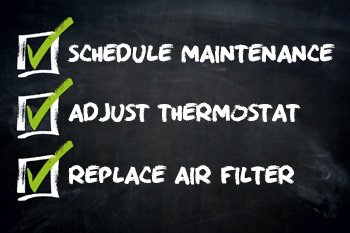
Proper maintenance helps your furnace last longer and run better. It saves money by reducing repair needs and keeping energy use low. Simple steps can keep your furnace in good shape through Wisconsin winters.
Regular Inspections
Check your furnace at least once a year. Look for signs of rust, leaks, or strange noises. Early detection of problems prevents big repairs. Inspect the vents and ducts for blockages or damage. A quick look can keep your furnace safe and efficient.
Filter Replacement
Change the furnace filter every 1 to 3 months. A clean filter improves air flow and keeps dust out. Dirty filters make your furnace work harder and use more energy. Regular filter changes reduce wear and tear on parts. It’s a simple step with big benefits.
Professional Servicing
Hire a qualified technician once a year for a full checkup. They clean parts, check gas pressure, and test safety controls. Professionals find hidden problems before they cause breakdowns. Annual service keeps your furnace running safely and efficiently. Trust experts to protect your home comfort.
Financial Assistance And Incentives
Replacing or repairing your furnace can be costly. Financial help and incentives ease this burden. These options reduce your upfront costs and make upgrades affordable. Wisconsin offers several programs to support homeowners with furnace expenses.
Local Rebates And Programs
Many Wisconsin utility companies provide rebates for energy-efficient furnaces. These rebates lower the price of a new furnace. Some local programs also offer free or discounted home energy assessments. These checks help find the best furnace option for your home.
Tax Credits
Federal and state governments offer tax credits for energy-saving home improvements. Installing an ENERGY STAR furnace may qualify for these credits. Tax credits cut your annual tax bill, saving you money after installation. Keep receipts and forms to claim these benefits easily.
Financing Options
Many HVAC companies offer financing plans with low interest rates. These plans let you pay for your furnace over time. Some programs provide special loans for energy-efficient upgrades. This spreads the cost and makes repairs or replacements manageable.
Credit: www.frasiers.com
Frequently Asked Questions
How Do I Know If My Furnace Needs Repair Or Replacement?
Look for frequent breakdowns, rising energy bills, and uneven heating as signs.
What Is The Average Lifespan Of A Furnace In Wisconsin?
Most furnaces last 15 to 20 years with proper maintenance.
Can Repairing An Old Furnace Save Money Long-term?
Repairs may save money short-term, but replacement often reduces costs later.
What Are The Risks Of Delaying Furnace Replacement?
Delays can cause higher energy bills, breakdowns, and unsafe operation.
How Much Does Furnace Replacement Typically Cost In Wisconsin?
Costs vary, but expect between $3,000 and $7,000 depending on the model.
Conclusion
Deciding to repair or replace your furnace depends on many factors. Age, repair costs, and efficiency matter most. A new furnace saves energy and lowers bills. Repairs can work if problems are small and recent. Consider how long you plan to stay in your home.
Safety must always come first. Regular checks help catch issues early. Choose the option that fits your budget and comfort needs best. Stay warm and safe this Wisconsin winter.