
Is your furnace acting up just as the chilly Tennessee nights roll in? You might be wondering whether it’s time to repair your furnace or replace it altogether.
Making the right choice can save you money, keep your home warm, and prevent unexpected breakdowns when you need heat the most. You’ll discover clear signs that tell you when to fix your furnace and when it’s smarter to invest in a new one.
Stick with us to avoid costly mistakes and keep your home cozy all winter long.
Signs Your Furnace Needs Attention
Your furnace works hard to keep your home warm during Tennessee’s cold months. It may show signs when it needs care or repair. Catching these signs early can save money and avoid discomfort. Watch for noises, uneven heat, higher bills, or frequent breakdowns. These clues tell you when your furnace needs attention.
Unusual Noises
Strange sounds like banging, clanking, or squealing are warnings. Your furnace should run quietly. Noises can mean loose parts or worn-out components. Ignoring them may cause bigger problems later. Call a technician to check these sounds quickly.
Inconsistent Heating
Some rooms feel warm while others stay cold. This uneven heating shows furnace trouble. It may struggle to distribute heat properly. Dusty filters or blocked vents cause this issue. Fixing it keeps your home comfortable all over.
Rising Energy Bills
Your energy bill goes up without extra use. This rise signals your furnace is less efficient. Old or damaged parts waste energy. Repair or replace parts to reduce costs. Saving energy helps your wallet and the environment.
Frequent Breakdowns
Your furnace stops working often. Constant repairs mean it may be time for replacement. Frequent breakdowns disrupt your heating during cold days. A new furnace offers reliable warmth and peace of mind.
Factors Favoring Furnace Repair
Knowing when to repair your furnace can save money and extend its life. Some situations favor repair over replacement. Understanding these factors helps Tennessee homeowners make smart choices. This section covers key reasons to choose furnace repair.
Minor Issues And Repairs
Small problems like strange noises or a dirty filter often need only simple fixes. Repairing minor issues can restore furnace function fast. These repairs usually cost less than replacement. Quick fixes keep your home warm without big expense.
Recent Furnace Installation
A furnace installed a few years ago may not need replacement yet. Newer systems often have many working parts left. Repairing a newer furnace can be more cost-effective. Replacing too soon wastes money and resources.
Budget Considerations
Repairing a furnace is usually cheaper upfront than buying a new one. Homeowners with tight budgets benefit from fixing rather than replacing. Repairs spread costs over time and avoid large bills. Repair keeps your heating affordable this season.
Availability Of Replacement Parts
When parts for your furnace are easy to find, repair makes sense. Common models have readily available components. This lowers repair time and cost. Hard-to-find parts may push you to consider replacement instead.
When Replacement Is The Better Choice
Deciding whether to repair or replace your furnace is a big choice for homeowners in Tennessee. Sometimes, fixing your furnace makes sense. Other times, replacement offers better value and comfort. Knowing when replacement is the better choice can save money and prevent future problems.
Age Of The Furnace
Most furnaces last about 15 to 20 years. Older furnaces often lose efficiency and need more repairs. If your furnace is over 15 years old, replacement may be smarter. New systems work better and last longer.
Recurring Major Repairs
Frequent breakdowns raise repair costs quickly. Spending a lot on repairs means replacement could be cheaper long term. Constant fixes also cause discomfort during cold months. A new furnace reduces repair worries.
Energy Efficiency Benefits
Old furnaces use more energy and raise bills. New models have higher efficiency ratings. Upgrading can lower your monthly heating costs. Efficient systems also help the environment by using less fuel.
Upgrading To Modern Systems
Modern furnaces offer better temperature control and quieter operation. They include advanced safety features. Smart thermostats and zoning options add comfort. Replacement means enjoying these new technologies.

Credit: tmcservice.com
Cost Comparison: Repair Vs Replacement
Deciding between repairing or replacing your furnace involves understanding the costs. Homeowners in Tennessee face choices that affect their budget now and later. This section breaks down the cost comparison to help you make a smart decision.
Short-term Expenses
Repairing a furnace usually costs less upfront. Fixing small parts or issues may cost a few hundred dollars. Replacement means buying a new furnace, which can cost thousands. Repairs might seem cheaper at first, but frequent fixes add up. Consider how often repairs are needed before choosing.
Long-term Savings
New furnaces are more energy-efficient. They use less fuel and save money on bills. Old furnaces may waste energy and need more repairs. Over time, a new furnace lowers your heating expenses. Repairs can keep costs low only for a short period. Think about how long you plan to stay in your home.
Impact On Home Value
A new furnace adds value to your home. Buyers prefer homes with updated systems. Repairing an old furnace may not increase home value much. A new system can attract better offers if you sell. It also shows the home is well-maintained. This can make a big difference in Tennessee’s real estate market.
Tennessee Climate And Furnace Needs
Tennessee has a mix of weather that affects your home’s heating needs. Winters can be cold, but not harsh like northern states. This means your furnace must work well during chilly months. Understanding the climate helps decide if you should repair or replace your furnace.
The state also has a mix of humidity and air quality challenges. These factors affect how your furnace performs and how often it needs service. Energy costs in Tennessee also play a role in your heating decisions. Knowing these details helps homeowners choose the best option.
Winter Temperature Challenges
Tennessee winters bring cold days and nights. Temperatures often drop near or below freezing. Your furnace must run efficiently to keep your home warm. Older furnaces might struggle with long cold spells. Frequent repairs may mean it is time to replace your unit.
Humidity And Air Quality
Humidity levels in Tennessee can be high, especially in winter. Moist air can cause furnace parts to rust faster. Air quality also varies, with pollen and dust common. A furnace that handles humidity and filters well improves home comfort. Repairing may fix minor problems, but replacement can offer better air control.
Local Energy Costs
Energy prices in Tennessee affect heating expenses. Older furnaces use more fuel and increase bills. Newer models are more energy-efficient and save money. Repairing a furnace might be cheaper short-term. Long-term, replacing it can lower energy costs significantly.
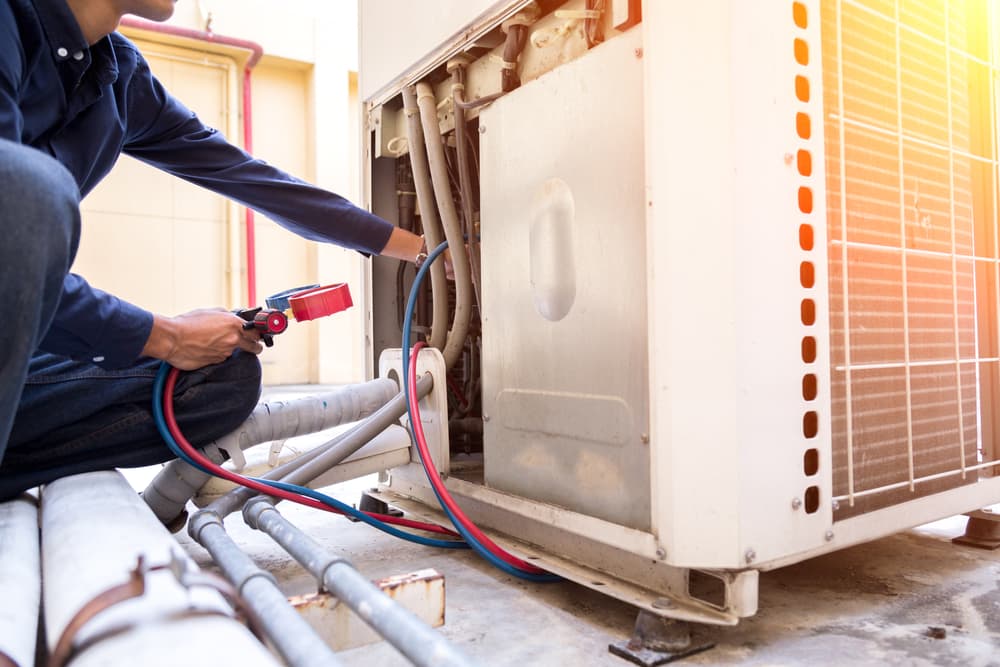
Credit: www.conwayservices.net
Tips For Maintaining Your Furnace
Maintaining your furnace is key to keeping it running smoothly. Good care helps avoid big repairs and extends the furnace’s life. Simple steps can improve your home’s warmth and lower energy bills. Here are some easy tips for taking care of your furnace in Tennessee.
Regular Inspections
Check your furnace often to spot problems early. Look for strange noises, dust buildup, or weak heat. Regular inspections help find small issues before they grow. Set a schedule to inspect your furnace at least twice a year.
Filter Replacement
Change the furnace filter every 1 to 3 months. A clean filter improves air flow and furnace efficiency. Dirty filters make the furnace work harder and waste energy. Keep spare filters on hand to replace them quickly.
Professional Servicing
Hire a professional to service your furnace once a year. Technicians clean parts, check safety, and fix hidden problems. Professional care keeps your furnace safe and reliable. Schedule service before the cold season starts.
Energy-saving Practices
Use a programmable thermostat to control your home’s temperature. Lower the heat when no one is home or at night. Seal windows and doors to keep warm air inside. These small habits save energy and reduce heating costs.
Choosing A Professional Hvac Service
Choosing the right HVAC service is key for Tennessee homeowners. Your furnace needs skilled care to work well and last long. Trusting a professional ensures safe repairs or proper replacement. This choice affects your home’s comfort and energy bills.
Credentials And Experience
Check if the HVAC company has proper licenses. Experience matters a lot. Experts with years of work handle furnace issues well. They know local climate challenges and system types. This knowledge helps them give the best advice and service.
Customer Reviews
Read reviews from other homeowners. Real feedback shows the company’s reliability. Positive experiences mean good quality and trustworthiness. Look for consistent praise about punctuality and clear communication.
Service Guarantees
A strong guarantee means confidence in their work. It protects you if problems return soon after repair. Ask about warranty length and what it covers. This adds peace of mind to your investment.
Emergency Support
Furnace problems can happen anytime, especially in winter. Choose a service offering 24/7 emergency help. Quick response keeps your home warm and safe. Knowing help is near reduces stress during breakdowns.

Credit: www.aireserv.com
Frequently Asked Questions
How Do I Know If My Furnace Needs Repair Or Replacement?
Look for frequent breakdowns, rising energy bills, and uneven heating to decide between repair or replacement.
What Is The Average Lifespan Of A Furnace In Tennessee?
Most furnaces last about 15 to 20 years before needing replacement or major repairs.
Can Repairing My Furnace Save Money Compared To Replacing It?
Repairing saves money if issues are minor and the furnace is under 15 years old.
How Much Does It Cost To Replace A Furnace In Tennessee?
Furnace replacement costs range from $3,000 to $7,000 depending on size and model.
What Are The Risks Of Delaying Furnace Replacement Or Repair?
Delaying can lead to higher energy bills, unsafe operation, and sudden system failure.
Conclusion
Deciding to repair or replace your furnace depends on several key factors. Age, cost of repairs, and energy efficiency matter most. Older units often need frequent fixes and use more energy. New furnaces save money in the long run. Trust your comfort and safety above all.
Choose what fits your budget and home needs best. Act early to avoid cold nights and high bills. A warm home is worth the right choice today.