
Your furnace is the heart of your home during Michigan’s cold months. When it starts acting up, you face a tough choice: should you repair it or replace it?
Making the wrong decision can cost you time, money, and comfort. You’ll discover clear signs to help you decide what’s best for your home and wallet. Keep reading to make sure your furnace keeps your family warm without breaking the bank.

Credit: mooremech.net
Signs Your Furnace Needs Attention
Recognizing when your furnace needs attention can save you from costly repairs or complete replacement. Furnaces work hard during Michigan’s cold months. Signs of trouble often appear before the system fails. Homeowners should know what to watch for. Early detection helps keep your home warm and safe.
Unusual Noises And Smells
Strange noises like banging, rattling, or squealing are warning signs. These sounds show parts may be loose or broken. Unusual smells, especially burning or gas odors, indicate serious issues. Never ignore odd smells. They could mean a gas leak or electrical problem. Call a professional right away to check your furnace.
Inconsistent Heating
Cold spots or uneven heating in your home point to furnace problems. The system may struggle to distribute heat properly. This issue might be caused by dirty filters, blocked vents, or failing components. If some rooms are warm while others stay cold, your furnace needs inspection. Consistent warmth is important for comfort and efficiency.
Rising Energy Bills
Higher heating bills without increased use are a red flag. A furnace working harder than usual uses more energy. This extra effort may mean worn-out parts or poor maintenance. Tracking your energy costs helps spot problems early. A sudden spike in bills means it’s time to repair or replace your furnace.

Credit: www.mmdhd.org
Repairing Your Furnace
Repairing your furnace can extend its life and keep your home warm. It is often a good choice when problems are minor. Small fixes can save money and avoid the hassle of buying a new system. Understanding common repairs helps you decide if repair is right for you.
Common Furnace Repairs
Many furnace issues are easy to fix. Dirty filters cause poor airflow and make the furnace work harder. Ignition problems can stop the furnace from heating. Faulty thermostats may give wrong temperature readings. Worn belts and motors can make noise or stop the furnace from running. These issues often need simple repairs.
Cost Considerations
Repair costs vary by problem type and furnace age. Small repairs may cost a few hundred dollars. Larger repairs or parts replacement can be more expensive. Compare repair costs to the price of a new furnace. Repair is cheaper if costs stay under half the price of a new system.
When Repairs Make Sense
Choose repair if the furnace is less than 10 years old. Repairs help if the problem is small or clear. If the furnace works well after repair, it is worth fixing. Repair is also smart if you plan to move soon. Repair keeps your home warm without big spending.
Replacing Your Furnace
Replacing your furnace is a big decision for Michigan homeowners. Cold winters demand a reliable heating system. Old furnaces can lose efficiency and increase heating bills. Choosing to replace your furnace can bring comfort and savings. New models offer better performance and cleaner air. It is important to understand the benefits, types, and costs before making a choice.
Benefits Of New Furnaces
New furnaces use advanced technology for better heat output. They consume less fuel, lowering energy bills. Modern systems reduce harmful emissions, helping the environment. New furnaces also run quieter than older models. Many come with smart controls for easy temperature adjustment. A new furnace reduces the chance of breakdowns during winter. You get more consistent warmth throughout your home.
Choosing The Right Furnace Type
Gas, electric, and oil furnaces are common options in Michigan. Gas furnaces are popular due to low operating costs. Electric models are simple to install and maintain. Oil furnaces work well where gas lines are unavailable. Consider your home size and insulation before choosing. Efficiency ratings help compare different furnace models. A professional can recommend the best type for your home.
Replacement Costs And Incentives
Furnace replacement costs vary by type and size. Installation fees add to the total expense. Some older homes may need extra work, increasing costs. Michigan offers rebates and incentives for energy-efficient furnaces. These programs lower upfront expenses and boost savings. Check with local utility companies for available offers. Investing in a new furnace pays off through lower bills and comfort.
Factors Specific To Michigan Homes
Michigan homes face unique challenges that affect furnace repair or replacement decisions. Homeowners must consider local weather, energy programs, and winter severity. Understanding these factors helps in making the right choice for comfort and cost.
Climate Impact On Furnace Lifespan
Michigan’s climate is cold and snowy for many months. This heavy use can shorten a furnace’s life. Constant heating demands cause wear and tear faster than in milder states. Older furnaces may fail sooner due to these conditions. Regular checks can extend lifespan but may not prevent eventual replacement.
Local Energy Efficiency Programs
Michigan offers programs to improve home energy efficiency. These programs often provide rebates for new, efficient furnaces. Upgrading can reduce energy bills and increase home value. Repairs might not qualify for these incentives. Homeowners should check local offers before deciding.
Dealing With Harsh Winters
Harsh Michigan winters require reliable heating systems. A furnace breakdown during cold snaps can be dangerous. Repairing old furnaces might not guarantee lasting warmth. New systems provide better performance and safety. Planning ahead avoids emergency repairs in freezing weather.
Making The Decision: Repair Or Replace
Deciding whether to repair or replace your furnace is important for Michigan homeowners. Cold winters mean your heating system must work well. Choosing the right option saves money and keeps your home comfortable. This section helps you understand key factors in making the decision.
Age Of Your Furnace
Furnaces usually last 15 to 20 years. Older units need more repairs and can break down often. If your furnace is over 15 years, replacement may be better. New models are more efficient and safer. Age matters because older furnaces waste energy and cost more.
Frequency Of Repairs
Frequent breakdowns mean high repair bills. If you fix your furnace more than twice a year, think about replacement. Constant repairs disrupt heating and increase costs. A new furnace reduces repair needs and runs smoothly. Watch repair frequency to decide the best choice.
Long-term Energy Savings
New furnaces use less fuel and save money on bills. Older systems lose heat and waste energy. Upgrading to an energy-efficient model lowers monthly expenses. Savings add up over years, covering replacement cost. Energy savings help justify installing a new furnace.
Maintaining Your Furnace Year-round
Maintaining your furnace throughout the year keeps it running well and saves money. Regular care helps avoid sudden breakdowns during Michigan’s cold months. Simple steps can extend your furnace’s life and improve home comfort.
Careful attention to your furnace also helps you decide when to repair or replace it. Knowing what tasks to do and when to call a professional is key.
Seasonal Maintenance Tips
Check your furnace before winter and after spring. Replace filters every 1 to 3 months. Clear vents and registers to keep air flowing. Test your thermostat for accuracy. Remove dust and debris from around the unit.
Hiring Professional Services
Hire a licensed technician for yearly furnace inspections. Professionals clean parts, check for leaks, and ensure safe operation. They spot small problems before they become costly repairs. Schedule service in fall to prepare for cold weather.
Diy Maintenance Tasks
Change or clean air filters regularly. Keep the area near the furnace clear of clutter. Check the pilot light or ignition system for proper function. Listen for unusual noises that may signal trouble. Follow the manufacturer’s simple care instructions.
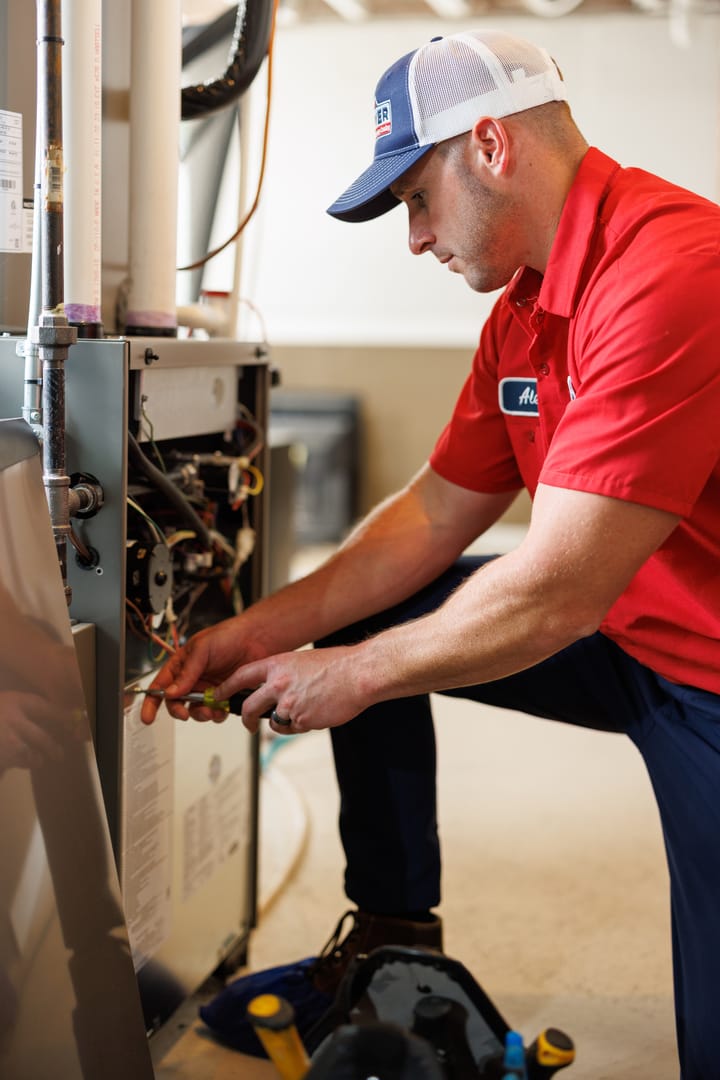
Credit: www.callhoover.com
Frequently Asked Questions
How Do I Know If My Furnace Needs Repair Or Replacement?
Check age, repair costs, efficiency, and heating consistency to decide repair or replacement.
What Is The Average Lifespan Of A Michigan Home Furnace?
Most furnaces last 15 to 20 years with proper care and regular maintenance.
Can Repairing A Furnace Save Money Compared To Replacing It?
Small repairs often cost less, but frequent fixes may justify a full replacement.
How Does Michigan’s Cold Climate Affect Furnace Repair Decisions?
Colder weather means your furnace works harder, so timely repairs prevent bigger problems.
What Signs Show My Furnace Is Beyond Repair?
Constant breakdowns, high energy bills, uneven heat, and unusual noises suggest replacement.
Conclusion
Deciding to repair or replace your furnace affects your home’s comfort and budget. Age, repair costs, and energy efficiency all matter. Small repairs save money short-term but may not last long. New furnaces use less energy and lower bills over time.
Trust your instincts and consider expert advice. Stay warm and save money this winter with the right choice.