
Are you a homeowner in Oregon looking for a smarter way to heat and cool your home? Understanding heat pumps could save you money and keep your house comfortable year-round.
But what exactly are heat pumps, and how do they work in Oregon’s unique climate? This guide will give you the clear, simple facts you need to make the best choice for your home and your wallet. Keep reading to discover how heat pumps can transform your living space and energy bills.
Heat Pump Basics
Heat pumps offer an efficient way to heat and cool homes in Oregon. They use less energy than traditional systems. Many homeowners find them cost-effective and eco-friendly. Understanding the basics helps in making smart choices.
Heat pumps work by moving heat rather than creating it. This process can warm your home in winter and cool it in summer. Knowing how they operate and the types available is important.
How Heat Pumps Work
Heat pumps transfer heat from one place to another. In cold months, they take heat from outside air and bring it indoors. In warm months, they move heat from inside to outside. This cycle keeps your home comfortable year-round.
They use a refrigerant to absorb and release heat. A compressor and fans help move the air. This system uses electricity but less than heaters or air conditioners.
Types Of Heat Pumps
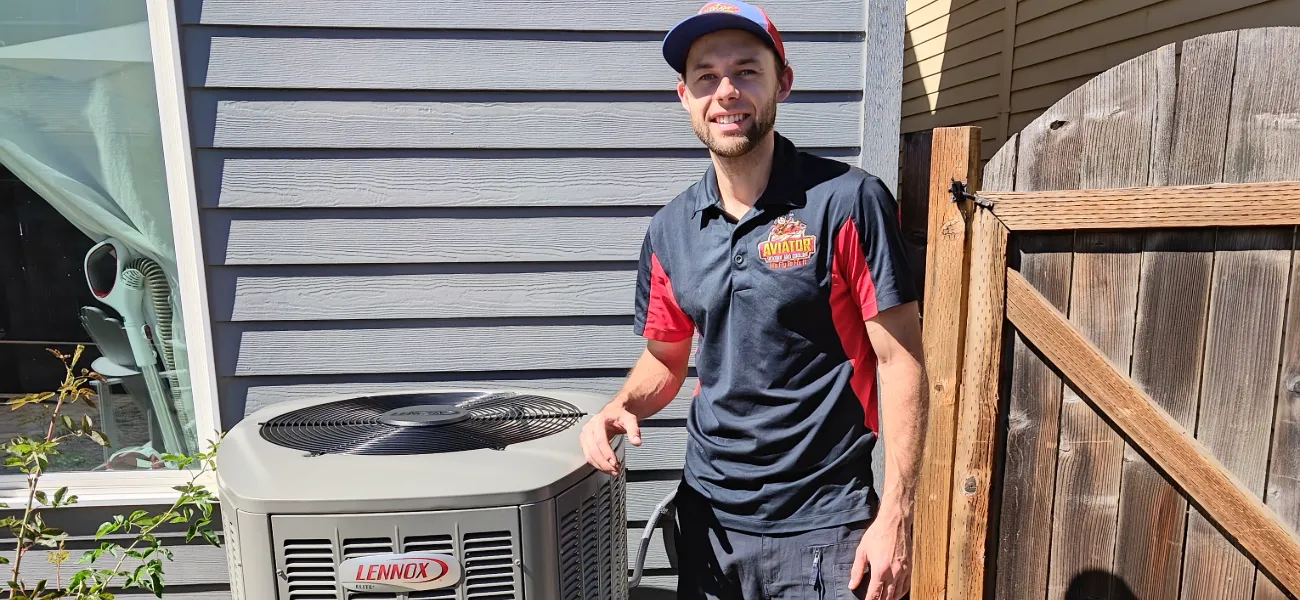
There are several types of heat pumps. Air-source heat pumps are common and pull heat from outside air. They work well in mild climates like Oregon.
Ground-source, or geothermal heat pumps, use heat from the earth. They are more expensive but very efficient over time. Water-source heat pumps use nearby water bodies to exchange heat.
Choosing the right type depends on your home and budget. Each type offers unique benefits and performance levels.
Credit: callaviator.com
Benefits For Oregon Homes
Heat pumps offer many benefits for homes in Oregon. They work well in the state’s mild climate. These systems provide both heating and cooling efficiently. Homeowners can enjoy a comfortable home all year. The advantages go beyond comfort and include savings and eco-friendly features.
Energy Efficiency
Heat pumps use less energy than traditional heating systems. They move heat instead of creating it. This process uses less electricity or fuel. Oregon’s climate allows heat pumps to run efficiently most of the year. They keep homes warm in winter and cool in summer. This reduces overall energy use.
Cost Savings
Lower energy use means lower utility bills. Heat pumps can cut heating and cooling costs significantly. They require less maintenance than many other systems. Some Oregon homeowners may qualify for rebates or tax credits. These help reduce the initial installation cost. Over time, savings add up, making heat pumps affordable.
Environmental Impact
Heat pumps produce fewer greenhouse gases than fossil fuel systems. They help reduce a home’s carbon footprint. Using less energy means less pollution from power plants. This supports Oregon’s clean energy goals. Heat pumps use renewable energy from the air or ground. This makes them a greener choice for homes.
Climate Suitability In Oregon
Oregon’s climate varies widely, but most areas enjoy mild temperatures. This makes heat pumps a smart choice for many homeowners. Heat pumps work best in places without extreme cold. Understanding how Oregon’s weather affects heat pumps helps you decide if one fits your home.
Performance In Cold Weather
Heat pumps pull heat from outside air. When temperatures drop below freezing, they work harder. Some models still work well in cold Oregon winters. Newer heat pumps use advanced technology to keep homes warm. Homes in colder parts of Oregon may need backup heating. This ensures comfort during the coldest days.
Seasonal Considerations
Oregon has wet winters and dry summers. Heat pumps provide cooling in summer and heating in winter. They save energy by switching between modes. Maintenance is important before each season. Clean filters and check for ice buildup in winter. Proper care keeps the system efficient all year round.

Credit: www.ijpr.org
Installation Factors
Installing a heat pump in Oregon needs careful thought. Several factors affect the process and the system’s performance. Understanding these helps homeowners make smart choices. Proper installation ensures energy savings and comfort all year.
Choosing The Right System
Not all heat pumps fit every home. Size matters. A system too big wastes energy. Too small, it won’t heat or cool well. Consider your home’s size and insulation. Climate plays a role too. Oregon’s mild but can get cold in winter. Look for heat pumps designed for cooler climates.
Different types exist, like air-source and ground-source. Air-source is common and easier to install. Ground-source is more efficient but costs more upfront. Check energy ratings. High efficiency means lower bills. Also, think about noise levels. Some models run quieter, a plus for small homes or neighborhoods.
Professional Vs Diy Installation
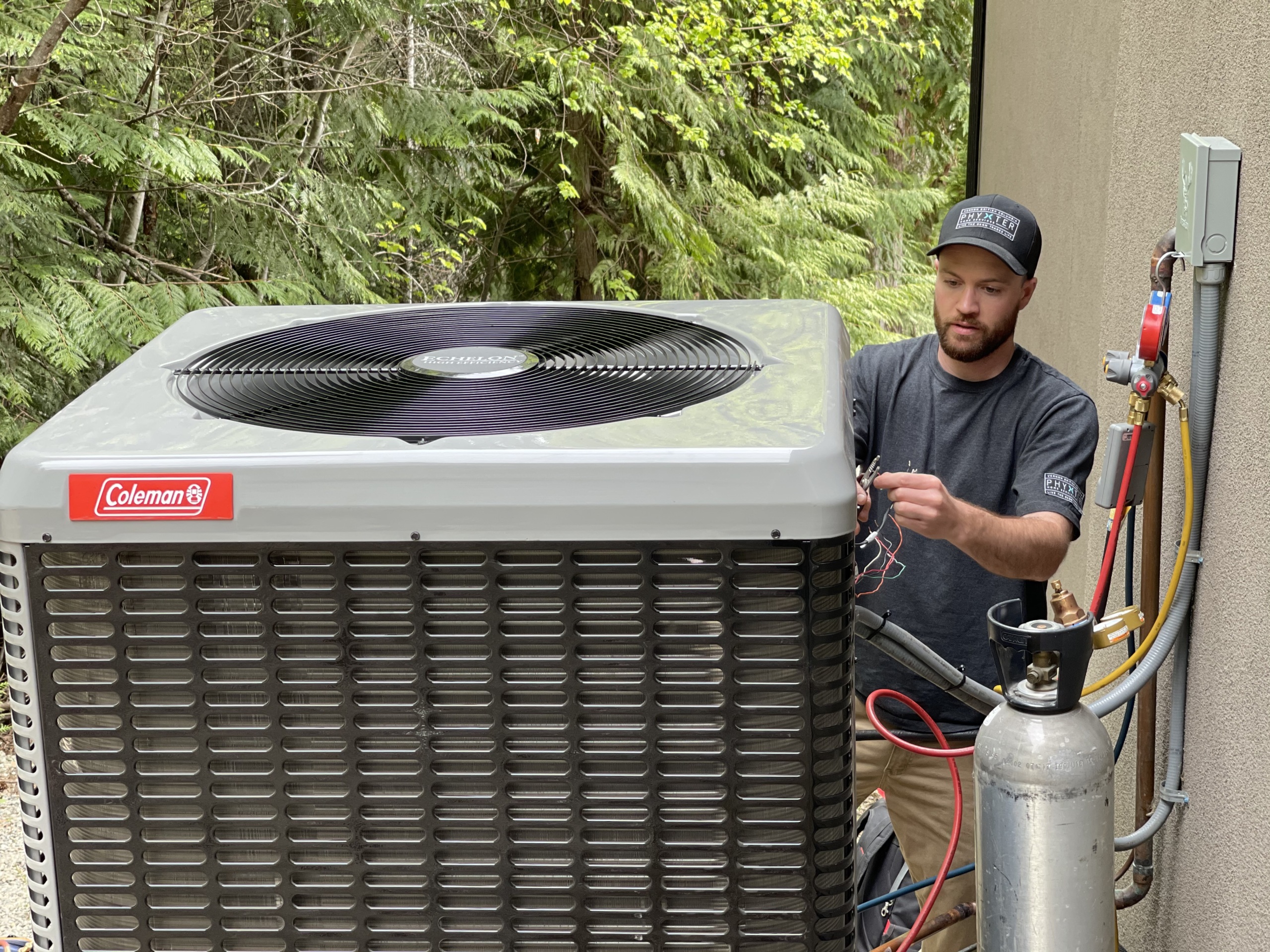
Installing a heat pump is not simple. It involves electrical work, refrigerant handling, and system calibration. Mistakes can reduce efficiency or cause damage. Professionals have training and tools. They follow local rules and safety codes. Their work often includes warranties and support.
DIY installation may save money at first. But risks include improper setup and voided warranties. It can lead to higher costs later. A professional ensures the system runs well and lasts longer. For most homeowners, hiring a licensed installer is the safest choice.
Maintenance Tips
Heat pumps need regular care to work well and last long. Small checks and fixes keep your home warm in winter and cool in summer. This section shares simple maintenance tips for Oregon homeowners.
Regular Checks
Check filters every month. Dirty filters reduce heat pump efficiency. Clean or replace filters as needed. Clear debris from outdoor units. Leaves, dirt, and snow block airflow. Keep the area around the unit clean and open. Inspect ductwork for leaks or damage. Seal gaps to improve system performance. Listen for unusual noises. Strange sounds may signal problems. Monitor thermostat settings for accuracy.
Common Issues And Solutions
Frost buildup on the outdoor unit can happen in cold weather. Remove frost by turning off the heat pump and letting it thaw. Low refrigerant levels cause poor heating and cooling. A professional should check and refill refrigerant. Strange noises might mean loose parts or a failing motor. Tighten or replace parts as needed. Weak airflow often results from dirty filters or blocked vents. Clean filters and clear vents regularly. If the heat pump stops working, check the circuit breaker or fuse before calling a technician.
Credit: environmentamerica.org
Financial Incentives
Heat pumps offer a smart way to heat and cool homes efficiently. The initial cost can be high. Financial incentives help reduce this cost. These savings make heat pumps more affordable for Oregon homeowners. Knowing about available rebates and tax credits can help you plan better.
State Rebates
Oregon provides rebates to encourage heat pump use. These rebates lower the upfront price. The Oregon Department of Energy often offers these programs. Rebates vary based on the heat pump type and size. Some local utilities also provide extra savings. Check your utility’s website for current offers. Applying early can secure your rebate. These savings can cover a significant part of your purchase.
Federal Tax Credits
The federal government offers tax credits for heat pumps. These credits reduce the amount of tax you owe. The credit can cover a percentage of the installation cost. To qualify, your heat pump must meet energy efficiency standards. You claim the credit when filing your federal tax return. Keep all receipts and documents as proof. This credit is a valuable way to lower your total expense. It encourages homeowners to choose energy-efficient heating solutions.
Comparing Alternatives
Choosing the right heating and cooling system is important for Oregon homeowners. Heat pumps offer a modern way to keep your home comfortable. Comparing these with other options helps you make a smart choice. Let’s explore how heat pumps stack up against traditional HVAC and other renewable options.
Heat Pumps Vs Traditional Hvac
Heat pumps work by moving heat instead of creating it. Traditional HVAC systems burn fuel or use electric resistance to generate heat. This makes heat pumps more energy efficient in many cases. They also provide both heating and cooling in one unit.
Traditional HVAC systems often have separate units for heating and cooling. This can increase installation and maintenance costs. Heat pumps usually cost less to run over time. They reduce energy bills and lower carbon footprints.
In Oregon’s mild climate, heat pumps perform well year-round. They struggle less in cold weather than older models. Traditional systems may provide stronger heat during very cold days, but they use more energy.
Other Renewable Options
Solar panels can power heating systems with clean energy. Pairing solar with a heat pump cuts electricity costs further. Geothermal heat pumps use the earth’s stable temperature for heating and cooling. They are very efficient but need more space and higher upfront costs.
Biomass boilers burn organic materials like wood pellets. They offer renewable heating but require fuel storage and regular upkeep. Each renewable option suits different homes and budgets. Heat pumps remain one of the most flexible and affordable choices.
Frequently Asked Questions
What Is A Heat Pump And How Does It Work?
A heat pump moves heat from outside to inside your home. It cools in summer and heats in winter.
Are Heat Pumps Energy Efficient For Oregon Homes?
Yes, heat pumps use less energy than traditional heaters, saving money on bills in Oregon’s climate.
Can Heat Pumps Handle Oregon’s Cold Winters?
Modern heat pumps work well even in cold weather, keeping your home warm during Oregon winters.
How Much Does Installing A Heat Pump Cost In Oregon?
Installation costs vary, usually between $3,000 and $7,000, depending on home size and system type.
Do Heat Pumps Require A Lot Of Maintenance?
Heat pumps need simple maintenance, like filter cleaning and annual check-ups to stay efficient and last longer.
Conclusion
Heat pumps offer Oregon homeowners an efficient way to heat and cool homes. They save energy and reduce utility bills over time. Choosing the right system depends on your home’s size and needs. Proper installation and maintenance keep heat pumps working well.
Consider local climate and rebates before making a decision. Heat pumps provide comfort throughout the year. Understanding these basics helps you make smart choices for your home.