
Is your car making strange noises or showing warning signs? Your serpentine belt might be the culprit.
This small but crucial part keeps many of your engine’s accessories running smoothly. When it starts to fail, it can cause big problems—and leave you stranded. You’ll learn how to spot serpentine belt problems early, why they matter, and what you can do to fix them before they turn into costly repairs.
Keep reading to protect your car and avoid unexpected breakdowns.

Credit: hometowneautorepairandtireofwoodbridge.com
Common Signs Of Belt Issues
Serpentine belts are crucial for your car’s engine. They drive many parts like the alternator, power steering, and air conditioning. Problems with this belt can cause serious issues. Recognizing signs early can save time and money. Here are common signs that indicate belt problems.
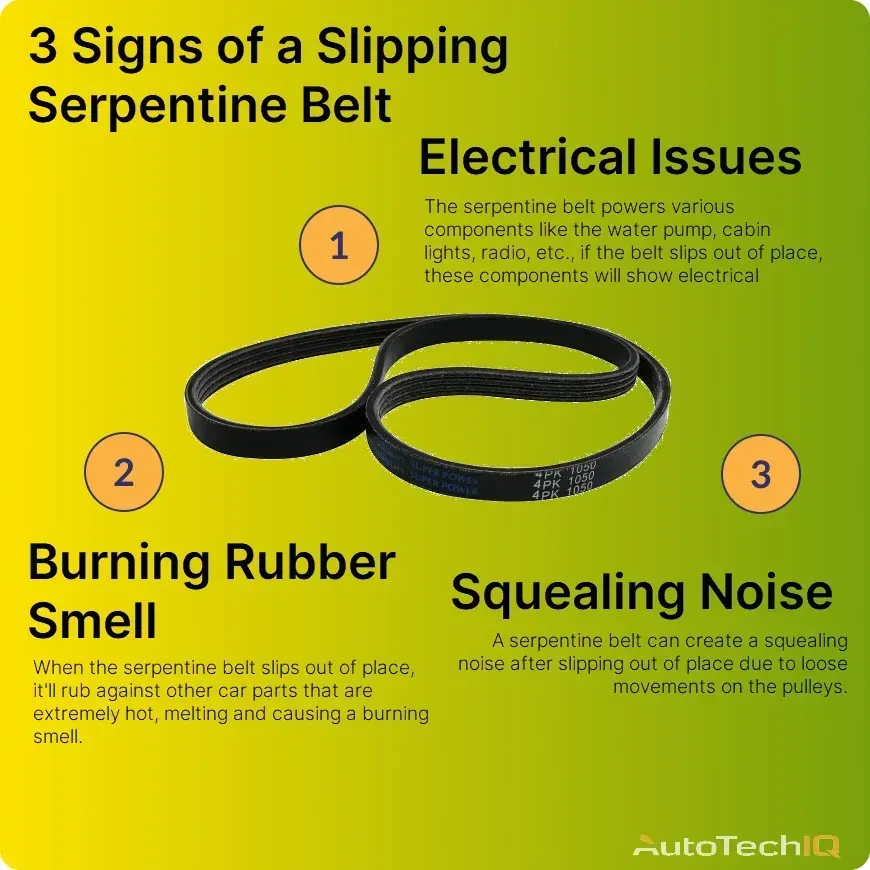
Squealing Noises
A loud squealing sound often means the belt is slipping. This noise usually happens when you start the engine or use accessories. Wet or loose belts can cause this sound. Ignoring squeals can lead to belt failure.
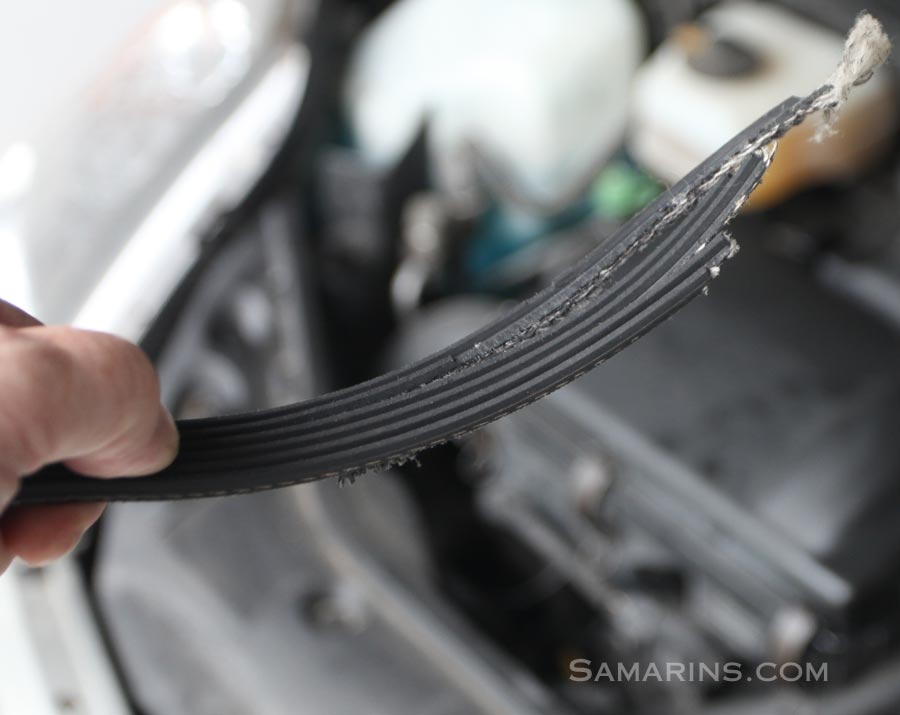
Visible Wear And Tear
Check the belt for cracks, fraying, or glazing. A worn belt loses grip and may break suddenly. Inspect the belt regularly to spot damage early. Replace the belt if you see any signs of wear.
Engine Overheating
The serpentine belt powers the water pump. If the belt fails, the pump stops working. This leads to engine overheating. Watch the temperature gauge closely. Overheating can cause severe engine damage.
Loss Of Power Steering
The belt drives the power steering pump. A slipping or broken belt causes hard steering. You may feel more effort is needed to turn the wheel. Immediate attention is necessary for safe driving.
Main Causes Of Belt Problems
Serpentine belt problems can cause many engine issues. Understanding the main causes helps in fixing and preventing damage. Several factors contribute to belt wear and failure. These include natural aging, alignment issues, contamination, and tensioner problems. Each cause affects the belt’s performance differently.
Age And Wear
Belt material breaks down over time. Cracks, fraying, and glazing show wear signs. Old belts lose flexibility and grip. Regular checks help catch wear early. Replacing belts before failure avoids sudden breakdowns.
Misalignment
Misaligned pulleys put extra stress on the belt. This leads to uneven wear and slipping. Causes include worn bearings or loose parts. Proper alignment ensures smooth belt running. Correcting misalignment extends belt life.
Contamination From Oil Or Coolant
Oil or coolant leaks damage the belt surface. These fluids soften the belt material. Slipping and premature wear result from contamination. Cleaning leaks and avoiding contact protect the belt. Keep engine parts dry for best belt health.
Tensioner Malfunction
The tensioner keeps the belt tight and stable. A faulty tensioner causes slack or over-tightening. Slack belts slip and wear faster. Over-tightened belts strain bearings and belt fibers. Fixing tensioner issues restores proper belt tension.
Diagnosing Belt Trouble
Diagnosing serpentine belt trouble is important for car health. Early checks can stop bigger problems. Simple steps help find issues fast. This saves time and money. Knowing what to look for makes repairs easier.
Visual Inspection Tips
Check the belt for cracks or frays. Look for shiny or glazed spots. These mean the belt is slipping. Make sure the belt sits well in the pulleys. Remove dirt or oil on the belt. Clean belts last longer and work better.
Checking Belt Tension
Press the belt with your finger. It should feel firm, not loose or too tight. A loose belt can slip and cause noise. A tight belt may wear out bearings. Use a belt tension gauge for best results. Proper tension keeps the belt running smoothly.
Listening For Unusual Sounds
Start the engine and listen carefully. A squealing noise often means belt slip. Squeaks or chirps also signal belt wear. Noise stops when the belt is fixed. Strange sounds warn of early problems. Catching them early avoids breakdowns.
Quick Fixes For Belt Issues
Serpentine belt problems can cause engine trouble fast. Fixing these issues quickly saves time and money. Some fixes are simple and anyone can do them. Others may need tools but are still doable at home. Understanding these quick fixes helps keep your car running well.
Adjusting Belt Tension
A loose serpentine belt slips and makes noise. Tightening the belt stops slipping and protects parts. Use a wrench to adjust the tensioner pulley. Turn it slowly to tighten the belt just right. Too tight can cause damage, so check carefully.
Replacing A Worn Belt
Belts wear out and crack over time. A worn belt can break suddenly. Remove the old belt from pulleys by noting its path. Install a new belt following the same route. Check the belt fits snugly before starting the engine.
Cleaning Contaminated Belts
Oil or dirt on belts cause slipping and noise. Clean belts gently with a cloth and mild soap. Avoid harsh chemicals that can damage rubber. Dry the belt fully before use. Clean belts last longer and run smoothly.
Replacing Faulty Tensioners
Tensioners keep the belt tight and aligned. A broken tensioner causes belt noise and wear. Remove the old tensioner using proper tools. Install a new one and adjust the belt tension. This fix improves belt life and engine performance.
Preventing Future Belt Problems
Preventing future serpentine belt problems helps keep your car running smoothly. A worn or broken belt can cause engine trouble and costly repairs. Taking steps to care for the belt extends its life and improves your vehicle’s reliability.
Regular Maintenance Schedule
Follow the vehicle’s maintenance schedule for belt checks and replacements. Regular service helps spot wear before it causes failure. Replace the belt based on mileage or time recommendations from the manufacturer.
Using Quality Replacement Parts
Always choose high-quality belts and parts for replacements. Cheap belts wear out faster and can cause damage. Quality parts fit better and last longer, protecting your engine’s systems.
Avoiding Fluid Leaks
Fluids like oil or coolant can damage the serpentine belt. Check for leaks around the engine and repair them quickly. Keeping the engine clean prevents belt slipping and early wear.
Routine Belt Inspections
Look at the belt often for cracks, fraying, or glazing. Inspect the tension and alignment to ensure proper function. Early detection of problems allows quick fixes and avoids breakdowns.
Credit: www.samarins.com
Credit: www.autotechiq.com
Frequently Asked Questions
What Are Common Serpentine Belt Problems?
Serpentine belts can crack, fray, slip, or break, causing engine accessory failure.
How Do I Know If My Serpentine Belt Is Bad?
Look for squealing noises, visible cracks, or belt wear signs on the belt.
Can A Worn Serpentine Belt Cause Engine Overheating?
Yes, a bad belt can stop the water pump, leading to engine overheating.
How Often Should I Replace A Serpentine Belt?
Replace it every 60,000 to 100,000 miles or as recommended by your vehicle manual.
What Happens If The Serpentine Belt Breaks While Driving?
Accessories like power steering and alternator stop working, which can be dangerous. Pull over safely.
Conclusion
Serpentine belt problems can cause serious car trouble. Watch for signs like squealing or loss of power. Regular checks help catch issues early. Replace the belt as your car manual suggests. Taking care of this small part saves you time and money.
Stay alert to keep your vehicle running smooth and safe. Don’t ignore odd noises or belt wear. Simple actions can prevent bigger engine problems down the road. Keep your car healthy with proper serpentine belt care.