
Dealing with a appliance that keeps cutting the power to your kitchen is a frustrating experience, especially when you’re halfway through a cycle and staring at a basin full of soapy water. When your dishwasher keeps tripping breaker units, it’s almost always a sign that the electrical system is protecting your home from a potential fire or severe hardware damage. This issue typically stems from a localized short circuit within the appliance or a broader problem with your home’s electrical load distribution. You can expect to spend between $100 and $450 if you need to hire a professional electrician to diagnose and repair the wiring or replace a faulty circuit breaker.
Key Takeaways
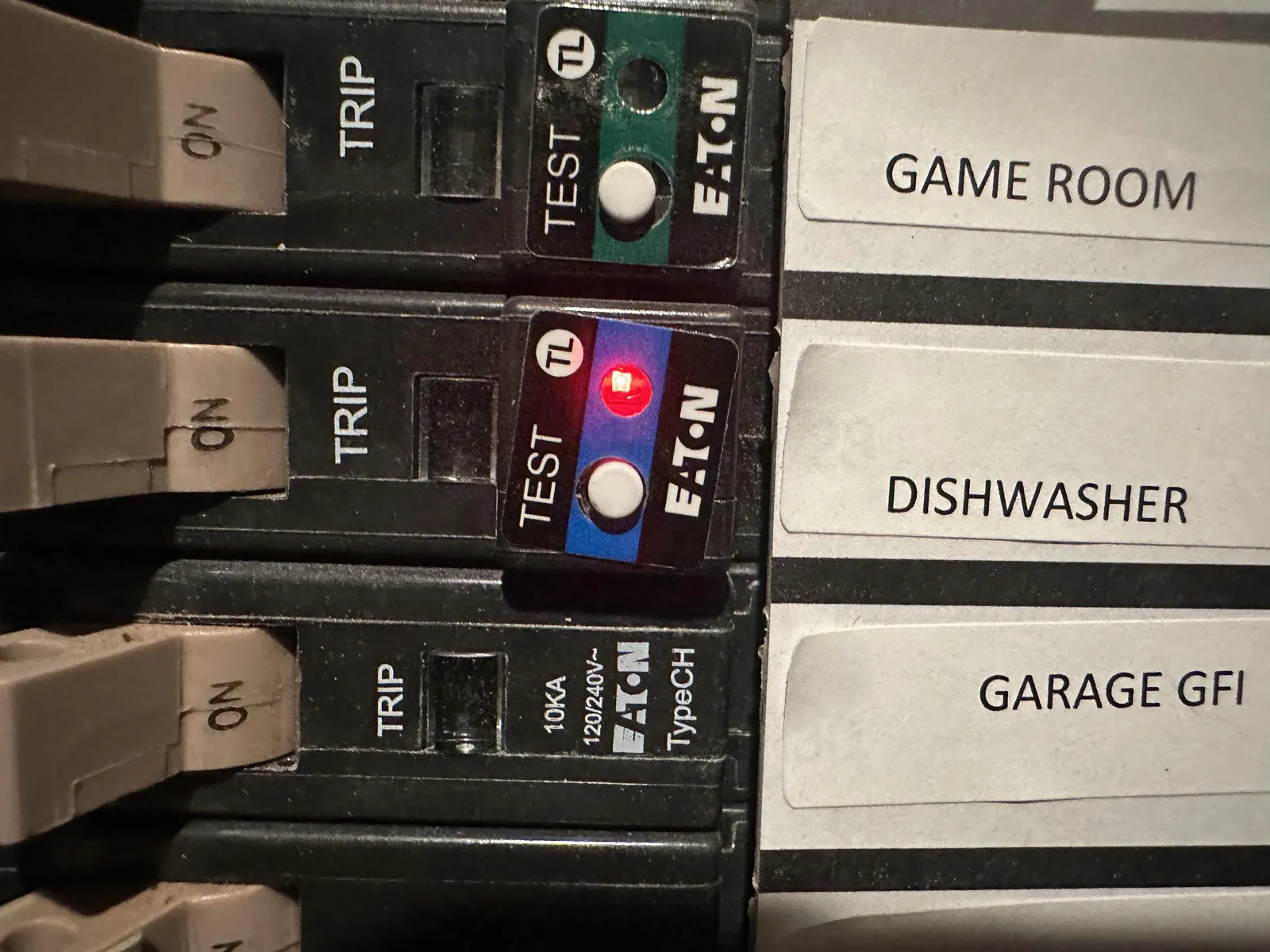
- Check your circuit breaker panel to see if other high-draw appliances are on the same circuit.
- Inspect the dishwasher heating element for visible signs of damage, cracks, or loose electrical connections.
- Look for signs of moisture or water leaks near the motor and wire harness underneath the unit.
- Always disconnect the power at the main panel before opening any access panels on your appliance.
Why Does the Breaker Trip?
The primary purpose of a circuit breaker is to prevent wires from overheating when they draw more current than they’re rated to handle. When a dishwasher experiences a sudden surge or a sustained draw that exceeds the breaker’s capacity, the internal switch flips to the “off” position. This is a critical safety mechanism designed to protect your home’s wiring.
If the breaker trips immediately upon starting the machine, you likely have a hard short circuit. If it trips mid-cycle, the failure is usually linked to a component that activates later, such as the heating element or the drain pump.
Is Your Circuit Overloaded?
Many older homes were built with kitchen circuits that weren’t designed to handle the high electrical demand of modern appliances. If your dishwasher shares a circuit with a microwave, a toaster, or a coffee maker, the combined amperage draw can easily exceed the 15 or 20-amp limit of your breaker. This is a common electrical issue that doesn’t necessarily mean your dishwasher is broken; it simply means your kitchen infrastructure is insufficient for your current appliance usage.
| Appliance | Typical Amperage Draw |
|---|---|
| Dishwasher | 8.0 – 15.0 Amps |
| Microwave Oven | 10.0 – 18.0 Amps |
| Toaster | 8.0 – 12.0 Amps |
| Coffee Maker | 6.0 – 10.0 Amps |
| Garbage Disposal | 5.0 – 9.0 Amps |
Testing the Heating Element
The heating element is responsible for raising water temperatures to sanitize dishes and assist in the drying process. Over time, the protective sheath around the element can degrade, allowing water to come into contact with the internal wiring. This causes a ground fault, which will trigger the breaker instantly.
To check this, you must turn off the power, remove the bottom access panel, and inspect the heating element terminals for corrosion or signs of burning. If the element shows physical cracks or pitting, it’s failing and must be replaced to prevent further electrical system stress.
Inspecting the Door Latch Assembly
The door latch contains a microswitch that tells the dishwasher control board that the door is securely closed. If this switch malfunctions or the wiring leading to it becomes frayed due to the constant opening and closing of the door, it can cause an intermittent short.
Because the door latch is used every time you operate the machine, it’s a high-wear component. If you notice that the dishwasher only trips the breaker when you slam the door shut or press on the control panel, the latch assembly mechanism is likely the culprit.
How to Check for Water Leaks
Water is a conductor of electricity. If your dishwasher has a slow leak, water may be dripping onto the motor, the pump assembly, or the main wiring harness located at the base of the unit. Even a small amount of moisture can create a path for electricity to jump to the metal chassis, resulting in a ground fault.
Use a flashlight to look for water tracks, mineral deposits, or rust near the bottom of the machine. If you find moisture, locate the source of the leak and repair it before attempting to reset the breaker, as this is a significant shock hazard.
Troubleshooting a Dishwasher That Keeps Tripping the Breaker
The electronic control board acts as the brain of your dishwasher. If the internal relays or capacitors fail, they can cause a short circuit that trips the breaker. Signs of a failing board include erratic behavior, lights flashing on the display, or the machine refusing to start a cycle entirely.
Unfortunately, control boards are rarely repairable and usually require a full replacement. Before replacing the board, ensure that all wire connections are tight, as a loose connection can create an arc, which generates heat and can eventually cause the breaker to trip during high-demand phases.
What About the Motor?
The wash motor and the drain pump are two of the most hardworking components in your appliance. If the motor bearings seize up or the motor windings short out, the motor will attempt to draw excessive current, causing the breaker to trip.
You can often tell if a motor is failing by listening for a humming or grinding noise before the breaker trips. If the motor is the source of the problem, the unit will likely require a professional motor replacement to restore normal operation.
Understanding Ground Fault Protection
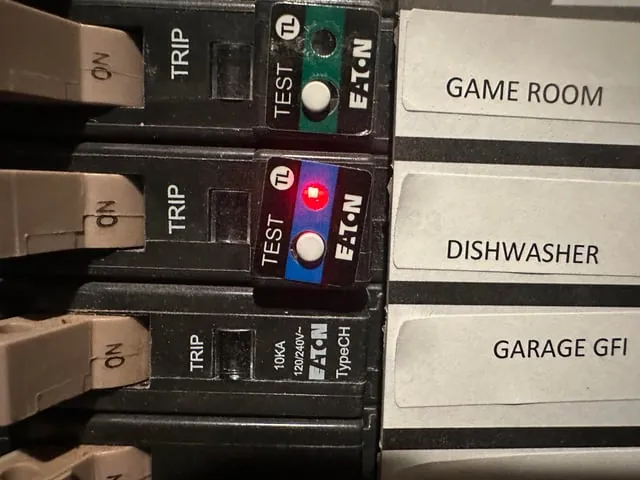
Modern building codes often require kitchen circuits to be protected by Ground Fault Circuit Interrupters (GFCI). A GFCI is designed to be much more sensitive than a standard circuit breaker. If there’s even a tiny amount of current “leaking” to the ground, the GFCI will trip.
This is why a dishwasher that worked fine for years might start tripping a new GFCI breaker; the appliance may have a very minor, previously undetectable electrical leak that the new, sensitive breaker is now identifying. According to the National Electrical Safety Foundation, these devices are essential for preventing electrical shock in areas where water is present.
Comparing Potential Repair Costs
When you identify the component causing the issue, you must decide whether to attempt a DIY repair or call a service technician. The following table outlines the estimated costs for parts and labor for the most common dishwasher failures.
| Component | DIY Part Cost | Professional Repair Cost |
|---|---|---|
| Heating Element | $30 – $90 | $150 – $250 |
| Door Latch Assembly | $20 – $70 | $120 – $200 |
| Wash/Drain Motor | $80 – $200 | $250 – $450 |
| Control Board | $100 – $250 | $300 – $500 |
| Wiring Harness Repair | $10 – $40 | $100 – $200 |
Safety Precautions for Homeowners
Warning: Always verify that the power is completely off at the main electrical panel before touching any internal components. Use a non-contact voltage tester to ensure the power is truly cut.
Pro Tip: If you suspect the breaker itself is the problem, switch it with another breaker of the same amperage in your panel. If the problem follows the breaker, you simply need to replace the breaker itself, which is a much cheaper and easier fix than repairing the dishwasher.
Tools Required for Diagnosis
To properly troubleshoot your dishwasher, you should have a basic set of tools ready. Having these items on hand will save you time and help you perform a thorough inspection.
- Screwdriver Set: Including Phillips and flathead drivers for removing panels.
- Needle-Nose Pliers: Useful for disconnecting tight wire terminals.
- Work Light: To see into the dark recesses beneath the unit.
- Electrical Tape: For securing any minor wire insulation issues.
When to Call a Professional
If you have performed the basic troubleshooting steps and the dishwasher still trips the breaker, it’s time to call a licensed professional. Electrical work can be dangerous, and there’s no substitute for the experience of a trained technician.
If you smell burning plastic, see smoke, or notice scorching on the wall outlet, stop using the appliance immediately and contact an electrician. These are signs of a serious fire hazard that requires immediate attention from an expert who can safely inspect your home’s wiring.
Related guides
Frequently Asked Questions
Can a bad outlet cause the dishwasher to trip?
Yes, a loose connection inside the wall outlet can cause arcing, which generates heat and triggers the breaker. If the outlet feels warm to the touch or shows signs of discoloration, it should be replaced immediately. A faulty outlet can also lead to intermittent power loss that mimics a failing appliance component, making it a common but often overlooked cause of nuisance tripping.
Is it safe to reset the breaker repeatedly?
No, resetting a breaker that continues to trip is dangerous. Each time a breaker trips and is reset, it puts stress on the electrical system and can eventually damage the breaker itself. Furthermore, the heat generated by the underlying fault—whether in the dishwasher or the wiring—could lead to a fire behind your walls or inside the machine. Always investigate the cause before resetting.
Why does it trip only during the drying cycle?
The drying cycle is when the heating element runs at its maximum capacity for an extended period. If the element is failing or the circuit is already near its maximum load, the added demand of the heater will push it over the limit. This is a classic indicator that the heating element is the specific part causing the ground fault or current spike.
Can a dishwasher work on a standard 15-amp circuit?
Most dishwashers are designed to operate on a dedicated 15-amp or 20-amp circuit. If your dishwasher is on a 15-amp circuit, it should work fine provided it’s the only major appliance on that line. If you have other appliances sharing the same circuit, the total load will exceed 15 amps, causing the breaker to trip whenever the dishwasher and another device run simultaneously.
How do I know if my breaker is faulty?
If your dishwasher is unplugged and the breaker still trips, or if the breaker feels “loose” or fails to stay in the “on” position even with no load, it’s likely faulty. A professional electrician can use a clamp meter to measure the actual current flowing through the breaker to determine if it’s tripping prematurely due to age or defect rather than an appliance fault.
Conclusion
If you have checked the heating element, inspected the wiring for moisture, and ensured the circuit isn’t overloaded, the issue may lie with the main control board or the motor.
Since these parts are expensive, consider the age of your appliance; if it’s more than ten years old, the cost of parts and labor may exceed the value of the unit. If you aren’t comfortable performing electrical diagnostic tests, contact a qualified appliance repair service to avoid the risk of shock or fire.