
If your appliance stops working, a bosch dryer troubleshooting guide provides the steps to identify simple issues like blocked filters or tripped breakers. You can often restore function by checking the door latch, clearing the lint trap, or ensuring the vent hose is free of debris. When the machine shows an error code or fails to heat, it’s usually because of a safety sensor stopping the cycle to prevent overheating.
Troubleshoot common Bosch dryer issues
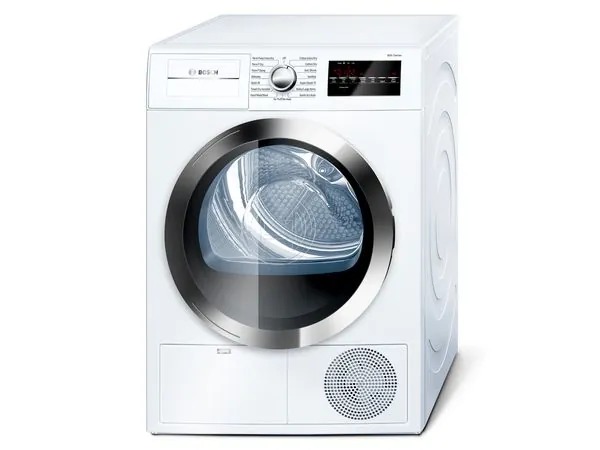
Most issues occur because the machine detects a safety risk or a loss of airflow. When the dryer doesn’t start, the door switch is the most common point of failure. If the door doesn’t click into place, the safety sensor prevents the drum from spinning. You should check the door edge for small items like coins or lint that stop the seal from closing tightly.
Another frequent problem is a lack of heat during the cycle. This often happens because the lint screen is clogged, which forces the dryer to shut off its heating element to protect the internal components. You can verify this by checking the vent hose on the back of the machine. If the air doesn’t flow freely to the outside, moisture builds up and the sensors force a shutdown.
Finally, some models show specific error codes on the digital display when they detect a fault. If your unit displays a code, refer to the official Bosch home appliances support library to see what that specific sequence means for your model. If you can’t find the code or the machine remains unresponsive after a power cycle, you should contact a certified repair professional to avoid damaging the control board.
Clean the lint filters and vents
You must clean the lint filter after every single load to keep the airflow consistent. If the screen is covered in a thick layer of lint, the air can’t escape the drum, which triggers the high-limit thermostat. This thermostat is a safety device that cuts power to the heat source when it senses temperatures that are too high.
To clean the filter, pull it out from the front of the drum and wipe away all debris by hand. If you notice a waxy film on the mesh, wash it with warm water and a mild soap, then let it air dry completely before putting it back. A clean filter ensures that the moisture sensors can detect the actual dryness of your clothes.
If your clothes remain damp after a full cycle, check the filter mesh by holding it under a faucet. If water pools on the surface instead of passing through, the mesh is clogged with fabric softener residue and must be scrubbed with a soft brush.
Next, check the vent hose leading from the back of the dryer to the wall. If the hose is kinked or crushed against the wall, the air pressure will spike and the dryer will cycle off early. If you see visible lint buildup inside the vent pipe, it’s time to disconnect it and vacuum the passage.
Never operate the dryer if the vent hose is blocked, as this creates a fire hazard. Aim to clear the full length of the ducting to the exterior vent hood at least once every twelve months to prevent dangerous heat accumulation.
Reset the power and door sensors

If the machine has power but refuses to start, you should try a hard reset. Unplug the unit or turn off the circuit breaker for 60 seconds. This allows the internal control board to clear any temporary errors. After the wait, plug it back in and try to select a new cycle. If the machine starts but stops after a few minutes, the issue is likely a sensor or a latch.
Examine the door strike and the small plastic switch near the door frame. If the door feels loose or doesn’t snap shut with a firm click, the sensor isn’t getting the signal that the door is closed. You can clean the area around the switch with a soft cloth to remove any sticky residue or dust. If the switch stays stuck in the depressed position, the dryer won’t start.
If the breaker keeps tripping, you have an electrical overload. This happens if the dryer is on the same circuit as another heavy appliance, like a washing machine. If you’re unsure about the electrical load, check your home’s breaker panel for signs of heat or damage. If the wiring seems burnt or if the breaker trips immediately upon starting, call an electrician to inspect your home’s power supply.
Check the moisture and heat sensors
The moisture sensors are two metal strips inside the drum that detect how wet your clothes are. If these strips are covered in fabric softener residue, the dryer thinks the clothes are dry when they’re still wet. You can clean these strips by wiping them with a damp cloth and a little bit of white vinegar. This removes the film and restores the sensor’s ability to read humidity levels.
For the heating system, the dryer relies on a thermal fuse to prevent overheating. If the fuse blows, the dryer will spin but won’t produce any heat at all. This is a one-time safety component that must be replaced if it breaks. If you have confirmed the airflow is clear and the filter is clean, but the heat still doesn’t come on, the thermal fuse is likely the culprit.
Replacing this fuse requires opening the cabinet, which is a task for a trained technician. A capacitor or internal fuse can hold a lethal electrical charge even after you pull the plug from the wall. If you suspect a blown thermal fuse, don’t attempt the repair yourself. Contact a professional to test the internal components and install the correct part for your specific model.
Avoid these common maintenance mistakes
Filling the drum past three-quarters capacity prevents air from circulating, which leads to damp clothes and overheated sensors. Aim for a loose load where you can easily slide your hand between the clothes and the top of the drum.
Dryer sheets leave a waxy film on the moisture sensors, causing the cycle to end prematurely. If your clothes consistently come out damp, wipe the sensors with a cotton ball dipped in rubbing alcohol to strip away the residue.
Check the exterior vent hood every six months. If the flap is blocked by lint or leaves, moist air backs up into the machine, which can warp internal components or trigger false sensor readings.
Never mix heavy denim or towels with lightweight synthetics. The light items dry in minutes, but the machine keeps running until the heavy items catch up, which damages your delicate fabrics. If you must mix loads, pull the lighter items out halfway through the cycle.
Optimize your drying routine
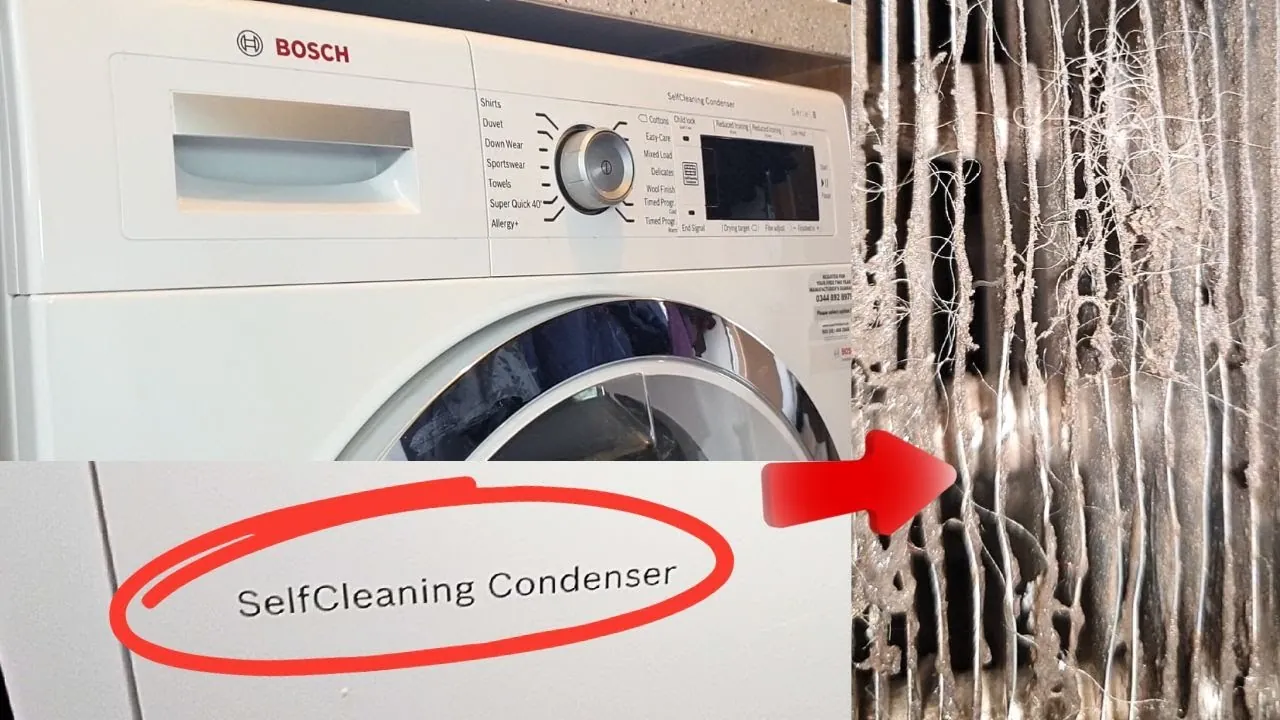
You can improve the life of your machine by changing how you load and maintain it. If you’re drying a very large load, it takes longer for the sensors to register the moisture level. If you’re drying a small load, the machine might finish too quickly if the sensors are dirty. Always ensure the machine is level, as a tilted dryer puts extra strain on the drum rollers and the drive belt.
Most users make the mistake of ignoring the vent hose until the machine stops heating entirely. If your clothes feel damp after a full cycle, check the exterior vent hood for blockages. A restricted vent forces the dryer to run twice as long, which triples the wear on your heating element.
If you have a gas dryer, listen for a rhythmic thumping sound, which indicates a worn drum roller that could snap your belt. For electric models, clean the moisture sensors with a cotton swab dipped in rubbing alcohol based on your usage; consult your owner’s manual for specific maintenance guidance.
| If you’re doing this | Do this instead | Why |
|---|---|---|
| Leaving lint in the filter | Clean it after every load | Prevents overheating and fire risks |
| Using fabric softener sheets | Use wool dryer balls | Prevents waxy buildup on sensors |
| Drying heavy and light items together | Sort loads by fabric weight | Ensures even drying time |
| Forcing the door shut | Clear debris from the latch | Ensures the safety switch engages |
| Ignoring a warm machine | Check the vent hose for clogs | Prevents internal component failure |
Related guides
- Hart Lawn Mower Troubleshooting Manual: Fix Common Issues in 2026
- Panasonic Phone Troubleshooting Manual: Fix Common Issues in 2026
- Thermador Refrigerator Troubleshooting: Fix Common Issues in 2026
Frequently asked questions
How long does a dryer cycle usually take?
Most cycles take 30 to 60 minutes for standard cotton loads. Heavy items like blankets take longer because moisture sensors keep the heat on until the fabric is dry. If cycles consistently exceed 90 minutes, check your external vent for blockages.
Is it safe to use a dryer with a clogged vent?
No, it isn’t safe to use a dryer with a clogged vent. Restricted airflow causes internal temperatures to rise, potentially damaging sensors or starting a fire. If the dryer feels hot or clothes remain damp, stop using the unit immediately to clear the exhaust duct.
Why does my dryer stop after a few minutes?
Your dryer stops early because a safety sensor has detected a problem, usually a lack of airflow or an overheating component. When the air can’t move out of the drum, the heat builds up, and the thermal limit switch cuts power to the heating element. You should clean the lint filter and check that the vent hose isn’t kinked or blocked by dust before attempting to run the machine again.
Can I clean the moisture sensors myself?
Yes, you can clean the moisture sensors by wiping them with a damp cloth and white vinegar. These metal strips, located near the lint filter, can develop a film from detergent residue. Cleaning them ensures the machine accurately senses when your laundry is dry.
What should I do if the dryer makes a loud noise?
Loud thumping or squealing noises indicate issues with the drum rollers, belt, or glides. These parts wear down over time, creating friction that can lead to motor failure or a snapped belt. Contact a professional technician to replace these components, as repairs require accessing the cabinet.
Conclusion
If these quick fixes don’t get your machine running smoothly again, it’s best to contact a certified technician. Don’t hesitate to reach out for professional help if you’re unsure about internal parts. They’ll ensure your appliance is safe to use, so you won’t have to worry about laundry day anymore.