
You shouldn’t place Styrofoam in your microwave because the material isn’t designed to withstand high temperatures and can melt, warp, or release harmful chemicals into your food. While some containers are labeled as microwave-safe, standard expanded polystyrene (EPS) foam lacks the structural integrity required for kitchen heating appliances. Using these containers for reheating leftovers creates a significant risk of physical degradation and chemical leaching that can compromise the safety and quality of your meal.
Key Takeaways
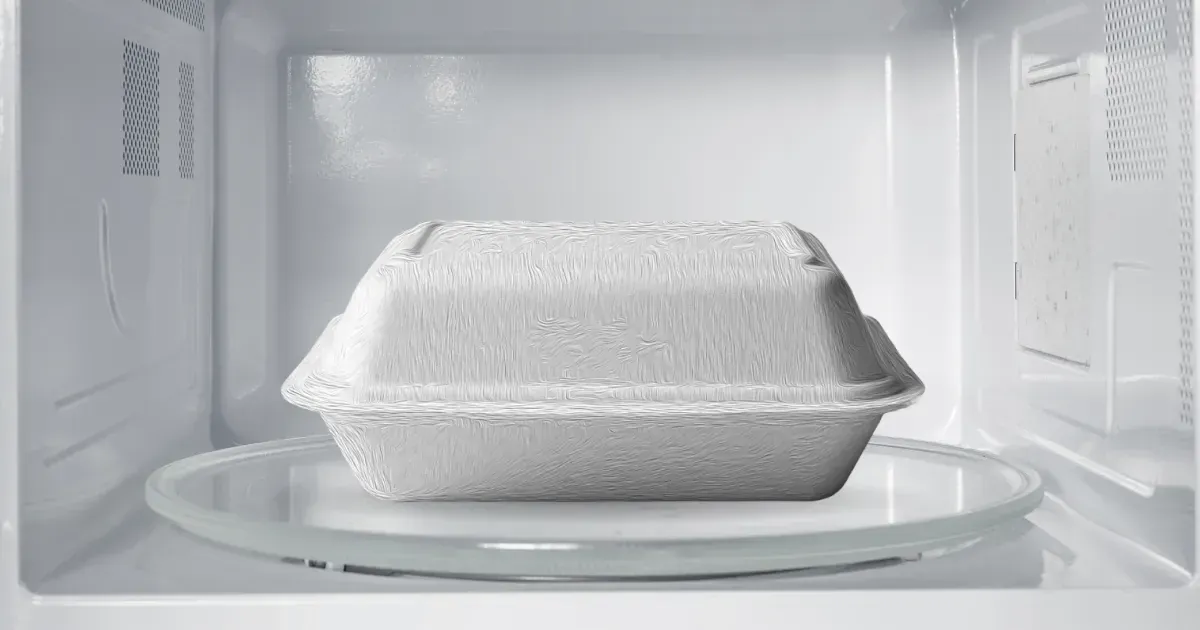
- Avoid heating any food in standard Styrofoam or expanded polystyrene containers.
- Look for the “microwave-safe” symbol, usually a square with wavy lines, before heating any plastic item.
- Transfer food to glass, ceramic, or heat-safe silicone containers to ensure safety.
- Check for signs of melting or warping, which indicate the plastic has exceeded its thermal threshold.
- Understand that even “microwave-safe” labels refer to the container’s ability to survive heat, not the absence of all chemical migration.
Can You Microwave Styrofoam Safely?
The short answer is no; you should never microwave Styrofoam. The term Styrofoam is often used generically to refer to expanded polystyrene (EPS), which is a lightweight, porous plastic. This material is primarily designed for insulation and packaging, not for high-heat food preparation. When you expose this plastic to the intense energy of a microwave, the material begins to soften or melt at temperatures as low as 212°F (100°C), which is easily reached when heating foods containing fats or sugars.
Warning: If you notice your container bubbling, sticking to the food, or losing its shape, stop the microwave immediately and discard the food, as it has likely been contaminated by degraded plastic components.
Risks of Melting Plastic
When polystyrene is heated beyond its intended capacity, it undergoes a physical change known as glass transition. This process causes the rigid foam structure to collapse. As the material breaks down, it can leach styrene, a chemical used in the manufacturing of polystyrene, into your food.
Health and Safety Concerns
The primary concern with heating plastic is the migration of chemicals. While the FDA monitors food contact substances, the variables involved in microwaving—such as power levels, food fat content, and duration—make it impossible to guarantee safety with materials not explicitly tested for that environment. Overheating can lead to the release of volatile compounds that may negatively impact the flavor of your food and potentially pose long-term health risks if ingested frequently.
Identifying Microwave-Safe Containers
Not all food containers are created equal. Manufacturers often use different types of polymers, some of which are engineered to resist heat better than others. To determine if a container is safe, you must look for specific markings on the bottom of the item.
| Container Material | Microwave Suitability | Risk Level |
|---|---|---|
| Expanded Polystyrene (Styrofoam) | Not Recommended | High |
| Polypropylene (Plastic #5) | Typically Safe | Low |
| Borosilicate Glass | Very Safe | None |
| Glazed Ceramic | Safe | Low |
| Paper (Uncoated) | Generally Safe | Low |
Reading the Plastic Resin Code
You’ll often see a recycling triangle with a number inside it on the bottom of plastic items. This is the Resin Identification Code (RIC). While this code helps with recycling, it also provides a clue about the material type.
Polystyrene is typically marked with a #6. If you see a #6 on your container, keep it away from the microwave. Polypropylene, which is often marked with a #5, is generally considered more heat-stable, but even then, it’s best to use glass or ceramic when possible.
Better Alternatives for Reheating
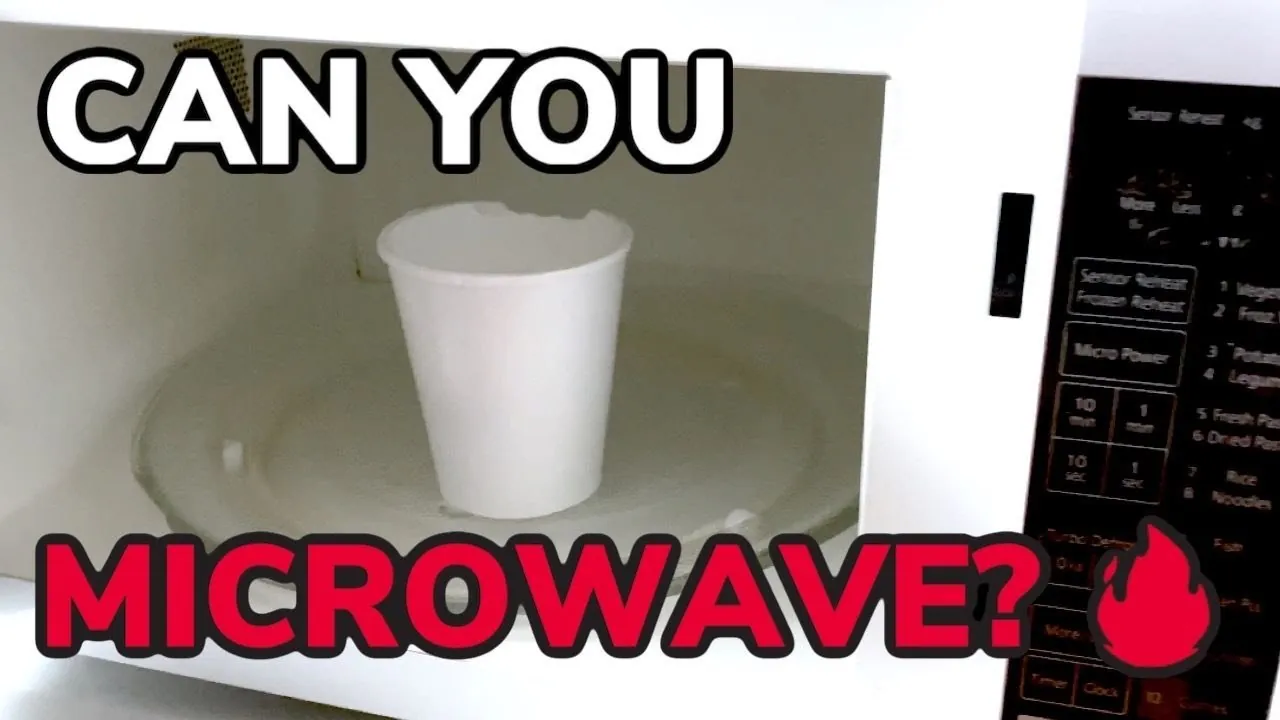
Switching to safer materials is the most effective way to avoid the hazards associated with melting plastics. Glass and ceramic are the gold standards for microwave use because they’re inert and don’t leach chemicals into food, regardless of how long you heat your meal.
- Glass Containers: Brands like Pyrex or Anchor Hocking offer tempered glass options that are durable and easy to clean.
- Ceramic Bowls: Most standard kitchen-grade ceramic dishes are microwave-safe, provided they don’t have metallic paint or trim.
- Silicone Covers: Using a silicone lid instead of plastic wrap helps prevent splatters and avoids direct contact between plastic and hot food.
- Paper Towels: For simple reheating tasks, a plain, unprinted paper towel can serve as a suitable cover to prevent messes.
Why Fats and Sugars Matter
Microwaves work by agitating water molecules, but they also heat fats and sugars much faster than water. If you’re reheating a dish that’s heavy in oil, butter, or sugar—like lasagna, pizza, or glazed vegetables—the surface temperature of the food can quickly exceed the melting point of the container. This localized “hot spot” is exactly where the plastic begins to fail, leading to the rapid release of chemicals into the high-fat areas of your meal.
Pro Tip: Always stir your food halfway through the heating process. This redistributes the heat, prevents localized hot spots that can melt containers, and ensures your food reaches a uniform temperature without causing the dish to fail.
How to Handle Takeout Food
Takeout culture has made it easy to rely on the containers provided by restaurants, but this is a common source of accidental melting. Most restaurants use the cheapest available packaging to maintain margins, which rarely includes microwave-grade materials.
- Transfer Immediately: As soon as you get home, move your leftovers from the Styrofoam container to a glass or ceramic plate.
- Check the Lid: Sometimes the container is safe but the lid is not. Never risk heating a lid that doesn’t have a clear microwave-safe label.
- Use the Stove: If you have a large amount of food, reheating on the stovetop is often better for texture and allows you to use your stainless steel or cast iron cookware.
Troubleshooting Melted Plastic Accidents
If you accidentally leave a container in the microwave and it melts onto the interior surface, don’t panic. The first step is to turn off the power and let the unit cool completely. Attempting to wipe molten plastic while it’s still hot will only smear it further and may cause burns.
- Cooling: Allow the microwave to sit for at least 30 minutes.
- Scraping: Once the plastic has hardened, use a plastic putty knife or a credit card to gently lift the edge of the plastic. Avoid metal knives, as these can scratch the microwave’s interior coating.
- Softening: If the plastic remains stubborn, use a small amount of vegetable oil or a citrus-based cleaner to help loosen the bond.
- Cleaning: After the bulk of the material is removed, wipe the area with a damp cloth and mild dish soap to ensure no residue remains.
Comparing Heating Methods
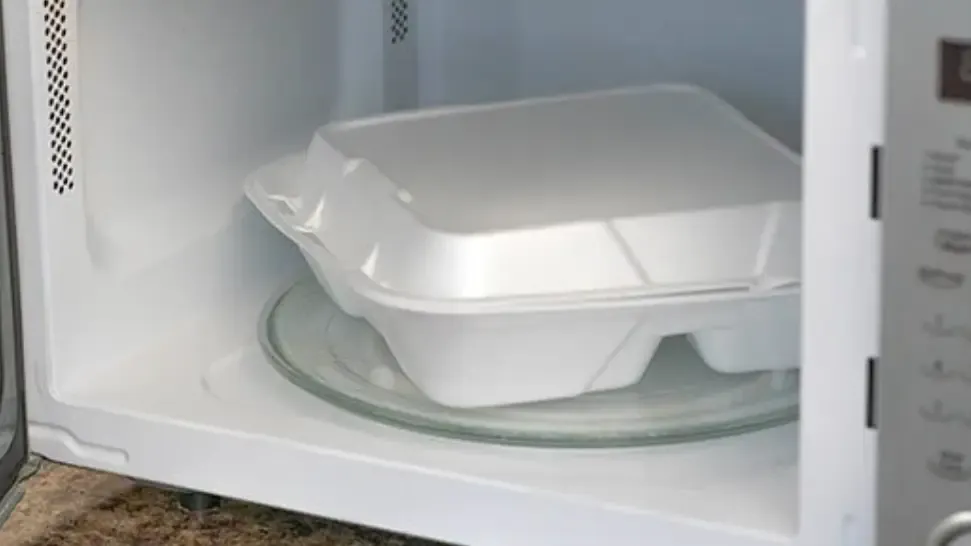
Choosing the right vessel for the right job is essential for kitchen safety. While the microwave is convenient, it isn’t the only way to reheat your food.
| Method | Speed | Safety | Material Compatibility |
|---|---|---|---|
| Microwave | Fast | Moderate | Glass, Ceramic, Paper |
| Stovetop | Medium | High | Stainless Steel, Cast Iron |
| Oven | Slow | High | Glass, Ceramic, Metal |
| Air Fryer | Fast | High | Metal, Silicone |
Related guides
Frequently Asked Questions
Can I microwave cardboard instead of Styrofoam?
Plain, uncoated cardboard is generally safe for short durations in the microwave. However, be cautious of cardboard containers that have a wax coating or metallic lining, as these can melt or spark. Always check for a microwave-safe label on the bottom of the packaging before heating. If the cardboard shows signs of grease saturation, it’s safer to transfer the food to a ceramic plate first.
Is it safe to reheat food in a Styrofoam cup?
No, it isn’t safe to reheat liquids like coffee, tea, or soup in a Styrofoam cup. Liquids reach high temperatures very quickly in a microwave, which can cause the thin walls of a foam cup to collapse, leading to spills and potential burns. Furthermore, the heat will cause the plastic to leach chemicals directly into your beverage, significantly altering the taste and safety of your drink.
What happens if I accidentally eat food from a melted container?
If you consume a small amount of food that was in contact with a slightly warped or melted container, the risk of acute toxicity is typically very low. However, you should stop eating the food immediately if you notice a chemical taste or smell. If you feel unwell or experience persistent stomach discomfort, contact your local poison control center or a medical professional for guidance based on your symptoms.
Does the “microwave-safe” label guarantee safety?
The “microwave-safe” label simply means the container has been tested to ensure it won’t melt or warp under normal usage conditions. It doesn’t mean the container is indestructible or that it will never leach any chemicals. It’s a baseline indicator of structural integrity, not a guarantee of total chemical inertness. For the highest level of safety, glass and ceramic remain superior choices to any plastic.
Can I reuse Styrofoam containers for storage?
Styrofoam is porous and difficult to sanitize, making it a poor choice for food storage. Bacteria can easily become trapped in the microscopic crevices of the foam, and the material degrades over time, which can lead to small pieces of plastic breaking off into your food. It’s much better to utilize airtight glass or BPA-free plastic containers, which are designed for repeated use, cleaning, and long-term food preservation.
Conclusion
To protect your health and the longevity of your appliances, make it a habit to transfer all takeout food to glass or ceramic dishes before reheating. This simple change eliminates the risk of chemical leaching and prevents the messy, potentially damaging accidents that occur when plastic containers fail under heat. Start by clearing your cabinets of any remaining foam containers today.