
You can resolve the issue when a washing machine wont spin by checking if the laundry load is unbalanced or if the door isn’t latching correctly. These two factors account for the majority of cases where a machine stops mid-cycle. Before you assume the worst, ensure the appliance is sitting level on the floor and that you haven’t overloaded the drum with heavy, wet items.
Reasons your washing machine wont spin
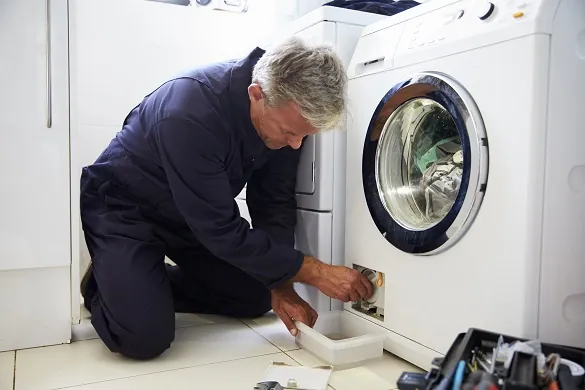
When your drum fails to rotate, the most frequent cause is an uneven distribution of weight. Most modern washers have sensors that detect imbalance to prevent the machine from shaking violently or damaging itself. If one heavy item, like a rug or a thick blanket, sits on one side of the drum, the machine will refuse to enter the spin cycle to protect the drum bearings and the motor.
Another common reason is a door switch that has failed to trigger. The washer must receive a signal that the door is firmly locked before it can safely engage the high-speed spin. If the latch is loose, dirty, or damaged, the control board will pause the cycle as a safety precaution. You can verify this by opening and closing the door firmly to ensure the locking mechanism clicks into place.
Finally, a blocked drain pump can prevent the spin cycle. The machine won’t spin if it senses that water is still inside the drum. If the water can’t exit, the machine stays in a safety pause to prevent flooding your laundry room floor.
Safety: Inside a mains-powered machine, the parts behind the outer cover can hold a dangerous electrical charge even after it has been unplugged — that’s why they sit behind a cover. Opening the housing, or testing or replacing anything behind it, is a job for a qualified technician, never a home repair.
Balance the load and check the floor
If the machine stops during the spin phase, first pause the cycle and open the door. Manually redistribute the clothes so they’re spread evenly around the drum. If you’re washing a single heavy item, add a few smaller towels to help balance the weight. This is the most common mistake, and it often costs users a service call fee for a simple fix they could have done themselves.
If the machine wobbles or walks across the floor during the rinse, it’s likely sitting on an uneven surface. Use a spirit level to check the top of the machine, then adjust the leveling feet at the base by turning them clockwise or counter-clockwise. This adjustment is vital because a machine that isn’t level will trigger the internal sensors every time it tries to spin.
This fix is for anyone who hears the machine shaking or sees it moving during the cycle. If you have leveled the machine and balanced the clothes, but it still refuses to spin, the issue is likely mechanical. You should stop attempting to force it and check your user manual for error codes. If the machine continues to fail, you’ll need a professional technician to inspect the internal components.
Inspect the door lock and latch
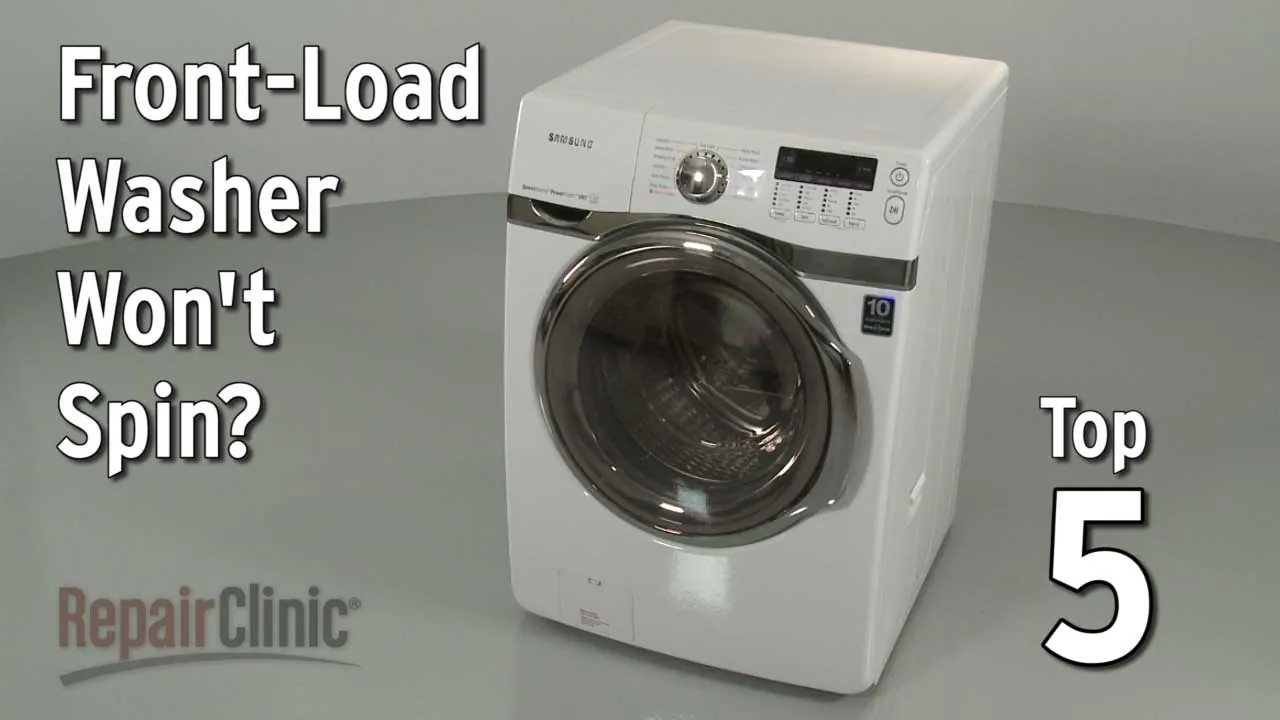
A door that doesn’t lock properly will prevent the spin cycle from ever starting. Check the latch area for trapped lint, coins, or small pieces of clothing that might be blocking the mechanism. If the door feels loose when closed, the latch may be worn out and in need of a simple replacement part.
You should also look for visible signs of damage on the door seal. If the rubber gasket is torn or folded, it can prevent the door from closing tightly enough to engage the sensor. Run your finger along the entire perimeter of the gasket; even a small tear can prevent the door from closing tightly enough to engage the latch sensor.
This fix isn’t for those who are uncomfortable working with internal appliance components. If you find that the latch is broken or the switch is faulty, you can replace the part yourself or call a qualified repair service.
Attempting to bypass a safety switch is dangerous and can lead to serious injury or damage to your home’s electrical system. Never try to force the door shut if the locking mechanism is physically broken, as this often snaps the plastic housing and triples your repair costs.
Clear the drain filter and hose
If the drum is full of water at the end of the wash, the machine won’t spin. Most front-load washers have a small access door at the bottom front where you can reach the drain pump filter. Place a shallow tray or a few thick towels on the floor before you open this, as water will spill out.
Slowly unscrew the filter cap and remove any debris, such as hair, coins, or small buttons. These items often get stuck in the pump and block the water from exiting the system. Once the filter is clean, screw it back in tightly and run a drain-only cycle to see if the pump can move the water. If the pump makes a loud grinding noise, it may be failing.
This fix is worth the time if you suspect a blockage, but it isn’t for those who can’t safely move the machine or manage a potential water spill. If you clean the filter and the pump still doesn’t run, the pump itself might be burned out. At this stage, professional diagnostic tools are needed to verify if the pump motor has failed or if the control board is no longer sending power.
Popular advice that causes more harm
Forcing the door shut by slamming or taping it to bypass a faulty latch often snaps the handle or warps the door frame. What began as an inexpensive switch replacement quickly escalates into a costly structural repair. If the door refuses to click, inspect the strike plate for debris before applying force.
Overloading the drum to save time forces the motor to fight against excess friction. This heat buildup causes the drive belt to stretch or snap within months. If you can’t fit your hand vertically between the clothes and the top of the drum, remove items until the gap is clear.
Excessive detergent creates a thick suds blanket that confuses water-level sensors. The machine will enter a permanent rinse loop, wasting gallons of water and hours of your day. If you see suds lingering after the cycle, use half the recommended amount next time.
Bypassing safety switches invites catastrophic injury. These sensors prevent the drum from spinning while the door is open. If your machine fails to start, check the breaker first rather than tampering with the internal wiring.
Prevent future spin issues

The best way to stop these issues is to follow the manufacturer’s load capacity guidelines for every cycle. An overloaded machine will always struggle to balance, leading to more frequent interruptions. Regularly cleaning the drain filter and checking the door seal for debris will keep the system running smoothly for years to come.
Most users ignore the “dry weight” limit, which is often lower than the drum’s visual capacity. If you can fit your hand into the top of the drum after loading, you have left enough room for the clothes to tumble. Cramming the drum to capacity prevents the water from circulating, which forces the sensors to trigger an emergency stop.
If you’re washing heavy rugs, wash one item at a time to prevent massive imbalance. Use the recommended amount of soap rather than extra, as excess suds confuse the water level sensors. If you notice the machine walking across the floor, level the feet immediately to protect the internal bearings. Finally, empty all pockets before starting; a single stray coin can block the pump and cause a permanent error code.
Related guides
Frequently asked questions
How long does a typical spin cycle take?
A standard spin cycle lasts between 8 and 15 minutes, depending on the cycle and load size. The machine may pause to balance the load or drain excess water. If it remains stuck for over 30 minutes, check for a drain blockage or unevenly distributed items.
Is it safe to keep using the washer if it won’t spin?
No, you should stop using the machine until you identify the cause of the problem. If the machine is unbalanced, it can damage the drum suspension or the floor. If the pump is blocked, the standing water can lead to mold and damage the internal seals. Always unplug the appliance before you inspect the drain filter or the door latch to ensure you’re safe from any electrical risks.
Why does my washer stop at the same time every cycle?
The machine likely pauses because it’s attempting to sense laundry weight or initiate the drain pump. This occurs when the computer program reaches a specific check point. If the sensor fails to send the correct signal, the cycle will pause until the issue is resolved.
Can I fix a broken door latch myself?
Yes, you can replace a door latch if you have the correct replacement part for your specific model number and basic hand tools. You must ensure the machine is completely unplugged from the wall before starting any work. If you find that the wiring behind the latch is damaged or the control board is involved, you should call a professional.
What happens if I ignore the shaking?
If you ignore the shaking, you risk damaging the drum bearings, the shock absorbers, or the outer tub of your washer. The internal components are designed to handle balance, but constant vibration will eventually cause the metal or plastic parts to crack or warp. Once the suspension system is damaged, the cost of repair often exceeds the value of the machine, making it necessary to replace the entire unit.
How do I know if the motor is dead?
A humming sound without drum movement or a burning odor often indicates a failed motor. A dead motor typically produces no sound at all during the spin cycle. If you suspect motor failure, contact a professional technician to test the electrical connections and confirm if replacement is necessary.
Conclusion
If the drum still won’t move after these checks, it’s time to call a professional technician. They’ll have the right tools to inspect the motor or drive belt safely. Don’t worry, as these parts are often easy to replace, and you’ll have your laundry routine back to normal in no time.