
A modern washing machine typically uses between 13 and 25 gallons of water per load, depending on the machine’s efficiency, age, and cycle settings. For a standard household, this equates to a monthly water consumption range of 400 to 1,200 gallons, depending on the frequency of laundry days and the specific capacity of the drum.
Key Takeaways
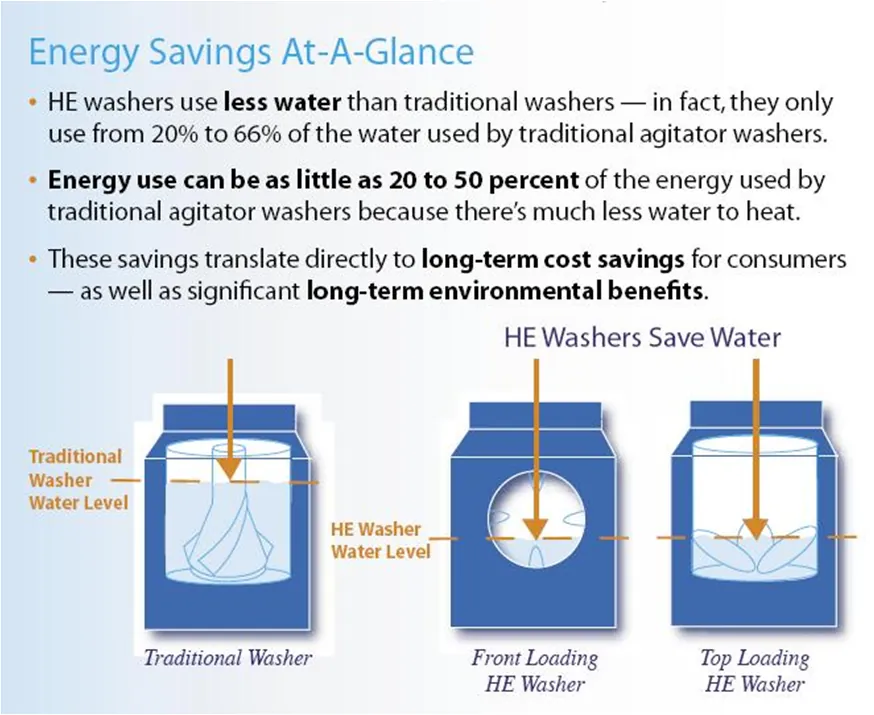
- Front-loading machines are generally more water-efficient than traditional top-loaders.
- Selecting the “eco” or “quick wash” cycle can reduce water usage by up to 30 percent per load.
- Filling the drum to the manufacturer’s recommended capacity ensures the most efficient water-to-clothing ratio.
- Older machines manufactured before 2010 often consume double the water of modern, high-efficiency models.
- Regular maintenance, such as cleaning the inlet filters, prevents leaks that waste water silently.
How Much Water Does A Washing Machine Use?
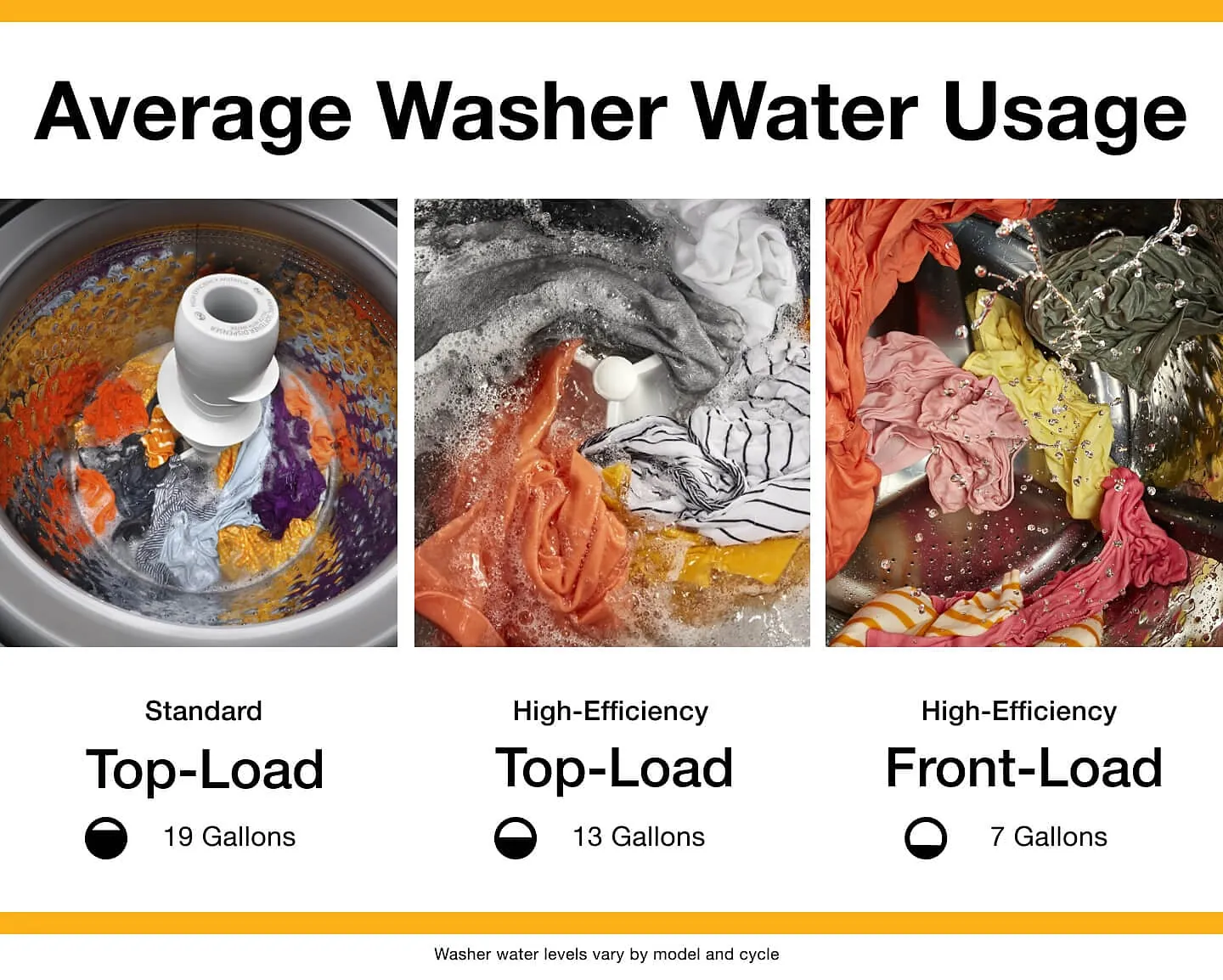
The volume of water consumed by your appliance is primarily dictated by its design. A traditional top-loading washing machine with a center agitator is the least efficient, often requiring 25 to 40 gallons per full cycle to submerge clothes completely.
In contrast, high-efficiency (HE) top-loaders use significantly less water, typically ranging from 15 to 20 gallons. Front-loading machines are the gold standard for conservation, using as little as 10 to 15 gallons because they tumble clothes through a shallow pool of water rather than soaking them entirely.
Water consumption isn’t static; it fluctuates based on the specific load size you select. Most modern machines utilize sensors to detect the weight of the laundry and adjust the fill level accordingly. If you consistently wash small loads, the machine will draw less water, but it will also be less efficient overall, as the energy and water used for the mechanical process are spread across fewer garments.
Comparing Washer Efficiency Standards
To understand the differences in consumption, it helps to look at the technology involved. Manufacturers design machines to meet specific utility standards, and the ENERGY STAR performance criteria provide a reliable benchmark for consumers looking to reduce their environmental footprint. These standards emphasize the Water Factor (WF), which measures the gallons used per cubic foot of capacity.
| Washer Type | Average Water Usage (Gallons) | Efficiency Rating |
|---|---|---|
| Traditional Top-Loader | 25 – 40 | Low |
| HE Top-Loader | 15 – 20 | Moderate |
| Front-Loader | 10 – 15 | High |
| Compact/Portable | 6 – 12 | Moderate |
Factors Affecting Your Water Consumption
Several variables influence how much water your machine draws during a standard cycle. Beyond the hardware, your daily habits have a measurable impact on your utility bills and resource usage.
Cycle Selection
Heavy-duty or bulky cycles often require an extra rinse or a higher water level to penetrate thick fabrics like denim or blankets. Conversely, delicate or quick-wash cycles are designed to minimize agitation and water exposure. Using the “extra rinse” feature, while beneficial for those with sensitive skin, can increase your total cycle water consumption by 20 to 30 percent.
Drum Capacity
The physical size of your drum matters. A 5.0 cubic foot machine naturally requires more water to fill than a 3.5 cubic foot model. However, a larger drum allows you to wash more clothes at once, which can lead to fewer total loads per week. The goal is to maximize the load capacity without overloading the machine, which can impede cleaning performance and cause the machine to struggle with water distribution.
Age of the Appliance
Older machines lack the sophisticated sensors found in current models. If your machine is more than 15 years old, it’s likely using significantly more water than the manufacturer’s current specifications suggest. Replacing a vintage model with a modern, certified high-efficiency unit is one of the most effective ways to lower your household water waste.
How To Calculate Your Monthly Usage
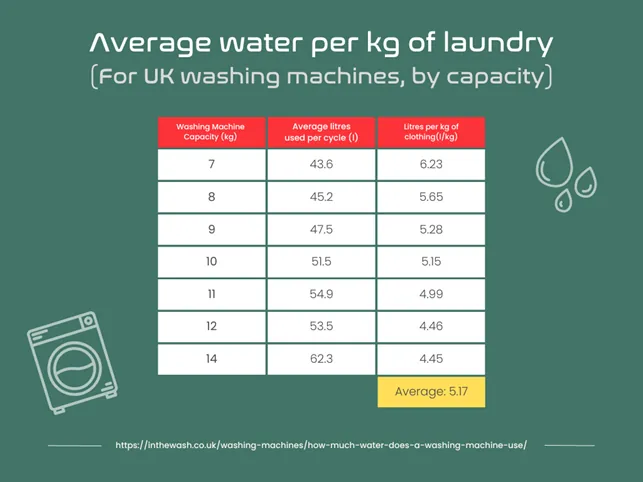
To determine your personal usage, you must first identify your machine’s model number and look up its technical manual online. Most manuals list the “average water consumption per cycle.” Once you have this figure, you can estimate your monthly total.
- Find the average gallons per cycle for your specific model.
- Count the number of loads you wash in a typical week.
- Multiply the gallons per cycle by your weekly load count.
- Multiply that weekly total by 4.3 to get your monthly average.
Pro Tip: If you can’t find your manual, look for a sticker on the inside of the door or the back of the machine that lists the “Water Factor” or “WF” rating. A lower number indicates a more efficient machine that uses less water per cubic foot of laundry.
Ways To Reduce Water Waste
Reducing water usage doesn’t require sacrificing cleanliness. Small adjustments to your laundry routine can lead to significant savings over the course of a year.
- Consolidate Loads: Never run the machine for just a few items. Wait until you have a full, but not stuffed, load.
- Pre-treat Stains: Instead of running an extra-long, water-heavy cycle to remove stubborn stains, use a concentrated stain remover before starting the load.
- Check for Leaks: Periodically inspect the rubber hoses connected to the back of your washer. Small, slow drips from loose connections can waste hundreds of gallons per month without you ever noticing a puddle on the floor.
- Upgrade Your Detergent: Using high-efficiency (HE) detergent ensures that the soap washes away cleanly with less water, preventing the need for repeat rinse cycles.
Troubleshooting High Consumption Issues
If you suspect your machine is using more water than it should, investigate these potential mechanical failures.
- Faulty Water Level Sensor: If the machine fills past the recommended line or overflows, the pressure switch or sensor may be failing.
- Siphon Effect: If your drain hose is inserted too far into the standpipe, it can create a siphon that pulls water out of the drum as fast as it enters, forcing the machine to refill constantly.
- Inlet Valve Issues: A faulty inlet valve may not close completely, allowing water to trickle into the drum even when the machine is turned off.
Warning: Always unplug your washing machine from the electrical outlet before attempting to inspect or repair internal components like the water inlet valve or the pressure switch to avoid the risk of electrical shock.
Water Usage By Cycle Type
Different settings are calibrated for different fabric types. Understanding how these settings work can help you choose the right cycle for every load.
| Cycle Setting | Water Intensity | Best For |
|---|---|---|
| Heavy Duty | High | Jeans, Towels, Bedding |
| Normal/Regular | Moderate | Mixed Cotton, Synthetics |
| Delicate/Gentle | Low/Moderate | Silk, Wool, Lingerie |
| Quick Wash | Very Low | Lightly Soiled Items |
Comparing Popular Washing Machine Brands
When shopping for a new machine, look for models that emphasize water conservation. The following brands consistently feature high-efficiency technology across their product lines.
- LG: Known for their TurboWash technology, which uses high-pressure nozzles to reduce water usage.
- Samsung: Offers a variety of front-loaders with advanced sensors for precise water control.
- Bosch: Renowned for engineering highly efficient German-made machines that focus on minimal water waste.
- Maytag: Provides robust HE top-loaders that bridge the gap between traditional capacity and modern conservation.
- GE Appliances: Features load-sensing technology that adjusts water levels to the exact weight of the clothing.
Environmental Impact Of Laundry
Water is a finite resource, and the energy required to heat that water accounts for a large portion of a household’s carbon footprint. By reducing your water usage, you’re also reducing the energy demand on your water heater. When you choose to wash in cold water, you further decrease the energy intensity of the laundry process. Most modern detergents are formulated to work effectively in cold water, making it easy to save both water and electricity simultaneously.
Related guides
Frequently Asked Questions
Does a front-loader use less water?
Yes, front-loading machines use significantly less water than traditional top-loaders. Because they use gravity to tumble clothes through a shallow pool of water, they typically require only 10 to 15 gallons per load. Traditional top-loaders, which rely on submerging clothes completely in a full drum, often require 25 to 40 gallons to achieve the same cleaning results.
Can I manually adjust the water level?
Most modern washing machines use automated sensors to determine the water level based on the weight and type of laundry. While some older or professional-grade models offer manual water level settings, most consumer machines don’t allow you to override these sensors. Attempting to manually add water can interfere with the machine’s balance and cleaning cycles.
Does washing in cold water save water?
Washing in cold water doesn’t directly reduce the volume of water used, but it does save a significant amount of energy. The water heater is one of the most energy-intensive appliances in a home. By skipping the hot water setting, you reduce the overall energy footprint of your laundry day, which is just as important for environmental conservation as saving water.
How do I know if my washer is efficient?
Check for the Energy Star label on your machine or look up the model number on the manufacturer’s website. Efficient machines are often rated by their “Water Factor,” which measures how many gallons are used per cubic foot of capacity. A lower number indicates higher efficiency. If your machine is over 10 years old, it’s likely far less efficient than current models.
Is it better to wash one big load?
Yes, it’s generally more water-efficient to wash one large, full load than several small ones. Most machines use a base amount of water for the mechanical process, regardless of how many items are inside. By filling the drum to the manufacturer’s recommended capacity, you ensure that you’re getting the most cleaning power out of every gallon of water consumed.
Conclusion
To begin reducing your utility costs and environmental impact today, locate your washing machine’s model number on the frame of the door or the back panel. Search for the official digital manual provided by the manufacturer to identify the exact water consumption specifications for your specific unit, then adjust your laundry habits to prioritize full, efficient loads.