
You can resolve most startup issues by checking the gas supply, remote battery levels, and pilot light status using this Valor Fireplace Troubleshooting Guide. If the unit fails to ignite, the most common cause is a depleted battery in the receiver or remote. If basic checks fail, contact a certified technician to avoid gas leaks or control module damage.
Valor Fireplace Troubleshooting Guide
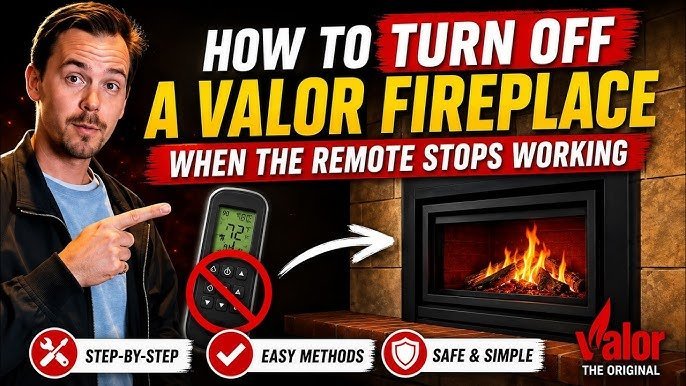
The primary reason a fireplace fails to start involves the electronic ignition sequence. These units use a battery-operated receiver to signal the gas valve to open. If your batteries are low, the receiver may not have enough voltage to trigger the pilot light or maintain the flow of gas. This varies by model—check the label on your receiver box for the specific battery type and voltage requirements.
Another common cause is a disrupted thermocouple or thermopile signal. These sensors detect heat from the pilot flame and tell the gas valve it’s safe to keep the main burner running. If the pilot flame is too small or flickering, the sensor won’t get hot enough, and the system will shut off the gas as a safety measure. This is a common safety feature designed to prevent raw gas from entering your living space.
Finally, air in the gas line often stops a unit from starting, especially after a long period of disuse or a gas service interruption. If you have recently changed your gas tank or had utility work done, the line needs to be bled of air. If you suspect a leak or smell gas, leave the area immediately and contact your local utility provider.
Check the remote and receiver batteries
This fix is for users whose fireplace is completely unresponsive to the handheld remote. It’s the first step because batteries are the most frequent point of failure in modern gas fireplaces. If your remote screen is blank or the receiver box makes no sound when you press “On,” you must change the power source.
To perform this, locate the battery pack inside the fireplace housing or behind the wall plate. Remove the old batteries and insert fresh ones, ensuring the positive and negative ends match the markings exactly. If you use rechargeable batteries, the unit might not function correctly because they often provide a lower starting voltage than standard alkaline cells. If the remote screen shows a “low battery” icon, replace those cells immediately, even if the remote still seems to light up.
After replacing the batteries, you must resync the remote to the receiver. Most models require you to press the “Learn” or “Reset” button on the receiver box until you hear a series of beeps, then press the “On” button on the remote within ten seconds. If the unit chirps to confirm, the sync is successful. If you don’t hear a beep, check that the receiver switch is set to “Remote” and not “Off” or “Manual.” This fix isn’t for users who smell gas or hear a hissing sound; if that happens, stop immediately and shut off the main gas supply to the unit.
Clear the pilot light path
This fix is for users whose pilot light refuses to stay lit after the ignition sequence begins. When the pilot flame is too weak or blocked by debris, the system can’t detect the heat required to open the main gas valve. Over time, dust and spider webs can build up in the pilot orifice, causing the flame to burn yellow or small instead of a crisp blue.
To clear the path, ensure the unit is turned off and completely cool to the touch. Use a can of compressed air to gently blow away any dust or lint around the pilot burner assembly. Don’t use metal tools or wire brushes, as these can scratch the delicate ceramic surfaces of the ignition components or break the thermocouple tip. If you see visible carbon buildup or soot, don’t try to scrape it off, as this can damage the sensor.
If the pilot flame remains small or yellow after cleaning, the gas pressure might be too low. You can’t adjust the gas pressure yourself, as this requires a manometer and specific training to ensure the burner doesn’t create excess carbon monoxide. If the flame doesn’t stay lit after three attempts, you have reached the limit of what you can safely do. At this point, you must call a licensed gas technician to inspect the pilot assembly and verify the gas pressure settings.
Reset the main gas control valve
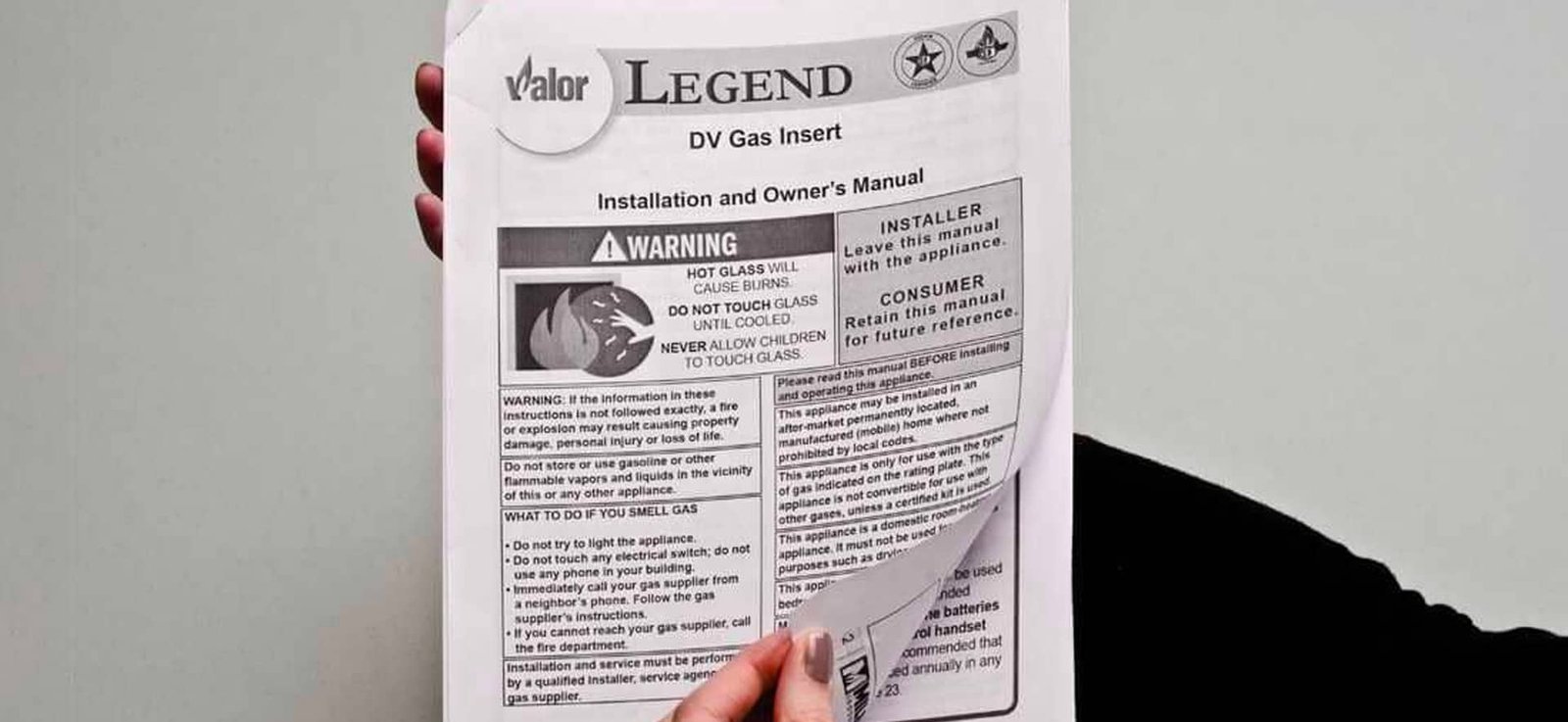
This fix is for users who have a solid gas supply and fresh batteries but still experience burner failure. Sometimes, the gas control valve enters a “lockout” mode after a failed ignition attempt or a power surge. This mode is a safety feature that prevents the fireplace from trying to light repeatedly when there’s no flame.
To reset the system, turn the main control dial to the “Off” position and wait for at least five minutes. This waiting period is critical because it allows any residual gas to dissipate and gives the internal thermal sensors time to reset. After the wait, turn the dial back to the “Pilot” position and hold it down as instructed by your model’s user manual to bleed any trapped air from the line.
This is a trade-off: you can get the unit working temporarily, but you aren’t fixing the underlying fault. If the unit fails to light after this reset, don’t keep trying, as this can cause gas to build up in the firebox. If you’re uncomfortable working near the gas valve or if the smell of gas persists, stop immediately and call a professional.
What not to do
- Don’t use water or wet cloths to clean the burner area. Water can corrode the delicate electrical contacts and ruin the ignition module, leading to costly repairs.
- Don’t force the gas control dial if it feels stuck. Forcing the dial can snap the internal stem, which requires the entire valve assembly to be replaced.
- Don’t attempt to bypass the wall switch or the remote receiver. These components are wired to safety sensors, and bypassing them removes the protection that prevents gas leaks in your home.
- Don’t store flammable items near the fireplace grate. Even when the unit is off, the pilot light remains a source of heat that can ignite nearby materials if they’re left too close.
How to stop it happening again
Regular maintenance is the most effective way to prevent future issues with your fireplace.
| If you’re doing this | Do this instead | Why |
|---|---|---|
| Leaving batteries in all year | Remove batteries during summer | Prevents corrosion from heat and humidity |
| Cleaning with a damp cloth | Use a dry, soft-bristle brush | Keeps electrical components dry and safe |
| Ignoring a flickering pilot | Call a technician for a cleaning | Prevents total ignition failure later |
Frequently asked questions
Can I fix a gas fireplace that won’t light myself?
You can fix common issues like dead batteries or dirty pilot lights yourself. Most manufacturers provide a manual listing specific user-serviceable parts for your model. However, you must call a professional for internal gas valve, burner assembly, or gas pressure issues to avoid gas leaks or fire risks.
Why does my fireplace remote screen show a battery icon?
The battery icon indicates that your remote’s voltage is too low to send a strong signal. You should replace the batteries immediately with high-quality alkaline batteries to prevent the fireplace from shutting off unexpectedly. If the icon persists after replacement, the remote may have an internal fault.
How long should the pilot light stay on?
The pilot light should remain on while the fireplace is in “Pilot” or “Standby” mode. If it goes out, the cause is typically a dirty sensor or inconsistent gas pressure. If the pilot won’t stay lit for more than a few seconds, the thermocouple is likely failing and requires professional testing.
Is it safe to smell a little gas when starting?
No, it’s never safe to smell gas when operating your fireplace. A gas smell indicates a potential leak in the supply line or a valve failure. If you detect gas, shut off the main supply valve immediately, evacuate the area, and contact a certified technician or your gas utility provider.
What happens if I use the wrong battery type?
Using the wrong battery type can prevent the receiver from opening the gas valve or trigger system errors. Modern receivers are sensitive to voltage, and alkaline batteries are generally required for reliable performance. Always check the receiver box label to ensure you’re using the specific battery type required for your model.
Final Thoughts
If your fireplace still won’t start after you’ve tried these simple fixes, don’t hesitate to reach out to a local pro. They’ll have the right tools to safely inspect the internal components for you. Keeping your hearth in good shape ensures you’ll stay cozy and warm all winter long.
Related guides
- Hart Lawn Mower Troubleshooting Manual: Fix Common Issues in 2026
- Panasonic Phone Troubleshooting Manual: Fix Common Issues in 2026
- Thermador Refrigerator Troubleshooting: Fix Common Issues in 2026