
You can resolve most common heating issues using Bryant Plus 90t Furnace Troubleshooting by verifying power, checking the thermostat, and inspecting the filter before calling a technician. The most frequent cause of a system failure is a tripped circuit breaker or a dirty air filter that restricts airflow, which forces the unit to shut down to prevent overheating.
Reasons for Bryant furnace failure
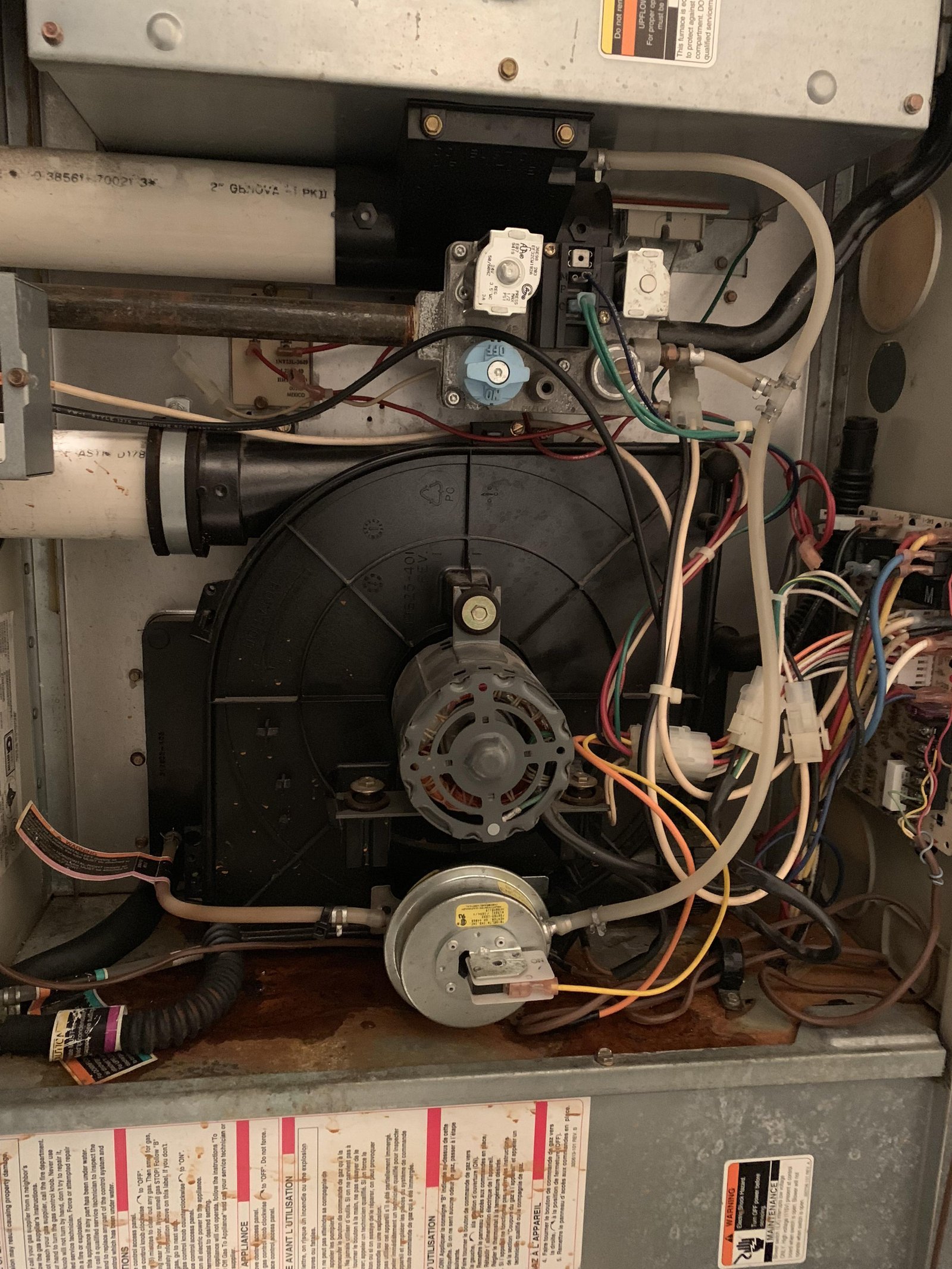
Heating systems stop working when safety features trigger a shutdown to protect the internal components from damage. If the furnace detects an unsafe condition, it will cut power to the burner or blower to prevent a fire or mechanical failure.
The most common reason for a sudden stop is a dirty air filter. When the filter becomes clogged with dust and debris, the blower motor can’t pull enough air through the system. The limit switch senses this high temperature and stops the heat cycle. This protects the heat exchanger from cracking.
Another frequent cause is power interruption. A tripped circuit breaker or a loose door panel will stop the furnace immediately. The furnace has a safety switch, often called a door interlock, that cuts electricity if the blower compartment cover isn’t perfectly in place. If the door is slightly loose, the furnace won’t start.
Finally, the thermostat itself might be the culprit. If the batteries are dead or the settings are incorrect, the furnace won’t receive the signal to ignite. You should always check the display for error codes or a blank screen before assuming the furnace is broken. If the unit is older, internal components might be wearing out, but you should always rule out these simple external issues first.
Safety: Inside a mains-powered machine, the parts behind the outer cover can hold a dangerous electrical charge even after it has been unplugged — that’s why they sit behind a cover. Opening the housing, or testing or replacing anything behind it, is a job for a qualified technician, never a home repair.
Check the power supply
If your furnace is completely silent, the first step is to check the electrical supply. Start by looking at your home’s main breaker panel. Find the switch labeled “Furnace” or “HVAC” and see if it has moved to the center “tripped” position. If it has, move it to the “off” position and then firmly back to “on.”
Next, inspect the furnace door panel. This panel covers the blower assembly. If it was bumped or not replaced correctly after a previous filter change, the safety interlock switch will remain open. The furnace won’t run with this door open. Press the panel firmly against the frame to ensure it’s seated flush. If you see a small gap, the furnace will stay off.
If you have a digital thermostat, check the screen. If it’s blank, the batteries may need replacement. Keeping your thermostat batteries fresh ensures the thermostat maintains its connection to the furnace control board. For non-digital models, ensure the “Heat” setting is selected and the temperature setpoint is higher than the current room temperature.
This fix is ideal for homeowners who hear no sound at all when the heat should be running. If the breaker trips again immediately after you reset it, don’t try to reset it a second time. A repeated trip indicates an electrical short that requires a licensed HVAC technician to inspect the wiring safely.
Replace the air filter
Restricted airflow is the most common cause of short-cycling, which happens when the furnace turns on and off too frequently. A clogged air filter prevents the furnace from moving the required amount of air, causing the internal sensors to shut the burners down to prevent overheating.
To check your filter, locate the slot where the air intake meets the furnace. Slide the old filter out and hold it up to a light source. If you can’t see light through the material, it’s time for a replacement. A clean filter allows the furnace to maintain proper internal temperatures, which extends the life of the blower motor.
If you have pets or live in a dusty area, you should check your filter regularly. For most other homes, a check as part of your usual clean is sufficient. If you’re using a high-efficiency pleated filter, it may need to be changed more often than a standard fiberglass version.
Always match the size of the new filter to the dimensions printed on the edge of the old one. Installing an incorrect size will allow dust to bypass the filter and damage the furnace components. If the system starts running steadily after you install a fresh filter, you have solved the problem.
Clear the condensate drain
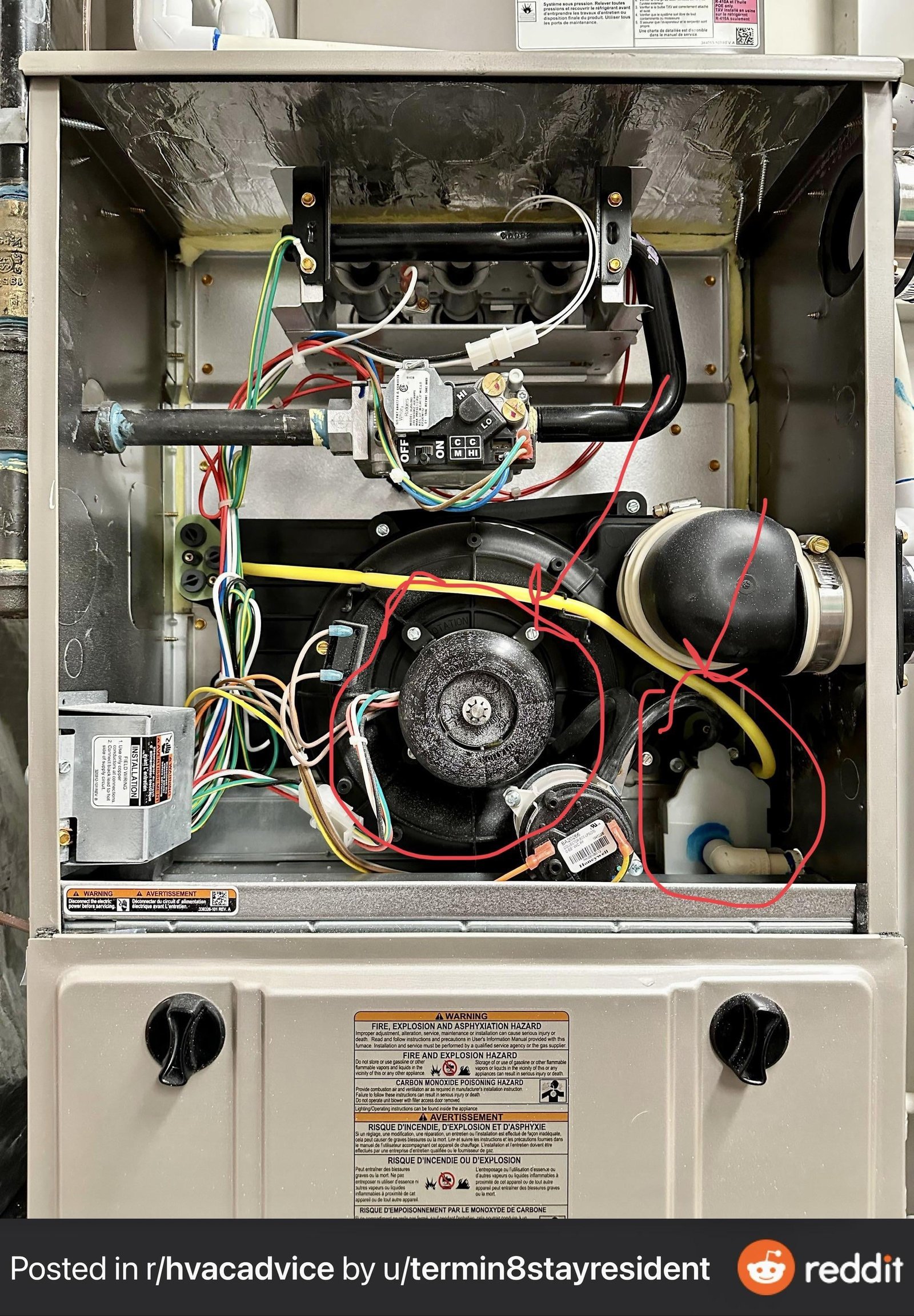
The Bryant Plus 90t is a high-efficiency furnace, meaning it produces liquid condensate during normal operation. This water must drain away through a small plastic pipe. If this pipe becomes blocked by algae or debris, the furnace will shut down to prevent water from leaking into the unit.
Look for a white or clear PVC pipe coming out of the side or bottom of your furnace. If you see standing water in the drain pan or the pipe looks clogged, the furnace won’t run. This is a common issue in humid climates where algae grows easily in damp lines.
If the blockage is minor, you may be able to see it at the end of the drain line. However, don’t attempt to disassemble the internal drain trap or the internal plumbing of the furnace. These parts are delicate and can break easily. If the clog is inside the unit, you must call a professional. They have the tools to flush the line without damaging the internal sensors.
This fix is for those who hear the furnace click on, but then hear it shut off after only a few seconds. If you see water pooling on the floor near the unit, turn the furnace off at the breaker immediately to prevent water damage to your home’s flooring or the furnace’s electrical board.
What not to do
- Don’t remove the furnace housing or touch electrical wires. The internal components, including capacitors, can hold a lethal electric charge even when the unit is unplugged, which can cause severe injury.
- Don’t use a vacuum or brush on the internal burners or heat exchanger. You can easily bend the delicate metal parts, which causes the furnace to run inefficiently or produce dangerous carbon monoxide levels.
- Don’t bypass any safety switches or sensors. These sensors exist to prevent house fires, and disabling them creates an immediate and extreme fire risk to your family and home.
- Don’t use generic parts from a hardware store for repairs. These parts are often not rated for the specific voltage or heat requirements of your furnace, which can lead to a catastrophic mechanical failure.
How to stop it happening again
Regular maintenance is the most effective way to prevent future furnace failures. By performing simple checks each season, you can avoid emergency service calls and keep your home comfortable throughout the winter.
| If you’re doing this | Do this instead | Why |
|---|---|---|
| Ignoring unusual furnace noises | Call a professional immediately | Early detection prevents expensive motor failure |
| Changing filters once a year | Check filters every 30-90 days | Clean air prevents overheating and shutdown |
| Blocking floor vents with furniture | Keep all floor vents clear | Airflow restriction causes the limit switch to trip |
| Leaving the furnace door loose | Ensure the door is flush and secure | Loose doors trigger the safety interlock switch |
Frequently asked questions
Bryant Plus 90t Furnace Troubleshooting: DIY or Pro?
Yes, you can perform basic troubleshooting like checking thermostat settings, replacing the air filter, and ensuring the furnace door is latched. These steps resolve most common issues. If the furnace still fails to function, you must stop and contact a licensed HVAC technician to avoid dangerous repairs.
Why is my furnace blowing cold air?
The furnace blows cold air because the burners have failed to ignite or shut down prematurely. This often happens if the flame sensor is dirty or the system is overheating due to a clogged filter. If the filter is clean, a professional must diagnose the specific ignition failure safely.
How long should a Bryant Plus 90t last?
A well-maintained furnace of this type typically lasts for many years. The actual lifespan depends heavily on your local climate, the frequency of your filter changes, and whether you have kept up with annual professional tune-ups. As the unit ages, you should discuss the condition of the heat exchanger with a technician.
Is it safe to run the furnace with the door off?
No, it isn’t safe to run the furnace with the door removed because the safety interlock switch cuts power when the panel is missing. Running the unit with the door off disrupts internal airflow and pressure. Always keep the service panel securely attached while the furnace is in operation.
What happens if I ignore furnace error codes?
Ignoring error codes can lead to a complete system failure or hazardous operating conditions. The control board flashes specific codes when it detects problems like a blocked vent or failed igniter. Always write down the code and tell the technician exactly what you saw when you call for service.
Final Thoughts
If your furnace still won’t start after these quick checks, don’t hesitate to contact a licensed professional. It’s better to have an expert inspect the internal components than to risk further damage. They’ll get your home warm again, and you won’t have to worry about the system failing during the next cold snap.