
You can resolve most performance issues by power cycling the unit and checking for common obstructions, making LG Direct Drive Washer Troubleshooting a manageable task for most owners. The most common cause of an error is a simple imbalance or a blocked drain pump filter. If your machine stops mid-cycle, start by unplugging it for sixty seconds to reset the electronic control board. This clears minor software glitches that often mimic mechanical failure.
LG Direct Drive Washer Troubleshooting
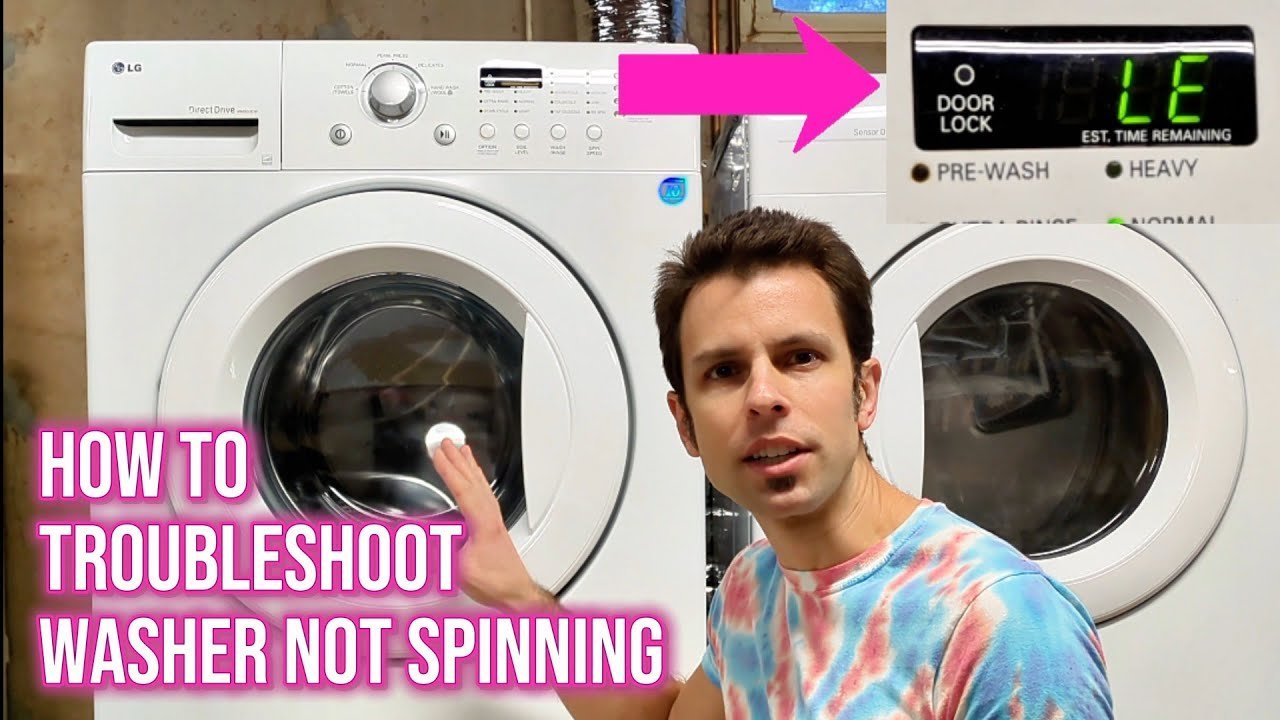
Most operational failures occur because the internal sensors detect an inconsistency that the machine can’t correct on its own. The LG Direct Drive system relies on a Hall sensor to track the speed and position of the drum. If the load is too heavy or unevenly distributed, the motor controller will pause the cycle to prevent damage to the drive assembly. This isn’t a broken part; it’s a safety feature built into the motor logic.
Another frequent cause is poor water drainage. If the drain pump can’t move water out fast enough, the pressure switch fails to signal that the tub is empty. This prevents the machine from entering the spin cycle. The pump filter acts as a trap for coins, hairpins, and lint. When this trap becomes clogged, the pump works harder, overheats, or simply stalls. You can check the state of your appliance’s components and error codes through the official LG support center to see if your specific model requires a manual reset.
Finally, environmental factors like uneven flooring or a loose water inlet screen can trigger alarms. If the washer sits on a floor that flexes, the vibration sensors will trigger an imbalance error regardless of how well you pack the clothes. Similarly, a restricted water flow from a clogged inlet screen causes the machine to time out during the fill phase. These issues are usually external to the internal drive mechanism and require only basic maintenance to fix.
Clear the drain pump filter
This fix is for owners experiencing “OE” error codes or water that remains in the drum after a cycle. Before you start, place a shallow tray and a towel on the floor, as water will spill out when you open the filter housing. Locate the small door on the bottom front of the machine. Open it to reveal a small rubber drain hose and a larger round filter cap.
First, pull the small hose out, remove its plug, and drain the excess water into your tray. This step is vital; if you skip it, you’ll have a large puddle on your floor. Once the water stops flowing, twist the large filter cap counter-clockwise to remove it. Inspect the cavity for debris like coins or small socks. If the impeller inside is blocked, gently clear it with your fingers or a soft brush.
After cleaning, screw the filter cap back in firmly. It must be tight to prevent leaks during the next wash. If you find the filter is damaged or the rubber seal is cracked, you should replace the part before using the machine again. If the pump makes a loud grinding noise after you have cleared all debris, the motor itself may be failing. At this point, stop the repair and call a professional technician. Don’t attempt to open the motor housing or test the electrical components yourself, as these parts aren’t user-serviceable.
Level the machine legs
This fix is for washers that “walk” across the floor or show an “uE” or “UE” error code. A washer that isn’t level can’t distribute weight evenly, which causes the direct drive motor to struggle. Use a bubble level to check the top of the machine from front to back and side to side. If the bubble isn’t centered, you must adjust the feet.
To adjust, loosen the locking nut on each leg by turning it clockwise. Rotate the foot clockwise to lower it or counter-clockwise to raise it. Once the machine is level, tighten the locking nut firmly against the base of the washer. If the nut is loose, the machine will shift during the high-speed spin and lose its level position within a few cycles.
If your floor is very uneven, you might need anti-vibration pads. These don’t replace leveling but provide a stable base for the feet. If you find that the floor itself is sagging or damaged, the washer will never stay level. In that case, you should move the unit to a reinforced area of the floor. If you can’t get the unit stable after adjusting all four feet, the internal suspension springs may be worn out. This is a trade-off: you can attempt to fix it, but if the frame is bent, the issue will return. This isn’t for people who lack the physical strength to tilt or move a heavy appliance.
Calibrate the weight sensors
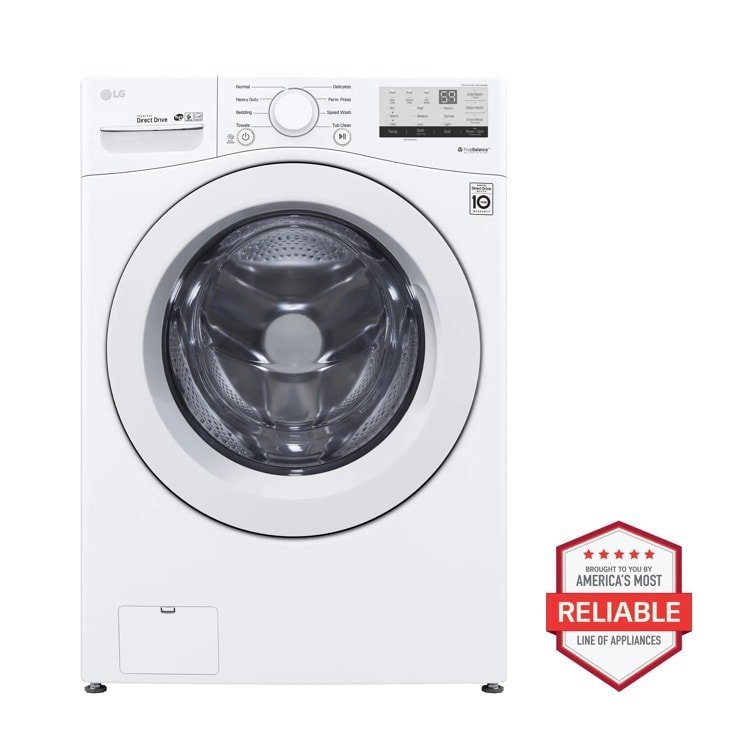
This fix is for machines that seem to misjudge the size of the load or stop unexpectedly. Some LG models have a calibration mode that resets the sensor’s baseline. To do this, ensure the drum is completely empty and no laundry is inside. Close the door and press the “Power” button.
Once the machine is on, press and hold both the “Spin Speed” and “Soil Level” buttons simultaneously for three seconds. The display should show “CL” or a similar code, depending on your specific model. Press the “Start/Pause” button to begin the calibration process. The drum will rotate slowly for about two to four minutes as the sensors measure the resistance and weight of the empty tub.
When the process finishes, the machine will turn off or display “End.” This reset tells the controller exactly what “zero weight” feels like. If the machine still reports an imbalance error after calibration, the issue is likely a mechanical component, such as a worn bearing or a failing shock absorber. This is a limit: calibration can’t fix broken hardware. If you see smoke or smell burning plastic during this process, stop immediately, unplug the unit, and call a professional.
What not to do
- Don’t use liquid soap in excess: Using more than the recommended tablespoon of detergent creates suds that confuse the water level sensors and can cause a leak.
- Don’t force the door open: If the machine is locked, it’s likely protecting you from hot water or high-speed movement; forcing it breaks the door latch mechanism, which is costly to replace.
- Don’t rely on the “extra spin” button: Running multiple spin cycles to fix an imbalance creates excessive heat in the direct drive motor and can cause the thermal fuse to blow.
- Don’t ignore a rhythmic thumping sound: This usually indicates a failing bearing or a loose drum spider, and continuing to use the machine will eventually destroy the outer tub.
How to stop it happening again
Small adjustments to your loading habits and maintenance routine will keep your machine running smoothly for years.
| If you’re doing this | Do this instead | Why |
|---|---|---|
| Mixing heavy and light items | Wash similar weights together | Prevents imbalance errors |
| Leaving items in pockets | Empty pockets before washing | Protects the drain pump filter |
| Using too much detergent | Use the manufacturer’s line | Prevents sensor-confusing suds |
| Slamming the door shut | Close it gently | Protects the latch sensor |
| Ignoring vibrations | Level the feet immediately | Prevents internal component wear |
Frequently asked questions
Can I reset my LG washer by unplugging it?
Yes, unplugging the washer for at least sixty seconds is the standard way to clear the electronic control board. This forces the software to reboot and often resolves “ghost” error codes caused by static or temporary voltage spikes. If the error returns immediately after plugging it back in, the problem is likely a physical fault rather than a software hang.
Why does my washer stop during the spin cycle?
The washer stops because it detects an uneven load that would cause the machine to vibrate excessively. The direct drive motor senses the resistance and pauses to prevent the drum from hitting the sides of the cabinet. This is a common safety mechanism to prevent damage to the suspension springs.
How long does the calibration mode take?
Calibration usually takes between two and four minutes. The drum will move back and forth to measure the weight of the tub. It’s important that you don’t open the door or press any buttons while this is running, as it will cancel the process and leave the sensors uncalibrated.
Is it safe to use my washer if it makes a grinding noise?
No, a grinding noise suggests that debris is trapped in the pump or that a bearing is failing. If you have already cleared the filter and the noise persists, stop using the machine. Continued use can cause the motor to overheat, which creates a fire hazard or ruins the drive assembly.
What happens if I ignore an OE error code?
Ignoring an OE code means the water remains in the tub, which can lead to mold growth and damage the motor seals. The water adds weight to the drum, which puts unnecessary stress on the suspension system and the drive motor during every cycle. Always clear the pump filter as soon as this code appears.
Final Thoughts
If these basic steps don’t get your machine running smoothly again, don’t hesitate to contact a professional technician for help. It’s better to reach out early than to risk further damage to the motor. You’ll have your laundry routine back to normal in no time once the experts take a look.
Related guides
- Brother Sewing Machine Troubleshooting: Fix Common Errors Fast in 2026
- Maytag Washer Bravos Xl Troubleshooting: Fix Common Errors in 2026
- Samsung Clothes Washer Troubleshooting: Fix Common Error Codes