
Is your well pump acting up? Don’t let a faulty pressure switch leave you without water.
You’re probably wondering what’s going on and how to fix it. This guide is here to help. We’ll break down common pressure switch problems and give you simple steps to troubleshoot them. Get your water flowing again – read on to find out how!

Credit: www.streampumps.com
What Is A Pressure Switch?
Understanding your well pump system is key. A crucial part is the pressure switch. It controls your pump’s operation. This little device is very important.
Its Role In Your Well System
The pressure switch is the brain. It monitors water pressure. It tells the pump when to start. It tells the pump when to stop. This keeps water flowing. It prevents pump damage. Your home needs consistent water. The switch ensures this. It’s a vital component.
How It Works
Think of it like a thermostat. It has two settings. These are cut-in and cut-out pressures. The cut-in pressure is low. This is when the pump starts. Water is used. Pressure drops. The switch senses this drop. It activates the pump. The pump then fills the pressure tank. Water pressure rises again. The cut-out pressure is high. This is when the pump stops. The switch senses this rise. It deactivates the pump. This cycle repeats. It maintains pressure. It’s a simple, effective design. The switch uses a diaphragm. It pushes against a lever. This lever controls electrical contacts. Contacts turn the pump on. Contacts turn the pump off. It’s a smart system. It keeps your water ready.
Common Pressure Switch Problems
Your well pump system relies on a pressure switch. This small but mighty device controls your pump. It turns the pump on and off. It keeps your water pressure steady. Problems with the switch cause issues. Let’s explore common pressure switch problems.
Pump Won’t Turn On
The pump stays silent. Water pressure drops low. The switch should activate the pump. It might be stuck in the “off” position. Debris can jam the mechanism. The contacts might be dirty. A faulty diaphragm is also possible. This prevents the switch from closing. The pump receives no power. No water flows.
Pump Won’t Turn Off
The pump runs constantly. Water pressure climbs too high. The switch should stop the pump. It may fail to open. The contacts might be welded shut. This keeps the circuit closed. A loss of air in the pressure tank is another cause. The switch thinks pressure is lower. It keeps the pump running. This can damage your system.
Short Cycling
The pump turns on and off rapidly. This is called short cycling. It is hard on the pump motor. It can also damage the pressure tank. A common culprit is a waterlogged tank. The air bladder fails. Water fills the entire tank. The pressure fluctuates wildly. The switch cycles on and off. It tries to keep up. Another cause is a leaky pipe. Water escapes constantly. The switch activates often.
Erratic Pressure
Water pressure is unpredictable. It goes up and down. The pressure switch is likely the issue. The diaphragm may be damaged. It does not respond correctly. The spring tension might be wrong. It needs careful adjustment. Loose wiring can also cause problems. The switch gets an inconsistent signal. This leads to fluctuating pressure. Your water delivery suffers.
Troubleshooting Steps
Fixing your well pump’s pressure switch is simple. Check for power first. Then, test the switch contacts. Adjusting the pressure settings may also help.
Here are the troubleshooting steps. This section guides you through common well pump pressure switch problems. Follow these steps carefully. You can fix many issues yourself. This will save you time and money.Safety First!
Always turn off power. Find your circuit breaker. Flip the switch to OFF. This prevents electric shock. It is very important.Visual Inspection
Look at the pressure switch. Is it dirty or corroded? Check for physical damage. Are there any loose wires? A quick look can reveal a lot.Checking The Cut-in And Cut-out Settings
These settings control pump operation. The cut-in pressure starts the pump. The cut-out pressure stops it. Your manual shows the correct settings. Adjust them if needed. Use a screwdriver.Testing The Diaphragm
The diaphragm is inside the switch. It senses water pressure. A damaged diaphragm causes problems. You may need to replace it. This part is crucial.Inspecting Electrical Connections
Loose wires cause no power. Check all screw terminals. Make sure they are tight. Clean any corrosion. Good connections are vital.Checking For Leaks
Water leaks affect pressure. Inspect all pipe connections. Look for drips or wet spots. Fix any leaks promptly. Leaks lower system pressure.Testing The Pressure Tank
The pressure tank stores water. It also maintains pressure. Check the air charge. A faulty tank needs repair. It works with the switch.
Credit: pumpituppump.com
Tools You’ll Need
Ready to tackle your well pump pressure switch? You need the right tools. Gathering these items makes the job easier. You will fix problems faster. Safety comes first. Always disconnect power.
A basic toolkit works well. You will need screwdrivers. Get both Phillips and flathead types. A socket set is also helpful. Look for common sizes. A voltage tester is essential. This tool checks for electricity. Always use a non-contact tester. It is safer for beginners.
Wire strippers are important. They remove insulation safely. Pliers are useful too. Needle-nose pliers offer precision. A small step ladder may be needed. This helps reach the switch. Ensure it is stable. Always have a flashlight. Good lighting prevents mistakes. It helps you see details clearly.
Consider a multimeter. It measures voltage and current. This offers more diagnostic power. A notepad and pen help. Record your findings. Note any strange readings. This information is valuable. It aids in troubleshooting. Keep your workspace clean. This prevents lost parts.
When To Call A Pro
Sure, here’s the blog post section you requested. `htmlSometimes, your well pump system needs expert help. Simple fixes might not solve the problem. This is when you should consider professional assistance. Calling a pro ensures safety and correct repairs.
When To Seek Professional Help
Your well pump acts up. You hear strange noises. Water pressure drops suddenly. These are clear signs. Basic troubleshooting failed. The pressure switch seems okay. Still, no water flows. This indicates a deeper issue. Electrical problems can be dangerous. You might not have the right tools. Complex systems require knowledge. A professional has this expertise.
Potential Complex Issues
The pump motor could fail. The well itself might have issues. Pipes could be blocked or broken. The pressure tank might have problems. These are not simple fixes. They demand specialized skills. DIY repairs risk further damage. They can also be unsafe. Water and electricity mix badly. A professional understands these risks. They have safety equipment. They know how to handle them.
Ensuring System Longevity
A pro can spot future problems. They perform thorough inspections. They use diagnostic tools. This prevents costly breakdowns. Regular maintenance is key. A professional can provide this. They keep your system running smoothly. They protect your investment. Trusting a pro is smart. It saves you time and money. It keeps your water flowing.
Preventative Maintenance
Preventative maintenance is key. It keeps your well pump system running smoothly. Regular care prevents costly repairs. It ensures reliable water supply. Small actions make a big difference. Don’t wait for problems to arise. Proactive steps save time and money.
Regular Checks
Inspect the pressure switch often. Look for any signs of wear. Check the electrical connections. Ensure they are secure. Listen for unusual noises. A healthy pump is quiet. Note any changes immediately. This simple check saves trouble.
Keeping It Clean
Dirt can cause issues. Keep the area around the switch clean. Remove debris and dust. A clean switch works better. It prevents overheating. Protect it from moisture too. A dry environment is best. This simple step prolongs life.
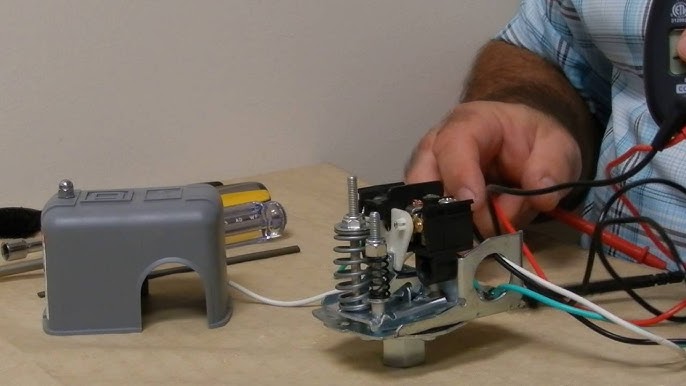
Credit: www.youtube.com
Frequently Asked Questions
What Is A Well Pump Pressure Switch?
A pressure switch controls your well pump. It turns the pump on and off. This keeps water pressure stable in your home.
Why Is My Well Pump Not Turning On?
The pressure switch might be faulty. Check if it’s set correctly. Also, ensure power is reaching the switch.
How Do I Test A Well Pump Pressure Switch?
You can check its electrical connections. Listen for a click when pressure changes. A multimeter can also test its functionality.
What Causes A Pressure Switch To Fail?
Moisture and corrosion are common causes. Frequent cycling can also wear it out. Age is another factor in switch failure.
Can I Adjust My Well Pump Pressure Switch?
Yes, you can adjust the cut-in and cut-out settings. Small adjustments can fix pressure issues. Always do this with the power off.
How Often Should My Well Pump Cycle?
Your pump should cycle a few times daily. Too frequent cycling can damage the pump. Too infrequent may mean low pressure.
Where Is The Pressure Switch Located?
It’s usually found near your pressure tank. Look for a small, box-like device. It will have electrical wires connected.
Conclusion
Your well pump switch is crucial. It controls water flow. Troubleshooting it saves you money. Check connections first. Inspect the diaphragm too. Adjustments can fix many issues. A faulty switch stops your water. Don’t let a small problem linger. Get your water back.
It’s often a simple fix.